5 Best Spin Mop for Tile Floors In 2025
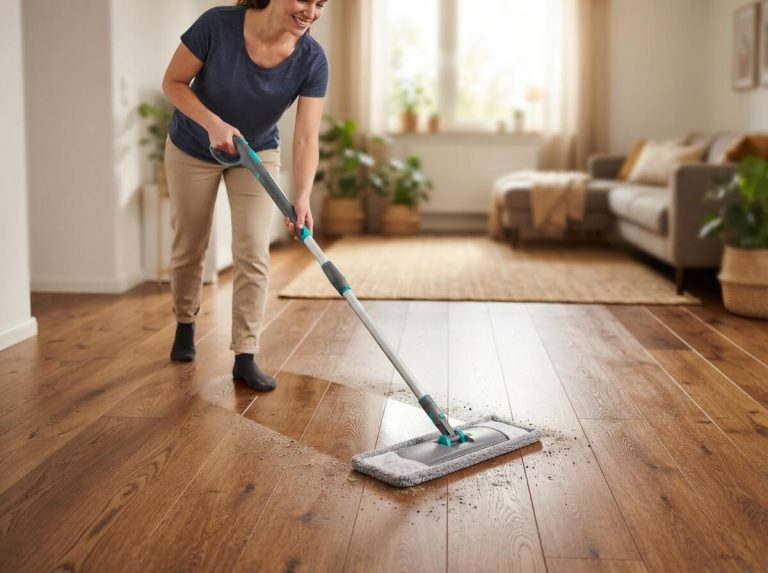
Tile floors look amazing when they are clean, but they show every bit of dirt, grout haze, and streaky residue the moment you slack off on cleaning. If you have been scrubbing on your knees or dragging around a heavy string mop that just pushes dirty water in circles, you already know the pain. A good spin mop (or a modern electric mop that spins and scrubs for you) can turn a dreaded chore into a five-minute task.
In this roundup, we look at five popular options that cover both ends of the spectrum: classic manual spin mop buckets and newer cordless electric mops with steam and vacuum functions. Some of these are budget-friendly and simple, while others are packed with tech like heated steam and smart auto-sensing. Our goal here is to help you figure out which one actually fits your home, your floor type, and your budget, without any hype or exaggerated claims.
We will walk through each product one by one, explain the features in plain language, talk about where each one shines and where it falls short, and then wrap up with a practical buying guide, common mistakes people make, and a final verdict so you can make a confident decision.
Why Tile Floors Need a Special Kind of Mop
Tile is durable, but it has grout lines that trap dirt, and a smooth glazed surface that shows streaks fast. Regular flat mops or cheap sponge mops tend to leave water sitting in the grout, which can lead to mold or a dull, cloudy look over time. A spin mop wrings out excess water before it touches the floor, so you get a damp clean instead of a soaked one. Electric mops take this further with suction, steam, and rotating pads that scrub grout lines without you needing to bend down at all.
The right mop for tile floors should:
- Control moisture so grout does not stay wet for long
- Scrub gently but effectively to lift dried spills and grime from texture and seams
- Be easy to empty, clean, and store after use
- Not scratch or dull the tile finish over repeated use
Keep those four points in mind as you read through the reviews below, because they matter more for tile than for other floor types like hardwood or laminate.
Quick Comparison Table
| Product | Type | Steam | Suction/Wet-Dry | Best For | Price Range |
|---|---|---|---|---|---|
| qimedo Cordless Electric Mop M1-1 | Electric spin mop & scrubber | No | No | Small to mid apartments, daily quick cleanup | Budget-friendly |
| roborock F25 Steam Series | Wet dry vacuum mop | Yes, 356°F | Yes | Mixed hard floors, families with pets | Mid to high |
| DREAME Aero Ultra Steam Vacuum Mop | Wet dry vacuum mop | Yes, 392°F, plus hot water wash | Yes | Deep cleaning grout and sticky messes | High |
| Tineco Floor One S9 Artist | Wet dry vacuum mop | Yes, 185°F | Yes, 22kPa | Homes with hair, pet fur, mixed flooring | High |
| O-Cedar EasyWring Microfiber Spin Mop | Manual bucket spin mop | No | No | Renters, small budgets, simple upkeep | Very affordable |
Now let’s get into the details of each one.
1. qimedo Cordless Electric Mop M1-1, 2-in-1 Spin Mop & Floor Scrubber
Product Description
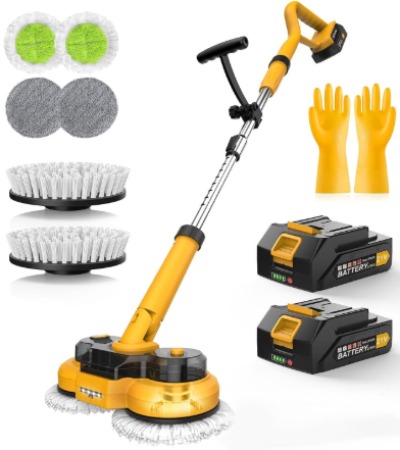
The qimedo M1-1 sits in an interesting middle spot between a manual spin mop and a full electric scrubber. It is cordless, battery-powered, and spins the mop head automatically so you don’t need to twist a bucket lever or use your arm to scrub. It works as a 2-in-1 tool, meaning it can act like a light floor scrubber for scuffed spots as well as a regular damp mop for everyday cleaning.
Best Use Cases
This one fits smaller homes, apartments, and rentals where you want something light and easy to carry from room to room. It also works well for quick daily touch-ups on kitchen tile, bathroom floors, and entryways where dust and light grime build up fast.
Key Features Explained Simply
- Cordless design: No cord to trip over or untangle, and you can move freely between rooms.
- Auto-spin head: The mop head spins on its own to help lift dirt from tile grooves and grout lines, so you don’t have to press down hard.
- Lightweight body: Easy for anyone to lift, including people who struggle with heavier vacuum-style mops.
- Removable, washable pads: You can pop the pads off and toss them in the wash once they get dirty.
Real-Life Usage Insight
Users who live in smaller spaces tend to like this model because it does not need to be plugged in mid-clean, and it stores easily in a closet or under a sink. It works nicely on quick spills, dusty tile, and light daily grime, though it is not designed to be a deep-cleaning machine for months of built-up dirt or thick stains.
Pros
- Very lightweight and easy to handle
- No cord means full freedom of movement
- Simple to charge and maintain
- Good entry-level price point compared to full vacuum mops
- Works on tile, laminate, and sealed hardwood
Cons
- Battery life is limited compared to corded or larger battery models
- Not built for heavy, ground-in stains or thick grease
- No steam or suction, so it relies on manual water and spin action
- Pads need frequent rinsing during longer sessions
Performance Discussion
For daily maintenance cleaning, this mop performs well. The spinning head does a decent job of loosening light dust and dried footprints from tile without leaving streaks. On sticky spots like dried juice or food residue, you may need to go over the area a couple of times since there is no steam heat to loosen grime faster.
Ease of Use
This is one of the easier tools on this list to pick up and use right away. There is barely a learning curve. Turn it on, add water, and start mopping. Cleanup afterward is also simple since the pads detach with a quick pull.
Value for Money
Given its lower price tag, the qimedo M1-1 offers solid value if your main need is light daily cleaning rather than deep restoration work. It’s a smart pick if you are not ready to invest in a full wet-dry vacuum mop system yet.
2. Roborock F25 Steam Series Wet Dry Vacuum Mop, 356°F Cordless Steam Cleaner
Product Description
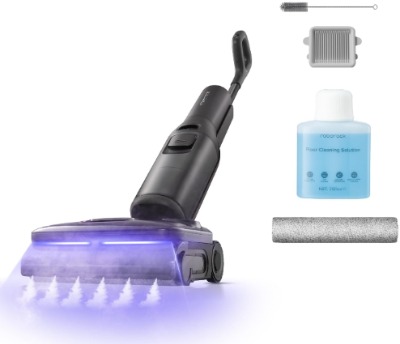
The Roborock F25 Steam Series is a step up into the world of smart, self-cleaning vacuum mops. It combines vacuuming and mopping into one pass, and it uses steam heated up to 356°F to help break down grease, grime, and bacteria on hard floors including tile.
Best Use Cases
This model suits busy households, homes with pets, and anyone dealing with mixed flooring types where dust, crumbs, and liquid spills all show up on the same day. It is particularly handy in kitchens and dining areas where food debris mixes with dust.
Key Features Explained Simply
- Steam cleaning: Heats water to a high temperature so it can loosen dried grease and sanitize the surface as it goes.
- Wet and dry vacuum in one: Picks up both liquid spills and dry debris in a single pass instead of needing a separate vacuum first.
- Self-cleaning roller: Rinses its own roller during use so you are not spreading dirty water across the floor.
- Cordless operation: Runs on a rechargeable battery so you are not limited by outlet placement.
Real-Life Usage Insight
Households with kids or pets tend to appreciate the auto-detection features that adjust suction and water flow depending on how dirty a patch of floor is. On tile with grout lines, the steam function helps soften dried spills so the roller can lift them without repeated scrubbing.
Pros
- Steam function helps cut through grease and sticky spots
- Self-cleaning roller keeps the mop from smearing dirty water
- Combines vacuum and mop, saving a step in your routine
- Cordless freedom without a tangled cord
- Handles both wet and dry messes in the same session
Cons
- Heavier than basic spin mops due to its water tank and motor
- Higher upfront cost compared to manual mop systems
- Requires regular tank cleaning and maintenance to keep performing well
- Base station takes up counter or floor space for charging and self-cleaning
Performance Discussion
The F25 performs strongly on tile floors, especially in kitchens where grease tends to settle into grout lines. Steam heat combined with rotating rollers gives a deeper clean than a plain damp mop. Dry debris like crumbs and pet hair also get sucked up in the same pass, which cuts down on total cleaning time.
Ease of Use
There is a slight learning curve compared to a manual mop since you need to get used to the docking station, water tank refills, and maintenance cycle. Once you get into a rhythm, though, it becomes a quick weekly or twice-weekly routine.
Value for Money
This unit sits in the mid-to-high price range, but for the amount of time it saves by combining vacuuming and mopping, many buyers feel it pays for itself in convenience. It is a strong option if you want fewer tools cluttering your closet.
3. DREAME Aero Ultra Steam Vacuum Mop, 392°F Steam, 194°F Hot Water, FoamWash
Product Description
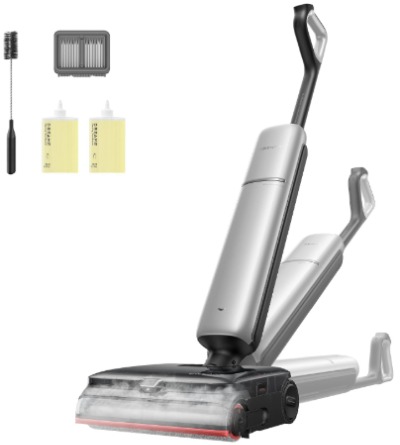
The DREAME Aero Ultra pushes the steam temperature even higher, reaching 392°F, along with a hot water wash feature at 194°F and a foam-based cleaning system called FoamWash. This model targets people who want the deepest possible clean on hard flooring, tile included, without scrubbing by hand.
Best Use Cases
This is a great fit for homes dealing with heavy grease buildup, sticky floors from cooking, or grout that has gone a bit gray and needs a serious refresh. It is also useful for anyone managing a larger home where deep cleaning power matters more than lightweight portability.
Key Features Explained Simply
- High-heat steam: At 392°F, this steam setting is aimed at breaking down oily residue and dried-on stains more aggressively than lower-heat models.
- Hot water wash: A 194°F hot water function helps rinse the roller and keep it fresh through longer cleaning sessions.
- FoamWash technology: Uses a foaming cleaning solution to help lift stuck-on dirt from grout lines and textured tile.
- Vacuum and mop combo: Like other models on this list, it handles wet and dry debris together.
Real-Life Usage Insight
Anyone dealing with kitchen tile near a stove tends to notice the difference the high steam heat makes on grease spots that usually need a separate degreaser. The foam wash setting seems to help loosen dirt from grout texture more than plain water alone.
Pros
- Very high steam temperature helps cut through grease and grime
- Hot water wash keeps the roller cleaner during long sessions
- FoamWash adds extra cleaning power for grout and textured tile
- Strong all-in-one performance for wet and dry messes
Cons
- Premium price point, one of the higher-cost options here
- Bulkier unit that takes more storage space
- Learning curve with multiple settings and wash cycles
- Regular tank refills and cleaning solution needed to get full benefit
Performance Discussion
Where this model stands out is in tackling grease and grime that has had time to dry and set into tile grout. The combination of very hot steam and the foam wash step often does a better job than a basic spin mop on tough kitchen messes. For lighter daily dust, it may feel like slight overkill, but for periodic deep cleaning it performs impressively.
Ease of Use
Because there are more settings and modes to manage, from steam heat levels to the foam wash cycle, it takes a little more time to get comfortable with all the buttons. Once set up, though, most people find the actual mopping motion smooth and simple.
Value for Money
This sits at the top of the price range in this roundup. It makes sense for buyers who want maximum cleaning power and don’t mind paying more for that capability, especially if tile grout has become a recurring headache.
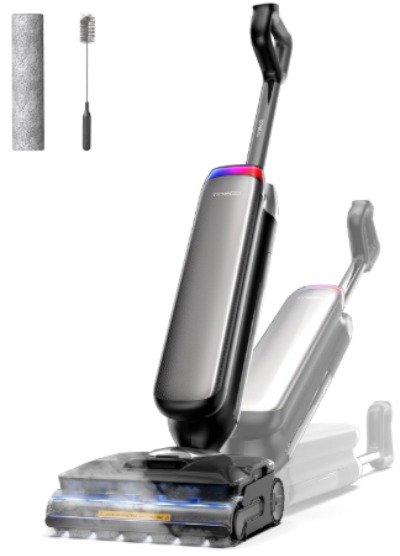
4. Tineco Floor One S9 Artist Steam Wet Dry Vacuum Cleaner
Product Description
The Tineco Floor One S9 Artist is a fully loaded wet-dry vacuum mop with 22kPa suction, high-temperature steam cleaning up to 185°F, a 360° SmoothDrive base for tight turns, anti-tangle roller design, fast-dry technology rated at 185°F, and a 180° lay-flat body so it can reach under furniture and low cabinets.
Best Use Cases
This model works well in homes with long hair, pet fur, or lots of furniture to maneuver around. It suits people who want strong suction power alongside steam cleaning, especially in open floor plans that mix tile with other hard flooring types.
Key Features Explained Simply
- 22kPa suction: A strong suction rating that helps pull in both wet spills and dry debris like crumbs or fur.
- 360° SmoothDrive: Lets the mop pivot easily around table legs, chairs, and tight corners without getting stuck.
- Anti-tangle design: Cuts down on hair wrapping around the roller, which is a common complaint with other spin and vacuum mops.
- Flashdry at 185°F: Dries the roller quickly after use so it does not sit damp and start smelling.
- 180° lay-flat body: Lets you push the mop almost flat to clean under low furniture, sofas, and cabinet gaps.
Real-Life Usage Insight
Pet owners and people with long hair around the house tend to notice the anti-tangle feature the most, since roller tangling is one of the most annoying parts of owning a vacuum mop. The lay-flat design also gets appreciated by anyone with low furniture that regular mops usually skip over.
Pros
- Strong suction handles both wet and dry mess well
- Anti-tangle roller cuts down on hair buildup, a common pain point
- Lay-flat design reaches under furniture other mops miss
- Fast drying roller helps prevent musty odors
- Smooth steering around obstacles thanks to the swivel base
Cons
- Higher price tag similar to other premium models here
- Heavier unit due to the motor and suction system
- Requires regular filter and tank cleaning to maintain suction power
- Steam temperature is a bit lower than the DREAME model, so very greasy spots may need an extra pass
Performance Discussion
On tile floors, the combination of suction and steam does a thorough job of pulling dirt out of grout lines while wiping away streaks. The anti-tangle roller genuinely helps in homes with pets or family members who shed hair often, since tangled rollers can slow down other mops significantly over time. The lay-flat feature is a nice bonus for homes with low furniture that usually collects dust bunnies.
Ease of Use
Setup involves attaching the water tank and getting used to the trigger-based water release, similar to other electric models. Storage requires a charging dock, so plan for some counter or floor space. Once you get past the first few uses, day-to-day operation feels intuitive.
Value for Money
This model competes closely with the roborock and DREAME options in price, but its anti-tangle design and lay-flat reach give it a slight edge for homes with pets, long hair, or lots of furniture to clean around.
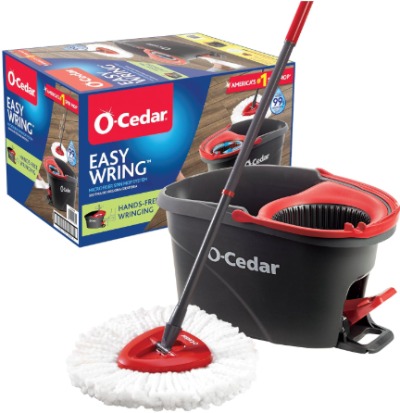
5. O-Cedar EasyWring Microfiber Spin Mop, Bucket Floor Cleaning System
Product Description
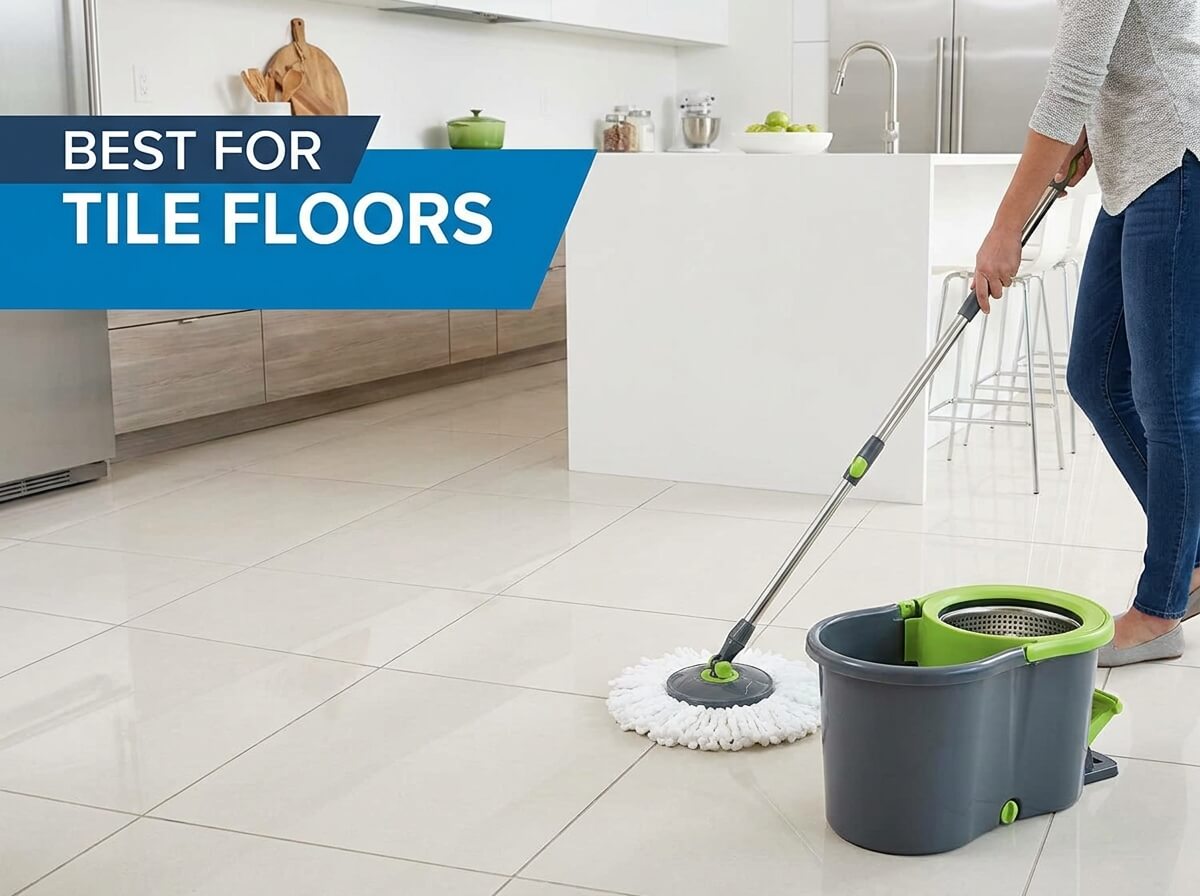
The O-Cedar EasyWring is the classic manual option on this list. It pairs a microfiber mop head with a foot-pedal spin bucket, letting you wring out water without touching a wet mop head with your hands. There is no battery, no steam, and no suction here, just simple mechanical design that has stayed popular for years.
Best Use Cases
This is the go-to pick for renters, students, small apartments, and anyone who wants a reliable, affordable mop without worrying about batteries, charging docks, or software-like settings. It also works as a great backup mop even for households that already own an electric model.
Key Features Explained Simply
- Foot pedal spin bucket: Step on the pedal to spin the mop head dry, cutting down on drips and streaks.
- Microfiber mop head: Soft yet effective at trapping dust, dirt, and grime from tile surfaces.
- Washable, reusable head: Machine washable, so you are not buying replacement pads constantly.
- Simple bucket design: Splits into a wash side and rinse side in some versions, keeping your mop water cleaner for longer.
Real-Life Usage Insight
Renters who move often tend to like how easy this system is to pack up and take along, with no charging cables or electronic parts to worry about. It also holds up well as a dependable backup tool even in homes that already use a fancier electric mop for weekly deep cleans.
Pros
- Very affordable compared to every electric option on this list
- No batteries, cords, or charging needed
- Lightweight and simple to store in a small closet
- Machine washable mop head saves money over time
- Great for quick spot cleaning and daily light maintenance
Cons
- No steam or suction, so it relies fully on manual effort
- Takes more physical effort than electric alternatives
- Bucket needs to be filled and emptied by hand each time
- Less effective on deeply set-in grease or grout stains
Performance Discussion
For everyday dust, footprints, and light spills, this mop performs admirably and leaves tile looking clean without streaking, especially once you get the wringing technique down. It will not compete with steam-based systems on tough grease, but for regular upkeep it holds its own and often outperforms cheaper flat mops.
Ease of Use
This is about as simple as mopping gets. Fill the bucket, dip the head, step on the pedal to spin out extra water, and mop away. There is no setup, no charging, and no learning curve at all.
Value for Money
At its price point, the O-Cedar EasyWring offers excellent value, especially for anyone who does not want to spend heavily on floor care equipment or who just needs something reliable for regular light cleaning.
Comparison Insights
Looking at these five side by side, a clear pattern shows up. The qimedo M1-1 and O-Cedar EasyWring are the lighter, more affordable choices, good for daily upkeep and smaller living spaces. They both skip steam and suction, relying on manual water control and spin action instead.
The roborock F25, DREAME Aero Ultra, and Tineco S9 Artist sit in a different category entirely, combining vacuum suction with steam heat for a more thorough clean in a single pass. Among these three, the DREAME model brings the highest steam temperature and an added foam wash step, making it a strong pick for grease-heavy kitchens. The Tineco stands out with its anti-tangle roller and lay-flat design, which matters a lot for pet owners and homes with low furniture. The roborock offers a nice balance of steam power and self-cleaning convenience without going quite as high on heat as the DREAME.
If your main concern is keeping tile grout free from grease and stuck-on grime, the electric steam models will outperform manual spin mops by a noticeable margin. If your main concern is simple daily maintenance on a budget, the manual options handle that job just fine without the extra cost or upkeep that comes with battery-powered systems.
Buying Guide: What to Look for in a Spin Mop for Tile Floors
Water Control
Tile grout does not like sitting in standing water for long periods. Look for a mop that wrings out water thoroughly, either through a spin mechanism or an internal wringing system, so your floor stays just damp rather than soaked.
Steam vs No Steam
Steam helps loosen dried spills, grease, and grime, plus it can help sanitize surfaces without needing extra chemical cleaners. If you deal with a lot of kitchen mess or have pets tracking things in, steam-based models tend to save time in the long run. If your floors mostly deal with dust and light footprints, a manual spin mop without steam will likely be enough.
Suction Power
Wet-dry vacuum mops with suction save you from vacuuming or sweeping separately before mopping. This matters more in homes with pets, kids, or high foot traffic where dry debris piles up fast between cleanings.
Weight and Maneuverability
Heavier electric units can be harder to carry up and down stairs or lift for storage. If you have joint pain, limited strength, or simply want something light, factor this in carefully rather than just chasing the highest suction number.
Roller and Pad Maintenance
Check how easy it is to clean the mop head or roller after use. Tangling hair, sticky pad build-up, and moldy odors are common complaints with poorly maintained mop heads, so anti-tangle design and self-cleaning rollers are worth paying attention to if you have pets or long hair in your home.
Battery Life or Corded Reliability
Cordless models offer freedom of movement but depend on battery charge, so check runtime versus your average floor size. If you have a larger home, make sure the battery life covers a full cleaning session without needing a mid-clean recharge.
Budget and Long-Term Costs
Manual spin mops cost less upfront and have almost no ongoing costs beyond occasional pad replacement. Electric models cost more initially and may need filter replacements, cleaning solution refills, or occasional part replacements over time. Factor in these long-term costs, not just the sticker price.
Who Should Buy Each Type
Renters and students tend to do well with the O-Cedar EasyWring since it is affordable, portable, and needs no charging setup.
Small apartment dwellers wanting a light upgrade from a standard mop will likely enjoy the qimedo M1-1 for its cordless convenience without a big price jump.
Busy families and pet owners who want to save time by combining vacuuming and mopping should look closely at the roborock F25 or Tineco S9 Artist, depending on whether self-cleaning convenience or anti-tangle roller design matters more to their household.
Kitchen-heavy households dealing with grease or homes with grout that has become discolored over time may get the most benefit from the DREAME Aero Ultra thanks to its higher steam heat and foam wash feature.
Anyone with mobility concerns or limited storage space may prefer lighter manual options over the bulkier electric vacuum mop systems, even if it means a bit more manual effort during cleaning.
Common Mistakes to Avoid When Mopping Tile Floors
Using too much water. Excess water sits in grout lines and can lead to discoloration or mold over time. Always wring out your mop head well before it touches the floor.
Skipping the sweep or vacuum step. If your mop does not have built-in suction, sweeping first prevents you from just pushing dirt and grit around, which can also scratch the tile surface.
Ignoring pad or roller maintenance. A dirty, smelly mop head spreads bacteria rather than removing it. Rinse and wash pads regularly, and let rollers dry fully between uses.
Using the wrong cleaning solution. Harsh chemicals or too much soap can leave a filmy residue on tile that actually attracts more dirt. Stick to solutions designed for your specific flooring, or plain water for light daily cleaning.
Letting grout stains sit too long. The longer grime sits in grout lines, the harder it becomes to remove. Regular light cleaning prevents the need for aggressive deep cleaning sessions down the road.
Overlooking battery runtime on cordless models. Running out of charge halfway through a large home can be frustrating. Check your floor size against the stated runtime before buying a cordless electric mop.
Storing mop heads while still damp. This is one of the most common causes of musty odors. Always let mop heads or rollers dry fully before storing them away.
Final Verdict
All five of these products earn their spot on this list for different reasons, and there is no single winner that fits every household. For pure convenience and deep-cleaning power on tile floors, especially in kitchens or homes with pets, the electric wet-dry vacuum mops from roborock, DREAME, and Tineco stand out, each with a slightly different strength: self-cleaning convenience, maximum steam heat with foam wash, or anti-tangle design with strong suction.
For those who want something simpler, lighter on the wallet, and free from any charging or maintenance routine, the qimedo M1-1 and O-Cedar EasyWring both deliver reliable results for everyday tile care without unnecessary complexity.
The right pick really comes down to how much mess your tile floors deal with on a regular basis, how much time you want to spend on upkeep, and how much you are comfortable spending upfront. Match the product to your actual daily routine rather than chasing the most feature-packed option, and your tile floors will stay clean and grout-friendly no matter which one you choose.
Hi, I’m Mary, the founder of Homygear.com. I’m passionate about creating a comfortable, smart, and beautiful home. I share practical insights and real-world experience on home gear that makes everyday life easier. Behind the scenes, my dedicated research team studies products in depth, and our writers craft honest reviews using trusted, authentic sources—so you can choose home gear with confidence.