5 Best Label Maker For Home Organization In 2026
As an Amazon Associate we earn from qualifying purchases.
Shopping for the best label maker for home organization can feel confusing at first. Many models look similar on a product page, yet they differ in print style, portability, and how the tape and app work. This guide is for beginners who want to label pantry jars, cables, closet bins, or file folders without guesswork. A little comparison before you buy can save money and frustration later.
The five products below share a few traits. Each one is a small, portable device aimed at home and office use, and each has a strong or moderate standing among buyers. The comparison rests on the listed features and typical use, not on personal testing, so the notes describe what each model is built to do. Where a feature is listed, we describe it as listed rather than as something we verified.

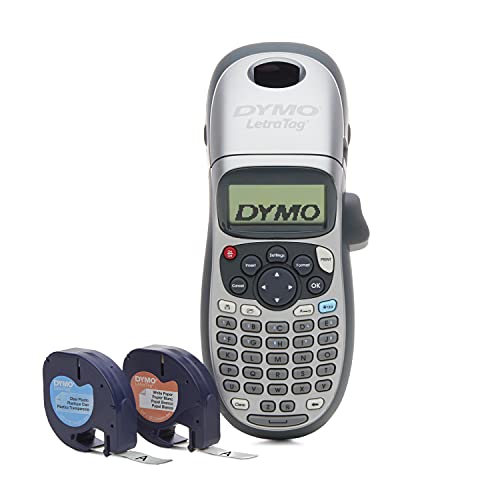


1. DYMO Label Maker Machine: best for simple handheld labeling at a low price
The DYMO Label Maker Machine is a compact handheld device that comes with three starter tapes. It suits people who want a straightforward tool for jars, drawers, and bins. Its price sits in the lower part of this group. For many households, that makes it a sensible first purchase.
What it is and who it suits
This is a handheld label maker that prints text onto adhesive tape. It fits people who label a few things each week and do not need a computer connection. For example, it works well for marking spice jars, labeling a toolbox drawer, or tagging a box of holiday decorations. Beginners often find it easy to start with.
Key features in simple terms
The device offers 5 font sizes, 7 print styles, and 8 box styles. A graphical display lets you preview the label before printing. An auto-off function shuts the machine down when idle, which helps save battery. Font and box options matter most if you want labels that look consistent across a whole room.
Everyday use
In daily use, you type a word, check the preview, and print. Because the display shows the result, you can catch spelling errors before the tape comes out. The included tapes mean you can start labeling right away. Keeping a short list of common labels, such as “Batteries” or “Extension Cords,” can speed up future sessions.
Performance and ease of use
Printing is steady for short labels, and the controls are simple enough for a first-time user. Longer phrases take more space on the small screen, so planning your wording helps. Abbreviations can keep labels readable without crowding the tape. Overall, it feels like a tool meant for quick, everyday tasks.
Value for money
At its listed price, the bundle of tapes adds practical value. Buyers who want a basic handheld device without extra features will likely find it a sensible pick. If you later need more tape widths or app-based design, you may decide a more advanced model is worth the higher cost.
Pros
- Lightweight and compact for use around the house
- Preview display shows labels before printing
- Includes three starter tapes in different finishes
- Auto-off helps conserve battery
Cons
- Fewer design options than some newer models
- Small screen makes long text harder to review
- Limited to the handheld workflow, with no app connection
2. DYMO LetraTag 100H Plus Handheld Label Maker: best for a versatile starter kit
The DYMO LetraTag 100H Plus is a handheld label maker with a similar design to the basic model above. It adds a magnetic holder to the package. It suits people who want to keep the device on a fridge or metal shelf.
What it is and who it suits
This is a portable label maker for office or home use. Its compact body makes it easy to carry from room to room. It works well for people who label many small items in different places, such as spice jars, cables, or file folders.
Key features in simple terms
Like its sibling, it offers 5 font sizes, 7 print styles, and 8 box styles. It shows a text preview on screen before printing, so you can check spelling and layout first. The included magnetic holder gives you a handy place to store the device.
Everyday use
The magnetic holder is useful in a kitchen or garage. You can keep the label maker within reach instead of in a drawer. The plus pack includes paper and clear plastic tapes, so you can cover both paper and wet or oily surfaces. Clear tape works well for items that need to stay readable after handling.
Performance and ease of use
Print results depend on using the recommended 1/2 inch LetraTag tapes. Using other tapes may reduce performance, so it is wise to stick with the matching size. The menus are easy to navigate after a short practice session. Overall, it works as a dependable everyday tool for simple labeling jobs.
Value for money
The price is modest, and the magnetic holder adds practical value. Buyers who want a simple handheld device with a spare tape and a holder may see it as a balanced choice. Its value depends on how often you plan to label items. Occasional users may find it more than they need, while frequent users benefit from the included supplies.
Pros
- Magnetic holder keeps the device handy on metal surfaces
- Includes paper and clear plastic tapes
- Preview display helps you check text before printing
- Compact body fits easily in a drawer or bag
Cons
- Works best with the matching 1/2 inch tapes
- No app or wireless connection for designing labels
- Design options are the same as the basic model
3. NDYIN N12 Label Maker Machine: best for app-based designs and wireless printing
The NDYIN N12 is a small Bluetooth label printer that connects to a phone. It uses direct thermal printing, which means it needs no ink or ribbon. It suits people who like designing labels on a screen they already own.
What it is and who it suits
This is a mini thermal sticker printer controlled through a free app. Direct thermal printing uses heat on special paper, so no ink cartridges are required. It fits people who want many templates and symbols, and who are comfortable working on a phone.
Key features in simple terms
The companion app offers more than 1,000 symbols, over 270 frames, and more than 100 fonts. The printer works with both iOS and Android devices over Bluetooth. Its built-in rechargeable battery means you do not need to buy replacement batteries.
Real-life use at home
Many people use this type of printer for spice jars, food dates, and cable tags. Because the labels come in fixed lengths, you choose a size that matches your project. Designing on a phone can be quicker than typing on a small device, especially when you reuse a template.
Performance and ease of use
Connecting by Bluetooth takes a little setup the first time. Once paired, printing from the app is usually straightforward. Label lengths are fixed, so very long text may need planning or a line break. Keeping the phone nearby during printing helps the connection stay stable.
Value for money
The listed price is low, and there are no ink or ribbon costs to add. Buyers who print often may find the lack of consumables appealing. Still, the cost of label stock adds up over time, so it is worth comparing refill prices before you buy. Checking the price per label gives a clearer picture than the device price alone.
Pros
- No ink, toner or ribbon needed for printing
- Large library of symbols, frames and fonts in the app
- Works with both iOS and Android phones
- Built-in rechargeable battery
Cons
- Relies on a phone and Bluetooth connection
- Label lengths are fixed rather than fully adjustable
- Brand information is limited in the product data
4. DYMO LetraTag LT-100H Handheld Aesthetic Label Maker: best for a stylish, portable option
The DYMO LetraTag LT-100H comes in a pink finish and has a slim body. It uses 12mm tapes in several finishes, including textile. It suits people who want a label maker that also looks good on a desk or in a bag.
What it is and who it suits
This is a handheld label maker with a 13 character screen and an ABC keyboard. Its slim shape makes one-handed use simple. It fits people who carry the device often or like a bright color.
Key features in simple terms
It supports paper, clear, opaque plastic, and textile tapes in 12mm width. You can add date stamping and print two lines. The listed print speed is 7mm per second, and the label has an easy-peel design. Each feature gives you a little more control over how the finished label looks and how it is used.
Everyday use
The ABC keyboard feels familiar, which helps beginners type quickly. The two-line option is handy for labels that need a name and a date. Because the tapes come in several finishes, you can match the label to the surface, such as fabric or a plastic bin. A textile label, for example, suits a child’s uniform or a shared laundry basket, while a clear plastic label works well on a container you want to see through.
Performance and ease of use
Print quality is clear for short words and common symbols. The controls are easy to learn, and the menus are simple to move through. Small screens still limit how much text you can review at once, so it helps to check each label carefully before you print.
Value for money
The price sits near the middle of this group. Buyers who value the color and the textile tape option may see fair value here. Those who only need basic labels may prefer a lower-cost model. Before you buy, it is worth comparing the cost of replacement tapes, since that spending adds up over time.
Pros
- Slim, lightweight body suits one-handed use
- Supports paper, plastic and textile tape finishes
- Offers date stamping and two-line printing
- Pink finish stands out on a desk or shelf
Cons
- Uses 12mm tape, which is a different size from the 1/2 inch models above
- No app or wireless connection
- Small 13 character screen limits how much you can see at once
5. DYMO LabelManager 160 Label Maker Bundle: best for a full keyboard and larger display
The DYMO LabelManager 160 bundle includes a full QWERTY keyboard and a large display. It comes with three D1 cassettes. It suits people who type long labels or prefer a keyboard that feels like a computer.
What it is and who it suits
This is a portable label maker with a full keyboard, one-touch smart keys, and a large display. Its handheld body remains easy to carry. It fits people who label often and want quick text editing, especially when they need to fix a typo without starting over.
Key features in simple terms
The device offers more than 20 text formats and over 200 symbols. The QWERTY layout makes typing faster for people used to a computer keyboard. An automatic power-off function helps save battery when the device sits unused between label jobs.
Real-life use at home
A full keyboard can make longer labels, such as storage box contents, easier to type. The large display helps you read text before printing. The bundle includes three 12mm by 7m cassettes in black on white, which gives a good starting supply for a range of household or office tasks.
Performance and ease of use
Typing on a full keyboard feels closer to a computer. The smart keys speed up common tasks such as formatting. Learning the format options takes a little time, but the layout is logical, and most users can find what they need after a few practice labels.
Value for money
This is the highest-priced model in this group. Its keyboard, display, and bundle of cassettes justify the cost for frequent users. Occasional users may find simpler models more practical, since they may not use the extra features often enough to make the difference worthwhile.
Pros
- Full QWERTY keyboard speeds up typing
- Large display makes text easier to review
- Over 20 text formats and 200+ symbols
- Includes three cassettes to start
Cons
- Higher price than the other models in this group
- Larger than the slim handheld designs
- Uses D1 cassettes, which are a different system from the LetraTag tapes
Comparison insights: how these label makers differ
The five models share a basic job, but they differ in how they print and how they feel to use. The DYMO handhelds use LetraTag tapes, while the LabelManager uses D1 cassettes. The NDYIN N12 uses direct thermal paper and works through a phone app.
On performance, the handheld DYMO models give steady results for short labels. For example, a single word on a jar or a cable tag prints cleanly and quickly. The N12 offers the widest range of templates through its app, which helps when you want decorative or formatted labels. The LabelManager 160 handles longer text best because of its keyboard and display, letting you read and edit a full line before printing.
Ease of use depends on your habits. People who prefer typing on a phone may like the N12, while those who want a simple device with no setup may choose a basic handheld. The full keyboard of the LabelManager suits people who type often and want to avoid pressing letter keys several times to reach a character.
Value for money depends on how often you label and what you need. The NDYIN N12 has a low listed price and no ink costs, but label stock still adds up over time. The LabelManager costs the most upfront, so it makes sense mainly for frequent use, where its cassettes and keyboard save time for busy users. Because the product data does not list refill prices, it is worth checking tape costs before you buy.
Buying guide: key factors to consider
Before you choose a label maker, decide what you plan to label. Small jars, cables, and file folders need different widths and lengths. A short list of your main tasks makes the choice easier, and it helps you avoid paying for features you will never use.
Tape size and type
Label makers use specific tape systems. The DYMO handhelds use 1/2 inch LetraTag tapes, while the LT-100H uses 12mm tapes and the LabelManager uses D1 cassettes. Tapes are not interchangeable, so check the size before buying supplies. A label that is too wide for a small container can waste space or look untidy.
Connection and app support
Some models work on their own, while others connect to a phone. A handheld device needs no setup, so it is ready the moment you pick it up. A Bluetooth printer offers more design choices, but it depends on a phone and an app being available. Think about if you want to design labels on a screen or type directly on the device.
Keyboard and display
An ABC keyboard is compact, while a QWERTY keyboard feels familiar to computer users. A QWERTY layout can speed up typing if you already know where each letter sits. A larger display helps you review longer text before it prints. Consider how much you type at once and if you need to check spelling on screen.
Portability and size
Slim handheld models fit in a bag or drawer and are easy to carry between rooms or to a job site. Larger units with full keyboards take more space but may feel easier to use for long text. Choose the size that matches where you will store it and how often you will move it.
Battery and power
Several models include an auto-off feature to save power when they sit idle. The N12 has a built-in rechargeable battery, so you do not need to buy replacement batteries for it. Check how each model is powered before you buy, and plan for charging or battery changes as part of regular use.
Price and running costs
The purchase price is only part of the cost. Tape or label stock is an ongoing expense that grows with use. Compare the price of replacement supplies, not just the device itself. A cheaper machine can cost more over time if its tapes are expensive or hard to find.
Who should buy these products: matching buyers to models
Each model suits a different kind of buyer. The right choice depends on how you plan to use it. Think about how often you will label, where you will put the device, and how much typing you expect to do. The notes below show where each one tends to fit best.
Beginners who want a simple handheld: The DYMO Label Maker Machine suits people who label a few items and want an easy start. It includes starter tapes and a preview display, so you can check your text before you print. Its controls are straightforward, which helps first-time users feel confident quickly.
People who want a magnetic holder: The DYMO LetraTag 100H Plus suits people who want to keep the device on a fridge or metal shelf. The magnetic back means it stays within reach in a kitchen, garage or workshop. It also includes paper and clear tapes, so you can label both bright and transparent surfaces.
Phone users who like designing labels: The NDYIN N12 suits people who enjoy picking symbols and frames on a phone. Design work happens in an app, which gives you more layout options than a handheld keypad usually offers. It works without ink and uses a rechargeable battery, so you do not need to keep spare batteries on hand.
Buyers who want color and portability: The DYMO LetraTag LT-100H suits people who want a slim, pink device with textile tape options. Its compact body fits easily in a bag or drawer. It works well for one-handed labeling, which is useful when you are holding a box or a cable in the other hand.
Frequent typists who want a keyboard: The DYMO LabelManager 160 suits people who type long labels often. Its keyboard and display make longer text easier to manage than a small button layout. If you regularly label files, bins or multi-line items, a full keyboard can save you time on each job.
Final verdict
No single label maker is right for everyone. The DYMO handhelds are simple and well suited to beginners who want a device that works out of the box. The NDYIN N12 offers the most design options through its app, while the LabelManager 160 suits people who type often and want a keyboard for longer text.
In short, match the device to your habits. Think about the tape size, the connection style, and the running cost of replacement tapes over time. A simple choice made with those factors in mind will serve most home organizers well, and it will keep the labels you need easy to produce.
Frequently Asked Questions
Do I need a label maker that connects to a phone?
No, many people do well with a standalone handheld model. A phone connection adds design options but also adds setup steps, such as pairing the device and installing an app. Choose based on how you like to work, and if you enjoy customizing labels or prefer quick, direct typing.
Are all DYMO label tapes the same size?
No, the models use different tape systems. The DYMO handhelds use 1/2 inch LetraTag tapes, the LT-100H uses 12mm tapes, and the LabelManager uses D1 cassettes. Always check the size before buying supplies, because a tape that fits one model will not load into another.
Can a label maker handle labels for food jars?
Many people use label makers for food jars and pantry items. Choose a tape rated for the surface and check that the label adheres well before you rely on it. Some plastic tapes, such as clear plastic tape, work well on glass and plastic containers, though fit is best checked on the actual surface. Wipe the jar dry and clean first so the adhesive grips properly.
What does direct thermal printing mean?
Direct thermal printing uses heat on special label paper, so the device needs no ink, toner or ribbon. It is a common method in small label printers, and it keeps running costs low. Keep in mind that heat-sensitive labels can fade if left in direct sun or near heat, so store them and place them with that in mind.
Which model is best for a complete beginner?
The DYMO Label Maker Machine suits most beginners. It is compact, offers a preview display and comes with starter tapes, so you can begin printing right away. Its simple controls make the first few labels easy to create, and you can learn the basics without a steep learning curve.
Hi, I’m Mary, the founder of Homygear.com. I’m passionate about creating a comfortable, smart, and beautiful home. I share practical insights and real-world experience on home gear that makes everyday life easier. Behind the scenes, my dedicated research team studies products in depth, and our writers craft honest reviews using trusted, authentic sources—so you can choose home gear with confidence.