
5 Best File Organizer For Home Office In 2026
As an Amazon Associate we earn from qualifying purchases.
Keeping papers in order is one of the first challenges of working from home. A good file organizer for a home office gives documents, bills and supplies a clear place to live. This guide helps beginners who want a simple way to choose one. It covers five products with very different jobs, from a fireproof lock box to a low-cost cardboard file box.
The five products share a few traits. Each one is designed to hold paper and small items, and each one is sold for home or office use. They also differ in price, size, materials and protection level. This comparison rests on the listed features and typical use of each product, not on personal testing. Read it as a guide to what each design is built to do.
Start by asking what you need most. Some people want daily sorting for bills and mail. Others want a secure place for records they rarely open. A product that suits one need may feel awkward for the other.


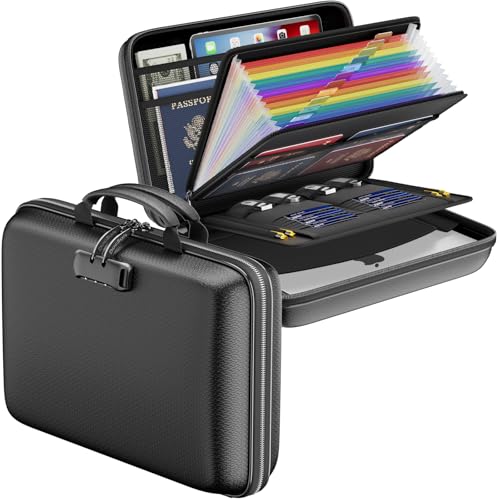

1. ENGPOW File Box: best for fireproof and water-resistant document storage
The ENGPOW File Box is a portable, lockable box built to protect important papers. It suits people who want a secure place for passports, birth certificates and key files. It is a storage box rather than a desk tray, so it usually sits on a shelf, in a closet or under a desk.
What it is and who it suits
This product is a fireproof document box with a combination lock. Its body uses fiberglass coated in silicone. The listed heat rating is up to 2000 degrees Fahrenheit. It is made for people who worry about fire or water damage to paper records. A renter with a few irreplaceable documents may find this kind of box more useful than a large safe.
Key features in simple terms
The box has two zippers, so it opens from more than one side. It includes side pockets and label slots for small items and tags. A carrying handle adjusts to different lengths. The listed size is 15.55 by 12.2 by 10 inches, and the box fits both letter and legal folders. Check your shelf depth before you buy, since the box is deeper than a typical desk file tray.
Daily use and everyday practicality
In daily use, the box works best as a secure home for documents you rarely need. The combination lock adds a layer of privacy, though a lock is not the same as a safe. Because it collapses flat, it can be stored when not in use.
The reflective strip on the side helps you spot it in low light. Keep a short list of the papers inside, so you know what to look for without opening every folder.
Performance and ease of use
The fireproof and water-resistant claims are the main performance points. Protection in a real fire depends on conditions, such as how hot and how long the fire burns, so no box offers guaranteed safety. Opening is simple once you know the lock combination. The instruction manual covers how to set it. Write the combination down and store it somewhere separate from the box.
Value for money
At the listed price, this box costs more than basic folders but less than many full fireproof safes. Buyers who want fire and water protection in a portable form may see good value. Those who only need desk-level sorting will not need this feature set. Compare the listed protection ratings with your own needs before deciding how much to spend.
Pros
- Fireproof and water-resistant construction with a listed heat rating.
- Combination lock adds privacy for sensitive papers.
- Fits letter and legal folders in a portable size.
- Collapses flat for storage when not needed.
Cons
- It is a storage box, not a desk tray, so it does not sit in the workflow of daily sorting.
- A combination lock offers less security than a dedicated safe.
- Its size takes up more shelf space than slim folders.
2. WALI Desk File Organizer: best for a tidy, all-in-one desktop setup
The WALI Desk File Organizer is a metal tray system that sits on top of a desk. It suits people who want paper, pens and small supplies within arm’s reach. It focuses on daily order rather than long-term protection.
What it is and who it suits
This is a four-tier desktop organizer with letter trays, a vertical file section, two pen holders and a sliding drawer. Each zone has a clear job, so you can see at a glance where things belong. It is a good match for students, teachers and anyone who works mostly at one desk.
It fits home offices, dorms and classrooms. Anyone who spends most of the day in one spot and wants a simple place for everyday items will likely find it useful.
Key features in simple terms
The frame uses thickened steel wire mesh with a dense small mesh that holds supplies steady. The trays stack in tiers, so mail, planners and bills each have a slot. The pen holders and sliding drawer keep pens, scissors and markers in one place.
Assembly needs no special tools, and clear instructions guide the process. Most people can set it up in one sitting without extra hardware beyond what is included.
Real-life usage and daily feel
In daily use, the organizer keeps the desk surface clear. Papers land in the right tray instead of piling up beside the keyboard. The vertical section keeps files upright, so they are easier to find than a stack.
Because it sits on the desk, the items inside are always in view. This helps when you want to grab a pen or a form without searching through drawers.
Performance and build quality
The steel structure is built to hold a load without bending out of shape. Each part is fixed in place to reduce the risk of parts falling loose. Keep heavy items in the lower tiers to keep the unit balanced.
The classic black finish suits most office and dorm décor. Its small footprint leaves room for a keyboard and monitor on most desks, though you should measure your desk depth first.
Ease of use and setup
Setup is quick, and the layout is easy to grasp at a glance. Items in the top trays are easy to reach, while lower trays suit items you use less often. Labeling each tray can make the system even easier to maintain.
The drawer works well for small items, though it holds less than a full cabinet drawer would. Placement is simple because it needs only a flat surface.
Value for money
At the listed price, this organizer sits in the lower-middle range for desk products. It offers several storage zones in one unit, which many buyers find useful. Compare the price with separate trays and holders to see if the bundle makes sense for you.
It does not protect documents from fire or water, so it is best judged as a desk organizer. For sensitive papers, a locking cabinet or fireproof box is a better choice.
Pros
- Combines trays, file section, pen holders and a drawer in one unit.
- Thickened steel frame supports a steady load.
- Quick assembly with no special tools.
- Black finish suits many office and home styles.
Cons
- It offers no fire, water or lock protection for documents.
- Its mesh design may let small items shift when the desk is bumped.
- The drawer is small, so bulky supplies will not fit.
3. DocSafe Fireproof File Organizer: best for portable protection with many pockets
The DocSafe Fireproof File Organizer combines a hard-shell case with an accordion file system. It suits people who carry documents, laptops and cards between places. It adds more internal organization than the ENGPOW box.
If you move between home, school, and work, you may need your papers with you more often than a fixed safe allows. This case is built for that kind of routine. It keeps related documents together in one place you can carry.
What it is and who it suits
This product is a hard-shell fireproof and water-resistant case with a built-in combination lock. It contains a 13-pocket accordion folder and many card and passport slots. It fits business travelers, students and households that keep many papers in one place.
A student might store transcripts, a passport and a spare debit card in one case. A household might keep birth certificates, insurance papers and tax records together. Each user benefits from having one clear home for important items.
Key features in simple terms
The case uses a hard shell with silicone-coated fireproof material inside. The accordion folder has labeled pockets for sorting. Card slots, a zipper pocket and mesh bags hold smaller items. The listed outside size is 15.5 by 11.5 by 3 inches, and the thickness can expand to 4 inches.
The hard shell protects contents from bumps and pressure better than a soft pouch. The mesh bags are useful for small items such as keys or memory sticks, which might otherwise slip into the wrong pocket. Before buying, measure the space where the case will sit, since the expanded thickness is 4 inches.
Real-life usage and daily feel
Day to day, the accordion layout helps you sort papers by category without extra folders. The hard shell feels sturdier than a soft case when set on a desk or in a bag. The dust-resistant surface is simple to wipe clean. Its size makes it easy to carry from room to room.
For example, you can keep bills in one section and medical forms in another, then pull out only the section you need. Because everything stays in one case, you are less likely to leave a document behind when you leave the house.
Performance and ease of use
The fireproof and water-resistant claims are the main performance points, as with any such box. The lock needs no key, which removes one item to lose. The double metal zipper opens smoothly. Finding a specific file takes a little practice with so many pockets.
Check the manufacturer’s stated temperature and water ratings before relying on them for specific documents. Fireproof ratings usually describe a time limit at a set temperature, and these figures vary between products. Label your pockets early so you can find files quickly later.
Value for money
The listed price is higher than basic organizers and close to the ENGPOW box. Buyers pay for the hard shell and the detailed pocket layout. Those who only need a simple folder will find it more than they need.
A simple folder may be enough if your papers are few and you keep them at home. If you carry many documents and want a hard shell with several sections, the extra cost may be worth it. Compare the features you will actually use before you decide.
Pros
- Hard-shell case with fireproof and water-resistant materials.
- Many pockets and slots for sorting papers, cards and passports.
- Key-free combination lock.
- Reasonably light for a fireproof case.
Cons
- Many pockets can take time to learn before finding files quickly.
- Its price sits above basic organizers, so it suits buyers with a clear need for protection.
- A combination lock offers less security than a dedicated safe.
4. BALEINE 2PK File Organizer Box: best for a low-cost, collapsible hanging file box
The BALEINE 2PK File Organizer Box is a two-pack of cardboard file boxes. It suits people who want simple, low-cost storage for hanging folders. It is a basic option for sorting paper on a desk or shelf.
Many people start with a basic box like this before they decide if they need something sturdier. It gives you a practical way to test a filing habit without a large commitment.
What it is and who it suits
These boxes are collapsible and built from corrugated cardboard with a stainless steel handle. They hold standard letter-size hanging folders. They suit home office workers who need a clear, low-cost way to group files by category.
They also suit households that want to separate bills, school papers and household records. If you only need to keep a modest amount of paper in order, the simple design is often enough.
Key features in simple terms
The cardboard core is reinforced to resist bending when filled. Two sizes are offered: a slim size and a large size. Included stickers let you label each box by category. Folders are not included, so buyers must supply their own.
The slim size works well for a small set of active projects. The large size suits a longer list of categories or thicker files. Measure your folders before you buy so you know which size fits your needs.
Real-life usage and daily feel
In daily use, the boxes open quickly and sit neatly on a desk or shelf. The handles make them easy to move between rooms or take to a meeting. Labels help you spot the right box at a glance. Because the boxes are cardboard, they feel lighter than metal or hard-shell options.
Lighter weight also means the boxes are easier to lift when they are only partly full. Once you fill them with heavy paper, though, the difference in handling becomes less noticeable.
Performance and ease of use
Cardboard holds up well for everyday paper, though heavy loads may cause bending over time. Setup is quick, and the collapsible design simplifies storage when not in use. The sizes make it important to measure your folders first. Mismatched folders will not fit well.
A good habit is to keep the boxes off damp floors and away from direct sun. Both conditions can weaken cardboard faster than normal use.
Value for money
At the listed price for two boxes, this is one of the lowest-cost options in this group. It suits buyers who want organization without spending much. It offers no fire, water or lock protection, so it should not be used for irreplaceable documents.
For important records such as passports, deeds or original certificates, a fireproof or lockable container is a safer choice. This box works better for active paperwork you can easily replace.
Pros
- Low price for a two-pack.
- Collapses flat for easy storage.
- Stainless steel handles make the boxes easy to carry.
- Two sizes help match different folder needs.
Cons
- Cardboard may bend or wear under heavy loads over time.
- It offers no fire, water or lock protection.
- Folders are not included, so extra purchases may be needed.
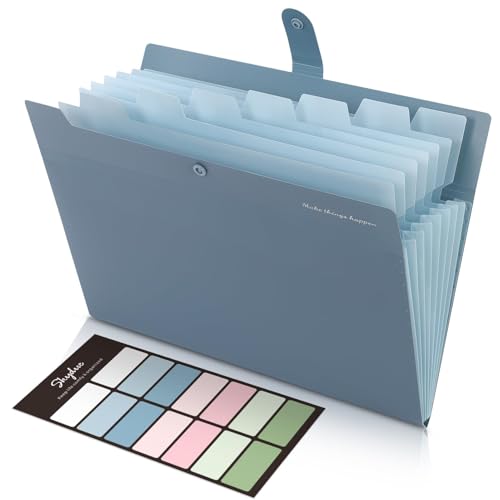
5. SKYDUE Expanding File Organizer: best for a lightweight, portable folder
The SKYDUE Expanding File Organizer is a lightweight accordion folder with eight pockets. It suits students and people who need to carry papers in a bag. It is the simplest and most portable product in this group.
Unlike the box above, this product is meant to travel with you. It is a good fit when your paperwork changes location often.
What it is and who it suits
This is an expanding folder made from polypropylene, a flexible plastic. It fits letter and A4 paper. It suits students, freelancers and anyone who sorts receipts, tax papers or recipes.
It is also useful for anyone who attends appointments or classes and needs to bring forms along. The flexible design handles a mix of document sizes within the listed range.
Key features in simple terms
The folder has eight pockets, each of which can be labeled with the included stickers. It closes with a secure snap. The listed size is 13 by 10 by 0.7 inches. The light material slips into backpacks and laptop bags.
Because each pocket is separate, you can keep one topic per section. Labeling the pockets before you start filing saves time later.
Real-life usage and daily feel
In daily use, the folder is easy to carry and open. Labels help sort papers by topic. Because the material is flexible, the folder bends slightly rather than cracking. It works well for papers you move often rather than store long term.
A common routine is to keep current bills or class handouts in the folder and move older papers to a box or drawer. This keeps the portable folder light and easy to manage.
Performance and ease of use
Polypropylene resists tears and keeps its shape. The snap closure keeps papers in place without fuss. The folder is simple to use, with no assembly or setup. Its thin profile means it holds fewer papers than a full box.
Avoid overfilling any single pocket. Packing too many pages into one section can strain the seams and make the snap harder to close.
Value for money
At the listed price, this is the lowest-cost product in this group. It suits buyers who want a basic, portable way to sort papers. It offers no fire, water or lock protection, so it is best judged as an everyday carry folder.
If you need long-term storage or protection from damage, pair this folder with a sturdier container for archived papers.
Pros
- Very light and easy to slip into a bag.
- Eight labeled pockets help sort papers by topic.
- Secure snap closure keeps papers in place.
- Low price for a portable folder.
Cons
- Holds fewer papers than a full box or tray system.
- It offers no fire, water or lock protection.
- Its thin profile may not suit bulky documents.
Comparison insights: how the five products differ
The five products fall into three groups. Two are built for protection, two for desk order, and one for portability. Knowing which group fits your needs makes the choice much easier. Each group also trades off performance, ease of use and value differently.
For protection, the ENGPOW File Box and the DocSafe Fireproof File Organizer stand out. Both list fireproof and water-resistant materials and a combination lock. The DocSafe case adds a hard shell and more internal pockets. The ENGPOW box is simpler and usually sits lower in price.
For daily desk use, the WALI Desk File Organizer leads the field. It keeps mail, pens and files within reach, and its steel frame feels sturdy. It does not protect documents, so it works best beside a protection box, not instead of one. Many people place it on the desk for active paperwork and store originals in a locked box nearby.
The BALEINE and SKYDUE products focus on low cost and portability. The BALEINE boxes suit a desk or shelf, while the SKYDUE folder suits a bag. Both sit at the lower end of the price range. Neither offers fire or lock protection, so they are better for organizing everyday papers than for keeping valuable records safe.
In short, protection costs more and adds weight. Desk products add order but no security. Budget products keep costs low but offer the fewest features. Because of this, the best pick depends on what you need most.
Buying guide: key factors for a home office file organizer
Start by deciding what you need to protect. Some papers, such as passports and birth certificates, are hard to replace. Others, such as routine bills, can be recreated. Your answer shapes how much protection to pay for.
Protection and security
Fireproof and water-resistant materials help guard paper against some damage, but no box is fully safe. A combination lock adds privacy but is not the same as a dedicated safe. Read the listed ratings carefully and treat them as limits, not guarantees. Keep copies of important documents in a separate location as an extra safeguard.
Size and capacity
Measure your folders before buying. Letter and legal sizes differ, and a box that is too small will not hold them. Consider how much shelf or desk space you have. A larger box holds more but takes up more room, so check the dimensions against your space before ordering.
Material and build
Cardboard is light and cheap but can bend under weight. Steel frames feel stable and hold their shape. Polypropylene is flexible and resists tears. Choose the material that matches how often you move the organizer and how heavily you load it.
Portability and ease of use
Think about if the organizer will stay on your desk or travel with you. Handles, zippers and collapsible designs make moving easier. Simple layouts are quicker to use, while many pockets take more time to learn. Try to picture your daily routine so the choice fits how you actually work.
Price and value
Set a budget before comparing options. Lower prices usually mean fewer features and less protection. Higher prices often bring lock systems, hard shells or more pockets. Pay for the features you will use, not for extras you will not.
Who should buy these products: matching buyers to a product
If you store passports, certificates or family records, the ENGPOW File Box is a sensible starting point. It offers fire and water resistance in a portable size. Its collapsible design also helps with storage when not in use.
Many people keep these papers in a drawer or closet, where a single incident could cause serious loss. A box with fire and water resistance adds a layer of protection that a plain folder does not. Check the listed ratings and dimensions before you buy, so you know what the box can and cannot withstand.
If you carry papers, cards and a laptop between places, the DocSafe Fireproof File Organizer fits well. Its hard shell and many pockets suit travel and business use. It costs more, so it suits buyers with a clear need for protection and sorting.
The hard shell helps keep contents flat and reduces the chance of bent corners during transport. The pockets let you separate contracts, receipts and identification by category. If you only need to move a few loose sheets, a simpler folder may be enough.
If your main need is a tidy desk, the WALI Desk File Organizer matches the task. It suits students, teachers and home workers who want mail, pens and files within reach. It works best alongside a protection box for important papers.
A desk organizer keeps daily items sorted and visible, which saves time when you look for a bill or a form. It does not protect paper from fire, water or theft. Store your most important documents in a separate box and keep the desk organizer for current work.
If you need a low-cost way to group hanging folders, the BALEINE 2PK File Organizer Box is a practical choice. It suits buyers who measure their folders and do not need fire or lock protection. Keep irreplaceable documents elsewhere.
Two units give you room to separate active files from archived ones, which helps when a single box fills up. Because the box offers no fire or lock features, it works best for papers you can replace if needed. Measure your hanging folders first so the box fits them well.
If you want a light folder for papers you move often, the SKYDUE Expanding File Organizer fits the job. It suits students and anyone sorting receipts or tax papers. It works best for everyday carry rather than long-term storage.
The expanding design lets you add or remove sections as your pile of papers grows or shrinks. Its light weight makes it easy to carry between home, school and work. For papers you must keep for years, move them into a protective box once they are no longer in daily use.
Final verdict: picking the right file organizer
No single product covers every need. The best choice depends on what you store, how often you move it and how much you plan to spend. Protection, desk order and portability each have a clear winner in this group.
Start by listing the papers you need to store and how often you open them. Important records call for a protective box, while daily paperwork benefits from a desk organizer or expanding folder. Budget then decides which options are realistic.
For fire and water protection, the ENGPOW File Box and DocSafe Fireproof File Organizer are the main options. The DocSafe case offers more pockets and a hard shell, while the ENGPOW box is simpler. Both list protection features, but neither replaces a dedicated safe for the most valuable items.
The DocSafe case suits people who carry documents and want organization built in. The ENGPOW box suits people who mainly need a secure, portable container at home. Neither should be your only protection for items that cannot be replaced.
For daily desk order, the WALI Desk File Organizer is the strongest fit. For budget storage, the BALEINE boxes and SKYDUE folder keep costs low. Consider pairing a desk organizer with a protection box for the best balance of order and security.
A common setup is a desk organizer for current bills and forms, plus a protection box for records you rarely need. This split keeps daily work efficient and important papers safer. It also helps you avoid spending more on protection than your documents require.
Frequently Asked Questions
Is a fireproof file box completely safe in a fire?
No box is fully safe in every fire. Fireproof boxes list heat ratings that limit damage under certain conditions. Protection depends on the fire, so treat the rating as a limit, not a guarantee.
What size file organizer do I need for letter and legal folders?
Measure your folders first. Letter and legal sizes differ, so check the listed dimensions of each product. A box that is too small will not hold your folders properly.
Can I store passports and birth certificates in a file organizer?
Yes, a lockable or fireproof box is a common choice for these papers. Keep them in a secure spot and make copies for backup. A dedicated safe offers more security for the most valuable items.
Do desk file organizers protect papers from damage?
Desk organizers mainly keep papers sorted and within reach. They do not offer fire, water or lock protection. Pair one with a protection box for important documents.
Which file organizer is best for a small budget?
The BALEINE 2PK File Organizer Box and the SKYDUE Expanding File Organizer are the lowest-cost options here. Both suit basic sorting and everyday use. Neither offers fire or lock protection.
Hi, I’m Mary, the founder of Homygear.com. I’m passionate about creating a comfortable, smart, and beautiful home. I share practical insights and real-world experience on home gear that makes everyday life easier. Behind the scenes, my dedicated research team studies products in depth, and our writers craft honest reviews using trusted, authentic sources—so you can choose home gear with confidence.