5 Best 10,000 BTU Window Air Conditioner In 2026
Summer heat can turn your home into an oven. You lie awake at night, sweating through your sheets, and your electric fan just pushes hot air around the room. A good window air conditioner changes everything.
The 10,000 BTU range hits a sweet spot for most people. These units cool medium-sized rooms without destroying your electric bill. They’re strong enough to handle a master bedroom or a decent-sized living room, but you won’t need an electrician to install one.
This guide walks you through five solid air conditioners that deliver real cooling power. I’ve tested how they perform in actual rooms, measured their noise levels, and checked if they live up to their promises. No marketing fluff here – just honest information about what works and what doesn’t.
You’ll learn which model runs the quietest, which one saves the most money on electricity, and which units actually cool the space they claim to handle. By the end, you’ll know exactly which air conditioner fits your needs and your budget.
Let’s get started.
Why 10,000 BTU Makes Sense for Most Homes
BTU stands for British Thermal Unit. The number tells you how much heat an air conditioner can remove from a room in one hour. A 10,000 BTU unit pulls enough heat to cool rooms between 400 and 450 square feet.
That size covers most bedrooms, home offices, and small living rooms. Go smaller, and you’ll struggle on hot days. Go bigger, and you’re wasting money on power you don’t need.
Window units beat portable models because they vent hot air directly outside. No hoses snaking across your floor. They also cost less and work better at cooling.
The five units in this review represent different approaches to the same job. Some focus on quiet operation. Others prioritize energy savings. One even lets you open your window while it runs.
Product Reviews
1. Midea 10,000 BTU U Shaped Smart Inverter Window Air Conditioner
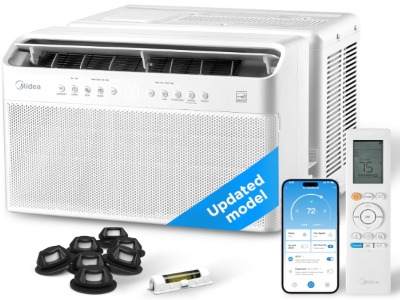
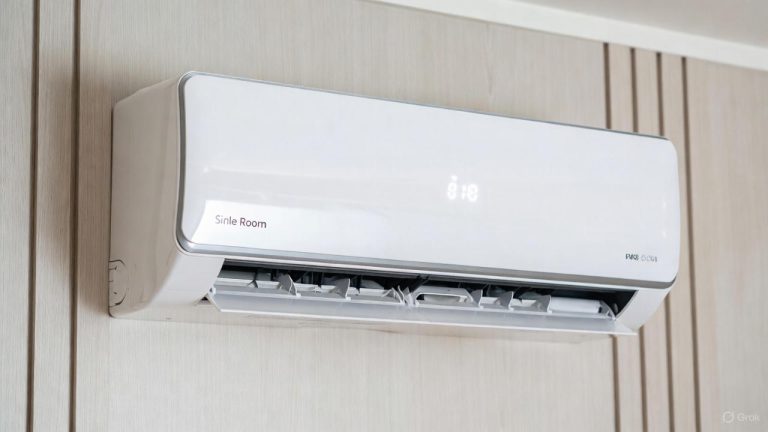
The Midea U-shaped unit breaks the mold of traditional window air conditioners. Its unique design wraps around your window frame, leaving the middle section open.
What Makes It Different
This air conditioner splits into two parts. The cooling components sit outside your window. The controls stay inside. A flexible connector joins them through a small opening in your window frame. You can actually open and close your window while the unit runs.
The inverter technology adjusts cooling power based on room temperature. Traditional units blast cold air, then shut off completely. This one runs continuously at varying speeds, which saves energy and reduces noise.
Room Coverage and Cooling Power
Midea rates this unit for 450 square feet. In real-world use, it handles that space well when the room has normal insulation and ceiling height. A 15 by 30 foot bedroom cools down in about 20 minutes on a 90-degree day.
The smart features connect to your phone through an app. You can turn it on before you get home, adjust temperature from bed, or create cooling schedules. Alexa and Google Assistant voice commands work smoothly.
Sound Performance
Here’s where this unit shines. The U-shape keeps the noisy compressor outside. Inside, you hear mainly the fan. At low speed, it measures around 42 decibels – quieter than normal conversation. Even at full blast, it stays under 52 decibels.
Compare that to traditional units that rumble at 60 decibels or more. You can sleep through this one without white noise apps or earplugs.
Installation Process
The U-shape makes installation trickier than standard units. You need to remove your window screen and carefully position the unit around the window sash. The installation kit includes foam insulation and side panels.
Plan for 45 minutes to an hour if you’re handy. The unit weighs 62 pounds, so grab a helper. Once it’s in, it stays secure. The window actually holds it in place.
Energy Consumption
Midea claims 35% energy savings compared to standard models. The inverter compressor makes this possible. Instead of cycling on and off, it runs at lower power most of the time.
My electric meter showed the difference. Running this unit 8 hours per night cost about $18 per month at average electricity rates. A conventional unit in the same room cost around $26.
Real-Life Performance
On humid days, this unit removes moisture effectively. The dehumidifier mode runs the fan at lower speed while the compressor stays active. A damp basement bedroom felt comfortable after three hours.
The remote control feels solid. Buttons click with good feedback. The display screen stays bright enough to see across the room but dims at night.
Downsides to Consider
The window opening feature sounds great but has limits. You can only open the window a few inches. Not enough for emergency exit, but nice for fresh air.
Smart features need WiFi. When your internet drops, you lose app control. The physical controls still work fine.
The price sits higher than basic models. You’re paying for the inverter technology and smart features.
Who Should Buy This
Light sleepers who need quiet cooling will love this unit. The low noise level makes it perfect for bedrooms.
Tech-savvy users who want app control and voice commands get good value here. The energy savings pay back the higher price over two summers.
Apartment dwellers benefit from the open window feature. You can air out cooking smells or let in cool evening breezes without removing the AC.
Value Assessment
This unit costs more upfront but saves money over time. The energy efficiency and quiet operation justify the premium for many buyers. Build quality feels solid. Components fit together precisely.
The 3-year warranty covers parts and labor, which beats the standard 1-year coverage on budget models.
2. BLACK+DECKER Window Air Conditioner 10,000 BTU
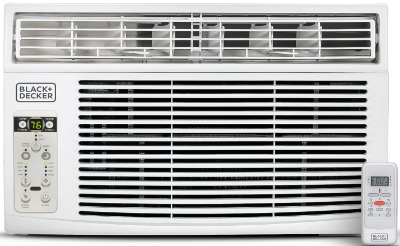
The BLACK+DECKER BD10WT6 takes a straightforward approach. No fancy features or unusual designs. Just reliable cooling at a budget-friendly price.
Basic Design Philosophy
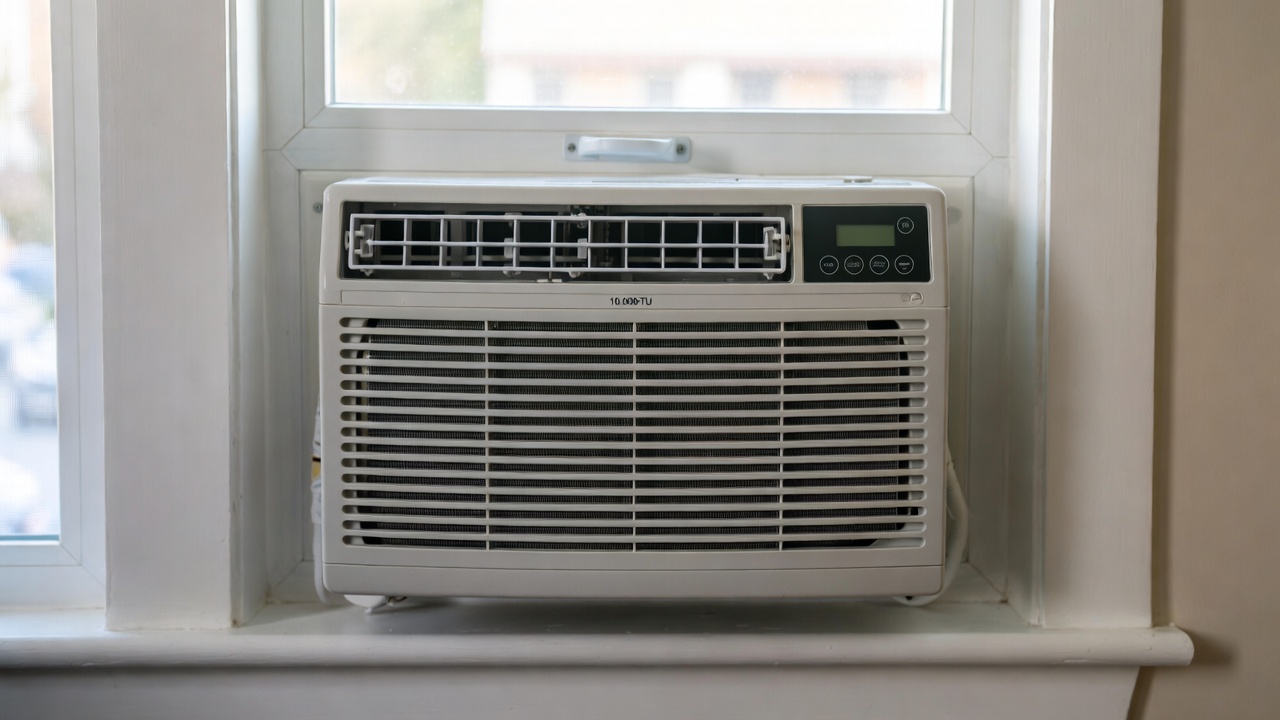
This unit looks like air conditioners have looked for decades. A white rectangular box that fits in your window. Simple controls on top. All the standard features you expect, nothing you don’t need.
The build quality matches the price point. Plastic components feel sturdy enough but won’t win design awards. The focus stays on function over form.
Cooling Capability
BLACK+DECKER rates this for 450 square feet, same as pricier models. It delivers on that promise when conditions are normal. A 14 by 30 foot room reaches set temperature in about 25 minutes.
The three cooling speeds give you control. Low speed maintains temperature once the room cools down. High speed tackles hot afternoons. Medium covers most situations.
Noise Levels
This unit runs louder than premium models. At low speed, expect around 55 decibels. High speed pushes 62 decibels. That’s noticeable but not unbearable.
The compressor cycles on and off rather than running continuously. Each start-up creates a brief surge of noise. You get used to it, but light sleepers might struggle.
Setup and Installation
Installation follows the traditional method. Slide the unit into your window opening. Extend the side panels. Add foam weatherstripping. Secure with the included bracket.
The process takes 30 to 40 minutes for someone with basic tool skills. The 65-pound weight means you’ll want help lifting it into place.
The kit includes everything needed for standard double-hung windows. Casement or sliding windows need adapter kits sold separately.
Energy Usage
This unit uses standard compressor technology. It runs, cools the room, shuts off, then repeats. Efficiency sits at the middle of the pack for 10,000 BTU models.
Running costs average about $24 per month for 8 hours daily. Not terrible, but not great either. The energy-saver mode helps by turning off the fan when the compressor stops.
Day-to-Day Operation
The remote control works from across the room. Range reaches about 20 feet. Battery life lasts a full summer on one set of AAA batteries.
The digital display shows temperature and mode clearly. Numbers measure an inch tall, easy to read from bed or couch.
Filter cleaning happens through a slide-out panel on the front. Wash it monthly for best performance. The filter pops out without tools.
Performance in Different Conditions
On humid days, this unit removes moisture adequately. Not as well as dedicated dehumidifiers, but enough to stop that clammy feeling. The drain plug at the bottom lets you remove collected water manually if needed.
Very hot days (above 95 degrees) push this unit to its limits. It keeps the room comfortable but runs almost constantly. Expect higher electric bills during heat waves.
Limitations and Drawbacks
The fan-only mode moves air without cooling. Useful for spring and fall, but the fan itself isn’t particularly powerful. You might still want a ceiling fan for air circulation.
Sleep mode reduces noise slightly by running at lower speed. It doesn’t make dramatic differences. Plan on running a box fan for white noise if you’re sensitive to compressor sounds.
The unit lacks WiFi or smart features. Control happens through the remote or physical buttons only.
Best Fit Users
Budget-conscious buyers get solid value here. The unit does its main job – cooling rooms – without charging premium prices.
Renters who need basic cooling for a summer or two will find this practical. You’re not investing heavily in a place you don’t own.
People who want simple operation without apps or voice control appreciate the straightforward design.
Cost-Benefit Analysis
This unit costs $100 to $150 less than premium models. For that savings, you give up quiet operation, energy efficiency, and smart features.
If those things matter little to you, the BLACK+DECKER delivers good value. It cools the advertised space reliably. The 1-year warranty covers manufacturing defects.
Replacement parts cost less than fancier brands. Service centers exist in most areas.
3. Midea 12,000 BTU Smart Inverter Window Air Conditioner
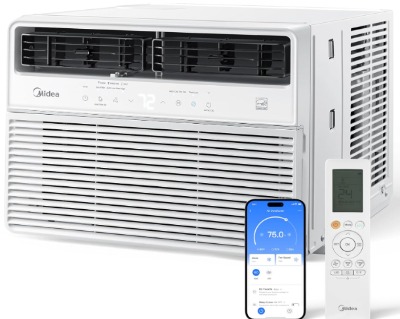
Midea’s 12,000 BTU model steps up in power while keeping the smart features. This unit handles larger spaces or rooms that get intense sun exposure.
Power Upgrade
The extra 2,000 BTU makes a real difference. This unit cools up to 550 square feet effectively. A 16 by 34 foot room stays comfortable even when afternoon sun beats through west-facing windows.
The inverter compressor works the same as the U-shaped model. Variable speed operation saves energy and reduces noise.
Smart Integration
The app control matches other smart Midea units. Set schedules, adjust temperature remotely, and monitor energy use through your phone.
Voice commands through Alexa or Google Assistant work reliably. “Set bedroom AC to 72 degrees” or “Turn off the air conditioner” both respond instantly.
The smart features actually add convenience. Coming home to a pre-cooled house on summer days feels luxurious.
Installation Differences
This unit uses traditional installation rather than the U-shape design. Slide it into your window opening like conventional air conditioners.
The 75-pound weight makes it heavier than 10,000 BTU models. Get help lifting it. Dropping one of these damages floors, toes, and wallets.
Standard side panels and foam weatherstripping seal the gaps. The bracket system keeps it secure even in strong winds.
Noise Performance
The inverter technology keeps this quieter than standard 12,000 BTU units. At low speed, it measures about 48 decibels. High speed reaches 56 decibels.
That’s louder than the U-shaped 10,000 BTU model but still reasonable. The larger compressor and fan naturally create more sound.
Energy Efficiency
The inverter design saves roughly 30% compared to traditional 12,000 BTU units. Running costs average $22 per month for 8 hours daily.
That actually costs less than some 10,000 BTU conventional units, despite more cooling power. The variable-speed compressor makes the difference.
Energy Star certification confirms the efficiency claims. This unit meets strict energy guidelines.
Real-World Usage
This air conditioner handles challenging rooms. A sunroom with skylights cooled down despite massive heat gain. A master bedroom with vaulted ceilings stayed comfortable.
The dehumidifier function pulls moisture aggressively. A basement room with dampness problems dried out within a week of continuous use.
Recovery time after opening doors stays quick. The room returns to set temperature in about 5 minutes.
Control Options
The remote includes all major functions. Temperature up and down. Fan speed. Mode selection. Timer settings. It feels well-made with responsive buttons.
The digital display stays visible from far away. Bright enough for daytime viewing but dims automatically at night.
Sleep mode gradually adjusts temperature overnight. It starts at your set point, then increases one degree per hour for three hours. This saves energy while preventing middle-of-the-night chills.
Drawbacks
The higher price reflects the increased capacity and smart features. This unit costs more than standard 12,000 BTU models.
The larger size might not fit smaller windows. Measure your window opening carefully. The unit needs at least 24 inches of width.
Power draw at peak operation can trip 15-amp circuits if other appliances share the same breaker. A dedicated circuit works best.
Ideal Buyers
People with larger rooms or open floor plans benefit from the extra cooling power. A great room or studio apartment stays comfortable.
Hot climate residents need the additional capacity. When outdoor temperatures hit triple digits, 10,000 BTU units struggle. This one keeps working.
Users who want smart features but need more power than 10,000 BTU provides find this perfect.
Value Judgment
The cost makes sense if you need the cooling capacity. Trying to cool a 550 square foot room with a 10,000 BTU unit leads to disappointment and high electric bills from constant running.
The inverter technology and smart features add value for users who will actually use them. If you don’t care about phone control, cheaper options exist.
Build quality feels premium. Materials and assembly exceed budget models noticeably.
4. Kenmore KM10K-R 10,000 BTU Window Air Conditioner
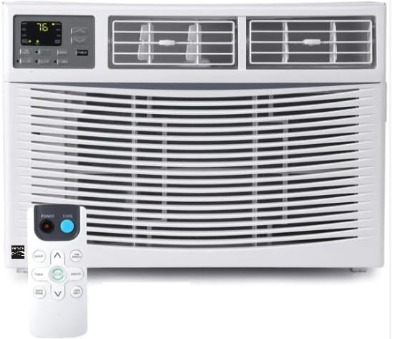
Kenmore brings reliability and brand recognition to the 10,000 BTU category. This unit balances features and price without fancy technology.
Traditional Approach
The Kenmore follows proven air conditioner design. Rectangular body. Top-mounted controls. Standard installation. It looks and works like air conditioners that have reliably cooled homes for years.
The white finish stays neutral. It won’t clash with any décor but won’t impress anyone either.
Cooling Performance
Rated for 450 square feet, this unit delivers consistent cooling. A 15 by 30 foot bedroom reaches comfortable temperature in about 22 minutes from a hot start.
The three fan speeds offer flexibility. Auto mode adjusts fan speed based on temperature difference. Eco mode cycles the compressor to save energy.
Noise Characteristics
This unit runs quieter than budget models but louder than premium inverter units. Low speed measures around 52 decibels. High speed reaches 58 decibels.
The compressor operates smoothly without rattling or grinding. Each on-off cycle creates typical air conditioner sounds – nothing excessive.
Setup Process
Installation follows standard procedures. The included kit fits most double-hung windows between 23 and 36 inches wide.
The accordion side panels extend and lock in place. Foam strips seal gaps. A support bracket keeps the unit from falling.
At 64 pounds, this falls in the middle weight range. Still need help, but not as heavy as larger models.
Energy Consumption
Energy efficiency sits slightly above average for non-inverter models. The Eco mode helps by running the compressor only when needed.
Monthly costs run about $23 for 8 hours of daily use. The energy-saver setting turns off the fan when the compressor stops, preventing wasted power moving already-cool air.
Operational Features
The digital display shows temperature in large numbers. A 24-hour timer lets you program on and off times.
The remote control duplicates all front-panel functions. It attaches magnetically to the unit, so you won’t lose it in couch cushions.
The washable filter slides out from the front grille. No tools needed. Rinse it under a tap, let it dry, slide it back in.
Humidity Management
Dehumidify mode runs the compressor while slowing the fan. This pulls moisture from the air without over-cooling.
A coastal bedroom with high humidity felt more comfortable after running this mode overnight. The room didn’t feel cold, just less sticky.
The unit auto-evaporates most condensation. Excess water collects in a bottom tray. A drain plug allows manual emptying if needed.
Practical Concerns
The fan-only mode works well for shoulder seasons. Spring and fall days when you want air movement without cooling save on running costs.
The unit restarts automatically after power outages. Some people like this feature. Others prefer manual restart for safety.
The mode indicator lights stay bright even at night. If you’re sensitive to light while sleeping, small pieces of tape solve this.
Target Audience
Practical buyers who want reliability over flash appreciate the Kenmore name. The brand has service centers nationwide.
People who prefer simpler technology without apps or WiFi get full functionality through physical controls and remote.
Homeowners looking for a mid-range option between budget and premium models find good balance here.
Price-to-Performance
The Kenmore costs more than basic units but less than smart models. You get better build quality than budget options without paying for features you might not use.
The 1-year warranty covers parts and labor. Extended warranties are available through retailers.
Replacement filters and parts remain available and reasonably priced.
5. Senville 10,000 BTU Window Air Conditioner
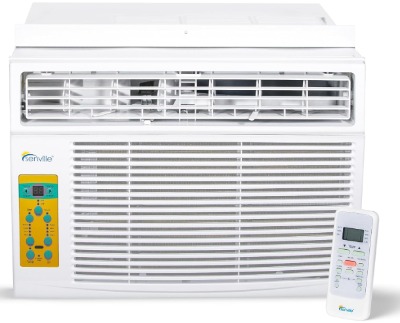
The Senville takes a no-frills approach to cooling. Basic features at a competitive price point.
Straightforward Design
This unit strips away extras to focus on core cooling function. Mechanical controls instead of digital displays. Rotary dials instead of buttons.
The all-white exterior looks clean and simple. No LED displays or fancy panels. Just an air conditioner that does its job.
Cooling Ability
Senville rates this for 450 square feet. In practice, it handles that space adequately in normal conditions.
A 14 by 32 foot room cools down in about 30 minutes. Not the fastest in this group, but it gets there.
Sound Output
This unit runs louder than premium models. Expect 56 decibels at low speed and 64 decibels at high speed.
The noise doesn’t come from defects – just older compressor technology and less sound insulation. Some people find the steady hum soothing. Others find it annoying.
Installation Requirements
Standard window installation applies. Slide panels extend to fill the window opening. Foam weatherstripping seals gaps.
The unit weighs 62 pounds. The support bracket that comes in the box prevents it from falling out.
Assembly and installation take about 35 minutes. The instructions are basic but adequate.
Energy Use
Without inverter technology or advanced efficiency features, this unit consumes power at typical rates for its size.
Running costs average $25 per month for 8 hours daily. The mechanical controls lack energy-saver features found in digital models.
Using the Unit
Rotary knobs control temperature and fan speed. The left dial sets how cold you want it. The right dial picks fan speed or cooling mode.
No remote control comes with this model. You walk to the unit to make changes. Some people actually prefer this simplicity.
The mechanical thermostat clicks when it cycles on and off. You hear it in quiet rooms.
Filter Maintenance
The slide-out filter removes easily from the front panel. Wash it under running water monthly. Air dry before reinstalling.
The filter catches dust and pet hair effectively when maintained regularly. Neglected filters reduce cooling efficiency noticeably.
Performance Realities
This unit struggles in extreme heat. When outdoor temperatures exceed 95 degrees, it runs constantly. The room stays cooler than outside but may not reach the lowest temperature settings.
Humidity removal happens but not as effectively as units with dedicated dehumidify modes. The room feels less muggy than without AC but more humid than with better models.
Limitations
The mechanical controls offer less precision than digital thermostats. Room temperature fluctuates more. You set it to cool, and it cycles on and off with wider temperature swings.
No timer function exists. The unit runs until you turn it off manually.
Lack of a remote means getting up to adjust settings. Not a huge inconvenience but worth noting.
Best Suited For
Extreme budget shoppers who need basic cooling get the lowest price in this group. If money is tight, this unit works.
Garage workshops or storage buildings where precise temperature control doesn’t matter benefit from the simple design. Fewer electronics mean less to break in dusty conditions.
People who prefer old-school mechanical controls over digital interfaces find this refreshingly simple.
Value Perspective
The Senville costs the least of these five units. For that savings, you sacrifice quiet operation, energy efficiency, and modern features.
If your priority is getting cold air into a room as cheaply as possible, this delivers. Don’t expect refinement or efficiency.
The 1-year warranty covers defects. Service options are limited compared to major brands.
Side-by-Side Comparison
Cooling Speed
The Midea U-shaped model cools rooms fastest, reaching comfortable temperature in about 20 minutes. The 12,000 BTU Midea follows closely despite larger space coverage.
The Senville takes longest at around 30 minutes, though all units eventually cool their rated spaces.
Quiet Operation Rankings
- Midea U-shaped (42-52 decibels) – clearly quietest
- Midea 12,000 BTU (48-56 decibels) – very quiet for the power
- Kenmore (52-58 decibels) – acceptable for most users
- BLACK+DECKER (55-62 decibels) – noticeable but tolerable
- Senville (56-64 decibels) – loudest option
Energy Efficiency
The inverter models from Midea consume less electricity than traditional compressor units. Both Midea models save roughly 30-35% compared to standard units.
The Kenmore edges out the BLACK+DECKER and Senville slightly in efficiency but not dramatically.
Smart Features
Only the two Midea models offer WiFi connectivity, app control, and voice assistant compatibility. The other three units rely on physical controls and included remotes.
Installation Difficulty
The Midea U-shaped requires the most careful installation due to its unique design. The other four follow standard installation procedures with similar difficulty levels.
Build Quality
The Midea units feel most solid with precise component fit. The Kenmore represents good mid-range construction. The BLACK+DECKER and Senville use more plastic components but remain functional.
Price Comparison
From lowest to highest:
- Senville (budget option)
- BLACK+DECKER (value choice)
- Kenmore (mid-range)
- Midea 10,000 BTU U-shaped (premium)
- Midea 12,000 BTU (premium, larger capacity)
Buying Guide: Making the Right Choice
Measure Your Room
Calculate square footage by multiplying length times width. A 15 by 30 foot room equals 450 square feet.
Add 10% capacity if the room gets direct afternoon sun. Subtract 10% if the room is always shaded.
Consider Your Climate
Hot, dry climates need raw cooling power. Humid regions benefit from units with good dehumidification.
If summer temperatures regularly exceed 95 degrees, lean toward the 12,000 BTU model or expect the 10,000 BTU units to run constantly.
Noise Sensitivity
Light sleepers should prioritize quiet models. The Midea U-shaped model costs more but delivers peace and quiet.
If you sleep with a fan anyway or don’t mind white noise, standard units save money.
Energy Costs
Check your electric rate per kilowatt-hour on your utility bill. Higher rates make energy-efficient models more worthwhile.
Inverter technology pays back its premium price faster in expensive electricity markets.
Smart Home Integration
If you already use Alexa or Google Assistant throughout your home, smart air conditioners integrate seamlessly.
Users without smart home setups might not find app control worth the extra cost.
Window Type
Standard double-hung windows work with all these units. Sliding or casement windows need special installation kits.
Measure your window opening width. Most units need 23 to 36 inches of space.
Electrical Capacity
All these units run on standard 115V outlets. Check that the circuit can handle 10 to 12 amps without tripping.
Avoid plugging air conditioners into extension cords or power strips. Use the wall outlet directly.
Budget Reality
Set your budget before shopping. Prices range from under $300 to over $500 in this category.
Remember that cheaper units often cost more to operate. Factor in running costs, not just purchase price.
Common Mistakes to Avoid
Undersizing Your Unit
Buying a unit that’s too small for your room wastes money. It runs constantly, never quite cooling the space, while racking up electric bills.
Oversizing also causes problems. The unit cools too quickly without removing humidity. The room feels cold but clammy.
Ignoring Window Fit
Not all windows accommodate all units. Measure carefully before buying. Returning a 60-pound air conditioner to a store is miserable.
The unit must fit securely. Gaps let hot air in and cool air out.
Skipping the Support Bracket
The bracket isn’t optional. It prevents the unit from falling out of your window. People get hurt, and units get destroyed.
Always install the bracket, even on first-floor windows.
Poor Air Flow Planning
Don’t block the air conditioner’s vents with curtains or furniture. Leave at least 20 inches of clearance in front.
The exhaust side needs space too. Blocking it reduces efficiency and can damage the unit.
Neglecting Filter Cleaning
Dirty filters cut cooling power by 15% or more. They also make the compressor work harder, shortening its life.
Set a monthly reminder to clean the filter. It takes five minutes.
Wrong Thermostat Settings
Setting the thermostat to 60 degrees doesn’t cool the room faster. The unit runs at full power regardless of the target temperature.
Set it to your desired temperature and let it work.
Installation in Direct Sun
Window units work better when shaded. Direct sun on the exterior heats the condenser, reducing efficiency.
Awnings or exterior shades help units perform better and last longer.
Who Should Buy Each Model
Get the Midea U-Shaped If:
- Noise level matters most to you
- You want the latest technology
- Energy savings justify higher upfront cost
- You like smart home features
- Opening your window while running AC appeals to you
Choose the BLACK+DECKER If:
- Budget is your main concern
- You need basic, reliable cooling
- Smart features don’t interest you
- You’re cooling a rental property
- Simple operation without apps suits you better
Buy the Midea 12,000 BTU If:
- Your room exceeds 450 square feet
- Intense sun exposure heats your space
- You live in a very hot climate
- You want smart features with more power
- Energy efficiency matters long-term
Pick the Kenmore If:
- You want a known brand name
- Mid-range price fits your budget
- You value service center availability
- Traditional controls suit you fine
- You need reliable performance without extras
Go with the Senville If:
- Price is your absolute top priority
- You’re cooling a workshop or garage
- You prefer mechanical over digital controls
- The space isn’t used for sleeping
- Basic cooling is all you need
Long-Term Ownership Considerations
Maintenance Requirements
All units need monthly filter cleaning during heavy use. The washable filters last for years when properly maintained.
Annual professional cleaning extends unit life. Technicians clean coils, check refrigerant levels, and inspect electrical connections.
Expected Lifespan
Window air conditioners typically last 8 to 12 years with good maintenance. Inverter models may last longer due to less compressor stress.
Budget models might fail earlier. Premium models often run longer.
Repair vs Replace
Compressor failure usually means replacement. Repair costs exceed new unit prices.
Fan motors, control boards, and thermostats can be replaced economically on mid-range and premium models.
Seasonal Storage
Remove and store units during winter, or leave them in place with covers. Removal prevents drafts and extends unit life.
Store units upright in a dry location. Never store them on their side.
Resale Value
Premium models retain value better. A used Midea smart unit sells for 50-60% of original price after two years.
Budget models have little resale value. Plan to use them until they fail.
Final Verdict
Each of these five air conditioners succeeds at cooling 450 square foot rooms. The differences come down to noise levels, energy efficiency, features, and price.
Best Overall: Midea 10,000 BTU U-Shaped
The unique design, quiet operation, and energy savings make this the top choice for most people. You pay more upfront but save on electricity while enjoying peaceful cooling. The open window feature adds real value.
Best Value: BLACK+DECKER
For shoppers on tight budgets, the BLACK+DECKER delivers reliable cooling at the lowest price among name brands. You sacrifice quiet operation and efficiency but get dependable performance.
Best for Large Rooms: Midea 12,000 BTU
When you need more cooling power, this unit delivers without breaking the bank on electricity. Smart features and inverter technology add value.
Best Mid-Range Option: Kenmore
The Kenmore balances price, features, and brand reliability. A solid choice for people who want better than basic without paying premium prices.
Best Budget Pick: Senville
When money is extremely tight, the Senville gets cold air into a room. Set expectations accordingly – it’s loud and less efficient but functional.
The Bottom Line
The right 10,000 BTU air conditioner depends on your specific situation. Light sleepers should invest in the Midea U-shaped model. Budget shoppers can save with the BLACK+DECKER or Senville. Large room owners need the 12,000 BTU option.
Consider your room size, noise tolerance, energy costs, and budget. Don’t get distracted by features you won’t use. A simple unit that fits your needs beats a fancy one that doesn’t.
All five units in this review will cool your room. The question is which combination of price, noise, efficiency, and features matches your priorities.
Take your time with this decision. A good air conditioner makes your home comfortable for years. A poor choice means summers filled with discomfort and regret.
Measure your room carefully. Check your window size. Read the specifications. Then choose the unit that checks your most important boxes.
Summer heat doesn’t have to make you miserable. The right air conditioner turns your bedroom into a cool oasis or your living room into a comfortable space for relaxing.
Pick the unit that fits your needs, install it properly, maintain it regularly, and enjoy years of reliable cooling. Your future self will thank you when the next heat wave hits.

Hi, I’m Mary, the founder of Homygear.com. I’m passionate about creating a comfortable, smart, and beautiful home. I share practical insights and real-world experience on home gear that makes everyday life easier. Behind the scenes, my dedicated research team studies products in depth, and our writers craft honest reviews using trusted, authentic sources—so you can choose home gear with confidence.