5 Best Air Purifier for Small Room In 2026
Breathing clean air in your home matters more than most people think. Dust, pet dander, smoke, mold spores, and allergens float around every single day. In a small room, they have nowhere to go. That makes finding the best air purifier for small room setups one of the smartest things you can do for your health and sleep quality.
But here is the thing: not every air purifier is built the same. Some use HEPA filters. Some use UV-C light. Some run so quietly you forget they are even on. And some look so sleek they actually add to your decor.
The good news? You do not need to spend a fortune or do hours of research. This guide does all the heavy lifting for you.
We have reviewed five popular air purifiers that work great in small spaces — bedrooms, dorm rooms, home offices, pet rooms, and kitchens. For each one, we break down what it does, who it is best for, what works, and what could be better.
By the end, you will know exactly which one fits your space, your budget, and your lifestyle.
Let’s get into it.
Top Product List
Why Air Quality in Small Rooms Deserves More Attention
Small rooms tend to trap pollutants more easily than large open spaces. A bedroom with the door closed, a dorm room with limited ventilation, or a home office tucked in a corner — these spaces collect airborne particles fast.
Common indoor air pollutants include:
- Pet hair and dander — a major trigger for allergy sufferers
- Dust and dust mites — present in almost every home
- Smoke particles — from cigarettes, cooking, or nearby wildfires
- Mold spores — especially in humid climates
- VOCs (volatile organic compounds) — released from furniture, paint, and cleaning products
- Bacteria and viruses — circulating through the air
A good compact air purifier with a true HEPA filter can capture particles as small as 0.3 microns. That means most of the harmful stuff floating in your air gets trapped before you breathe it in. The result is better sleep, fewer allergy flare-ups, and a fresher-smelling room.
Now let us look at the five best options available right now.
The 5 Best Air Purifiers for Small Rooms: Quick Overview
| Product | Best For | Coverage | Noise Level |
|---|---|---|---|
| YARIKI P60 Air Purifier (2 Pack) | Sleep, aromatherapy, pets | Small rooms | 24dB ultra-quiet |
| DH-JHD07 True H13 HEPA Purifier | Air quality awareness, pets | Up to 1095 sq ft | Low |
| Dyson Hushjet Compact Purifier | Premium performance, pets | Whole room | Whisper-quiet |
| LabCharge Ionic Air Purifier (5 Pack) | Multi-room budget coverage | 250 sq ft per unit | Silent |
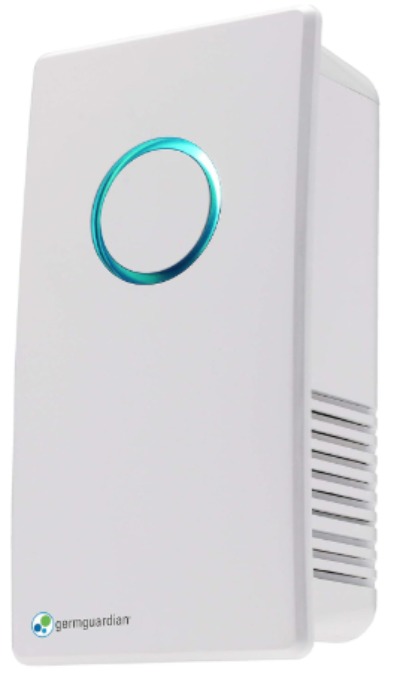
| Germ Guardian GG1100W Pluggable | Germicidal, odors, plug-in convenience | Small rooms | Low |
Product Reviews: Best Air Purifier for Small Room
1. YARIKI P60 Air Purifier for Bedroom (2 Pack, Black) — Best for Sleep and Aromatherapy
Overview
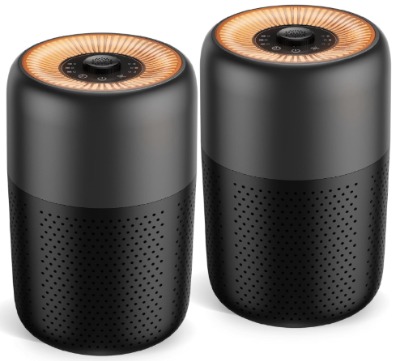
The YARIKI P60 comes as a two-pack, which is a rare and genuinely useful deal. These compact units are built specifically for small rooms — bedrooms, dorm rooms, pet areas, and kitchens. They stand out for their ultra-quiet operation at just 24 decibels, which is barely above a whisper.
They also come with an aromatherapy function, meaning you can add a few drops of your favorite essential oil and enjoy scented, clean air at the same time. It is a nice touch that many competitors skip entirely.
Key Features Explained Simply
- 24dB Low Noise: At 24 decibels, this purifier is one of the quietest units you will find. For context, a quiet library sits at around 30dB. You can run this all night without hearing a thing.
- Aromatherapy Function: There is a small essential oil pad built into the unit. Add a drop of lavender or eucalyptus, and the fan distributes the scent gently through the room.
- Nightlight Feature: A soft LED nightlight is built in. It is dimmable, so it works for adults who want zero light and kids who need a bit of glow.
- Speed Control: You get multiple fan speed settings to adjust airflow based on how clean the air feels or how much noise you want.
- Compact Design: These are small enough to sit on a nightstand or desk without taking up much space.
Best Use Cases
The YARIKI P60 is ideal for anyone who wants a light-duty purifier that handles everyday indoor air issues. It works well in:
- Bedrooms where you want silence while sleeping
- Pet rooms that need odor management
- Dorm rooms with limited space
- Kitchens with occasional cooking smells
Real-Life Usage Insight
Run this on the lowest speed setting at night and you will genuinely not hear it. The nightlight is soft and warm — not jarring or blue-tinted. If you have pets, the filter does a solid job with dander and light hair particles. The two-pack value is excellent, letting you place one in the bedroom and one in another small space like a home office or bathroom.
The aromatherapy function is a nice bonus, though it works best with stronger essential oils like peppermint or eucalyptus. Lighter scents like rose may not come through as clearly.
Performance Discussion
The YARIKI P60 uses a multi-layer filtration system that includes a pre-filter for larger particles, a HEPA-type filter for fine particles, and an activated carbon layer for odors. It handles dust, pet dander, and light smoke reasonably well. It is not built for heavy-duty pollution or large rooms, but for its intended use — small, everyday air cleaning in a bedroom — it performs exactly as promised.
Ease of Use
Very simple. Plug it in, press the power button, set your speed, and you are done. Replacing the filter is straightforward. No confusing apps, no smart home setup required.
Value for Money
Getting two units at a budget-friendly price makes this one of the best value picks on this list. If you need clean air in two small rooms and do not want to overspend, the YARIKI P60 pack delivers solid value.
Pros
- Extremely quiet at 24dB — great for light sleepers
- Two-pack gives excellent value
- Aromatherapy and nightlight are practical bonuses
- Compact and easy to place anywhere
- Multiple fan speeds for flexibility
Cons
- Not suited for larger rooms or heavy air pollution
- HEPA-type filter, not certified True H13 HEPA
- Aromatherapy effect is subtle, not strong
- Filter life depends on air quality in your home
Verdict: The YARIKI P60 is a solid entry-level purifier for anyone who wants quiet, clean air in their bedroom or small space. The two-pack deal makes it hard to beat for the price.
2. DH-JHD07 True H13 HEPA Air Purifier with Air Quality Display — Best for Air Quality Awareness
Overview
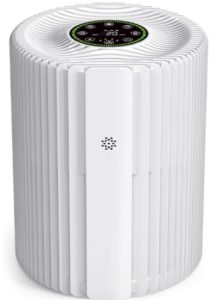
The DH-JHD07 steps things up with a True H13 HEPA filter, a 360-degree air intake and outlet design, and a real-time air quality display. It covers up to 1095 square feet, which makes it one of the more powerful options on this list.
The standout feature is the built-in air quality sensor and display. You can actually see, in real time, how clean or dirty your room’s air is — and the purifier adjusts automatically based on the reading.
Key Features Explained Simply
- True H13 HEPA Filter: This is the gold standard for air filtration. A certified True H13 HEPA filter captures 99.97% of particles 0.3 microns and larger. That includes most allergens, dust, pet dander, mold spores, and fine smoke particles.
- Air Quality Display: An LED display shows your current air quality level. Colors typically range from blue (clean) to red (poor). It is a genuinely useful feature that tells you when your purifier is working hard.
- 360° Air Intake and Outlet: Air gets pulled in from all directions around the base and pushed out from the top. This circular design means the unit cleans the air more evenly rather than just in one direction.
- Coverage Up to 1095 Sq Ft: This is impressive for a purifier in this category. It can handle a generous bedroom, a studio apartment, or a home office with room to spare.
- Suitable for Pets: The powerful filtration handles pet hair, dander, and odors effectively.
Best Use Cases
The DH-JHD07 works well in:
- Master bedrooms or larger single rooms
- Home offices where you spend long hours
- Pet-friendly spaces with shedding animals
- Dorm rooms or apartments with allergy concerns
- Spaces where you want live feedback on air quality
Real-Life Usage Insight
The air quality display is genuinely useful, not just a gimmick. You will notice the reading spike right after cooking, vacuuming, or when your pet runs through the room. The purifier kicks into a higher fan speed automatically when the air gets worse, then slows down once things are clean again. This auto mode feature saves energy and keeps noise levels manageable.
The 360-degree design means you can place it in the center of a room, in a corner, or against a wall without worrying about blocking the intake. That flexibility is a real-world advantage.
Performance Discussion
With True H13 HEPA filtration, this purifier performs at a genuinely high standard. It captures fine particles, pet allergens, smoke, and even some bacteria and viruses. The auto mode ensures it runs efficiently without you having to constantly adjust settings. For pet owners or allergy sufferers, the performance level here is noticeably better than budget HEPA-type filters.
Ease of Use
The controls are intuitive. The display is easy to read. Auto mode makes daily operation almost completely hands-off. Filter replacement is simple, and the display also indicates when a new filter is needed.
Value for Money
Given the True H13 certification, the large coverage area, the air quality display, and the auto mode, this purifier offers strong value. It sits in the mid-price range and punches well above its weight.
Pros
- True H13 HEPA — captures 99.97% of particles
- Real-time air quality display with auto mode
- 360° intake for even room coverage
- Excellent coverage up to 1095 sq ft
- Strong performance for pets and allergy sufferers
Cons
- Larger footprint than ultra-compact purifiers
- Display lighting may bother light sleepers unless dimmed
- No aromatherapy or nightlight feature
- Slightly louder on high speed
Verdict: For anyone who wants serious filtration, live air quality monitoring, and wide coverage, the DH-JHD07 is one of the most capable purifiers at its price point.
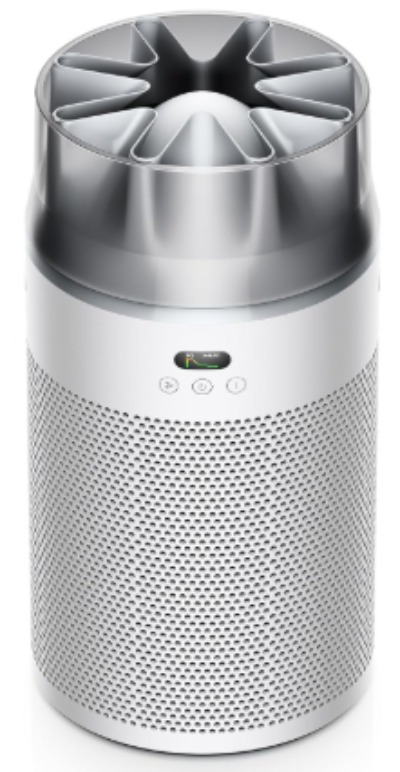
3. Dyson Hushjet Compact Purifier — Best Premium Pick for Pets and Allergies
Overview
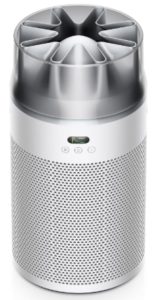
Dyson needs little introduction when it comes to home appliances. The Hushjet Compact Purifier is their answer to the demand for powerful yet whisper-quiet air purification in smaller spaces. It is engineered for whole-room cleaning, comes with fully sealed filtration, and is designed to last — Dyson claims no filter change needed for five years.
This is the premium option on this list. It costs more. But it also does more, looks better, and carries the Dyson reputation for engineering quality.
Key Features Explained Simply
- Whisper-Quiet Operation: Dyson has invested significant engineering into reducing noise. The Hushjet lives up to its name — it runs quietly enough to use while sleeping or working without distraction.
- Fully Sealed Filtration: Unlike some purifiers where air can leak around the filter, Dyson’s fully sealed design ensures every bit of air passes through the filter. No unfiltered air gets through. This matters a lot for allergy and asthma sufferers.
- 5-Year No Change Filter: The filter is rated to last five years without replacement under normal use. This is a major long-term cost saving and reduces maintenance hassle significantly.
- Whole-Room Air Purification: The Dyson Hushjet is designed to circulate and clean air throughout an entire room, not just the space immediately around the unit.
- Built for Homes with Pets and Allergies: Dyson specifically engineered this unit to handle pet dander and allergens at a high level.
- Compact Design: Despite its powerful internals, the Hushjet has a compact footprint that suits smaller rooms and modern living spaces.
Best Use Cases
The Dyson Hushjet is the right pick for:
- People with serious allergy or asthma conditions
- Pet owners with shedding dogs or cats
- Those who want a no-maintenance setup for years
- Anyone who values premium build quality and brand trust
- Bedrooms, living rooms, and offices where aesthetics matter
Real-Life Usage Insight
Dyson products consistently deliver on their performance promises, and the Hushjet is no exception. The fully sealed filtration system is a genuine differentiator. Many budget purifiers have small gaps around the filter housing that allow unfiltered air to pass through — the Dyson design eliminates this entirely.
The quiet operation is real. On lower settings, it is effectively inaudible. The compact size is genuinely compact — it fits neatly on a desk, bedside table, or shelf without dominating the space.
The five-year filter claim is backed by Dyson’s testing, though real-world filter life depends on air quality in your home. In average conditions, most users report it holds up as promised.
Performance Discussion
Dyson builds its purifiers with tight engineering tolerances, and the Hushjet reflects that. The fully sealed system ensures no air bypasses the filter. The whole-room circulation means the air in the entire room gets cleaned, not just near the unit. For pet-related allergens, smoke particles, and fine dust, the performance is top-tier.
Ease of Use
Dyson products are known for clean, simple interfaces. The Hushjet is easy to operate. No complicated setup. The long filter life means you set it up and largely forget about it for years.
Value for Money
The upfront cost is higher than the other picks on this list. But factor in the five-year filter life, the premium build quality, the fully sealed filtration, and the brand’s track record — and the total cost of ownership becomes more competitive. If you want to buy once and not worry about it, this is the pick.
Pros
- Fully sealed filtration — no air bypass
- Whisper-quiet operation
- 5-year filter life reduces ongoing costs
- Premium build quality and design
- Trusted Dyson engineering for whole-room coverage
Cons
- Higher upfront price than competitors
- No air quality display or sensor on this model
- Premium cost may not suit tight budgets
- Compact size means lower airflow than larger Dyson models
Verdict: If budget is not your primary concern and you want the best overall performance, the Dyson Hushjet is the top pick. It is quiet, powerful, low-maintenance, and built to last.
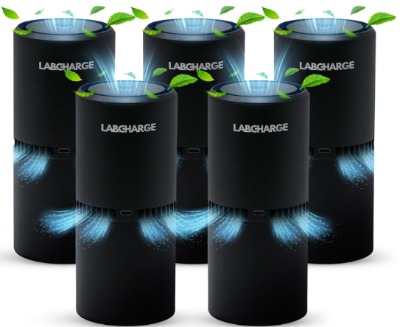
4. LabCharge Small Ionic Air Purifier (Pack of 5, Black) — Best Multi-Room Budget Solution
Overview
The LabCharge Ionic Air Purifier takes a completely different approach. Instead of one large unit, you get a pack of five compact, silent ionic purifiers. Each unit covers up to 250 square feet, and they run completely silently because they use ionic technology rather than a fan.
This is an interesting option for anyone who wants clean air in multiple small spaces at once — bathrooms, closets, a car, a laundry room, a home office — without spending a lot of money per unit.
Key Features Explained Simply
- Ionic Technology: Instead of a fan pulling air through a filter, ionic purifiers release negatively charged ions into the air. These ions attach to airborne particles (like dust, smoke, and pet dander), making them heavy enough to fall out of the air. The result is cleaner breathing air without any moving parts.
- Silent Operation: Because there is no fan, there is zero noise. Completely silent. This is a genuine advantage if you are hyper-sensitive to noise.
- HEPA Filter: Despite using ionic tech, LabCharge includes a HEPA filter to capture particles in addition to the ionic function.
- 250 Sq Ft Coverage Per Unit: Each unit handles a small-to-medium room well. With five units, you can cover your whole home.
- Compact and Black Design: These are slim, unobtrusive units that blend into any room easily.
- Handles Multiple Pollutants: Effective for pets, hair, smoke, dust, odors, and dander.
Best Use Cases
The LabCharge five-pack works especially well for:
- People who need purification in multiple small rooms
- Extremely noise-sensitive individuals or parents of light-sleeping babies
- Bathrooms, closets, and small utility rooms
- Budget-conscious households
- Renters who want a lightweight, portable solution
Real-Life Usage Insight
Ionic purifiers work best in rooms where air circulation is already decent. They are not ideal for rooms with heavy smoke or severe pollution because the ion output is gentler than a fan-driven HEPA system. For everyday dust, light pet dander, and mild odors, they do a solid job.
The five-pack value is outstanding. You can place one in every room of a small apartment and still have one left over for the car or office. The slim, black design looks clean and modern — these do not look like cheap gadgets.
One practical note: ionic purifiers release ions that cause particles to settle on nearby surfaces. You may notice a thin layer of dust on surfaces near the unit, especially in the first few weeks. Regular dusting handles this easily.
Performance Discussion
Ionic purification is a legitimate technology, but it works differently than HEPA filtration. It does not trap particles — it causes them to fall out of the air. This means they are still on your floor or furniture rather than in a filter. For true allergen removal, pairing an ionic unit with regular vacuuming and cleaning works best. For light everyday use, the performance is reasonable and perfectly adequate.
The included HEPA filter adds a layer of mechanical filtration, which is a welcome addition.
Ease of Use
These are among the easiest purifiers to use. Plug in, turn on. No buttons to worry about. No filter replacement schedule on the ionic side (though the HEPA filter should be replaced periodically).
Value for Money
Five units for the price is exceptional value. Even if ionic technology is not your primary preference, the sheer quantity and the silent operation make this a smart pick for multi-room households on a budget.
Pros
- Pack of five — covers your whole home
- Completely silent — no fan noise whatsoever
- Compact and sleek design
- Great budget value per unit
- Simple plug-in operation
Cons
- Ionic tech causes particles to settle on surfaces rather than trap them
- Less effective for heavy smoke or severe pollution
- 250 sq ft coverage per unit limits use in larger rooms
- Requires more frequent surface cleaning
Verdict: The LabCharge five-pack is the smart budget pick for anyone who needs clean air across multiple small rooms. The silent operation and value pricing make it a genuinely useful choice.
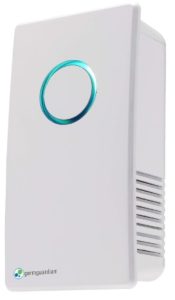
5. Germ Guardian GG1100W 7″ Pluggable Wall Air Sanitizer — Best for Germ Killing and Odors
Overview
The Germ Guardian GG1100W is unlike anything else on this list. It plugs directly into a wall outlet — no floor space required, no cords, no stand. At just 7 inches tall, it blends into the wall and quietly does its job.
The GG1100W is not primarily a particle filter. It uses UV-C light technology to kill airborne germs — bacteria, viruses, mold, and other biological threats. It also works to neutralize odors from pets, cooking, mold, and everyday home smells. If you have a small bathroom, laundry room, or entryway where germs and odors are the main concern, this is a very practical solution.
Key Features Explained Simply
- UV-C Light Technology: Ultraviolet C light is a proven germ-killing technology used in hospitals and medical settings. When air passes by the UV-C bulb inside the unit, the light disrupts the DNA of bacteria, viruses, and mold spores, effectively neutralizing them.
- Plug-in Wall Design: No shelf, no floor space, no cord management needed. It plugs into a standard outlet and sticks out about an inch from the wall. Completely out of the way.
- Freshens Air: Beyond killing germs, it helps reduce and neutralize odors — pet smells, cooking odors, mildew, and more.
- Small Room Footprint: Designed for small rooms, closets, bathrooms, and entryways.
- 1-Year Warranty: Germ Guardian backs this unit with a full one-year warranty.
Best Use Cases
The GG1100W excels in:
- Bathrooms where germ control and odor removal matter most
- Entryways and mudrooms
- Small home offices
- Kitchens with persistent cooking odors
- Bedrooms of people recovering from illness
- Closets with musty smells
Real-Life Usage Insight
The plug-in design is genuinely convenient. For spaces where you do not want any visible appliances — a bathroom, a hallway, a small laundry room — this unit solves the air quality problem without adding any clutter. You plug it in, and it simply works in the background.
The UV-C light is effective against biological contaminants. It is not a replacement for a HEPA filter when it comes to dust, pollen, or large particle allergens. But for germ reduction, mold prevention, and odor control in small spaces, it performs very well.
The unit is very light and can be moved from outlet to outlet easily. It is a good option to have in multiple rooms without purchasing a large purifier for each one.
Performance Discussion
UV-C technology works best when air circulates past the light bulb. The GG1100W has a small built-in fan that draws air through the unit. The UV-C light then neutralizes biological threats in the airstream. This works continuously and effectively for germ control. For pure particle filtration, you would want to pair this with a HEPA-type unit in the same room — but for its intended purpose, performance is strong.
Ease of Use
Extremely easy. Plug in and switch on. There are no complex controls. The UV-C bulb will eventually need replacement (typically once a year), which is a simple process.
Value for Money
The GG1100W is one of the more affordable options on this list, and for what it does — UV-C germ killing and odor reduction in small spaces — the price-to-performance ratio is very good. If your main concern is germs and odors rather than particle filtration, this is excellent value.
Pros
- Plug-in wall design saves all floor and shelf space
- UV-C light proven to kill bacteria, viruses, and mold
- Great for odor control — pets, cooking, mold
- Very affordable entry point
- Easy to use and move between rooms
Cons
- Not primarily designed for HEPA-level particle filtration
- UV-C bulb needs annual replacement
- Small coverage area — best for very small rooms
- Some users want visible confirmation the UV-C light is working
Verdict: The Germ Guardian GG1100W is the smartest pick for anyone who wants germ control and odor reduction in small, enclosed spaces without taking up any room at all. A great complementary unit alongside a HEPA purifier.
Comparison: Which Air Purifier Is Right for You?
Now that you have seen all five products in detail, here is a clear side-by-side look to help you decide quickly.
Go with the YARIKI P60 (2-Pack) if you want ultra-quiet operation for sleeping, you like the aromatherapy feature, and you want to cover two small rooms on a budget. The 24dB noise level is one of the lowest on the market.
Go with the DH-JHD07 True H13 HEPA if you want verified True H13 filtration with real-time air quality feedback. It is the most technically capable mid-range option, especially for pet owners and allergy sufferers who want to actually see their air quality data.
Go with the Dyson Hushjet Compact if you want the absolute best performance, the quietest operation, and a set-it-and-forget-it experience. The five-year filter life alone makes a compelling case. It is the premium pick for good reason.
Go with the LabCharge Ionic 5-Pack if you need silent air cleaning in multiple rooms without spending a lot per unit. It is the most versatile option for whole-home coverage on a budget.
Go with the Germ Guardian GG1100W if your main concerns are germs, bacteria, and odors rather than particle filtration. It is the only plug-in wall unit here, and it is ideal for bathrooms, kitchens, and small enclosed spaces.
Air Purifier Buying Guide for Small Rooms
Before you spend money on any air purifier, here are the key things to think about.
Room Size and CADR Rating
CADR stands for Clean Air Delivery Rate. It tells you how fast a purifier can clean a specific volume of air. Always check the CADR rating against your actual room size. A purifier rated for 150 square feet will underperform in a 300 square foot room.
For small rooms (up to 300 sq ft), a CADR of 100–150 is typically sufficient. For medium rooms (300–600 sq ft), aim for 150–250.
Filter Type Matters a Lot
- True HEPA (H13 or higher): Captures 99.97% of particles 0.3 microns and larger. Best for allergens, pet dander, dust, and smoke.
- HEPA-Type: Similar technology but not certified to the same standard. Still effective for everyday use.
- Ionic (Ionizer): Uses ions to remove particles. Effective but particles settle rather than get trapped in a filter.
- UV-C Light: Kills germs and bacteria. Best combined with other filtration for full-spectrum protection.
- Activated Carbon: Great for odors and VOCs. Often added as a layer alongside HEPA filters.
Noise Level
For bedrooms, look for units under 30dB on their lowest setting. Most people sleep through anything below 35dB. Some purifiers, like the YARIKI P60, achieve 24dB — which is impressively quiet.
Energy Consumption
Air purifiers run 24/7 in most homes. Look for Energy Star certified models or units with low wattage on their quiet settings. Running a 10-watt purifier all day costs very little on your electricity bill. Running a 50-watt unit adds up faster.
Filter Replacement Cost
This is the ongoing cost most people forget to check. Some filters cost $20–$30 and last 6 months. Others, like Dyson’s 5-year filter, dramatically reduce this expense. Calculate the annual cost of filter replacements before making your decision.
Extra Features Worth Considering
- Air quality sensor and display: Tells you what the purifier is actually doing
- Auto mode: Adjusts fan speed based on real-time air quality
- Timer: Lets you schedule operation
- Night mode: Dims lights and runs on the quietest setting automatically
- Aromatherapy: A nice bonus for those who like scented air
Who Should Buy These Products?
Allergy and Asthma Sufferers Look for True H13 HEPA filtration. The DH-JHD07 and Dyson Hushjet are the top picks here. Fully sealed systems like Dyson’s are particularly important because they leave no gaps for unfiltered air to sneak through.
Pet Owners All five products on this list address pet-related air quality to some degree. For heavy shedders, the DH-JHD07 or Dyson Hushjet will handle the dander and hair most effectively. The YARIKI P60 handles lighter pet odor and dander well for smaller pets.
Students in Dorm Rooms Compact size and quiet operation are priorities. The YARIKI P60 (2-pack) and the LabCharge 5-pack both deliver compact, affordable, and very quiet performance suited to dorm living.
People Who Want a Low-Maintenance Solution The Dyson Hushjet wins here. Five years without a filter change is a massive convenience advantage. Set it up and focus on other things.
Anyone on a Tight Budget The YARIKI P60 two-pack and the LabCharge five-pack both give you serious coverage per dollar spent. Neither sacrifices too much performance for the price.
Germ-Conscious Individuals The Germ Guardian GG1100W is the specialist tool here. UV-C technology is the most effective method for killing airborne bacteria and viruses. Pair it with a HEPA unit for full-spectrum protection.
Common Mistakes to Avoid When Buying an Air Purifier
Buying Based on Room Coverage Alone Coverage in square footage is only one number. Also check the ACH (air changes per hour) rating. The best purifiers clean the air in a room at least 4–5 times per hour.
Ignoring Filter Replacement Costs A purifier that seems affordable might cost you $80 a year in filters. Always factor in the total cost of ownership over two to three years.
Placing the Unit in a Corner with No Airflow Air purifiers need space around them to work properly. Keep at least 18–24 inches of clearance on all sides. Placing a unit flush against a wall blocks intake and reduces performance.
Running It Only When You Notice Pollution Air purifiers work best when running continuously. Airborne particles build up steadily. Running your purifier only occasionally means you are breathing unfiltered air most of the time.
Buying Too Small for Your Space Always buy an air purifier rated for a slightly larger area than your actual room. A unit rated for 200 sq ft will struggle to keep a 200 sq ft room truly clean. Go for 250–300 sq ft capacity to clean a 200 sq ft room comfortably.
Forgetting to Replace Filters on Schedule A clogged filter does not just lose performance — it can actually push some trapped particles back into the air. Follow the manufacturer’s recommended replacement schedule.
Expecting One Purifier to Handle a Whole House A single small-room purifier cannot clean your entire home. Each room benefits from its own unit. That is exactly why multi-packs like the YARIKI P60 and LabCharge options exist.
Final Verdict: Which Air Purifier Is Best for Your Small Room?
Here is the bottom line.
The YARIKI P60 2-Pack is the best pick for most people. It is quiet, affordable, practical with its aromatherapy and nightlight features, and covers two small rooms at once. For everyday bedroom use, it hits a very sweet spot.
The DH-JHD07 steps up the filtration game with True H13 HEPA and a real-time air quality display. It is the best pick for people with allergies, pets, or a genuine interest in monitoring their indoor air quality.
The Dyson Hushjet Compact is the clear winner if budget is less of a concern and you want the most advanced, lowest-maintenance, highest-performance option available. The five-year filter life, fully sealed filtration, and whisper-quiet operation make it a premium product that truly earns its higher price.
The LabCharge Ionic 5-Pack is the smartest choice for covering multiple rooms silently on a budget. If silence is your top priority and you need purification across your entire home, nothing else on this list gives you five units at this price point.
The Germ Guardian GG1100W fills a very specific and practical role. If you need germ control and odor management in a bathroom, kitchen, or small enclosed space, the plug-in wall design and UV-C technology make it uniquely effective for that purpose.
No matter which one you pick, any of these five purifiers will make a meaningful difference to the air quality in your small room. Cleaner air means better sleep, fewer allergy symptoms, fewer odors, and a genuinely healthier living environment.
Your lungs will thank you.
Frequently Asked Questions
Do air purifiers help with pet odors in small rooms? Yes. Activated carbon filters absorb pet odors effectively. HEPA filters handle pet dander and hair. Most of the units on this list address both. The DH-JHD07, Dyson Hushjet, and YARIKI P60 are particularly strong on pet-related air issues.
How long should I run my air purifier each day? Ideally, run it continuously or at least 8–12 hours a day. On a low, quiet setting overnight is a very effective habit. Air pollution in indoor spaces builds up constantly.
Can air purifiers help with sleep quality? Yes, in two ways. First, cleaner air reduces nighttime allergy symptoms that disrupt sleep. Second, the gentle white noise from fan-based purifiers can actually improve sleep quality by masking other sounds.
Is ionic or HEPA filtration better for a bedroom? HEPA filtration is generally preferred for bedrooms because it physically traps particles. Ionic purifiers cause particles to fall on surfaces, which means they are still in your room. For allergen sufferers, HEPA is the stronger choice.
How do I know when to replace my air purifier filter? Most modern purifiers have a filter indicator light. Follow the manufacturer’s schedule — typically every 6–12 months depending on usage and air quality. Filters in smoky or high-pollution environments need more frequent replacement.
Can I use an air purifier with windows open? You can, but it reduces efficiency. The purifier will have to work harder to clean outdoor air flowing in. For best results, run it with windows closed or only slightly open.
Disclosure: Product descriptions and features are based on manufacturer information and publicly available data. Individual results may vary based on room conditions, usage habits, and local air quality.
Hi, I’m Mary, the founder of Homygear.com. I’m passionate about creating a comfortable, smart, and beautiful home. I share practical insights and real-world experience on home gear that makes everyday life easier. Behind the scenes, my dedicated research team studies products in depth, and our writers craft honest reviews using trusted, authentic sources—so you can choose home gear with confidence.