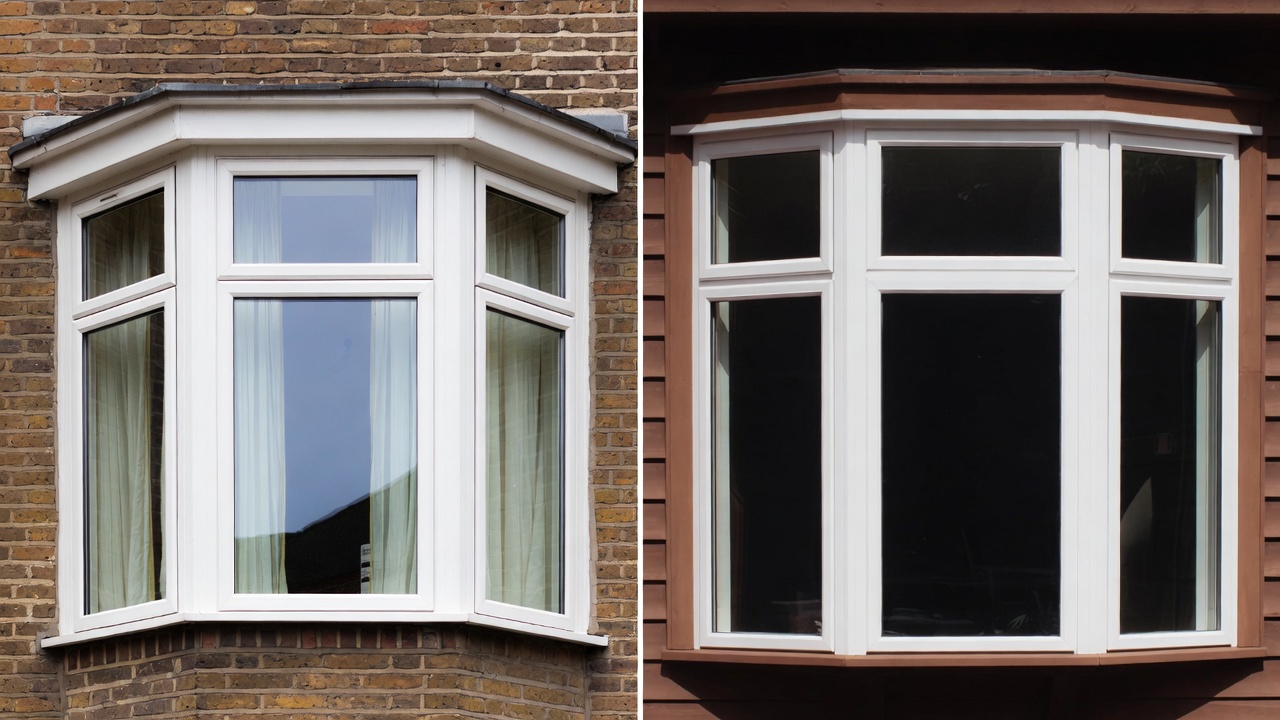
Bay vs Bow Windows
When you’re thinking about updating your home’s look or planning a renovation, windows matter more than you might think. They’re not just about letting light in or seeing outside. Windows shape how your home looks, feels, and functions. Two popular choices that homeowners love are bay windows and bow windows. But what’s the difference? Which one fits your home better? Let’s dig into this together.
What Is a Bay Window?
A bay window sticks out from the wall of your home. It creates a little nook or alcove inside your house. The bay window extension juts out from the main wall, giving you that distinctive boxy look from the outside.
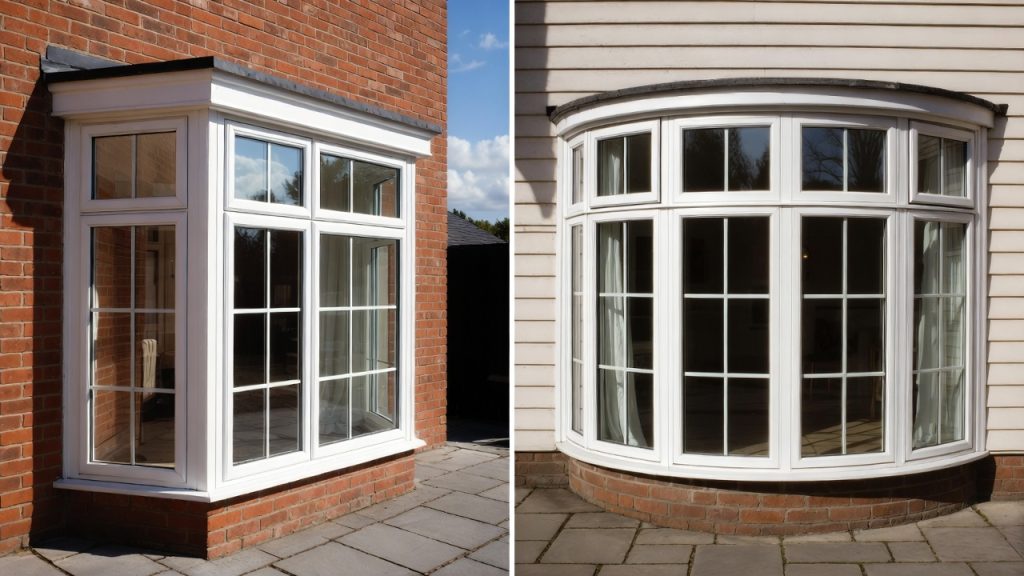
Bay windows usually have three panes. The center pane is straight, and the two side panes angle outward at roughly 45 degrees. Some bay windows have four panes, with angled side panels. The angles are what give bay windows their sharp, defined appearance.
When you look at a bay window from outside, you see its unique shape right away. It’s bold and noticeable. The window structure protrudes from your home’s exterior wall.
Inside your house, a bay window creates usable space. You get a wider sill area. Many people put cushioned seats in their bay windows. Kids love to sit there and read. Cats love to nap in the sunshine on a bay window seat. It’s cozy and practical.
Bay windows come with different glass configurations. You can get them with double-hung windows, casement windows, or fixed glass panels. This gives you options for how you want to use the space.
Benefits of Bay Windows
Bay windows give your home tons of advantages. First, you get tons of extra light. The extended design pulls light in from multiple angles. Your room feels brighter and more open.
Natural light boosts your mood. It makes rooms feel bigger than they actually are. That’s real value in a home.
Bay windows also add visual interest to your home’s exterior. They break up flat walls. Your home’s appearance becomes more dynamic. The curb appeal jumps up. Real estate agents love homes with bay windows because buyers love them too.
The interior space is another huge benefit. That bay window seat area? It’s valuable square footage. You can store blankets and pillows inside window seats. Some people use them as reading nooks. Others create little meditation spaces. The area becomes a natural focal point in your room.
Bay windows improve ventilation if you choose operable windows. You can crack them open on nice days. Air flows in from multiple angles. Your home feels fresher.
Drawbacks of Bay Windows
Bay windows aren’t perfect. They cost more than standard windows. The angled design requires custom installation. Labor costs run higher. Materials cost more.
Bay windows need regular maintenance. All those glass panels mean more glass to clean. The angles create spots where dirt and debris collect. You’ll spend more time keeping them spotless.
The interior space can be tricky to decorate around. Furniture placement becomes harder. The angles eat up usable floor space. You can’t put a regular couch against a bay window wall.
Cleaning the exterior can be a challenge. Those angles aren’t easy to reach from outside. You might need professional cleaning services.
What Is a Bow Window?
A bow window looks like a bay window’s curvy cousin. Instead of straight and angled panels, a bow window curves smoothly outward. It looks like a gentle arc, like something bent into shape.
Bow windows have more panes than bay windows. Most bow windows have four, five, or even six panes. The curves are gradual and smooth. The whole effect is rounded and elegant.
From outside, a bow window looks really special. It’s feminine and graceful. The curved profile catches people’s attention. Homeowners with bow windows often get compliments on their beautiful windows.
Inside, a bow window creates a similar space to a bay window. You get extra room. You get extra light. The space feels special. But the smooth curve makes the space feel more open. The gentle arc doesn’t have the sharp angles that bay windows have.
Bow windows work great for creating window seats. The curved design feels like a cozy embrace. Kids love to curl up in bow window seats. They’re perfect for reading, daydreaming, or watching birds outside.
Benefits of Bow Windows
Bow windows create incredible curb appeal. The curves are beautiful. They look expensive and classy. Your home stands out in the neighborhood. The architectural detail makes homes look special.
The smooth curves make the interior feel cozier. The gentle arc wraps around you. Sitting in a bow window feels like being hugged by your home. It’s a special feeling many homeowners cherish.
Bow windows let in loads of natural light. The multiple panels and curved design maximize light entry. Your rooms feel bright and cheerful. Natural light is totally free. You save on electricity costs.
The space inside feels more open compared to bay windows. The curves don’t create sharp angles that divide the space visually. Everything flows smoothly. The room feels bigger.
Bow windows work great for window treatments. Curtains and blinds hang beautifully along the curves. The aesthetic is smooth and refined. Your decorating options open up.
Drawbacks of Bow Windows
Bow windows cost more than bay windows. The curved design is complex. Manufacturing curved glass panels costs real money. Installation takes skill and time. Your budget takes a bigger hit.
They need consistent maintenance. More panes means more glass to clean. The curves make cleaning trickier. You’ll struggle to reach every spot easily.
Furniture arrangement becomes challenging. The curves eat up wall space differently than angles do. Standard furniture doesn’t fit well against curved walls. You need creative solutions.
The curved design requires more structural support. Walls need to be reinforced. Installation complexity goes up. Costs climb higher.
Bay Window vs Bow Window: Direct Comparison
Let’s put them side by side. This makes the differences crystal clear.
Design and Shape
Bay windows have a geometric, angular shape. They jut out with defined sides. The design is bold and modern. It has character and angles.
Bow windows have a smooth, curved shape. They sweep outward in a gentle arc. The design feels elegant and classic. It’s graceful and flowing.
Both create that exterior bump-out. Both create interior nooks. But the visual effect is totally different.
Installation Difficulty
Bay windows need precise angle calculations. The sides must align perfectly. Installation is tricky but straightforward. Skilled installers can handle it efficiently.
Bow windows need curved support structures. Everything must be custom-fit. Installation is complex. It requires expert craftsmanship. The job takes longer.
For your wallet, bay window installation costs less. Bow window installation runs higher.
Cost Factors
Bay windows fall into the mid-range price bracket. You’ll spend more than standard windows but less than bow windows.
Bow windows sit at the higher end. The curved design costs more. Materials cost more. Labor costs more. The total investment is significant.
Remember that costs vary by region. Local labor rates matter. Material availability affects pricing too.
Maintenance Requirements
Bay windows need regular cleaning. The multiple panes need attention. Dirt gathers in the angled corners. You’ll clean more often than with standard windows.
Bow windows need similar upkeep. More panes mean more work. The curves make some spots hard to reach. You might hire professionals.
Both require weatherproofing checks. Both need caulk inspection annually. Both benefit from protective screens during storms.
Decorating and Space Usage
Bay windows create distinct interior zones. The angles define the space clearly. Window seats fit naturally. The area feels separate from the rest of the room.
Bow windows blend into the room more smoothly. The curves feel less divisive. Space flows more naturally. The windows feel like part of the room instead of a separate feature.
For decorating, bay windows work great with modern styles. The angles fit contemporary design. Bow windows work great with classic styles. The curves fit traditional design beautifully.
Natural Light
Both bring in tons of light. Bay windows get light from multiple angles because of the design. The angles direct light differently across the day.
Bow windows also maximize light. The curves spread light evenly. The multiple panes multiply the light entry points. The effect is uniform and smooth.
Neither one is better at light. They’re just different. The light quality depends on window size and direction.
Factors to Consider When Making Your Decision
Your home’s style matters most. Look at your house. Does it have sharp lines and modern features? Bay windows fit perfectly. Does your home have curved details and classic features? Bow windows work beautifully.
Your budget is real. Bow windows cost more. Bay windows stretch your budget less far. Decide what you can spend. Then choose accordingly.
Think about your room’s purpose. Reading nooks in bedrooms? Both work great. Sitting areas in living rooms? Both shine. The difference is subtle.
Your climate matters. In snowy regions, bay windows shed snow better. The angles help snow slide off. Bow windows can accumulate snow in the curves. Think about maintenance in winter.
Your neighborhood style counts. Drive around your area. What styles do homes have? Fit in or stand out. That’s your choice. Both are valid.
How much time do you want to spend cleaning? Bay windows need moderate effort. Bow windows need a bit more. Be honest about your maintenance willingness.
Which Window Style Works Best for Different Spaces?
Bedrooms
Bedrooms are perfect for both styles. The extra light is welcome when you wake up. Window seats are ideal for reading before bed.
Bay windows create cozy bedroom nooks. The angles don’t disturb sleep. The seat area is private and tucked away.
Bow windows create romantic bedroom spaces. The curves feel luxurious. The smooth lines feel soothing. Bedrooms feel like escapes.
Both work great. Choose based on your bedroom style.
Living Rooms
Living rooms showcase windows beautifully. Both styles add architectural interest. Both create special seating areas.
Bay windows work with furniture arrangements. You can tuck a chair in that nook. The angles define the space well. Your living room layout becomes clear.
Bow windows work for open floor plans. The curves don’t interrupt the space. Everything flows together. Modern homes with open layouts love bow windows.
Kitchens
Kitchen windows need good sight lines. You want to see your yard while working. Both styles provide that.
Bay windows in kitchens are practical. The sill becomes counter space. You can set plants on the sill. Herbs grow nicely in kitchen window light.
Bow windows in kitchens feel luxurious. They make cooking feel special. The curves bring elegance to work spaces. Daily kitchen tasks feel more enjoyable.
Bathrooms
Bay windows in bathrooms are rare but delightful. You get privacy with light. Frosted glass works great. The nook becomes a spa-like retreat.
Bow windows in bathrooms are equally nice. The curves create peaceful spaces. The smooth lines feel calming. You start your day in beautiful surroundings.
Installation and Professional Help
Both window types need professional installation. This isn’t a DIY job for most people. Improper installation causes leaks, drafts, and energy waste.
Hire licensed contractors. Ask for references. Get multiple quotes. The lowest price isn’t always best. Quality installation matters for years of performance.
Bay window installation takes a few days. The wall opening needs framing. The window gets set and sealed. Drywall and finishing come next.
Bow window installation takes longer. The curved structure needs custom framing. Every detail must be precise. The timeline stretches to a week or more.
Both need proper flashing. This prevents water from entering your walls. Sealant and weatherstripping seal gaps. These details matter enormously.
Energy Efficiency Considerations
Both bay and bow windows can be energy efficient. It depends on the glass quality you choose.
Double-pane glass is standard now. Triple-pane glass costs more but saves energy. Low-emissivity coatings reduce heat transfer. Argon or krypton gas fills between panes.
Energy Star certified windows meet strict standards. They save money on heating and cooling. Your investment pays back over time.
Bay windows with efficient glass reduce energy costs. Bow windows with efficient glass do the same. The window style doesn’t determine efficiency. The glass quality does.
In cold climates, upgrading to triple-pane helps a lot. The extra layer of glass stops heat loss. You feel drafts less. Your heating bills drop.
In hot climates, low-emissivity coatings help most. They bounce sunlight away. Your air conditioning works less hard. Your cooling bills shrink.
Price Range Guide
Bay window prices vary widely. Basic bay windows start around $500 per window. Standard bay windows run $800 to $1,500 per window. Premium bay windows reach $2,000 or more per window.
Installation adds labor costs. Labor typically runs $500 to $2,000 depending on complexity.
Total investment for a single bay window? Plan on $1,500 to $4,000 installed.
Bow windows cost more. Basic bow windows start around $1,000 per window. Standard bow windows run $1,500 to $2,500 per window. Premium bow windows exceed $3,000 per window.
Installation for bow windows runs $1,000 to $3,000 due to complexity.
Total investment for a single bow window? Plan on $2,500 to $6,000 installed.
These ranges are estimates. Your actual costs depend on size, materials, and location.
Popular Styles and Trends
Bay windows remain timeless. They work with Victorian homes, modern homes, and everything in between. They never go out of style.
Bow windows feel elegant and refined. They suit classic homes and contemporary homes equally well. The curves work with many design styles.
Right now, homeowners love both equally. The trend leans toward whatever matches the home’s existing style. Authenticity matters more than following trends.
Double-hung windows within bays and bows are popular. They offer traditional looks with modern performance. Casement windows are gaining popularity too. They offer better ventilation.
Mulled windows are common. This means multiple windows joined together. The effect is clean and unified.
Real-World Examples
Many beautiful homes feature bay windows. Historic Victorian homes often have them. Modern suburban homes have them too. Farmhouse style homes showcase them beautifully.
Bow windows grace countless elegant homes. Period homes often have them. Contemporary homes use them for luxury appeal. Transitional homes use them effectively.
Both work in brick homes, vinyl-sided homes, and stone homes. The choice depends on the home’s character.
Maintenance Tips for Long-Term Care
Clean your bay or bow windows regularly. Use mild soap and water. Avoid harsh chemicals that damage seals.
Check weatherstripping annually. Replace it when it cracks or compresses. Good seals prevent energy waste.
Inspect caulking yearly. Cracks in caulk let water inside. Recaulking is affordable. Ignoring it causes expensive water damage.
Keep screens clean and in good repair. Replace torn screens. They let bugs in while broken.
In winter regions, pay attention to ice buildup. Snow can damage seals. Remove snow gently.
Tree branches touching windows should be trimmed. They scratch glass and damage frames.
Environmental Impact and Sustainability
New windows with efficient glass are better for the environment. They reduce heating and cooling needs. Less energy use means fewer emissions. You help the planet while saving money.
Recycling old windows is important. Many contractors recycle old frames. Some glass recyclers accept window glass. Ask your installer about disposal options.
Manufacturing windows uses resources and energy. But the energy savings over decades offset manufacturing impact. Efficient windows are a green choice.
Locally sourced windows reduce transportation emissions. Ask if your installer carries regional options.
Conclusion: Making Your Final Decision
Bay windows and bow windows both deserve a place in homes. They’re not just beautiful. They’re functional. They improve natural light. They create special spaces. They boost property value.
The choice between them comes down to style, budget, and maintenance preferences. Bay windows suit those who love geometric design and want to control costs. Bow windows suit those who love curves and want luxury elegance.
Visit homes that have each type if you can. See how they feel. Sit in window seats. Experience the light. Imagine yourself in those spaces.
Talk to contractors about both options. Get real numbers for your home. Understand the timeline and maintenance requirements. Then decide.
Remember that either choice is a solid one. Both add beauty and function. Both increase home value. Both create spaces that homeowners love.
Your windows should make you happy every day. Whether you go with the bold geometry of a bay window or the elegant curves of a bow window, choose the style that speaks to your heart. Your home will be more beautiful, brighter, and better because of it.
Stand in front of your home. Look at the wall where the new window will go. Can you see a bay window jutting out? Can you see a bow window curving gracefully? That mental image will guide you to the right choice.
Trust your instincts. Look at your home’s style. Consider your budget. Think about the maintenance you’re willing to do. Then make your decision with confidence. Your new window will transform your home in ways you’ll love for years to come.

Hi, I’m Mary, the founder of Homygear.com. I’m passionate about creating a comfortable, smart, and beautiful home. I share practical insights and real-world experience on home gear that makes everyday life easier. Behind the scenes, my dedicated research team studies products in depth, and our writers craft honest reviews using trusted, authentic sources—so you can choose home gear with confidence.