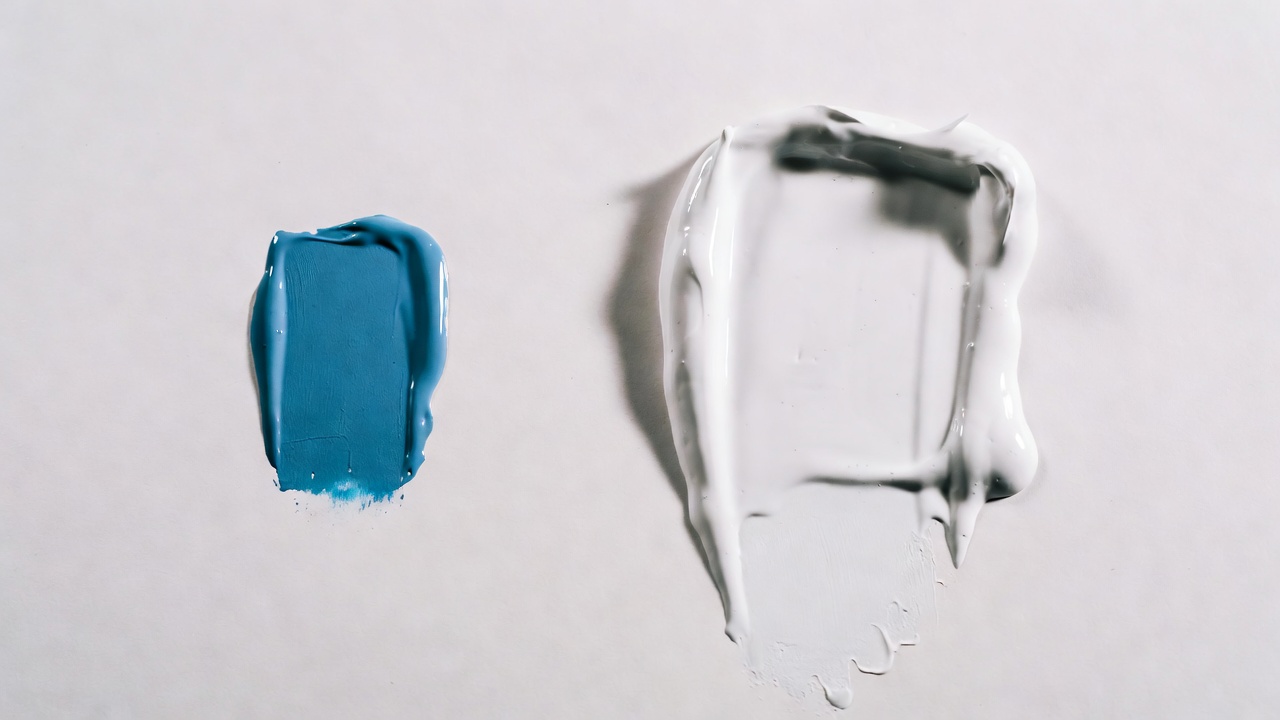
Acrylic vs Latex Paint
You’re standing in the paint aisle, staring at dozens of cans. Some say “acrylic,” others say “latex.” Your brain is already tired, and you haven’t even started painting yet.
Here’s the thing: most people use these terms without really knowing what they mean. I’m going to break it all down for you in plain English. No fancy jargon. No confusing chemical formulas. Just the facts you need to pick the right paint for your project.
What Exactly Is Latex Paint?
Let’s start with the basics. Latex paint is water-based paint. That’s the simplest way to think about it.
The name “latex” throws people off. You might think it’s made from rubber tree sap. Nope. The name comes from the rubbery binders that were originally used in these paints. These days, most latex paints don’t actually contain natural latex at all.
Latex paint uses water as its main carrier. This means you can thin it with water. You can clean your brushes with water. You can even wash fresh spills with just soap and water. Pretty convenient, right?
The paint has three main parts:
- Pigments (what gives it color)
- Binders (what makes it stick to walls)
- Water (what carries everything)
When you paint a wall with latex paint, the water evaporates. The pigments and binders stay behind, creating a tough coating on your surface. The whole drying process happens through evaporation. No chemical reactions needed.
So What’s Acrylic Paint Then?
Here’s where it gets interesting. Acrylic paint is actually a type of latex paint.
I know, I know. That sounds confusing. But stick with me.
Acrylic paint is water-based paint that uses acrylic resin as its binder. That acrylic resin is a specific type of plastic polymer. It’s super durable and flexible.
All acrylic paints are latex paints. But not all latex paints are acrylic paints.
Think of it like this: all golden retrievers are dogs, but not all dogs are golden retrievers. Same logic applies here.
Traditional latex paints might use vinyl binders or other synthetic materials. Acrylic paints specifically use acrylic polymers. Those acrylic polymers are generally considered the premium option.
The Big Differences Between Them
Now we get to the good stuff. How do these paints actually differ in real-world use?
Durability and Longevity
Acrylic paint wins this round, hands down.
The acrylic resins create a tougher finish. They resist cracking better. They don’t yellow over time like some older latex formulas. They hold up against scrubbing and cleaning without wearing away.
Regular latex paint (the kind with vinyl or other binders) is still decent. It’ll last for years in most situations. But acrylic just has better staying power.
If you’re painting something that gets a lot of wear and tear, acrylic is your friend. Kitchen cabinets, bathroom walls, exterior siding—these are all prime candidates for acrylic paint.
Flexibility When Dry
Acrylic paint stays flexible after it dries. This matters more than you might think.
Buildings shift. Wood expands and contracts with temperature changes. Surfaces move, even if you can’t see it happening.
A flexible paint moves with those changes. A rigid paint cracks. Acrylic’s flexibility means fewer cracks over time.
Standard latex paints have some flex, but acrylic takes it to another level. The acrylic polymers create a film that can stretch and compress without breaking.
Weather Resistance
Planning to paint your house exterior? Pay attention to this part.
Acrylic paint handles weather like a champ. Rain, snow, sun, humidity—it takes the beating and keeps protecting your surfaces.
The acrylic resins are naturally more water-resistant than other latex binders. They create a better barrier against moisture. They also resist UV damage better, which means less fading in bright sunlight.
Regular latex paint can work for exteriors, but you’ll probably need to repaint sooner. The finish might fade faster. It might not protect as well against moisture penetration.
How They Look on Your Walls
Both types can give you beautiful finishes. But there are subtle differences.
Acrylic paint tends to produce a smoother, more uniform finish. The coverage is often better, which might mean fewer coats needed.
The color retention is superior with acrylic. Your walls will look fresh and vibrant for longer. No gradual fading or dulling.
Regular latex paint still looks great. Don’t get me wrong. But if you’re picky about appearance and want that color to pop for years, acrylic has the edge.
The Price Tag
Here’s the catch: acrylic paint costs more.
Sometimes a lot more. You might pay double for a gallon of pure acrylic compared to basic latex.
But remember that old saying about getting what you pay for? It applies here. The extra cost buys you better durability, better coverage, and longer-lasting results.
Think about it as an investment. Spending more now might save you money later by delaying your next paint job.
Oil-Based Paint: The Third Option
We should talk about oil-based paint too, just so you understand all your options.
Oil-based paint (also called alkyd paint) is completely different from latex or acrylic. It uses mineral spirits or paint thinner as its carrier instead of water.
Oil-based paints create incredibly hard, durable finishes. They level out beautifully, leaving almost no brush marks. They’re great for trim, doors, and cabinets.
But they come with downsides. They smell strong. They take forever to dry. You need harsh chemicals for cleanup. Many areas have restrictions on them because of VOC emissions.
For most homeowners, water-based paints (latex and acrylic) are the way to go. They’re easier to work with and much more user-friendly.
When to Use Latex Paint
Regular latex paint (the non-acrylic kind) still has its place. It’s not inferior—it’s just different.
Use latex paint when:
You’re on a tight budget. Sometimes you need to paint but can’t spend a fortune. Basic latex gets the job done without breaking the bank.
You’re painting low-traffic areas. Guest bedroom? Ceiling? Closet? These spots don’t need premium durability. Standard latex works fine.
You’re doing a quick rental refresh. Landlords and property managers often use basic latex. It’s affordable and looks good enough to attract tenants.
You need fast drying times. Some latex formulas dry incredibly quickly. This can be helpful when you’re rushing to finish a project.
You’re painting interior walls with minimal moisture. Living rooms, bedrooms, hallways—these are all fine with regular latex paint.
The coverage is usually good. The finish looks nice. Cleanup is easy. For many projects, latex paint is perfectly adequate.
When to Choose Acrylic Paint
Acrylic paint shines in specific situations. Here’s when the extra cost makes sense:
Exterior projects. Your home’s exterior faces harsh conditions. Acrylic’s weather resistance and UV protection are worth every penny.
High-moisture areas. Bathrooms, kitchens, laundry rooms—anywhere steam and water show up regularly. Acrylic resists moisture damage better.
High-traffic zones. Hallways, kids’ rooms, mudrooms. These areas need paint that can handle constant contact and frequent cleaning.
Trim and woodwork. The flexibility of acrylic prevents cracking on wood surfaces that expand and contract.
When you want maximum longevity. Planning to stay in your home for many years? Acrylic’s durability means you won’t need to repaint as soon.
Surfaces that need frequent washing. Acrylic stands up to scrubbing better. Great for kitchens where walls get greasy or homes with young kids.
When color retention matters. Want that bold blue or deep red to stay vibrant? Acrylic keeps colors true longer.
Application Tips for Both Types
Good news: applying these paints is pretty similar. They’re both water-based, so the techniques overlap.
Prep Work
This step is the same for any paint. Clean your surfaces first. Dirt, grease, and grime prevent proper adhesion.
Fill any holes or cracks with spackling compound. Sand rough spots smooth. Wipe everything down.
Prime if needed. New drywall definitely needs primer. Stained surfaces need it too. Dark colors going to light? Use a primer to cover better.
Tools You’ll Need
Both latex and acrylic work well with:
- Synthetic bristle brushes
- Nylon or polyester rollers
- Paint trays
- Drop cloths
- Painter’s tape
- Stir sticks
Don’t use natural bristle brushes with water-based paints. They’ll absorb water and get floppy.
Actually Painting
Start with your edges and corners. Use a brush for these detail areas. Then roll the larger sections.
Apply thin, even coats. Don’t glob it on thick. Multiple thin coats beat one thick coat every time.
Work in sections. Don’t let your edge dry before you connect it to the next section. This prevents visible lap marks.
Most paints need two coats for full coverage. Some lighter colors might need three.
Drying Time
Both types dry pretty fast. You can usually apply a second coat within a few hours.
But here’s the difference between dry and cured. The paint might feel dry to the touch in an hour. But it takes weeks to fully cure and reach maximum hardness.
Don’t scrub freshly painted walls right away. Give them time to cure fully. Wait at least two weeks before heavy cleaning.
Common Mistakes People Make
Let’s talk about what NOT to do. These mistakes apply to both paint types.
Skipping the primer. I get it—you want to save time and money. But primer helps paint stick and covers better. It’s worth the extra step.
Painting in bad weather. Too hot, too cold, too humid—all of these affect how paint dries. Read the can for ideal temperature ranges.
Not stirring properly. The pigments settle at the bottom of the can. Give it a good stir before using, even if the store shook it for you.
Using cheap tools. Bad brushes leave bristles in your finish. Cheap rollers shed lint. Decent tools make a huge difference.
Rushing between coats. Let each coat dry properly before adding the next one. Patience pays off.
Overworking the paint. Put it on and leave it alone. Going back over wet paint creates texture and marks.
The Environmental Angle
Both latex and acrylic paints are more eco-friendly than oil-based options.
They have lower VOC levels. VOCs are volatile organic compounds—chemicals that evaporate into the air. They smell bad and can cause health issues.
Water-based paints emit far fewer VOCs than oil-based paints. This means better air quality in your home.
Cleanup is better for the environment too. You’re washing brushes with water instead of pouring chemical solvents down the drain.
Many brands now offer low-VOC or zero-VOC formulas. These are even better for indoor air quality.
Storage and Shelf Life
Got leftover paint? Here’s how to keep it usable.
Seal the lid tight. Really tight. Tap it down with a rubber mallet if needed.
Store cans in a temperature-controlled area. Extreme heat or freezing temperatures ruin paint.
Label your cans with the room and date. Future-you will appreciate knowing what color you used in the bedroom.
Properly stored latex and acrylic paints last for years. But once they freeze or get contaminated, they’re done for.
Making Your Final Decision
So which paint should you buy?
Here’s my simple advice: buy the best you can afford for your specific project.
For most interior walls in average conditions, a good quality latex paint works great. You’ll save money without sacrificing much.
For exteriors, high-moisture areas, or high-traffic zones, spend the extra money on acrylic. You’ll be glad you did when it’s still looking good years later.
Don’t cheap out on paint for important projects. The difference between bargain paint and quality paint is maybe twenty bucks a gallon. But the difference in results is huge.
Brand Matters Too
Not all latex paints are created equal. Not all acrylic paints are the same quality.
Big paint companies offer different tiers. Their budget line might be mediocre. Their premium line might be excellent.
Read reviews. Ask the paint store staff for recommendations. They know which products perform well.
Professional painters have their favorite brands for good reasons. Those brands consistently deliver results.
The Bottom Line
Acrylic paint is technically a type of latex paint. But when people talk about latex paint, they usually mean the standard vinyl-latex formulas.
Acrylic offers better durability, flexibility, weather resistance, and color retention. It costs more but lasts longer.
Regular latex paint is more affordable and works fine for many interior projects.
Both are water-based. Both clean up easily. Both are user-friendly for DIY painters.
Your choice depends on your budget, your project, and how long you want the results to last.
Stop stressing about paint choices. Pick one based on what I’ve told you here. Then get to work transforming your space.
The best paint is the one you actually use to finish your project. Don’t overthink it. Just start painting.
Your walls will look amazing either way.

Hi, I’m Mary, the founder of Homygear.com. I’m passionate about creating a comfortable, smart, and beautiful home. I share practical insights and real-world experience on home gear that makes everyday life easier. Behind the scenes, my dedicated research team studies products in depth, and our writers craft honest reviews using trusted, authentic sources—so you can choose home gear with confidence.