5 Best Chair Leg Floor Protectors In 2026
Scratched hardwood floors can ruin the look of your home and cost thousands to repair. Every time you pull out a chair, drag a table, or shift furniture around, you risk damaging your beautiful flooring. The solution? High-quality chair leg floor protectors that shield your floors from daily wear and tear.
This comprehensive guide reviews the top five floor protectors on the market. You’ll discover which products work best for different furniture types, floor surfaces, and household needs. From silicone caps to premium felt pads, we’ve tested and analyzed each option to help you make the right choice for your home.
Why Your Floors Need Protection Right Now
Hardwood, laminate, and tile floors represent a significant investment in your home. Yet most people overlook one simple fact: regular furniture movement causes cumulative damage that compounds over time. A single chair moved twice daily creates over 700 points of contact with your floor annually.
The damage manifests in several ways. Deep scratches cut through protective finishes and expose raw wood to moisture. Scuff marks create unsightly trails across once-pristine surfaces. Constant friction wears down protective coatings, leaving floors vulnerable to stains and water damage.
Professional floor refinishing costs between $3 to $8 per square foot. For an average living and dining area, you’re looking at $1,500 to $4,000 in repairs. Floor protectors cost a fraction of this amount and prevent damage before it starts.
Modern floor protectors serve multiple purposes beyond scratch prevention. They reduce noise from moving furniture, protect both the floor and furniture legs, and make chairs glide smoothly across surfaces. Some products even prevent furniture from wobbling on uneven floors.
What Makes a Quality Floor Protector
Not all floor protectors deliver the same results. The best products combine specific features that ensure long-lasting protection and easy furniture movement.
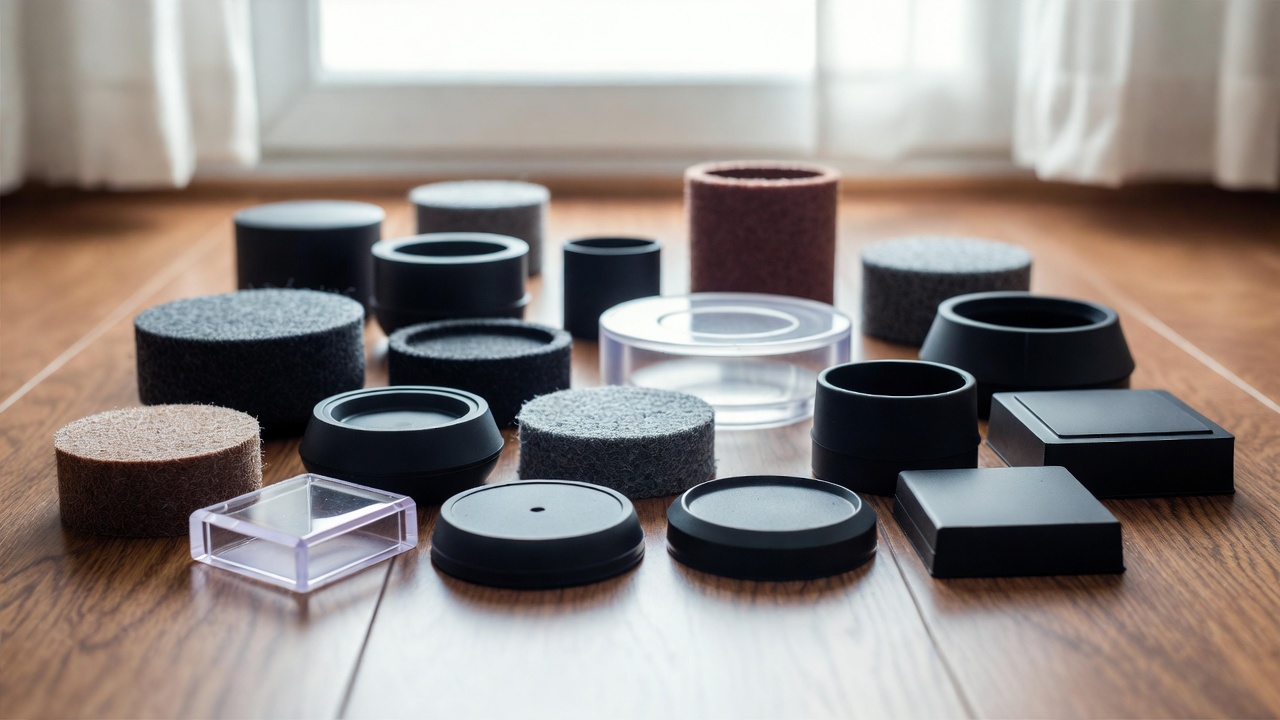
Material composition ranks as the most critical factor. Felt provides soft protection and quiet movement. Silicone offers durability and weather resistance. The best products combine both materials, using silicone as a stable base and felt as the floor-contact surface.
Adhesive strength determines how long protectors stay in place. Weak adhesives fail within weeks, especially on furniture that moves frequently. Premium adhesives maintain their grip through thousands of movements without leaving residue when removed.
Size compatibility ensures proper fit across different furniture legs. Chair and table legs vary widely in diameter and shape. Products that fit multiple size ranges offer better value and versatility.
Thickness and density affect both protection and furniture stability. Thicker pads provide better scratch protection but may create wobble on uneven surfaces. Dense materials resist compression and maintain their protective qualities longer.
Floor type compatibility varies between products. Some protectors work beautifully on hardwood but slip on tile. Others excel on laminate but stick too aggressively to certain finishes. The best options perform well across multiple floor types.
Top 5 Chair Leg Floor Protectors Reviewed
1. Ansible 24 Pcs Chair Leg Floor Protectors Square
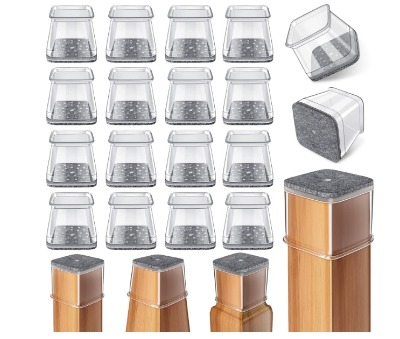
The Ansible square protectors deliver professional-grade protection through their unique two-layer design. Each protector combines a durable silicone outer shell with a premium felt interior pad.
Product Description
This set includes 24 square protectors designed for furniture legs measuring 1-1/16″ to 1-5/8″. The silicone caps stretch to accommodate slight size variations while maintaining a snug fit. The felt bottom provides smooth, quiet movement across all hard floor surfaces.
The square shape offers stability that round protectors can’t match. Your furniture stays firmly planted without rotating or shifting unexpectedly. This design works exceptionally well for dining chairs, office chairs, and square-leg tables.
Installation takes seconds per chair leg. Simply stretch the silicone cap over the furniture leg until it sits flush with the bottom. The elastic silicone grips the leg securely without adhesives or tools.
Pros
The silicone construction resists moisture, making these protectors ideal for kitchens and dining rooms where spills occur regularly. They won’t absorb liquids or develop odors like pure felt products.
The felt pads glide smoothly across hardwood, laminate, tile, and vinyl without catching or sticking. You can pull out heavy dining chairs with minimal effort, even on high-friction surfaces.
These protectors stay in place through daily use. The elastic silicone grips furniture legs tightly enough to prevent slipping but allows for easy removal when needed.
The square design prevents rotation, keeping your furniture stable and aligned. This feature proves particularly valuable for chairs that people shift and adjust frequently.
Cons
The size range limits compatibility with very thin or very thick furniture legs. Measure your furniture legs carefully before ordering to ensure proper fit.
Some users with extremely heavy furniture report the felt compressing slightly over extended use. This compression doesn’t eliminate protection but may reduce the initial thickness by 10-15%.
The square shape, while stable, requires precise alignment during installation. You need to position each protector with corners aligned to maintain the square leg appearance.
Best For
These protectors work perfectly for square-leg dining chairs, office furniture, and tables with legs in the 1-1/16″ to 1-5/8″ range. They excel in dining rooms where chairs move frequently and moisture resistance matters. Homeowners who want installation without adhesives will appreciate the slip-on design.
2. Felt Furniture Pads X-PROTECTOR – 48 Premium Floor Protector
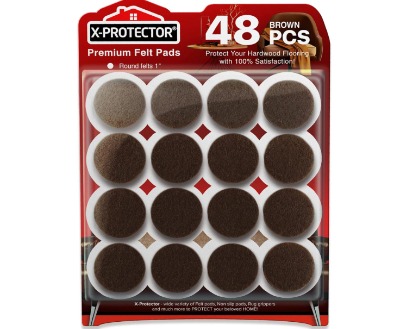
X-PROTECTOR delivers traditional felt protection with industrial-strength adhesive backing. This 48-piece set covers multiple furniture items with high-density felt that resists compression and wear.
Product Description
Each pad features 5mm thick premium felt with a professional-grade adhesive backing. The set includes various sizes to accommodate different furniture types, from chair legs to table corners to appliance feet.
The brown color blends naturally with most wood furniture, creating an invisible protection layer. The felt density exceeds standard craft felt by approximately 300%, providing superior protection against scratches and scuffs.
The adhesive backing uses a pressure-sensitive formula that bonds strongly to wood, metal, and plastic furniture legs. Once pressed firmly in place, these pads resist movement even under heavy furniture weight.
Pros
The thick felt construction provides excellent scratch protection for all hard floor types. The dense material distributes furniture weight evenly, preventing pressure marks and indentations.
Installation requires no tools or complicated procedures. Simply peel off the backing, position the pad on the furniture leg, and press firmly for 30 seconds. The adhesive bonds immediately and strengthens over the next 24 hours.
The pads muffle sound effectively, reducing noise from moving furniture by approximately 60-70%. Your family can rearrange chairs without creating disruptive scraping sounds.
The variety pack includes multiple sizes, making this set versatile enough to protect various furniture pieces throughout your home. You can protect dining chairs, coffee tables, nightstands, and more with a single purchase.
Cons
The adhesive backing, while strong, may leave slight residue if removed after extended use. The residue cleans easily with rubbing alcohol but requires extra effort compared to non-adhesive options.
Pure felt absorbs moisture more readily than silicone-backed alternatives. These pads work best in low-moisture environments and may require replacement if regularly exposed to spills.
The brown color, though designed to blend with wood, stands out on light-colored or painted furniture legs. Consider this aesthetic factor when protecting furniture that will be visible from multiple angles.
Best For
These pads suit homeowners seeking traditional felt protection with reliable adhesive backing. They work excellently for formal dining rooms, bedrooms, and living rooms with minimal moisture exposure. The variety of sizes makes this set ideal for protecting multiple furniture types throughout your home.
3. YOZON Chair Leg Floor Protectors for Hardwood Floors
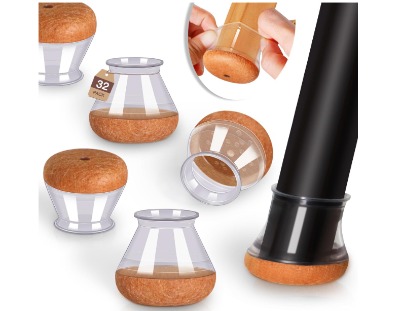
YOZON combines modern materials science with practical furniture protection. These clear silicone caps with felt bottoms protect floors while remaining virtually invisible on most furniture.
Product Description
The 32-pack includes round protectors that fit chair legs measuring 3/4″ to 1-3/16″ (19-30mm) in diameter. Each protector features a transparent silicone cap that stretches over furniture legs, topped with a replaceable felt pad.
The clear silicone design disappears against most furniture finishes, maintaining your décor aesthetic. The felt pads attach to the bottom of the silicone caps, creating a dual-layer protection system.
The elastic silicone material accommodates slight variations in leg diameter while maintaining a secure fit. The protectors stay in place through regular use without adhesives or complicated installation procedures.
Pros
The clear design maintains furniture appearance better than colored alternatives. These protectors blend seamlessly with chrome, stainless steel, painted, and natural wood finishes.
The felt pads reduce both scratches and noise significantly. Your chairs glide smoothly across hardwood and laminate while staying quiet enough for apartment living or homes with noise-sensitive family members.
The silicone caps resist moisture, oils, and common household chemicals. They won’t degrade from cleaning products or occasional spills, maintaining their protective qualities for extended periods.
The felt pads can be replaced independently of the silicone caps, extending the product lifespan. When the felt wears down, you can purchase replacement pads rather than replacing the entire protector.
Cons
The clear silicone may yellow slightly over time when exposed to direct sunlight. This discoloration doesn’t affect performance but may become visible on light-colored furniture in sun-exposed rooms.
The size range excludes very thin chair legs (under 3/4″) and thicker legs (over 1-3/16″). Measure your furniture carefully to ensure compatibility before purchasing.
The felt pads, while replaceable, require periodic inspection to ensure they haven’t compressed excessively. Heavy furniture may compress the felt faster than lighter pieces.
Best For
These protectors excel for modern furniture with chrome, metal, or light-colored finishes where visible protectors would clash aesthetically. They work perfectly in living rooms, home offices, and contemporary dining spaces. The clear design suits renters who want floor protection without altering furniture appearance.
4. 32 Pcs Chair Leg Floor Protectors – Silicone Felt Pads
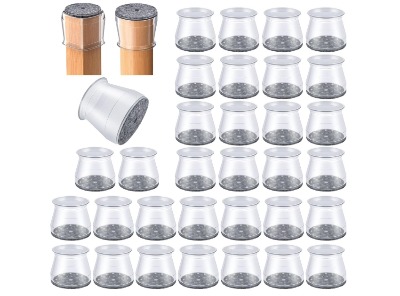
This large-size protector set tackles bigger furniture legs that standard products can’t accommodate. The generous diameter range handles everything from standard chairs to heavy bar stools.
Product Description
The 32-piece set fits round chair legs ranging from 1-5/16″ to 2″ in diameter. Each protector combines a durable silicone cap with an integrated felt bottom pad, creating a permanent dual-layer protection system.
The large size category makes these protectors suitable for oversized dining chairs, bar stools, and heavy-duty furniture. The silicone stretches to accommodate the upper end of the size range while gripping smaller legs securely.
The felt bottom provides smooth movement across all hard floor types. The material density ensures long-lasting protection without excessive compression under furniture weight.
Pros
The large size range solves protection problems for furniture that standard protectors can’t fit. Bar stools, heavy dining chairs, and commercial-grade furniture finally get effective floor protection.
The integrated felt design eliminates concerns about felt pads separating from silicone caps. The one-piece construction maintains consistent protection throughout the product lifespan.
The silicone material resists moisture, chemicals, and temperature variations. These protectors perform reliably in kitchens, outdoor covered patios, and other challenging environments.
Movement remains smooth and quiet across tile, hardwood, laminate, and vinyl flooring. The felt glides effortlessly while the silicone prevents slipping on the furniture leg itself.
Cons
The large size may appear bulky on the lower end of the size range. Furniture legs measuring 1-5/16″ might have excess silicone material visible above the floor level.
The integrated felt cannot be replaced independently. When the felt wears down, you must replace the entire protector rather than just the felt pad.
The neutral color works well for most furniture but may contrast noticeably with very light or very dark finishes. Consider this aesthetic factor when protecting furniture in highly visible areas.
Best For
These protectors serve homeowners with larger furniture pieces, including bar stools, heavy dining chairs, and commercial-grade furniture. They work excellently in kitchens, breakfast nooks, and home bars. The generous size range suits mixed furniture sets where leg diameters vary significantly.
5. Felt Furniture Pads X-PROTECTOR 133 PCS Premium Set
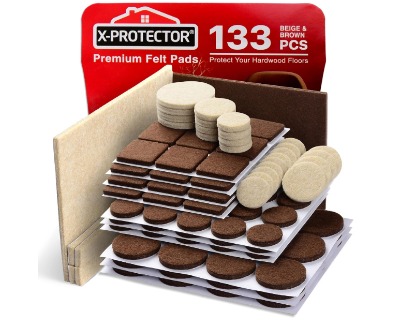
X-PROTECTOR’s massive 133-piece set provides comprehensive floor protection for entire homes. This variety pack includes pads in multiple shapes, sizes, and colors to match any furniture protection need.
Product Description
The set includes 133 individual pads in various configurations: round, square, and rectangular shapes in multiple sizes. You get both brown and beige colors to match different furniture finishes.
Each pad features the same premium 5mm thick felt with industrial-strength adhesive found in X-PROTECTOR’s smaller sets. The variety ensures you can protect every furniture piece in your home with optimal size matching.
The comprehensive assortment covers chair legs, table legs, appliance feet, cabinet bases, and decorative furniture pieces. You’ll have appropriate protection for virtually every hard surface contact point in your living space.
Pros
The enormous quantity provides exceptional value for whole-home protection. You can protect multiple rooms without purchasing additional sets or running out of specific sizes.
The variety of shapes ensures optimal coverage for different furniture leg types. Square pads stay put on square legs, round pads fit round legs perfectly, and rectangular pads handle specialized furniture bases.
The dual-color option allows better matching with furniture finishes. Brown pads blend with dark wood, while beige pads suit lighter finishes, reducing visual impact.
The thick felt provides superior scratch protection and noise reduction. The 5mm thickness exceeds most competitor products, offering better performance and longer lifespan.
Cons
The large quantity may exceed needs for small apartments or homes with minimal furniture. Consider whether you’ll use all 133 pads before committing to this comprehensive set.
The adhesive backing requires careful application on valuable furniture. Once pressed firmly, removal may stress delicate finishes or leave minimal residue that requires cleaning.
The felt material absorbs moisture, making these pads less suitable for kitchens, bathrooms, or other high-moisture areas. They perform best in climate-controlled living spaces.
Best For
This set suits homeowners protecting entire houses, landlords outfitting rental properties, or people moving into new homes with extensive furniture protection needs. The variety works perfectly for mixed furniture collections with different leg shapes and sizes. Anyone seeking maximum value through bulk purchasing will appreciate this comprehensive package.
How to Install Floor Protectors Correctly
Proper installation ensures maximum protection and longevity from your floor protectors. Follow these detailed steps for best results.
Preparation Steps
Clean furniture legs thoroughly before applying any floor protectors. Dirt, dust, and oils prevent adhesives from bonding properly and can trap abrasive particles under felt pads.
Use rubbing alcohol on a clean cloth to remove oils and residues. Let the furniture legs dry completely before proceeding with installation. This step takes five extra minutes but doubles adhesive effectiveness.
Measure furniture leg diameters or widths accurately. Use a caliper or wrap a measuring tape around round legs. Accurate measurements prevent ordering incorrect sizes.
Installing Adhesive-Backed Felt Pads
Peel the protective backing from one pad at a time. Don’t remove multiple backings simultaneously, as adhesive attracts dust quickly.
Position the pad centrally on the furniture leg bottom. Ensure equal overhang on all sides for round pads, or align edges carefully for square pads.
Press firmly for 30 seconds minimum. Apply pressure from the center outward to eliminate air bubbles and ensure complete adhesive contact.
Avoid moving furniture for 24 hours after installation. This waiting period allows the adhesive to cure fully and achieve maximum bond strength.
Installing Silicone Cap Protectors
Stretch the silicone cap opening before placing it on the furniture leg. This pre-stretching makes installation easier and prevents tearing.
Slide the cap over the furniture leg, working it down gradually. Don’t force it suddenly, as this might tear the silicone or damage the felt pad.
Ensure the cap sits flush with the leg bottom. The felt pad should make complete contact with the floor for optimal protection.
Check that the cap grips the leg securely. It should resist gentle pulling but remain removable when needed for cleaning or replacement.
Post-Installation Checks
Test furniture stability after installing all protectors. Ensure chairs and tables sit level without wobbling. Uneven protector installation or compressed felt on one leg can create stability issues.
Slide furniture gently to test movement smoothness. The felt should glide easily without catching or sticking. If movement feels rough, check for proper felt contact with the floor.
Inspect protectors after one week of use. Verify they remain securely attached and haven’t shifted position. Early detection of installation issues prevents floor damage.
Maintenance Tips for Long-Lasting Protection
Floor protectors require minimal maintenance but benefit from periodic attention. These simple steps extend protector lifespan and maintain optimal performance.
Regular Cleaning
Vacuum or sweep beneath furniture monthly to remove debris that might accumulate under protectors. Trapped dirt and grit can scratch floors despite having protectors installed.
Wipe felt pads with a slightly damp cloth when they appear dirty. Allow them to dry completely before moving furniture. Wet felt loses its protective qualities and can damage floors.
Clean silicone caps with mild soap and water. Remove any sticky residue, food particles, or dust that accumulates on the cap exterior. Rinse thoroughly and dry before reinstallation if removed.
Inspection and Replacement
Check felt thickness monthly on heavily-used furniture. Compressed felt below 2mm thickness should be replaced to maintain adequate floor protection.
Examine adhesive-backed pads for edge lifting. Reapply pressure to lifted edges or replace the pad entirely if adhesive failure appears extensive.
Inspect silicone caps for tears or excessive stretching. Damaged silicone loses its grip on furniture legs and should be replaced promptly.
Replace felt pads showing visible wear patterns or dirt penetration. Once dirt embeds deeply in felt, cleaning becomes ineffective and replacement becomes necessary.
Seasonal Considerations
Humidity changes affect felt protectors significantly. High humidity causes felt to absorb moisture and potentially transfer it to floors. Inspect felt protectors more frequently during humid seasons.
Cold temperatures can make silicone slightly less flexible. Handle silicone cap protectors more gently during winter installation to prevent tearing.
Dry winter air can cause wood furniture legs to shrink slightly. Check silicone cap fit during winter and replace with smaller sizes if gaps develop.
Common Mistakes to Avoid
Many people unknowingly reduce floor protector effectiveness through simple errors. Avoiding these mistakes saves money and protects your floors better.
Wrong Size Selection
Buying protectors without measuring furniture legs ranks as the most common mistake. Too-large protectors slip off or bunch up, while too-small options won’t fit at all.
Using one-size-fits-all products on furniture with varying leg sizes creates inconsistent protection. Match protector sizes to individual furniture pieces for best results.
Improper Surface Preparation
Applying adhesive pads to dirty or oily furniture legs causes premature failure. The adhesive bonds to the contamination layer instead of the furniture surface.
Installing protectors on damp furniture legs traps moisture under felt pads. This moisture can transfer to floors and cause water damage over time.
Installation Errors
Pressing adhesive pads too briefly prevents proper bonding. The adhesive needs sustained pressure to create strong molecular bonds with furniture surfaces.
Moving furniture immediately after installing adhesive protectors stresses the bond before it cures. This premature stress can cause partial adhesive failure.
Forcing silicone caps onto furniture legs can tear the material. Gradual stretching and working the cap down slowly prevents damage.
Maintenance Neglect
Ignoring worn protectors until floor damage occurs defeats their purpose. Regular inspection catches problems before floors sustain scratches.
Never cleaning accumulated dirt from felt allows abrasive particles to scratch floors. Monthly cleaning prevents this cumulative damage.
Using damaged protectors because replacement seems inconvenient risks expensive floor repairs. The small investment in replacement protectors costs far less than floor refinishing.
Comparing Protection Methods
Floor protectors come in several distinct types, each offering specific advantages for different situations. Understanding these differences helps you select the optimal protection for your home.
Adhesive Felt Pads vs. Silicone Caps
Adhesive felt pads provide maximum coverage and work with any leg shape. They stay permanently attached until intentionally removed, requiring no adjustment after installation.
Silicone caps offer superior moisture resistance and allow for easy removal and cleaning. They work best on round or square legs with consistent dimensions.
Adhesive pads cost less per unit but require complete replacement when worn. Silicone caps cost more initially but allow felt pad replacement, potentially reducing long-term costs.
Nail-On vs. Adhesive Application
Nail-on felt glides provide the most permanent attachment but damage furniture legs during installation. They suit commercial applications where furniture never moves.
Adhesive application protects furniture finish integrity while providing secure attachment for residential use. Modern adhesives bond strongly enough for normal household furniture movement.
Hard Plastic vs. Felt Bottom Contact
Hard plastic glides allow extremely smooth movement but can scratch certain floor types. They work well on carpet or rough concrete but risk damage on hardwood or laminate.
Felt bottoms protect all hard floor types while providing adequate smoothness for normal use. They excel for residential applications where floor protection takes priority over ultra-smooth movement.
Protecting Different Floor Types
Different flooring materials require specific protection strategies. These recommendations ensure you select the right products for your floor type.
Hardwood Floors
Hardwood demands maximum scratch protection due to its soft surface relative to ceramic or stone. Premium thick felt provides the best defense against daily wear.
Moisture-resistant protectors suit hardwood in kitchens or dining rooms where spills occur. Silicone-backed felt combines water resistance with gentle floor contact.
Avoid hard plastic glides on hardwood entirely. Even “hardwood-safe” plastic can create microscratches that accumulate into visible damage over time.
Laminate Flooring
Laminate tolerates gentle abrasion better than solid hardwood but scratches more easily than tile. Medium-thickness felt balances protection with smooth movement.
Avoid excessive moisture on laminate floor protectors. Water penetration through laminate seams causes swelling and permanent damage.
Tile and Stone
Tile resists scratches better than wood products but can chip or crack under impact. Felt protectors with substantial thickness help absorb impact forces.
Grout lines create slight unevenness that can wear felt protectors unevenly. Inspect tile floor protectors more frequently and replace when wear patterns develop.
Vinyl and Linoleum
These resilient floors resist scratches but can dent under concentrated pressure. Larger-diameter protectors distribute furniture weight better than small pads.
Adhesive testing becomes critical on vinyl. Some aggressive adhesives can bond permanently or damage vinyl surfaces. Test adhesive protectors in inconspicuous areas before full installation.
Cost Analysis and Value
Understanding the true cost of floor protection helps you make informed purchasing decisions. This analysis compares short-term expenses against long-term value.
Initial Investment Breakdown
Quality floor protectors range from $10 to $30 per set. Premium products cost more but typically last 2-3 times longer than budget alternatives.
A typical dining room with six chairs requires 24 protectors (four per chair). Protection costs range from $10 to $25 for this single furniture set.
Whole-home protection for average furniture quantities (30-50 pieces) costs $50 to $150 depending on product quality and quantity purchased.
Long-Term Value Assessment
Premium protectors lasting two to three times longer reduce replacement frequency. An $18 premium set providing three-year service costs less than a $10 budget set requiring annual replacement.
Floor damage repair costs dwarf protector expenses. Refinishing scratched hardwood costs $1,500-$4,000, while comprehensive floor protection costs under $200.
Noise reduction value adds intangible benefits. Quieter furniture movement improves quality of life, particularly in apartments or homes with sleeping family members.
Return on Investment Timeline
Floor protectors pay for themselves immediately by preventing damage. The first prevented scratch justifies the entire protection investment.
Homes with young children or frequent entertaining see faster ROI. Higher furniture movement frequency increases scratch risk and makes protection more valuable.
Rental properties benefit from floor protectors through reduced turnover costs. Preserved floors eliminate refinishing expenses between tenants.
Making Your Final Decision
Your ideal floor protector depends on specific factors unique to your home and furniture. Consider these elements when making your selection.
Assess Your Furniture Collection
Inventory your furniture leg types, sizes, and finishes. Mixed collections benefit from variety packs, while uniform furniture sets need fewer protector types.
Measure leg diameters or widths accurately. Proper sizing matters more than brand reputation for effective floor protection.
Consider furniture weight distribution. Heavy pieces need thicker, denser protectors than lightweight chairs or tables.
Evaluate Your Floor Type
Hardwood floors demand premium protection with thick felt. Tile and vinyl tolerate less expensive options without compromising protection.
High-moisture areas require silicone-backed or completely silicone protectors. Pure felt fails quickly in kitchens, bathrooms, or covered outdoor spaces.
Uneven floors benefit from slightly compressible protectors. Rigid glides can create wobble, while felt compresses slightly to accommodate minor irregularities.
Consider Your Lifestyle
Households with children or pets need durable protectors that withstand frequent furniture movement. Premium products justify their higher cost through extended lifespan.
Renters should choose non-adhesive options that don’t mark furniture legs. Silicone caps remove cleanly without residue or damage.
Frequent furniture rearrangers benefit from protectors that maintain effectiveness through repeated movement. Adhesive pads may loosen with constant shifting.
Take Action Now
Your floors endure daily abuse from furniture movement, accumulating damage that becomes irreversible without proper protection. The products reviewed here offer proven solutions for every situation.
The Ansible square protectors deliver excellent performance for square-leg furniture with their moisture-resistant silicone construction. X-PROTECTOR’s adhesive felt pads provide traditional protection with industrial-strength adhesive. YOZON’s clear caps maintain furniture aesthetics while protecting floors. The large-size silicone protectors handle oversized furniture legs. X-PROTECTOR’s 133-piece set offers comprehensive whole-home protection.
Install floor protectors today before your floors sustain additional damage. The small investment preserves your flooring for decades while eliminating noise and making furniture movement effortless. Your future self will thank you for protecting your home’s most visible and valuable surfaces.
Start by measuring your furniture legs, identifying your floor type, and selecting the appropriate product from our reviewed options. Within an hour, you can protect every furniture piece in your home and prevent thousands in potential floor damage. Your floors deserve this simple protection.
Hi, I’m Mary, the founder of Homygear.com. I’m passionate about creating a comfortable, smart, and beautiful home. I share practical insights and real-world experience on home gear that makes everyday life easier. Behind the scenes, my dedicated research team studies products in depth, and our writers craft honest reviews using trusted, authentic sources—so you can choose home gear with confidence.