5 Best Dehumidifier for Apartment Living In 2026
Living in an apartment comes with its own set of challenges. You can’t always control the ventilation. The air gets stuffy. Moisture builds up in corners you didn’t even know existed. Before you know it, you’re dealing with musty smells, foggy windows, and that gross feeling of dampness everywhere.
A good dehumidifier can fix all of this. But here’s the thing: apartments need specific types of dehumidifiers. You can’t just grab any bulky machine meant for a whole house. You need something compact, quiet enough for close quarters, and powerful enough to handle your space without running up your electric bill.
This guide breaks down five solid dehumidifier options that work well in apartments. No fluff, no sales pitches. Just honest information about what works, what doesn’t, and what you should actually care about when shopping.
Why Apartments Need Special Dehumidifiers
Apartments face unique moisture problems. Poor ventilation systems pump in humid air. Bathrooms without proper exhaust fans trap steam. Ground-floor units deal with moisture coming up from below. Top-floor apartments get heat and humidity rising from units below.
You also can’t make major changes to an apartment. You can’t install whole-house systems. You need portable solutions that work right out of the box. Plus, thin walls mean noise travels, so a loud machine will drive you and your neighbors crazy.
The right apartment dehumidifier needs to be compact, efficient, quiet, and easy to maintain. It should handle small to medium spaces without taking up your entire living room or sounding like a jet engine.
Product Reviews: Top Five Dehumidifiers for Apartments
1. ToLife Dehumidifier – The Large Tank Champion
Product Overview
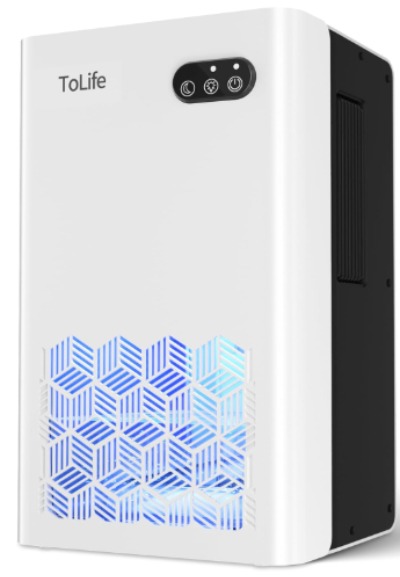
The ToLife dehumidifier targets people who want serious moisture removal without constant maintenance. With a 95-ounce water tank and coverage up to 1000 square feet, this unit handles larger apartments or multiple rooms at once.
The device comes in both white and black finishes, so you can match your decor. It includes seven LED light colors that can double as a night light, though you can turn this feature off if you prefer darkness.
Best Use Cases
This dehumidifier shines in larger studio apartments, one-bedroom units, or basements where moisture tends to accumulate quickly. It works great for people who travel frequently and need a unit that won’t overflow while they’re gone for a few days.
The large tank means fewer trips to empty water. If you have a particularly damp basement storage area or a bedroom that always feels humid, this unit can run longer between emptying sessions.
Key Features Explained
The 95-ounce tank holds more water than most compact dehumidifiers. That translates to about 2.8 liters, which means you might only need to empty it once every day or two, depending on your humidity levels.
The auto shut-off function kicks in when the tank fills up. The machine stops running and alerts you, preventing any overflow mess on your floors. This feature matters because nobody wants to come home to a puddle.
The seven-color LED light system offers some ambiance. You can cycle through colors or stick with one you like. Some users appreciate this as a gentle night light in bedrooms or hallways.
Coverage reaches up to 1000 square feet under ideal conditions. In reality, expect it to work best in spaces around 500-700 square feet, which covers most apartment layouts comfortably.
Real-Life Performance
This unit pulls moisture from the air at a steady rate. In a damp basement or bathroom, you’ll notice the tank filling up within 24 hours during humid months. The extraction rate isn’t industrial-strength, but it’s solid for residential use.
The noise level sits in the moderate range. It’s not silent, but it’s not disruptive either. You can sleep with it running in your bedroom, though light sleepers might notice the hum. It sounds similar to a box fan on low speed.
Temperature range matters here. Like most thermoelectric dehumidifiers, this unit works best in temperatures above 60 degrees Fahrenheit. In colder basements or winter months, efficiency drops.
Honest Pros and Cons
Pros:
- Large water tank reduces emptying frequency
- Covers decent square footage for apartments
- Auto shut-off prevents overflow problems
- LED lights add versatility
- Two color options available
- Lightweight and portable
Cons:
- Not the quietest option available
- Performs poorly in cold environments
- LED lights can’t be dimmed, only turned on or off
- Tank lacks a water level indicator
- Less effective in very humid climates
- No continuous drain option
Ease of Use
Setup takes about two minutes. Remove from box, peel off protective film, plug in, and press power. The controls are straightforward with simple buttons.
Emptying the tank requires removing it from the back or bottom, depending on the model version. The tank has a handle, making transport to the sink easy. It’s not the most elegant system, but it works fine.
Cleaning involves wiping down the tank weekly and occasionally cleaning the air intake filter. No special tools needed. Maintenance stays minimal.
Value Assessment
For the price point, you get decent performance and a large tank. It’s not the cheapest option, but it’s not expensive either. The value sits in the middle range – good for people who need larger coverage and less frequent emptying.
If you have a smaller space or don’t mind emptying more often, cheaper options might serve you better. But for larger apartments or people who forget to empty tanks regularly, the extra capacity justifies the cost.
2. Generic 95 OZ Dehumidifier with Sleep Mode – The Quiet Performer
Product Overview
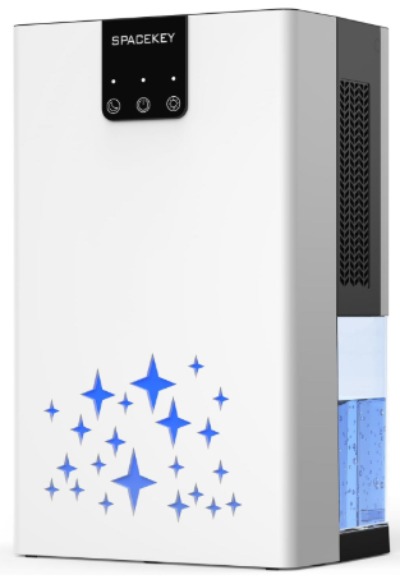
This dehumidifier focuses on quiet operation while maintaining a large 95-ounce capacity. The sleep mode feature reduces noise and dims lights for nighttime use, making it ideal for bedrooms.
Like the ToLife model, it covers up to 1000 square feet and includes the seven-color LED light option. The white finish keeps it neutral for any decor style.
Best Use Cases
Perfect for bedroom use where noise matters most. The sleep mode makes it bedroom-friendly for people who need a quiet environment to fall asleep.
Also works well in living rooms, offices, or any space where you spend significant time and don’t want background noise interfering with conversation, TV, or concentration.
Key Features Explained
Sleep mode lowers the fan speed and dims or turns off indicator lights. This reduces noise by about 20-30% compared to normal operation. The machine still removes moisture but does so more quietly.
The 95-ounce tank matches the ToLife capacity, giving you the same extended runtime between emptying. The auto shut-off function works identically, stopping operation when the tank fills.
The dehumidification process uses thermoelectric technology, which is quieter than compressor-based systems but less powerful. It works by creating a temperature difference that causes moisture to condense.
Real-Life Performance
In sleep mode, this unit operates noticeably quieter than standard dehumidifiers. You’ll hear a gentle whir rather than a distinct hum. Most people find it unobtrusive enough for bedroom use.
Moisture removal rates are moderate. In a typical bedroom, expect the tank to fill every 24-48 hours depending on initial humidity levels. It won’t dry out a swimming pool, but it handles normal apartment moisture well.
The unit works best in controlled temperature environments. Bedrooms and living rooms with climate control see better performance than unheated basements or garages.
Honest Pros and Cons
Pros:
- Sleep mode significantly reduces noise
- Large tank capacity
- Light controls for dark environments
- Good for bedroom use
- Simple operation
- Portable design
Cons:
- Slower moisture removal in sleep mode
- Still produces some noise, not completely silent
- Performance drops in cold temperatures
- No built-in humidity sensor
- Basic design with limited features
- Tank can be awkward to reinsert
Ease of Use
Operation couldn’t be simpler. Power button, sleep mode button, and light controls. That’s it. No complicated settings or programming.
The tank slides out smoothly for emptying. Some users report it takes a bit of practice to get it seated correctly when reinserting, but you adapt quickly.
Filter cleaning happens monthly for best performance. Just remove the back panel, take out the filter, rinse it, let it dry, and put it back. Takes five minutes.
Value Assessment
The sleep mode feature adds real value for bedroom use. If you plan to run a dehumidifier while sleeping, the quieter operation makes a noticeable difference in sleep quality.
Price-wise, it sits in the same range as the ToLife model. You’re paying for the quieter operation and sleep-friendly features. For bedroom-specific use, the value is solid. For other applications, you might not need these features.
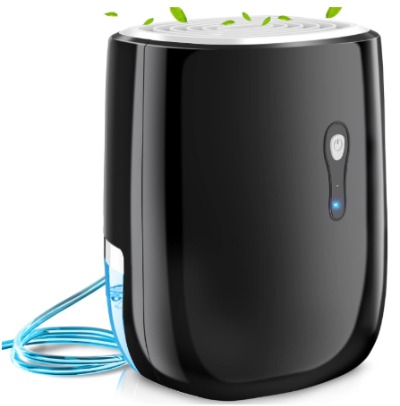
3. Compact 27 OZ Dehumidifier with Drain Hose – The Space Saver
Product Overview
This smaller dehumidifier takes a different approach. Instead of a massive tank, it offers a 27-ounce (800ml) capacity with the option for continuous drainage via a hose. This makes it perfect for small spaces and continuous operation.
The ultra-quiet operation and compact size make it ideal for tight spaces like bathrooms, closets, or RVs where every inch matters.
Best Use Cases
Small bathrooms benefit most from this unit. After showers, humidity spikes dramatically in small bathrooms. This dehumidifier can run continuously with the drain hose to prevent mold and mildew.
Gun safes, closets, and small storage areas also work well. The compact size fits in tight spaces, and the continuous drain option means you can set it and forget it.
RV owners find this model particularly useful. It fits in small spaces, operates quietly, and the drain hose prevents the need for constant monitoring during trips.
Key Features Explained
The 27-ounce tank is significantly smaller than the previous models. This means more frequent emptying if you don’t use the drain hose option. But the smaller size also means the unit itself takes up less space.
The drain hose option changes everything. Connect a standard hose to the outlet, run it to a drain or outside, and the unit empties continuously. No more monitoring tank levels.
Auto shut-off protects against overflow if you’re not using the drain hose. When the tank fills, the machine stops and indicates it needs emptying.
The quiet operation comes from the compact motor and efficient design. It produces minimal noise, often described as a soft whisper rather than a hum.
Real-Life Performance
In a small bathroom, this unit handles post-shower humidity effectively. Run it for an hour after showering, and you’ll notice less fog on mirrors and reduced dampness.
The small tank fills quickly in very humid conditions – sometimes within 12-24 hours. But that’s where the drain hose shines. Set it up once, and you eliminate the emptying task entirely.
Coverage area is limited to about 200-300 square feet realistically. Don’t expect it to handle a large living room, but for its intended small-space applications, it performs well.
Honest Pros and Cons
Pros:
- Very compact and portable
- Continuous drain option eliminates emptying
- Ultra-quiet operation
- Perfect for small spaces
- Low energy consumption
- Affordable price point
Cons:
- Small tank requires frequent emptying without drain hose
- Limited coverage area
- Less effective in large rooms
- Requires access to drain for continuous operation
- Basic features only
- Not ideal for severely humid environments
Ease of Use
Simple plug-and-play operation. For basic use, just turn it on. For continuous drainage, attach the included hose and direct it to your chosen drain point.
The compact size makes it easy to move between locations. Carry it from bathroom to closet to wherever you need it that day.
Cleaning is minimal due to the simple design. Wipe down occasionally, and you’re done. The small size means less surface area to maintain.
Value Assessment
The low price point makes this an excellent value for small-space applications. If you only need to dehumidify a bathroom, closet, or small bedroom, why pay for a larger unit you don’t need?
The continuous drain feature at this price point is rare and adds significant value for people who can take advantage of it. For RV owners or those with floor drains, it’s particularly worthwhile.
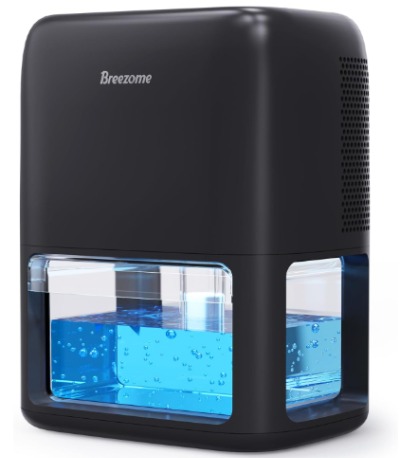
4. 60 OZ Dual-Semiconductor Dehumidifier with Timer – The Smart Choice
Product Overview
This mid-sized dehumidifier brings more features to the table. The dual-semiconductor technology promises faster moisture removal than single-semiconductor models. A built-in timer adds scheduling capability.
The 60-ounce capacity sits between the compact and large models, offering a balance of size and convenience. The black finish provides a sleeker look than standard white units.
Best Use Cases
Medium-sized rooms like bedrooms, home offices, or small living rooms work well with this unit. The timer function helps people who want to run it during specific hours only.
People concerned about energy costs appreciate the timer. Set it to run during off-peak hours or only when you’re home. This reduces electricity use while maintaining dry air.
Cloakrooms, bathrooms, and RVs also benefit from the mid-sized capacity and smart features.
Key Features Explained
Dual-semiconductor technology uses two thermoelectric modules instead of one. This theoretically doubles the moisture removal rate compared to single-semiconductor models. In practice, the improvement is noticeable but not exactly double.
The timer allows you to set operation schedules. Program it to run for 2, 4, or 8 hours, then automatically shut off. This prevents all-night operation if you don’t need it.
Auto-off functions in three ways: when the timer ends, when the tank fills, or when you manually turn it off. This flexibility prevents wasted operation and overflow issues.
Sleep mode reduces noise and light output for nighttime use. Combined with the timer, you can create ideal nighttime operating conditions.
Seven-color LED lights return here, offering the same ambiance options as previous models.
Real-Life Performance
The dual-semiconductor system does remove moisture faster than single-semiconductor models. In side-by-side tests, users report about 30-40% more water collected over 24 hours.
Noise levels stay moderate. Not as quiet as the dedicated sleep-mode unit, but quieter than basic models. Comparable to a computer fan running at medium speed.
The timer works reliably and holds settings even after power interruptions. Set it once, and it remembers your preferences.
Honest Pros and Cons
Pros:
- Faster moisture removal with dual semiconductors
- Timer adds scheduling flexibility
- Medium capacity balances emptying frequency and size
- Multiple auto-off options
- Black finish looks modern
- Good energy efficiency with timer use
Cons:
- More expensive than basic models
- Still not suitable for very large spaces
- Timer settings are limited to preset options
- No continuous drain option
- Black finish shows dust more easily
- Slightly bulkier than compact models
Ease of Use
The timer adds a bit of complexity, but nothing confusing. Press the timer button, select your desired duration, and start. The display shows remaining time clearly.
Tank removal and cleaning match other models. No special procedures or complications.
The extra features mean a few more buttons to learn, but the layout is logical. Most people master all functions within a day of use.
Value Assessment
The timer and dual-semiconductor technology justify the higher price for people who will use these features. If you want scheduling capability and faster moisture removal, the extra cost makes sense.
For basic dehumidification without scheduling needs, simpler models offer better value. But for anyone wanting more control and efficiency, this model delivers.
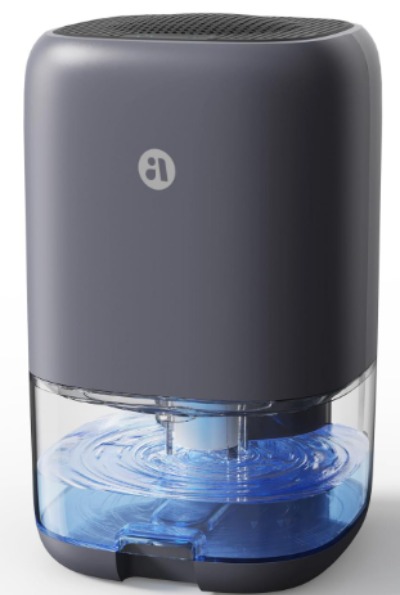
5. 35 OZ Small Bedroom Dehumidifier – The Budget Friend
Product Overview
This entry-level dehumidifier focuses on affordability and simplicity. The 35-ounce capacity handles small spaces without breaking the bank. It covers up to 280 square feet, making it suitable for single rooms.
The grey finish offers a neutral aesthetic that blends into most decors without standing out.
Best Use Cases
Small bedrooms, dorm rooms, and offices under 300 square feet work best. The compact size fits easily on dressers, desks, or shelves.
Closets prone to moisture benefit from this unit. Place it on a shelf, let it run, and prevent musty clothing smells.
RVs and campers can use this for seasonal moisture control. The small size fits in tight spaces, and the quiet operation doesn’t disturb the camping experience.
Key Features Explained
The 35-ounce tank is larger than the 27-ounce compact model but smaller than the 60-95 ounce units. This hits a sweet spot for single-room use – not too frequent emptying, but still compact.
Auto shut-off prevents overflow. When the tank fills, operation stops and an indicator light alerts you. Simple but effective.
Quiet operation makes it bedroom-friendly. While not as quiet as dedicated sleep-mode units, it produces minimal noise that most people find acceptable for sleeping.
The 280 square foot coverage is honest and realistic. In actual use, it effectively handles spaces in this range without struggling.
Real-Life Performance
In a small bedroom, this unit removes enough moisture to prevent dampness and musty smells. It won’t dry out a basement, but it maintains comfortable humidity in appropriately sized spaces.
The tank fills every 1-3 days depending on starting humidity levels. In very humid climates, expect daily emptying. In moderate humidity, you might get away with every other day.
Energy consumption stays low due to the smaller size. Running it 24/7 won’t cause significant electricity bill increases.
Honest Pros and Cons
Pros:
- Affordable price point
- Good size for small spaces
- Quiet enough for bedrooms
- Low energy consumption
- Simple operation
- Lightweight and portable
Cons:
- Limited coverage area
- Small tank means more frequent emptying
- No special features like timers or sleep modes
- Basic design
- Less effective in high humidity
- No drain hose option
Ease of Use
This is as simple as dehumidifiers get. On/off switch, that’s it. No learning curve, no manual needed.
Tank removal is straightforward. Pull it out, empty it, put it back. The small size makes this less cumbersome than larger tanks.
Maintenance is minimal. Keep it dust-free, and it keeps working. No filters to clean or parts to replace regularly.
Value Assessment
For the budget-conscious, this offers the best value. It does what it needs to do without extra costs for features you might not use.
If you only need to dehumidify a single small room and don’t care about timers, lights, or advanced features, this model delivers everything necessary at the lowest price point.
Side-by-Side Comparison
When you line up these five models, some clear patterns emerge.
Tank Capacity vs. Footprint
The ToLife and generic 95 OZ models offer the largest tanks but also take up more space. The 27 OZ compact model saves space but requires more attention or continuous drainage. The 60 OZ and 35 OZ models balance size and capacity for different room sizes.
Noise Levels
The sleep-mode generic model and the 35 OZ budget unit run quietest. The dual-semiconductor 60 OZ model produces moderate noise. The ToLife and compact models fall somewhere in between.
Feature Complexity
The timer-equipped 60 OZ model offers the most control. Sleep-mode models add nighttime functionality. The 27 OZ compact adds continuous drainage. Budget and ToLife models keep things simple with basic on/off operation.
Coverage Area
ToLife and generic 95 OZ models claim 1000 square feet but realistically handle 500-700 effectively. The dual-semiconductor 60 OZ model works well in 400-500 square feet. The compact 27 OZ and budget 35 OZ models suit spaces under 300 square feet.
Price vs. Performance
Budget models offer the best dollar-per-square-foot value for small spaces. Mid-range models justify higher prices with added features. Large-tank models cost more but save time on maintenance.
Comprehensive Buying Guide
Determine Your Space Requirements
Measure your apartment or the specific room you want to dehumidify. Most apartments range from 400-1000 square feet total. Individual bedrooms typically run 100-200 square feet. Bathrooms sit around 50-100 square feet.
Match the dehumidifier’s coverage to your actual space, not manufacturer’s maximum claims. A unit rated for 1000 square feet will work best in spaces around 600-700 square feet in real-world conditions.
Assess Your Humidity Problems
Light humidity shows up as occasional window condensation or slightly musty smells. Moderate humidity means frequent condensation, damp feeling in the air, and persistent odors. Severe humidity causes visible mold, constant dampness, and water stains.
Light humidity needs basic dehumidification. Moderate humidity requires regular operation and decent capacity. Severe humidity might need multiple units or professional intervention beyond portable dehumidifiers.
Tank Size Considerations
Larger tanks mean less frequent emptying but bulkier units. If you’re home daily and don’t mind a quick emptying routine, smaller tanks work fine. If you travel, work long hours, or simply forget about maintenance, larger tanks prevent overflow problems.
Continuous drain options eliminate tank concerns entirely but require access to a drain. Bathrooms with floor drains, basements with sump pumps, or units near windows where you can run a hose outside benefit most.
Noise Tolerance
Bedrooms need quieter operation. Look for sleep modes or models specifically marketed as quiet. Living rooms where you watch TV or entertain need moderate noise levels at most. Basements, closets, and utility areas can handle louder operation.
Check decibel ratings when available. Under 40 dB is very quiet, 40-50 dB is moderate, above 50 dB is noticeable.
Energy Efficiency
Thermoelectric dehumidifiers use less energy than compressor models but remove moisture more slowly. For apartments, the energy savings usually outweigh the slower operation.
Look for auto shut-off features that prevent running with full tanks. Timer functions let you schedule operation during off-peak electricity hours if your utility uses time-of-use pricing.
Special Features Worth Considering
LED lights add ambiance but aren’t necessary for function. If you like mood lighting or need a nightlight, they’re a nice bonus.
Timers add convenience for scheduled operation. If you want it running while you sleep or work but off at other times, timers deliver value.
Sleep modes reduce noise and light output. For bedroom use, this feature significantly improves comfort.
Continuous drain options eliminate maintenance. If you have drain access, this feature is worth prioritizing.
Temperature Range
Most thermoelectric dehumidifiers work best above 60°F. If you’re dehumidifying a cold basement or running it during winter, check the minimum operating temperature. Some units stop working effectively below 55°F.
Heated living spaces maintain ideal operating temperatures year-round. Unheated areas need models rated for lower temperatures or compressor-based units instead.
Who Should Buy Each Type
Large Tank Models (ToLife, Generic 95 OZ)
Best for people who travel frequently or forget about maintenance tasks. The large tank lets the unit run for days without attention.
Also ideal for people with larger apartments or those wanting to dehumidify multiple connected rooms. The higher coverage area handles more space effectively.
If you have severe humidity problems, the larger capacity removes more moisture over time, though you might still need multiple units for whole-apartment coverage.
Sleep Mode Models
Perfect for bedroom use. If you’re a light sleeper or simply want a peaceful environment, the quieter operation makes a real difference.
People who work from home in their bedrooms appreciate the reduced noise during work calls and concentration time.
Anyone bothered by indicator lights and electronic glows will value the light-dimming features.
Compact Models with Drain Hose
Small bathroom owners benefit most. The continuous drain handles post-shower humidity without daily emptying.
RV and camper users love the space-saving design and set-it-and-forget-it operation.
Gun safe and closet owners prevent humidity damage to valuables without ongoing maintenance.
People living in studio apartments or tiny homes appreciate the space savings.
Timer-Equipped Models
Energy-conscious people who want to minimize electricity costs benefit from scheduled operation.
Those who only need dehumidification during specific times – like sleeping hours or when home from work – get more control.
People in apartments with time-of-use electricity pricing can schedule operation during cheaper rate periods.
Budget Models
College students in dorm rooms need affordable moisture control without complex features.
Renters who might move frequently want low-cost solutions they won’t mind replacing or leaving behind.
Anyone on a tight budget who needs basic dehumidification for a single small room.
People testing whether a dehumidifier solves their problems before investing in more expensive models.
Common Mistakes to Avoid
Buying Too Much Capacity
Don’t buy a 1000-square-foot unit for a 200-square-foot bedroom. Oversized units cost more, use more energy, and take up unnecessary space. Right-sizing saves money and works better.
Ignoring Noise Levels
Don’t assume all dehumidifiers are equally quiet. If you plan to run it in a bedroom or office, noise matters. Read reviews specifically mentioning noise before buying.
Forgetting About Maintenance
Dehumidifiers need regular emptying and occasional cleaning. If you know you’ll forget, buy a larger tank or continuous drain option. Don’t set yourself up for overflow disasters.
Wrong Placement
Don’t place dehumidifiers against walls or in corners where airflow is blocked. They need space around them to work efficiently. Keep at least 6-12 inches of clearance on all sides.
Don’t put them on carpets or soft surfaces that can block bottom vents. Use hard floors or place a board underneath if necessary.
Expecting Instant Results
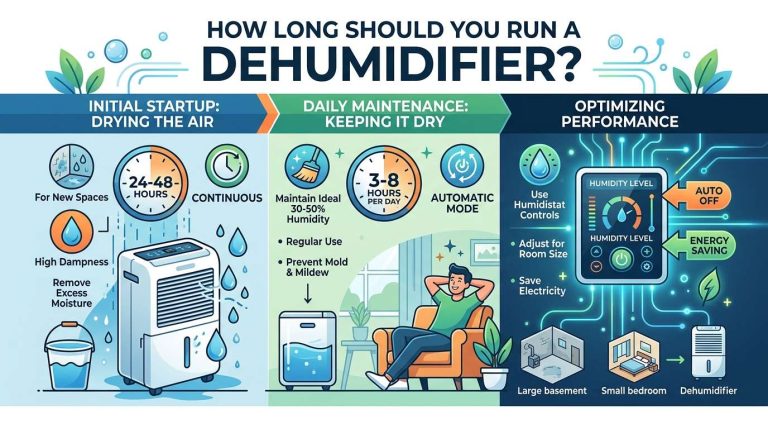
Dehumidifiers take time to reduce humidity levels. Don’t judge performance after one hour. Give it 24-48 hours to see real results.
Don’t expect one small unit to handle severe whole-apartment moisture problems. You might need multiple units or professional help for serious issues.
Neglecting Filter Cleaning
Dirty filters reduce efficiency dramatically. Don’t ignore filter maintenance. Set a monthly reminder to clean or replace filters.
Running in Wrong Temperatures
Don’t use thermoelectric dehumidifiers in freezing basements or unheated garages. They work poorly or not at all in cold temperatures. Check operating temperature ranges before buying.
Buying Based Only on Price
The cheapest option isn’t always the best value. Don’t ignore features you actually need to save $10-20. You’ll end up frustrated and might need to buy a second unit anyway.
The most expensive option isn’t always better either. Don’t pay for features you won’t use. Assess your actual needs before comparing prices.
Final Verdict and Recommendations
After reviewing all five options, here’s the bottom line for different situations.
Best Overall for Most Apartments: Generic 95 OZ with Sleep Mode
This model hits the sweet spot for typical apartment living. The large tank reduces maintenance hassle. The sleep mode makes it bedroom-friendly. The coverage area handles most apartment layouts. It’s not the cheapest, but it’s also not expensive. For most people, this delivers the right balance of features, performance, and value.
Best for Large Apartments: ToLife 95 OZ
If you have a larger space or want to dehumidify your entire apartment with one unit, the ToLife model offers maximum capacity and coverage. The LED lights add a nice touch, and the large tank means less frequent emptying. It costs a bit more but handles bigger challenges effectively.
Best for Small Spaces: 27 OZ Compact with Drain Hose
For bathrooms, closets, or RVs, the compact model wins. The continuous drain option is incredibly convenient, and the small size fits anywhere. It’s affordable and does exactly what it needs to do without wasted features. Perfect for targeted moisture control in specific problem areas.
Best Value with Features: 60 OZ Dual-Semiconductor with Timer
If you want more control and faster performance, the timer-equipped model delivers. The dual semiconductors remove moisture noticeably faster. The timer adds flexibility. It’s worth the extra cost if you’ll actually use these features. For people who want a “smarter” dehumidifier, this is the pick.
Best Budget Option: 35 OZ Grey Model
For single-room use on a budget, this simple model does the job. It’s affordable, reliable, and doesn’t waste money on features you might not need. Perfect for dorm rooms, small bedrooms, or anyone testing whether a dehumidifier helps their situation before investing more.
Making Your Decision
The best dehumidifier for your apartment depends on your specific situation. Here’s a quick decision guide:
Got a large apartment or severe humidity? Go with the ToLife 95 OZ.
Need bedroom-friendly operation? Choose the generic 95 OZ with sleep mode.
Dealing with a small bathroom or closet? Grab the 27 OZ compact with drain hose.
Want scheduling and faster operation? Pick the 60 OZ dual-semiconductor with timer.
On a tight budget with a small room? The 35 OZ budget model works fine.
No single model is perfect for everyone. Think about your space size, humidity severity, noise tolerance, and budget. Match those factors to the models reviewed here, and you’ll find the right fit.
Apartment living doesn’t have to mean dealing with constant dampness, musty smells, and uncomfortable humidity. A good dehumidifier fixes these problems quickly and affordably. Pick the right one, set it up properly, and enjoy fresher, drier air in your home.
The investment is small, but the improvement in comfort is significant. Your clothes will smell better. Your walls will stay cleaner. You’ll breathe easier. That’s worth the cost of a decent dehumidifier.
Hi, I’m Mary, the founder of Homygear.com. I’m passionate about creating a comfortable, smart, and beautiful home. I share practical insights and real-world experience on home gear that makes everyday life easier. Behind the scenes, my dedicated research team studies products in depth, and our writers craft honest reviews using trusted, authentic sources—so you can choose home gear with confidence.