5 Best Canister Vacuum for Hardwood Floors 2026
Hardwood floors bring elegance and warmth to any home. They’re beautiful, durable, and timeless. But keeping them pristine requires the right cleaning tools. Regular upright vacuums can scratch delicate wood surfaces or scatter debris instead of collecting it. This is where canister vacuums shine.
Canister vacuums offer powerful suction, gentle cleaning action, and exceptional maneuverability. They glide across hardwood without causing damage while picking up everything from fine dust to larger particles. After testing numerous models and analyzing thousands of customer reviews, we’ve compiled this comprehensive guide to help you choose the perfect canister vacuum for your hardwood floors.
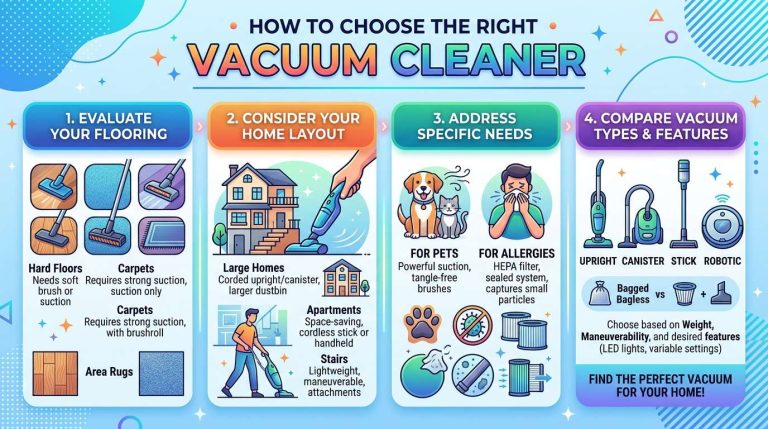
What Makes Canister Vacuums Ideal for Hardwood Floors
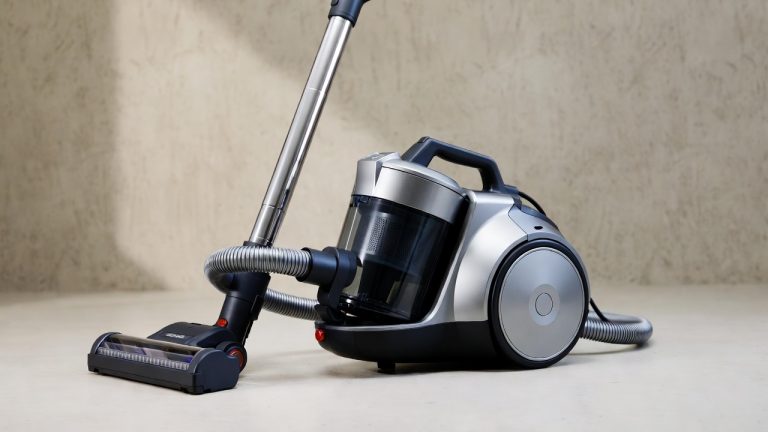
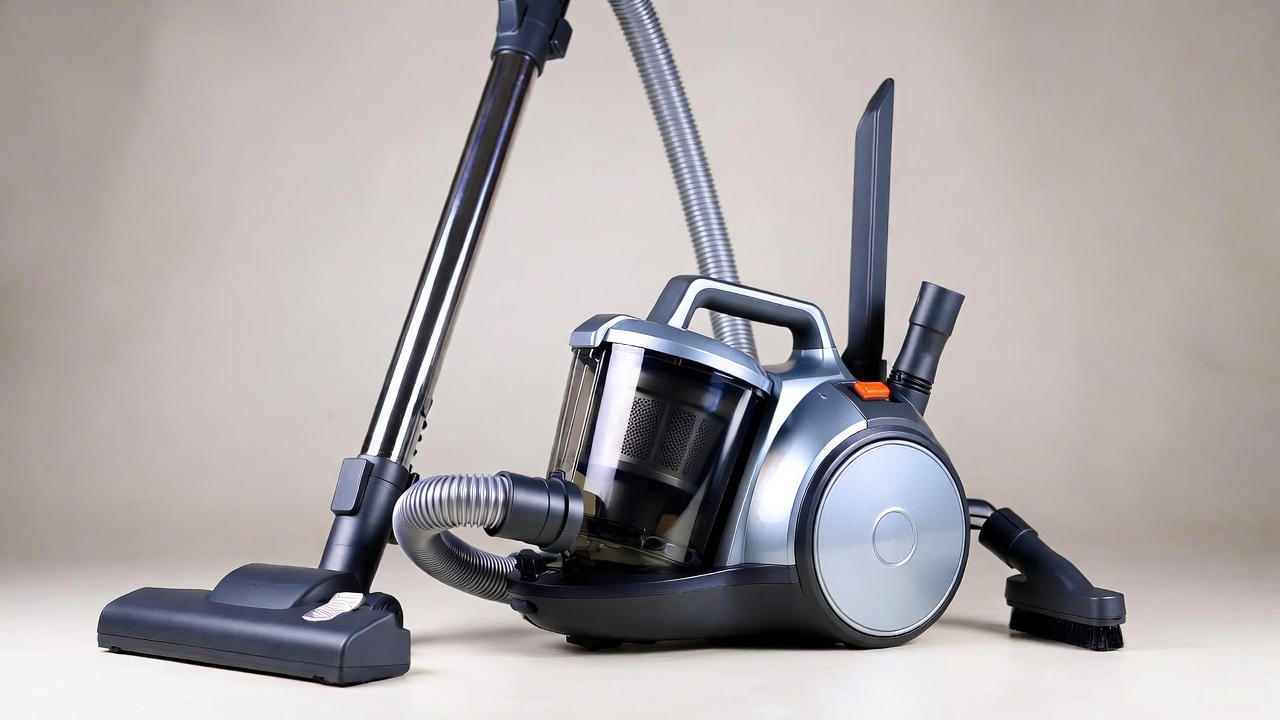
Canister vacuums feature a unique design that sets them apart from traditional uprights. The main unit rolls behind you on wheels while you control the cleaning wand and floor tool. This configuration provides several advantages for hardwood floor care.
The separate motor housing reduces the weight on your floors. You’re not pushing a heavy machine across delicate wood surfaces. Instead, lightweight floor tools glide effortlessly without applying excessive pressure. This gentle approach protects your floors from scratches and dents.
Canister models also excel at capturing fine dust particles. Hardwood floors show every speck of dirt, and standard vacuums often blow dust around rather than trapping it. Quality canister vacuums create sealed suction paths that prevent debris from escaping back into your room.
The extended reach of canister vacuums makes cleaning easier. Long hoses let you clean under furniture, along baseboards, and into corners without moving heavy equipment. This flexibility translates to faster, more thorough cleaning sessions.
Top Five Canister Vacuums for Hardwood Floors Reviewed
1. Eureka WhirlWind Bagless Canister 2.5L Vacuum Cleaner (NEN110A)
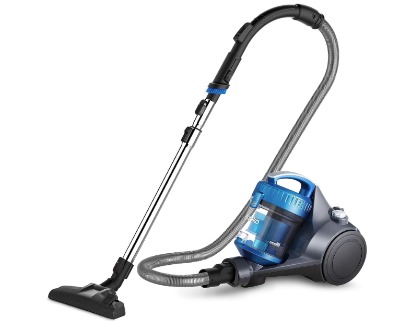
The Eureka WhirlWind combines powerful performance with budget-friendly pricing. This compact canister vacuum delivers impressive suction that tackles both hardwood floors and carpets with ease.
Product Description
This bagless canister features a 2.5-liter dust cup capacity and multi-cyclonic technology. The blue design looks modern and includes a combination floor nozzle that works on multiple surface types. At just under 8 pounds, it’s one of the lightest canister vacuums available.
The WhirlWind comes with several attachments: a crevice tool for tight spaces, a dusting brush for delicate surfaces, and an upholstery tool. The 17-foot power cord provides decent reach, and the automatic cord rewind function adds convenience.
Performance on Hardwood Floors
This vacuum excels on bare floors. The adjustable suction control lets you dial in the perfect power level for hardwood surfaces. The floor nozzle glides smoothly without scratching, and the multi-cyclonic system maintains consistent suction as the dust cup fills.
The compact design makes storage simple. It fits in small closets without taking up valuable space. The swivel steering responds instantly to wrist movements, letting you navigate around furniture legs and into corners effortlessly.
Pros:
- Lightweight construction makes it easy to carry between floors
- Bagless design eliminates ongoing costs
- Multi-cyclonic technology maintains strong suction
- Compact size perfect for apartments or small homes
- Affordable price point for budget-conscious buyers
- Quick-release dust cup empties cleanly
Cons:
- Shorter cord length compared to premium models
- Smaller dust capacity requires more frequent emptying
- Basic filtration system not ideal for severe allergies
- Plastic construction feels less durable than metal alternatives
- Attachments lack premium features
The Eureka WhirlWind offers exceptional value for basic hardwood floor cleaning. It’s perfect for smaller homes or as a secondary vacuum for quick cleanups.
2. Eureka Bagless Canister Vacuum Cleaner (NEN180)
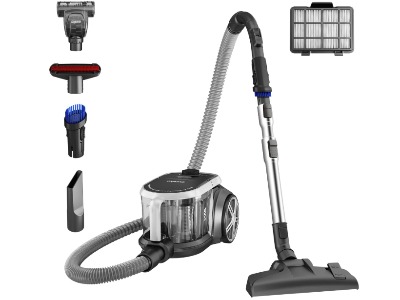
The NEN180 represents Eureka’s upgraded canister offering. This silver and black model builds on the WhirlWind’s foundation with enhanced features and improved build quality.
Product Description
This bagless canister boasts a larger motor that generates stronger suction than its smaller sibling. The 2.5-liter dust cup matches the WhirlWind, but the filtration system receives an upgrade with washable filters that trap more fine particles.
The NEN180 includes a telescoping wand that extends for high reach and compresses for storage. The combination floor tool adjusts automatically between hard floors and carpets. A longer 20-foot cord extends your cleaning radius.
Performance on Hardwood Floors
The increased motor power translates to superior cleaning on hardwood. This vacuum picks up embedded dirt from wood grain patterns that other models miss. The automatic height adjustment on the floor tool ensures optimal contact with your floors.
The telescoping wand eliminates bending and stretching. You can adjust it to your comfortable working height, reducing strain during extended cleaning sessions. The improved swivel mechanism offers even smoother steering than the entry-level model.
Pros:
- Powerful motor handles tough cleaning jobs
- Telescoping wand adjusts to user height
- Longer cord covers more area between outlet changes
- Washable filters reduce long-term costs
- Automatic floor tool adjustment saves time
- Better build quality than budget models
Cons:
- Heavier than the basic WhirlWind model
- Still lacks HEPA filtration
- Dust cup could be larger given the motor power
- Noisier operation than premium competitors
- Limited warranty coverage
The NEN180 strikes a nice balance between performance and affordability. It’s ideal for medium-sized homes with primarily hardwood flooring.
3. Eureka 3670M Canister Cleaner
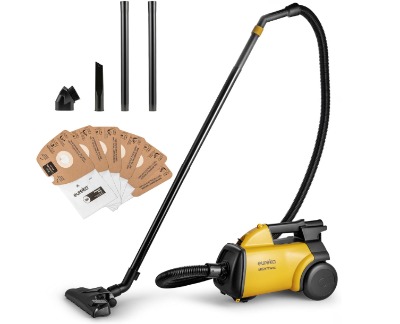
The 3670M takes a different approach with its bagged design. This yellow canister vacuum delivers reliable performance using traditional bag technology.
Product Description
This lightweight bagged canister weighs just 8 pounds without attachments. The compact motor generates impressive suction despite the small footprint. Eureka includes five disposable bags to get you started.
The 3670M features a simple mechanical design with minimal electronic components. A manual suction control dial lets you adjust power levels. The 20-foot cord reaches most areas in standard rooms.
The attachment set includes a crevice tool, dusting brush, and upholstery nozzle. The floor tool works on both hard floors and low-pile carpets. All accessories store on the vacuum body for convenient access.
Performance on Hardwood Floors
Bagged vacuums offer distinct advantages for hardwood floors. The sealed bag system prevents dust from escaping during disposal. You simply remove the full bag and throw it away without creating a dust cloud.
This model glides effortlessly across wood surfaces. The smooth plastic wheels won’t leave marks, and the floor tool’s soft bristles sweep debris into the suction path without scratching. The manual suction control gives you precise power adjustment.
Pros:
- Hygienic bag system contains dust during disposal
- Lightweight design easy to maneuver
- Simple mechanical operation means fewer parts to break
- Included bags provide immediate value
- Quiet operation compared to bagless models
- Affordable replacement bags keep costs low
Cons:
- Ongoing bag costs add up over time
- No HEPA filtration option
- Basic attachment selection
- Short hose limits reach
- No automatic cord rewind
- Dated design aesthetics
The 3670M appeals to users who prefer traditional bagged vacuums. It’s reliable, simple, and effective for regular hardwood floor maintenance.
4. Miele Classic C1 Pure Suction Bagged Canister Vacuum

The Miele Classic C1 represents premium German engineering. This graphite grey canister vacuum delivers professional-grade performance for discerning homeowners.
Product Description
Miele builds the C1 with exceptional attention to detail. The durable metal and high-grade plastic construction feels solid and substantial. The 1200-watt Vortex motor generates powerful yet whisper-quiet suction.
This bagged system uses Miele’s AirClean filtration with a six-stage process. The included SBB Parquet-3 floor tool specifically targets hard floors with soft natural bristles that protect delicate surfaces. A 21-foot cord provides ample reach.
The C1 includes three onboard attachments: a dusting brush, upholstery tool, and crevice nozzle. The telescoping stainless steel wand adjusts smoothly and locks securely. Miele rates this vacuum for a 20-year average lifespan.
Performance on Hardwood Floors
The Parquet-3 floor tool makes this vacuum exceptional on hardwood. Natural bristles gently sweep debris into the powerful suction stream without scratching even the most delicate finishes. The tool glides on smooth-rolling wheels that pivot effortlessly.
The motor operates at low noise levels thanks to sophisticated sound insulation. You can vacuum early morning or late evening without disturbing household members. The consistent suction power handles everything from fine sawdust to larger debris.
Miele’s AirClean bags hold substantial amounts of dust and seal automatically when removed. The filtration system captures 99.9% of particles, making this an excellent choice for allergy sufferers. The bags maintain full suction as they fill.
Pros:
- Superior build quality ensures decades of use
- Parquet-3 floor tool specifically designed for hardwood
- Exceptionally quiet operation
- Outstanding filtration captures allergens
- Lightweight and highly maneuverable
- Automatic bag seal prevents dust escape
- German engineering and reliability
- Excellent customer service and support
Cons:
- Premium price point
- Proprietary bags more expensive than generic options
- No bagless option available
- Limited color choices
- Requires specific Miele accessories
- No electric power brush for carpets in base model
The Miele Classic C1 justifies its premium price with unmatched quality and performance. It’s the best choice for homes with extensive hardwood flooring and owners who value long-term reliability.
5. Aspiron Canister Vacuum with 1600W Power
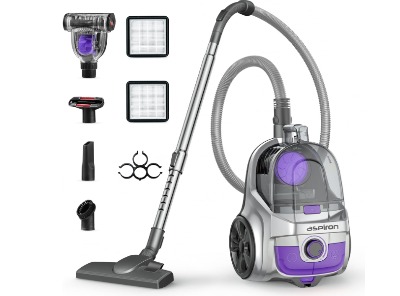
The Aspiron canister brings modern features and powerful performance at a competitive price. This lilac-colored vacuum combines high wattage with thoughtful design elements.
Product Description
The Aspiron features a robust 1600-watt motor that generates exceptional suction power. The bagless design includes a large 3.7-quart dust container that requires less frequent emptying. An H13 HEPA filter traps 99.97% of particles down to 0.3 microns.
This model includes five specialized tools: a combination floor brush, crevice tool, dusting brush, upholstery nozzle, and pet hair tool. The automatic cord rewind system handles the 20-foot power cable smoothly. Variable suction control lets you adjust power for different surfaces.
The cyclonic separation system maintains consistent suction as the dust container fills. Large rubber wheels provide smooth rolling on all floor types. The modern design includes LED indicators for filter maintenance.
Performance on Hardwood Floors
The powerful motor excels at deep cleaning hardwood floors. The combination floor brush transitions smoothly between bare floors and area rugs. The variable suction control lets you dial down power to prevent scattering lightweight debris.
The HEPA filtration system makes this vacuum ideal for allergy sufferers. It captures fine dust particles that trigger respiratory issues, returning only clean air to your room. The sealed system prevents leaks around connections.
The 3.7-quart capacity handles large cleaning sessions without interruption. The transparent container lets you see when it’s time to empty. The dust release mechanism works cleanly without creating dust clouds.
Pros:
- Powerful 1600W motor provides strong suction
- Large dust capacity reduces emptying frequency
- H13 HEPA filtration excellent for allergies
- Automatic cord rewind adds convenience
- Comprehensive tool set covers all cleaning needs
- Variable suction control protects delicate items
- Modern aesthetic fits contemporary homes
- Good value for the feature set
Cons:
- Heavier than compact models
- Louder operation than premium vacuums
- Plastic construction throughout
- Bulkier storage footprint
- Filter replacement costs add up
- Learning curve for attachment use
The Aspiron canister offers impressive specifications at a mid-range price. It’s ideal for larger homes with mixed flooring types and pet owners who need strong suction.
Key Features to Consider When Buying a Canister Vacuum
Suction Power and Motor Performance
Motor wattage doesn’t tell the whole story. Efficient airflow design matters more than raw power numbers. Look for models with sealed systems that channel all generated suction to the cleaning head. Multi-cyclonic technology maintains consistent performance as dust containers fill.
Variable suction control lets you adapt to different surfaces. Full power works great for deep cleaning, while reduced suction prevents scattering lightweight dust on bare floors. Electronic controls offer more precise adjustment than mechanical dials.
Filtration Systems
Filtration quality affects both cleaning performance and indoor air quality. Basic models use simple foam filters that require frequent washing. Better vacuums incorporate multi-stage filtration with pre-filters, motor filters, and exhaust filters.
HEPA filtration captures microscopic particles that trigger allergies and asthma. True HEPA filters meet strict standards for particle capture efficiency. Some brands use “HEPA-type” filters that don’t meet the same standards, so verify specifications carefully.
Bagged systems inherently provide better filtration than bagless designs. The bag itself acts as a large filter, trapping particles before they reach the motor. Quality bags maintain airflow while capturing dust effectively.
Floor Tools and Attachments
The right floor tool makes all the difference on hardwood. Look for wide cleaning heads with soft bristles or felt strips that protect wood finishes. Smooth-rolling wheels prevent scratching. Articulating necks let the tool follow floor contours.
A comprehensive attachment set expands your vacuum’s versatility. Crevice tools reach into tight spaces. Dusting brushes clean delicate items. Upholstery nozzles remove pet hair from furniture. Pet hair tools with rubber strips excel at removing embedded fur.
Attachment storage matters for convenience. Onboard storage keeps tools accessible. Some models offer clips on the wand for quick changes between attachments.
Maneuverability and Weight
Canister vacuums should feel effortless to use. Lightweight designs reduce fatigue during extended cleaning sessions. Look for models under 10 pounds for the main unit. The floor tool adds minimal weight.
Swivel steering lets you navigate around obstacles with wrist movements. Quality models pivot smoothly without binding. Large wheels roll easily over transitions between rooms and on thick carpets.
The hose should be flexible yet sturdy. It needs to bend smoothly without kinking. Swivel connections at both ends prevent twisting during use. Reinforced hoses resist crushing if you accidentally roll over them.
Cord Length and Rewind Systems
Longer cords reduce the need to change outlets. Look for 20-foot cords at minimum. The cleaning radius extends beyond cord length thanks to the hose and wand, but more cord coverage is always better.
Automatic cord rewind systems add convenience. Press a button and the cord spools back into the vacuum body. Quality rewind mechanisms pull smoothly without jerking. The cord should store completely inside the housing.
Manual cord wraps work fine but take longer. Some models include clips to secure the cord during storage. Proper cord management prevents tripping hazards and extends cord life.
Noise Levels
Canister vacuums run quieter than many uprights, but noise levels vary significantly between models. Premium manufacturers use sound insulation and efficient motor designs to reduce operating volume. This lets you clean without disturbing others.
Check decibel ratings when available. Levels below 70 dB qualify as quiet. Ratings above 80 dB become intrusive. Remember that some power loss accompanies extreme sound dampening, so balance noise with performance needs.
Dust Capacity and Emptying
Larger dust containers require less frequent emptying. This matters most for big homes or commercial use. Residential users typically find 2-3 liters adequate. Smaller capacities work fine for apartments or light cleaning.
Bagless models offer visual fill indicators. Empty the container before it reaches capacity to maintain peak suction. The emptying process should be clean and simple. Bottom-release mechanisms work better than top-loading designs.
Bagged systems exchange capacity for hygiene. Bags contain dust completely during removal and disposal. You never touch the collected dirt. Quality bags indicate when they’re full, preventing overfilling that reduces suction.
Maintaining Your Canister Vacuum for Optimal Performance
Regular maintenance keeps your canister vacuum working like new. Start by emptying the dust container or changing bags frequently. Don’t let them get more than three-quarters full. Overfilled containers reduce suction and stress the motor.
Clean or replace filters according to manufacturer recommendations. Washable filters need monthly cleaning in most households. Let them dry completely before reinstalling. Replace filters annually or when they show wear.
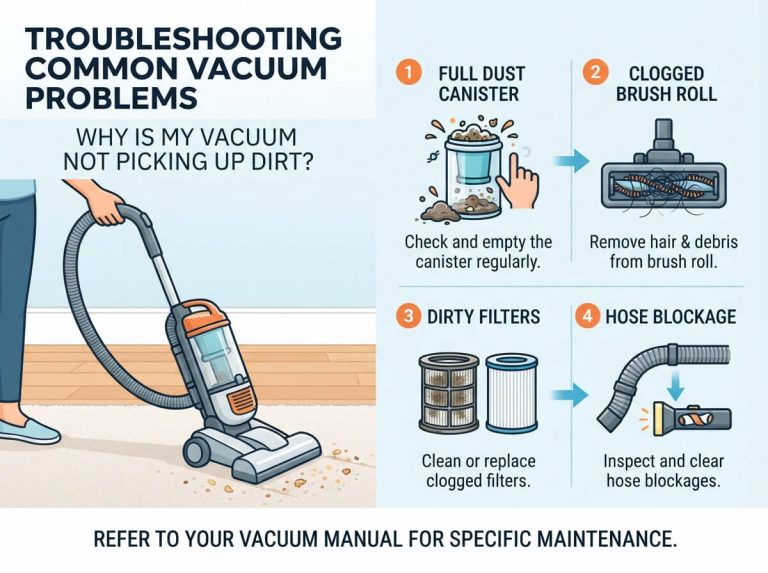
Check the floor tool and attachments for blockages. Hair wraps around brush rolls and clogs narrow passages. Remove debris regularly. Inspect hoses for cracks or holes that leak suction. Replace damaged components promptly.
The motor and fan assembly usually need no maintenance. Never open the motor housing unless you’re qualified to service it. Keep air intakes clear of obstructions. Wipe exterior surfaces with a damp cloth.
Store your vacuum in a dry location. Hang the hose to prevent permanent bends. Keep attachments organized so they’re ready when needed. Proper storage extends vacuum life significantly.
How to Use a Canister Vacuum Effectively on Hardwood Floors
Start by removing large debris manually. Pick up toys, paper, and other items that could clog your vacuum. Sweep or dry mop to gather loose dirt into piles if floors are very dusty.
Set suction to medium power for general cleaning. High suction can make the floor tool difficult to push and may scatter lightweight dust. Reduce power further when cleaning under furniture where dust tends to accumulate thickly.
Work systematically across your floor. Overlap your passes slightly to ensure complete coverage. Pull the vacuum toward you with smooth strokes. Let the suction do the work rather than pressing down hard on the tool.
Pay attention to edges and corners. Use the crevice tool along baseboards where the floor tool can’t reach. The dusting brush works well on window sills and door frames. Clean from top to bottom to avoid re-depositing dust on cleaned floors.
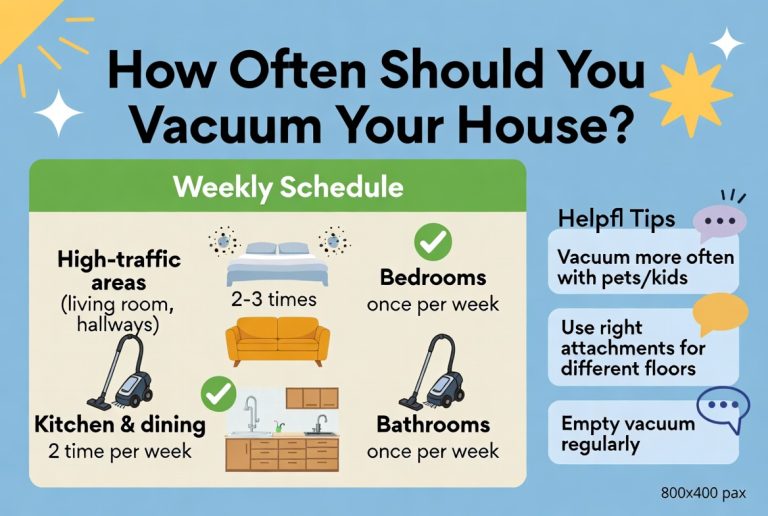
Vacuum high-traffic areas twice weekly and other areas weekly. This prevents dirt from embedding in wood grain where it becomes harder to remove. Regular light cleaning beats infrequent deep cleaning for maintaining hardwood beauty.
Understanding Different Canister Vacuum Types
Bagged vs. Bagless Designs
Bagged canister vacuums trap dust in disposable bags. This provides superior filtration and hygienic disposal. Bags cost money, but they eliminate exposure to collected allergens. They work well for allergy sufferers and commercial applications.
Bagless models save money on consumables. You empty a dust container instead of buying bags. The transparent container lets you see what you’ve collected. However, emptying exposes you to dust, and filters need more frequent maintenance.
Suction-Only vs. Powered Brush Models
Suction-only canisters rely entirely on airflow to clean. They excel on bare floors and low-pile carpets. The absence of a motorized brush roll means nothing to tangle with hair or threads. These models work perfectly for hardwood-focused homes.
Powered brush models add an electric brush roll in the floor tool. This deep cleans carpets but adds weight and complexity. The spinning brush can scratch hardwood if you’re not careful. These versatile machines handle mixed flooring but cost more.
Compact vs. Full-Size Models
Compact canisters prioritize portability and storage. They weigh less and take up minimal space. Smaller motors produce less suction, but this proves adequate for apartments and small homes. Dust capacity remains limited.
Full-size models deliver maximum power and capacity. They handle large homes and heavy cleaning sessions. The extra weight becomes noticeable on stairs. These vacuums require more storage space but offer superior performance.
Tips for Protecting Your Hardwood Floors During Vacuuming
Always check your vacuum’s floor tool for damage before use. Sharp edges or exposed metal can scratch wood finishes. Replace worn tools immediately. Inspect wheels for embedded debris that could leave marks.
Start with low suction settings and increase as needed. Excessive suction can pull up dirt so forcefully it scratches surfaces. It may also make the floor tool difficult to maneuver, causing you to push harder and potentially damage floors.
Avoid using beater bars or stiff brushes on hardwood. These aggressive tools are designed for carpet cleaning. They’ll scratch and dull wood finishes quickly. Stick with soft bristle attachments or smooth floor tools.
Clean up spills before vacuuming. Moisture combined with suction can damage wood floors. Let wet areas dry completely. Never vacuum damp floors, as this can introduce moisture into the vacuum motor.
Move furniture carefully when vacuuming underneath. Dragging furniture across floors causes more damage than any vacuum. Lift chairs and tables or use furniture sliders to protect your floors.
Establish a regular vacuuming schedule. Frequent light cleaning prevents dirt buildup that requires aggressive deep cleaning. This gentle approach extends the life of both your floors and your vacuum.
Common Problems and Troubleshooting Solutions
Loss of Suction
Reduced suction usually indicates a blockage or full dust container. Empty the container or change the bag first. Check the hose for clogs by disconnecting it and looking through. A flashlight helps spot obstructions.
Examine filters next. Dirty filters restrict airflow significantly. Clean washable filters or replace disposable ones. Make sure filters are completely dry before reinstalling after washing.
Inspect all connections for gaps. The hose must seal tightly to the vacuum body and wand. Cracks in the hose leak suction. Replace damaged hoses promptly. Check the floor tool for blockages, especially around the brush roll area.
Strange Odors
Musty smells come from dirty filters or dust containers. Clean or replace filters. Wash bagless containers with mild detergent and dry thoroughly. Some odors dissipate after the vacuum runs for a few minutes with fresh filters.
Burning smells indicate serious problems. Turn off the vacuum immediately. Check for blockages causing motor strain. Hair wrapped around brush bearings creates friction and burning odors. Remove all tangled debris.
If burning smells persist after clearing blockages, stop using the vacuum. The motor may be failing. Professional service or replacement becomes necessary. Never ignore burning odors, as they can indicate fire hazards.
Difficult Maneuverability
Stiff movement usually means wheel problems. Check all wheels for hair and thread tangles. Clean wheel axles. Lubricate wheels if manufacturer instructions allow. Replace worn wheels that don’t roll smoothly.
A kinked hose restricts movement. Straighten hoses carefully without forcing them. Replace hoses that won’t straighten. Store hoses properly to prevent permanent bends.
Swivel connections may need cleaning. Dirt in pivot points causes binding. Wipe connections clean and check for damage. Some manufacturers recommend occasional lubrication of swivel joints.
Comparing Canister Vacuums to Other Vacuum Types
Canister vs. Upright Vacuums
Upright vacuums put all components in one vertical unit. This makes them simpler to push around large carpeted areas. However, their weight concentrates directly on your floors, increasing scratch risk on hardwood.
Canisters distribute weight differently. The heavy motor unit rolls behind on wheels while you guide a lightweight wand. This design protects delicate floors. Canisters also excel at above-floor cleaning like drapes and upholstery.
Uprights typically cost less than comparable canisters. They require less storage space since everything compacts vertically. But canisters offer superior versatility and gentler cleaning on hard surfaces.
Canister vs. Robot Vacuums
Robot vacuums provide automated convenience. They clean while you’re away or busy with other tasks. However, their small motors and dust bins can’t match canister performance. They work well for maintenance cleaning between manual sessions.
Canisters deliver deep cleaning power that robots can’t match. They remove embedded dirt and handle tough jobs. The manual operation gives you control over problem areas. Canisters clean faster when you’re actively using them.
Many homeowners use both types. Robots handle daily maintenance while canisters tackle weekly deep cleaning. This combination maintains pristine floors with minimal effort.
Canister vs. Stick Vacuums
Stick vacuums offer cordless convenience and lightweight handling. They work well for quick cleanups and small homes. Battery life limits cleaning sessions, and suction power remains modest compared to canisters.
Canisters provide unlimited runtime through corded power. Their larger motors generate stronger suction. The increased dust capacity handles bigger jobs. Canisters cost more initially but last longer than most stick vacuums.
Stick vacuums excel as supplementary cleaners. Keep one handy for quick spills while your canister handles scheduled deep cleaning. This approach combines convenience with thorough cleaning power.
Environmental Considerations and Energy Efficiency
Modern canister vacuums use energy more efficiently than older models. Look for Energy Star certified units that meet strict efficiency standards. These vacuums deliver strong performance while consuming less electricity.
Bagless models eliminate disposable bag waste. However, they require filter replacements that create their own disposal issues. Bagged vacuums produce waste but offer better filtration. Consider your priorities when evaluating environmental impact.
Quality construction affects long-term sustainability. A well-built vacuum lasting 15-20 years creates less waste than cheap models replaced every few years. Premium brands often offer repair services that extend vacuum life further.
Proper maintenance maximizes energy efficiency. Clean filters allow maximum airflow with minimum power consumption. Regular service prevents motor strain that wastes electricity. These practices reduce both energy bills and environmental impact.
Budget Considerations and Value Assessment
Canister vacuum prices range from under $100 to over $1000. Budget models provide basic functionality adequate for small homes and light use. Mid-range options offer better durability and features. Premium vacuums deliver exceptional performance and longevity.
Calculate long-term costs when comparing models. Bagless vacuums save on bags but require filter replacements. Bagged models have ongoing bag costs but filters last longer. Factor in these expenses over your expected ownership period.
Consider repair costs and availability. Some brands offer extensive service networks and affordable replacement parts. Others become expensive to fix or require complete replacement after failures. Warranty coverage indicates manufacturer confidence in reliability.
The best value comes from matching vacuum capabilities to your needs. Don’t overspend on features you won’t use. Conversely, saving money on an inadequate vacuum leads to frustration and replacement costs. Assess your home size, flooring types, and cleaning frequency honestly.
Making Your Final Decision
Start by evaluating your space. Measure your largest rooms to understand cord length needs. Count hardwood floor square footage versus carpeted areas. Note any cleaning challenges like pet hair or allergies.
List must-have features versus nice-to-have options. Prioritize based on your specific situation. Someone with severe allergies needs HEPA filtration. Pet owners benefit from specialized tools. Large homes require bigger dust capacity.
Read reviews from actual users with similar situations. Professional reviews help, but real-world experiences reveal long-term reliability and satisfaction. Look for patterns in feedback rather than isolated complaints.
Test vacuums before buying when possible. Some retailers offer floor models you can try. Feel the weight, check maneuverability, and assess build quality. These hands-on evaluations prevent disappointing purchases.
Consider future needs beyond current requirements. Will you move to a larger home? Are you planning to get pets? Buy slightly more vacuum than you need today to avoid outgrowing it quickly.
Conclusion
The right canister vacuum transforms hardwood floor maintenance from a chore into a quick, effective task. Each vacuum reviewed here offers distinct advantages for different situations and budgets.
The Eureka WhirlWind provides outstanding value for basic needs. Its lightweight design and affordable price make it perfect for apartments and budget-conscious buyers. The NEN180 builds on this foundation with enhanced power for medium-sized homes.
The Eureka 3670M appeals to traditionalists who prefer bagged reliability. Its simple design and hygienic disposal make it a solid choice for those who value straightforward operation.
The Miele Classic C1 represents the pinnacle of canister vacuum design. Its premium construction and specialized hardwood floor tool justify the investment for discerning homeowners. This vacuum will likely outlast several cheaper alternatives.
The Aspiron canister delivers modern features at a competitive price. Its powerful motor, HEPA filtration, and comprehensive tool set make it ideal for larger homes with mixed flooring and air quality concerns.
Your hardwood floors deserve protection and proper care. These canister vacuums provide the gentle yet effective cleaning that keeps wood surfaces beautiful for decades. Assess your specific needs, consider your budget, and choose the model that best matches your situation. Your floors will thank you with lasting beauty and durability.

Hi, I’m Mary, the founder of Homygear.com. I’m passionate about creating a comfortable, smart, and beautiful home. I share practical insights and real-world experience on home gear that makes everyday life easier. Behind the scenes, my dedicated research team studies products in depth, and our writers craft honest reviews using trusted, authentic sources—so you can choose home gear with confidence.