
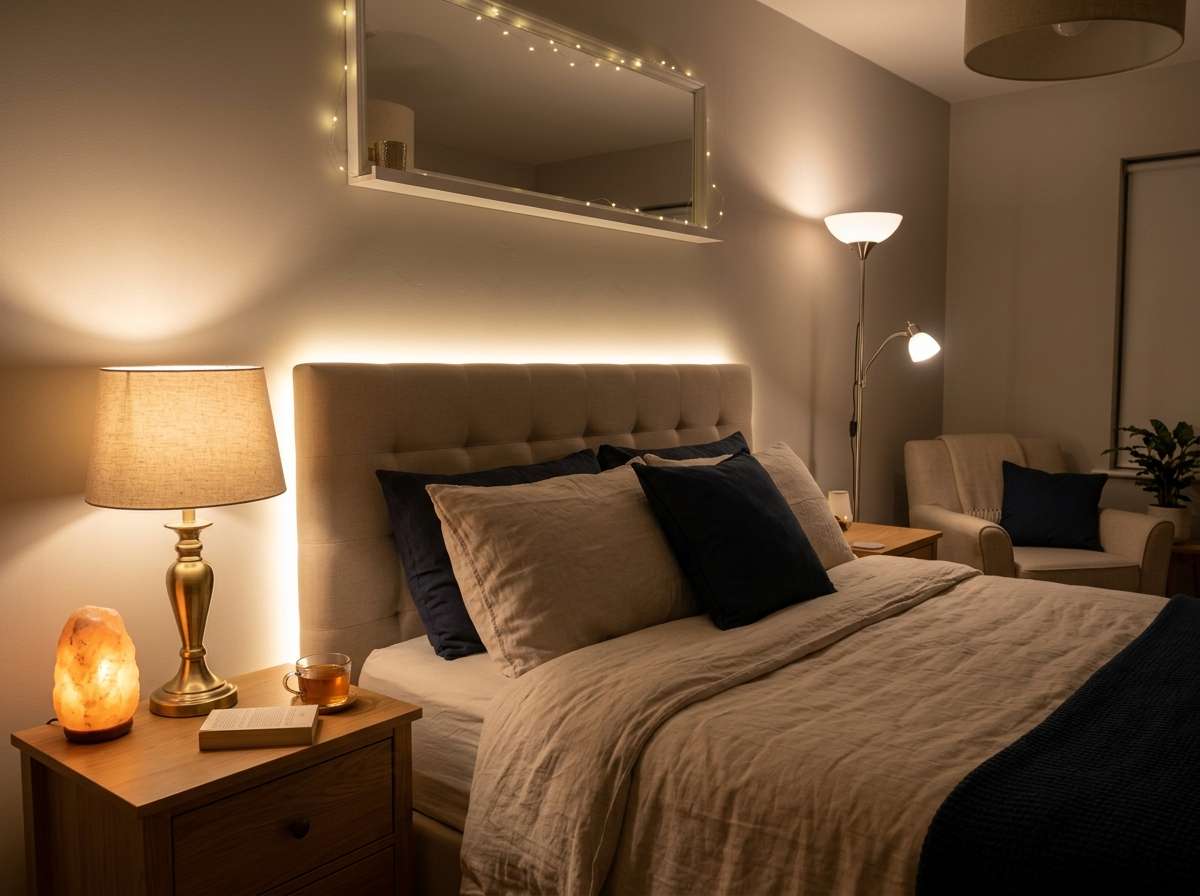
Bedroom Lighting Ideas for Relaxation
Your bedroom is your sanctuary. It’s the place where you escape from the busy world and recharge your body and mind. The right lighting transforms your bedroom from just a room into a peaceful retreat where you can truly unwind. Think about how you feel when the lights are too bright or too harsh—it’s uncomfortable, right? That’s because lighting plays a huge role in how you feel in any space.
Most people don’t realize how much their bedroom lights affect their ability to relax and sleep well. You might toss and turn at night without understanding why. The answer often lies in the lighting setup. Poor lighting can keep your brain awake and alert when you should be resting. Good lighting, on the other hand, signals to your body that it’s time to wind down.
This guide walks you through everything you need to know about creating the perfect lighting environment for rest and relaxation. We’ll explore different light types, fixture options, and practical tips you can use right now to transform your bedroom into a calming space.
Why Bedroom Lighting Matters for Sleep and Relaxation
The connection between light and sleep is backed by science. Your body has a natural clock called the circadian rhythm. This internal rhythm responds to light and darkness. When your eyes detect bright light, your brain stops making melatonin, the hormone that helps you sleep. When it’s dark, melatonin production kicks in, making you drowsy.
If your bedroom has lights that mimic daytime brightness, your body gets confused. Your brain thinks it’s still time to be awake and active. This can lead to insomnia, restless nights, and poor sleep quality. On the flip side, dim, warm lighting tells your body that bedtime is approaching. Your body naturally begins preparing for sleep.
Relaxation goes beyond just sleeping, too. Many people spend time in their bedrooms reading, working on hobbies, or simply resting before bed. The right lighting makes these activities enjoyable rather than tiring on your eyes. Proper bedroom lighting reduces eye strain, headaches, and the fatigue that comes from staring at badly lit spaces.
Understanding Different Types of Light
Not all light is the same. Light has different qualities, and knowing about them helps you pick the right fixtures for your bedroom.
Warm Light vs. Cool Light
Warm light has a soft, yellowish tone. It looks like candlelight or a sunset. This type of light feels cozy and inviting. Your body associates warm light with evening and nighttime, which is exactly what you want in a bedroom. Warm light encourages relaxation and helps trigger your sleep response.
Cool light, on the other hand, appears blue or white. It’s bright and energetic. This light mimics natural daylight. While cool light is great for your workspace or kitchen, it’s not ideal for bedrooms. Cool light can keep you alert and make it harder to fall asleep.
When you shop for light bulbs, look for the color temperature measured in Kelvin (K). Lower numbers mean warmer light. For bedrooms, aim for bulbs between 2700K and 3000K. These numbers give you that soft, warm glow that makes your space feel peaceful.
Brightness Levels Matter
Brightness, measured in lumens, directly affects how you feel. A bright bedroom might feel energizing, but that’s not what you want before sleep. Dimmer light is more relaxing and easier on your eyes in the evening.
A dark bedroom is ideal for actually sleeping. However, if you’re reading or getting ready, you need enough light to see safely. This is why layered lighting works so well. More on that in the next section.
Layered Lighting: The Secret to Bedroom Success
Layered lighting means using different light sources at different levels in your room. Think of it like building a sandwich with multiple layers. Each layer serves a different purpose, and together they create the perfect environment.
The three main layers are ambient lighting, task lighting, and accent lighting.
Ambient Lighting
Ambient lighting is your general room light. It fills your whole room with soft illumination. This light source keeps your room from being completely dark while you’re awake. Many bedrooms use a central ceiling fixture for ambient light, but this can be too harsh.
Better ambient light options include wall sconces on either side of your bed, soft floor lamps in corners, or a dimmer switch on your ceiling fixture. Dimmers are game changers. They let you adjust brightness based on your mood and time of day. During evening hours, you can lower the brightness. At night, you can dim it even more.
Task Lighting
Task lighting is focused light for specific activities. If you read in bed, you need task lighting. Reading lights should aim at your book without shining in your face. Bedside table lamps work well for this. Wall-mounted reading lights that swing out from the wall are another excellent option.
When you’re getting ready in the morning, a well-lit bathroom or vanity mirror helps. Some people install small wall lights on either side of a bedroom mirror. These help you see clearly without being so bright that they disrupt your sleep schedule.
Accent Lighting
Accent lighting adds visual interest and mood to your space. It’s not about function—it’s about feeling. Accent lights include string lights, LED candles, or small decorative lamps. These light sources create a warm, inviting atmosphere. They help you feel the relaxation you’re trying to achieve.
Popular Bedroom Lighting Fixtures for Relaxation
Now that you understand lighting principles, let’s look at actual fixtures you can use.
Wall Sconces
Wall sconces are lights mounted directly on your walls. They’re fantastic for bedrooms because they provide soft, diffused light. Sconces on each side of your bed give you balanced lighting without a single bright light source overhead.
Place sconces at about eye level when you’re sitting in bed. This position lets you read comfortably and adjust light as needed. Look for sconces with warm-toned bulbs and ideally with a dimmer switch. Some modern sconces have built-in dimmers, which is super convenient.
Bedside Table Lamps
Simple bedside table lamps are a bedroom essential. A lamp on each nightstand gives you individual control over lighting on your side of the bed. Choose lamps with soft, opaque shades that diffuse light evenly. Avoid shiny, reflective shades that bounce light directly into your eyes.
Table lamps with three-way bulbs let you switch between low, medium, and high brightness. This flexibility makes them perfect for different activities and times of day.
Ceiling Fixtures with Dimmers
A central ceiling light with a dimmer switch works well if you have the right bulb. Make sure your bulb is dimmable. Not all bulbs work with dimmers. The fixture itself should feel modern and unobtrusive so it doesn’t dominate your room visually.
Consider softer ceiling fixtures rather than harsh recessed lights. Flush-mount fixtures with frosted glass diffusers soften the light and make it feel more welcoming.
String Lights and Fairy Lights
String lights add a magical, calming atmosphere. Warm white string lights draped around your bedroom create soft, ambient glow. They’re inexpensive and easy to install. You can drape them around a headboard, along a shelf, or around a window frame.
These lights work best as supplementary accent lighting rather than your main light source. They create the perfect background for relaxation without being functional for tasks like reading.
LED Strip Lights
Modern LED strip lights offer flexibility and style. You can install them behind your headboard, along the baseboards, or above crown molding. LED strips come in warm and cool tones. Go for warm white for bedrooms.
The best part about LED strips is that many come with remote controls. You can adjust brightness and sometimes even color without leaving your bed. Some smart LED strips connect to your phone, letting you set lighting schedules automatically.
Floor Lamps
A tall floor lamp in a corner provides soft ambient light without taking up much space. Choose lamps with fabric shades that diffuse light gently. Arc floor lamps that curve over your bed offer targeted light for reading while keeping the overall room dimly lit.
Floor lamps work great if you can’t install wall fixtures or don’t want to make changes to your bedroom walls.
Smart Lighting Solutions for Modern Bedrooms
Technology offers amazing options for bedroom lighting control.
Smart Bulbs
Smart bulbs connect to your phone or voice assistants like Alexa or Google Home. You can dim lights, change color temperature, or turn lights on and off without getting out of bed. Some smart bulbs let you set schedules so lights gradually brighten in the morning or dim in the evening.
Many smart bulbs offer warm white tones perfect for relaxation. Some premium options let you adjust the color temperature throughout the day, supporting your natural circadian rhythm.
Automated Lighting Schedules
Set up automatic dimming schedules. Your lights can gradually brighten in the morning and slowly dim in the evening. This mimics natural daylight patterns and helps regulate your sleep cycle.
If your bedroom has smart lights, you can program them to reach a low, warm setting at your bedtime. This gentle transition helps your body recognize that sleep is coming.
Voice Control
Controlling lights with voice commands is convenient and relaxing. You don’t need to get up or find a switch. Just say “dim the lights to 20 percent” and your room adjusts. This hands-free control makes your bedroom feel more like a personal retreat.
Color Psychology in the Bedroom
Colors influence how you feel. Warm colors like orange, red, and yellow feel cozy and inviting. Cool colors like blue and green feel calm and peaceful. Your bedroom lighting should reflect colors that make you feel relaxed.
Warm white light complements soft, neutral bedroom colors perfectly. If your walls are blue or green, warm light from lamps creates a balanced, soothing environment. If your bedroom is painted in warm neutrals like beige or tan, warm lighting enhances that cozy feeling.
Think about the mood you want. A bedroom with soft peach or cream walls lit by warm lamps feels intimate and peaceful. The same room with cool white lights feels cold and uninviting.
Practical Tips for Setting Up Your Bedroom Lighting
Now let’s get practical. Here are steps you can take to improve your bedroom lighting today.
Start with a Dimmer Switch
If you have a ceiling light, install a dimmer switch. This single change gives you complete control over your lighting. You can have bright light for cleaning or getting ready and low light for relaxation. Dimmers are inexpensive and easy to install if you’re comfortable with basic electrical work. If not, hire an electrician.
Add Bedside Lighting
Get quality lamps for your nightstands if you don’t have them. Choose lamps with warm-toned shades. Avoid lamps that shine light directly in your face. Instead, pick ones where the shade diffuses light around the room.
Use Warm Bulbs
Go through your bedroom and replace existing bulbs with warm white bulbs (2700K to 3000K). This might be the easiest, most affordable improvement you can make. Modern LED bulbs are energy efficient and last for years.
Install Wall Sconces
If you’re willing to make permanent changes, add wall sconces on either side of your bed. They replace the need for a bright overhead light. Have an electrician install them if you’re not experienced with electrical work.
Add Accent Lighting
Include one or two accent light sources like string lights or small decorative lamps. These create ambiance without serving a functional purpose. They’re the finishing touch that makes your bedroom feel like a true retreat.
Test Before You Commit
If you’re unsure about changes, test them first. Plug in lamps to see if you like their placement. Use smart bulbs temporarily to see if automation appeals to you. You don’t have to commit to permanent installations right away.
Lighting for Different Bedroom Activities
Your bedroom isn’t just for sleeping. Let’s look at lighting for other activities.
Reading in Bed
Reading requires enough light to see clearly without straining your eyes. A wall sconce above your head or a bedside lamp works well. Position the light so it shines on your book but doesn’t glare off the pages. Consider a swing-arm wall lamp that you can angle precisely.
If your partner is sleeping, use focused task lighting on your side of the bed. Avoid light that spills across to their side.
Getting Ready
If you do morning routines in your bedroom, you need brighter task lighting. A well-lit vanity mirror or bathroom light is essential. If your vanity is in the bedroom, install lights on both sides of the mirror. This prevents shadows on your face and lets you see clearly.
Relaxing Before Bed
For winding down, you want soft, warm, dim light. Multiple low-level light sources create a peaceful atmosphere. Your ambient lighting on a dimmer, plus a soft accent light or two, creates the perfect environment for the hour before bed.
Working or Studying
If you work at a desk in your bedroom, you need brighter light without glare. Position a desk lamp so light falls on your work surface. Use warm white bulbs rather than cool white to maintain a calming environment even while being productive.
Common Bedroom Lighting Mistakes to Avoid
Learning from mistakes helps you make smart choices.
Relying on a Single Overhead Light
One bright ceiling light doesn’t work well for relaxation. It’s either too bright or too dim depending on what you’re doing. Use layered lighting instead.
Using Cool White Bulbs
Cool white light is energizing and keeps your brain alert. Save it for work areas. Your bedroom deserves warm light that supports relaxation and sleep.
Forgetting About Light Direction
Where light comes from matters. Overhead lights create harsh shadows and can feel unflattering. Lights at your sides or at lower levels feel softer and more welcoming.
Neglecting to Use Dimmers
Dimmers give you control. Without them, you’re stuck with whatever brightness the bulb provides. Dimmers are worth the small cost and effort.
Too Much Bright Task Lighting
If you have bright lights for tasks, make sure you can dim or turn them off. You shouldn’t have bright reading lights on all the time. They should only be on when you need them.
Ignoring Light Pollution from Electronics
Your phone, tablet, and television emit blue light that disrupts sleep. Even if your bedroom lights are perfect, a glowing screen can ruin your sleep. Turn devices off or use blue light filters in the hour before bed.
Budget-Friendly Bedroom Lighting Ideas
Good bedroom lighting doesn’t require spending a fortune.
Start with Bulbs
Replace your current bulbs with warm white, dimmable LEDs. This costs very little but makes a huge difference. LED bulbs also last longer and use less energy, saving you money over time.
Add Affordable Lamps
Bedside lamps and floor lamps don’t have to be expensive. Many stores offer good-quality lamps at reasonable prices. Look for simple designs with warm-toned shades.
String Lights and Fairy Lights
These decorative lights are inexpensive. A strand of warm white string lights costs just a few dollars but creates beautiful ambiance.
DIY Dimmer Installation
If you’re handy, installing a dimmer switch is a weekend project. You’ll save on labor costs by doing it yourself. Watch tutorials online first to make sure you’re comfortable.
Thrift Store Finds
Check thrift stores for vintage lamps and fixtures. Many thrift stores have lighting options at fraction of retail prices. You might find unique pieces that fit your bedroom’s style.
Bedroom Lighting for Better Sleep Quality
Your primary goal for bedroom lighting is often better sleep. Here’s how to optimize for sleep specifically.
Keep It Dim
Your bedroom should be very dim at night. Use minimal lighting, and make sure light doesn’t come from windows. Blackout curtains prevent outside light from disrupting your sleep.
Use Red Light
Red light is the least disruptive to melatonin production. Some people use red nightlights or red bulbs for minimal, safe lighting if they need to get up at night. Red light won’t jolt your brain awake.
Avoid Screens Before Bed
Blue light from screens delays melatonin production. Put your phone, tablet, and laptop away an hour before bedtime. This gives your body time to prepare for sleep.
Create an Evening Routine
Use your bedroom lighting to signal bedtime. Start dimming lights an hour before you want to sleep. This gradual transition helps your body understand it’s time to rest.
Keep It Dark When Sleeping
Once you’re in bed, your bedroom should be completely dark. Even small amounts of light can disrupt sleep quality. If you need a nightlight, use the lowest setting possible or a red light option.
Seasonal Adjustments to Bedroom Lighting
Your lighting needs might change with seasons.
Winter Lighting
In winter, days are shorter and darker. You might need slightly brighter ambient lighting during evening hours to help you get things done. However, be sure to dim lights well before bedtime to prepare your body for sleep.
Summer Lighting
Summer brings early sunrises and late sunsets. Your bedroom might stay bright later into the evening. Use blackout curtains or light-blocking shades to create darkness when you’re ready for bed. Evening light can shift your sleep schedule later, so controlling light becomes even more important.
Maintenance and Lighting Health
Taking care of your lighting system keeps it working well and safe.
Replace Bulbs Regularly
Even LED bulbs eventually dim or fail. Replace them promptly. Dim lighting might seem moody, but outdated bulbs aren’t providing the full benefit.
Clean Light Fixtures
Dust and dirt on light fixtures reduce brightness. Clean your lamps and fixtures occasionally so they work at full capacity.
Check for Safety Issues
Make sure your lamps are stable and won’t tip easily. Check cords for damage. Use surge protectors if needed. Your bedroom lighting should be safe as well as relaxing.
Conclusion
Your bedroom lighting creates the environment where you spend about a third of your life. Taking time to get it right pays huge dividends in sleep quality, relaxation, and overall wellbeing.
Start small if you’re feeling overwhelmed. Begin with warm bulbs in a few key fixtures. Add a dimmer to your ceiling light. Graduate to layered lighting with wall sconces and accent lights as your budget allows. These changes transform your bedroom from an ordinary room into a personal retreat.
Remember the principles: warm light feels relaxing, layers give you flexibility, dimming is essential, and brightness should be under your control. These guidelines work whether you’re making big changes or small tweaks.
Your bedroom belongs to you. You get to design it exactly how you want. With the right lighting, you’ll find yourself looking forward to bedtime. You’ll sleep better, feel more relaxed, and wake up refreshed. That’s the power of thoughtful bedroom lighting. Start making changes today, and you’ll feel the difference tonight.

Hi, I’m Mary, the founder of Homygear.com. I’m passionate about creating a comfortable, smart, and beautiful home. I share practical insights and real-world experience on home gear that makes everyday life easier. Behind the scenes, my dedicated research team studies products in depth, and our writers craft honest reviews using trusted, authentic sources—so you can choose home gear with confidence.