5 Best Can Lighting For Kitchen In 2026
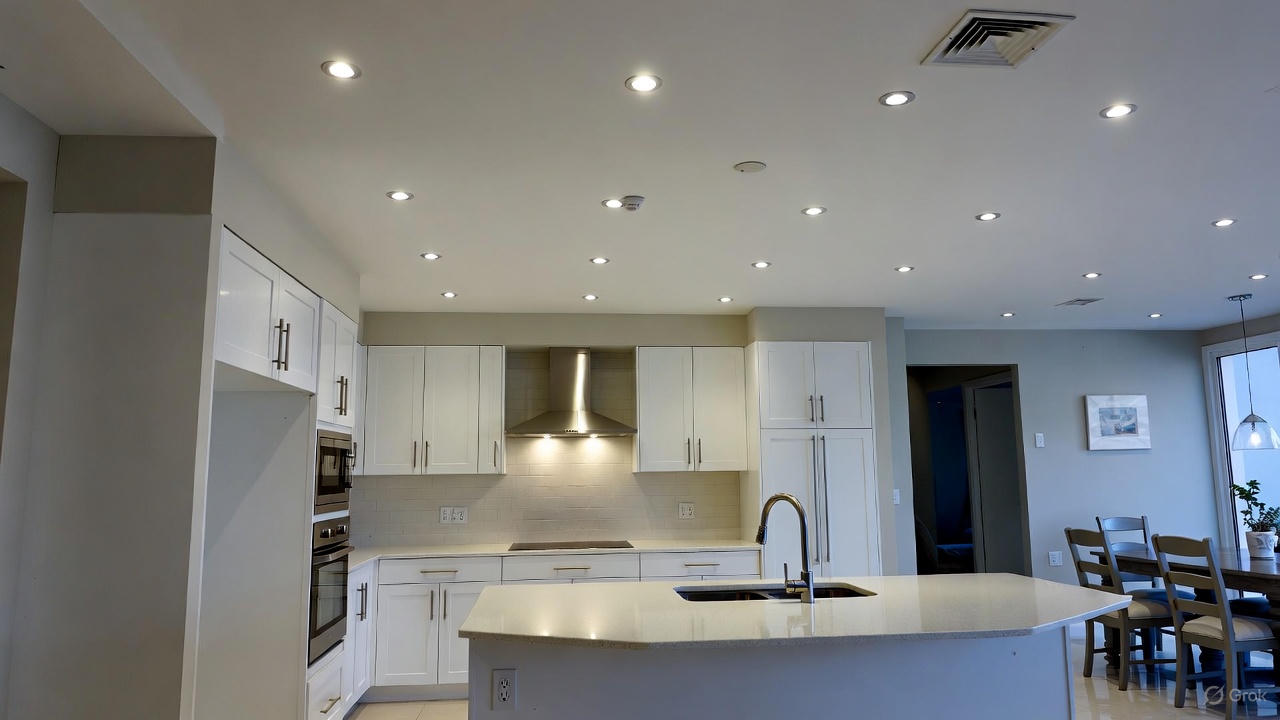
Lighting transforms a kitchen from a basic cooking space into the heart of your home. When you’re preparing meals, reading recipes, or entertaining guests, proper illumination makes everything easier and safer. Can lights—also known as recessed lighting—have become the go-to solution for modern kitchens because they provide bright, even light without taking up visual space or hanging down from the ceiling.
These fixtures sit flush with your ceiling, creating a clean, streamlined look that works with any kitchen style. They’re practical for task lighting over countertops and islands, yet versatile enough to provide ambient lighting for the entire room. But with hundreds of options on the market, finding the right can lights for your kitchen can feel overwhelming.
This comprehensive review breaks down five excellent LED recessed lighting options that stand out for their performance, features, and value. Each product has been evaluated based on real-world use in kitchens, taking into account brightness, color flexibility, installation ease, and long-term reliability. Whether you’re building a new kitchen or upgrading existing fixtures, you’ll find detailed information to help you make the right choice.
Why LED Can Lights Are Perfect for Kitchens
Before diving into specific products, it’s worth understanding why LED recessed lights have become the standard for kitchen lighting. Traditional incandescent bulbs waste energy as heat and burn out quickly. LED technology changed everything by providing bright, focused light while using a fraction of the electricity.
For kitchens specifically, LED can lights offer several advantages. They generate minimal heat, which matters when you’re already dealing with ovens and stovetops. They last for decades rather than months, meaning you won’t be climbing ladders to change bulbs constantly. Modern LEDs also offer color temperature control, letting you switch between warm, cozy light for dining and bright, cool light for food prep.
The recessed design keeps your ceiling clear and your kitchen looking spacious. This matters particularly in kitchens with lower ceilings or lots of upper cabinets where pendant lights might create a cramped feeling. Can lights also distribute illumination evenly, eliminating the harsh shadows that single overhead fixtures can create.
1. Amico 12 Pack 6 Inch 5CCT Ultra-Thin LED Recessed Ceiling Light
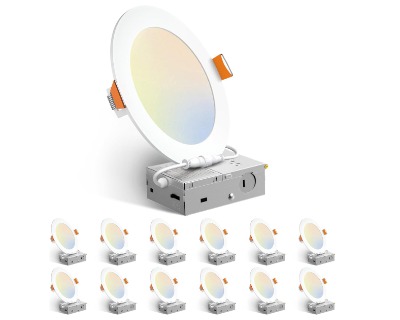
The Amico 12-pack stands out as a complete kitchen lighting solution in a single purchase. These ultra-thin fixtures measure just 6 inches in diameter and come with integrated junction boxes, which simplifies installation considerably compared to traditional recessed lighting that requires separate housing.
Product Description
These canless wafer downlights represent modern LED technology at its most practical. Each fixture produces 1050 lumens of brightness from just 12 watts of power consumption. The “5CCT” designation means five color temperature options: warm white, soft white, neutral white, cool white, and daylight. You can switch between these temperatures using a small switch on the fixture itself before installation.
The ultra-thin profile means these lights require minimal ceiling clearance—just about an inch of space above your drywall. This makes them perfect for retrofit projects where you might not have deep ceiling cavities or where ductwork and other obstacles limit your options. The integrated junction box eliminates the need for a separate electrical box, streamlining the installation process.
These fixtures are dimmable when paired with compatible LED dimmer switches, allowing you to control the ambiance of your kitchen throughout the day. They carry both ETL and FCC certifications, confirming they meet safety and electromagnetic compatibility standards.
Pros
The integrated junction box is a game-changer for DIY installation. Rather than mounting a separate electrical box and then installing the light fixture, you’re essentially handling one component. This cuts installation time significantly, particularly if you’re installing all twelve lights for a complete kitchen renovation.
The five color temperature options provide flexibility you can’t get from fixed-temperature lights. You might want 3000K soft white for your main kitchen area but 5000K daylight over your island workspace. With these fixtures, you can customize each location. The switching happens before installation with a simple toggle, so you’re not dealing with complicated controls or apps.
At 1050 lumens per fixture, these lights provide plenty of illumination for kitchen tasks. That’s roughly equivalent to a 75-watt incandescent bulb, but from just 12 watts of actual power consumption. For a typical kitchen, spacing six to eight of these fixtures creates excellent overall lighting without dark corners.
The twelve-pack pricing offers significant value compared to buying lights individually. When you’re doing a whole-kitchen installation, this bundling translates to real savings. The ultra-thin design also means you can install these in situations where traditional recessed cans simply won’t fit.
Cons
The 1050-lumen output, while adequate for most situations, isn’t the brightest option available. If you have a particularly large kitchen or very dark cabinets and countertops that absorb light, you might wish for more punch. Some users find they need to install lights closer together than initially planned to achieve their desired brightness level.
The color temperature selection requires you to decide before installation. Once the light is mounted in your ceiling, changing the temperature setting means removing the fixture. This isn’t a huge issue if you plan carefully, but it lacks the convenience of adjustable lights that can be changed after installation.
The dimmability depends entirely on having a compatible LED dimmer switch. Standard dimmer switches designed for incandescent bulbs often cause flickering or buzzing with LED fixtures. You’ll need to factor in the cost and installation of LED-compatible dimmers if you don’t already have them.
Best For
These lights work exceptionally well for whole-kitchen retrofit projects where you’re replacing old lighting or installing recessed lights for the first time. The twelve-pack size and integrated junction boxes make tackling a complete kitchen installation in a single weekend realistic for someone with basic electrical skills. They’re particularly valuable in homes with shallow ceiling depths or in condos and apartments where ceiling access is limited.
2. Sunco 4 Pack LED Recessed Lighting 6 Inch Retrofit
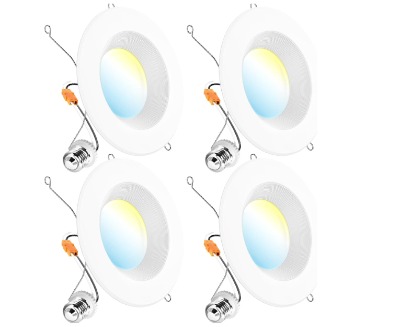
The Sunco retrofit kit takes a different approach, designed specifically for replacing existing recessed lights rather than new construction. These fixtures fit into your current recessed cans, making them ideal for updating old incandescent or halogen can lights without the mess and expense of cutting new holes or running new wiring.
Product Description
Each Sunco fixture produces 965 lumens from 13 watts of power, delivering bright illumination while using about 75 watts less than the incandescent bulbs they replace. The “selectable CCT” feature provides five color temperature options: 2700K, 3000K, 3500K, 4000K, and 5000K. A small switch on the side of the fixture lets you choose your preferred temperature before installation.
The baffle trim design reduces glare by creating a stepped interior surface that traps light reflections. This creates a softer, more diffused light output compared to smooth-trim fixtures. The lights carry a damp location rating, making them suitable for kitchens where steam and moisture are present (though not for direct water exposure like showers).
These fixtures are fully dimmable and come with a five-year warranty from Sunco, a company known for standing behind their products. The retrofit design includes clips that grip the inside of your existing recessed can, making installation a matter of plugging in a connector and squeezing the clips into place.
Pros
The retrofit design is brilliantly simple for upgrading existing lighting. If you have old can lights in your kitchen that use screw-in bulbs, you can transform them into integrated LED fixtures in minutes. No drywall work, no electrical rewiring beyond connecting the fixtures—just clip them into your existing cans.
The baffle trim creates a professional, finished look while also improving light quality. Instead of seeing a flat disk of bright LED in your ceiling, you get a stepped surface that diffuses the light and reduces eye strain. This matters in kitchens where you’re looking up frequently to access upper cabinets.
At 965 lumens per fixture, these provide substantial brightness for food preparation areas. The light output is consistent and even, without the hot spots that some LED fixtures create. The five color temperature options mean you can match existing lighting in other rooms or create different zones in an open-plan kitchen.
The damp rating provides peace of mind in a kitchen environment. Steam from boiling water, humidity from dishwashers, and general cooking moisture won’t damage these fixtures. The UL listing confirms independent safety testing, and the five-year warranty is notably longer than what many competitors offer.
Cons
The four-pack quantity might be too few for a complete kitchen or too many if you’re just replacing one or two fixtures. Unlike the Amico twelve-pack that handles a whole room, you’ll need to calculate your needs carefully and potentially order multiple packs or have extras left over.
These are retrofit fixtures, which means they require existing recessed can housings. If you’re doing new construction or don’t currently have recessed lights, you’ll need to install cans first, which adds complexity and cost. They won’t work for the increasingly popular “new construction” canless installations.
The brightness, at 965 lumens, is slightly lower than the 1050-lumen Amico fixtures. The difference is noticeable if you’re directly comparing fixtures side by side, though for most kitchen applications, 965 lumens is still quite adequate. Still, if maximum brightness is your priority, there are brighter options available.
Best For
These Sunco retrofits shine when you’re updating an existing kitchen with old-style can lights. If you bought a home with recessed lighting from the early 2000s that uses energy-hungry bulbs you have to replace constantly, these fixtures solve both problems at once. They’re perfect for the homeowner who wants better lighting and lower electric bills without the expense and disruption of a major renovation.
3. Feit Electric LED Downlight Retrofit Kit with Baffle Trim
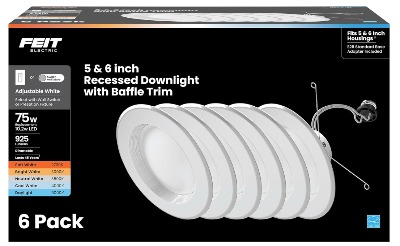
Feit Electric has earned a reputation for quality lighting products, and this retrofit kit demonstrates why. With adjustable color temperature, high color rendering, and a long lifespan rating, it represents a premium option in the retrofit category.
Product Description
This Feit fixture fits 5-inch or 6-inch recessed cans, providing flexibility if your kitchen has mixed can sizes. It produces light equivalent to a 75-watt incandescent bulb while consuming far less energy. The standout feature is the integrated color temperature adjustment—rather than setting a single temperature during installation, you can actually adjust the light color after installation using wall switches.
The fixture boasts a color rendering index (CRI) above 90, which means colors appear natural and true under this light. In a kitchen where you’re judging if chicken is cooked properly or if vegetables look fresh, accurate color rendering matters more than you might think. The 50,000-hour lifetime rating translates to decades of use in typical kitchen applications.
The baffle trim design, similar to the Sunco retrofit, provides glare reduction and a finished appearance. The fixture carries safety certifications and is designed for straightforward retrofit installation into existing recessed cans.
Pros
The adjustable white technology is genuinely innovative. Many lights require you to choose a color temperature before installation, but Feit’s system allows on-the-fly adjustment. Using specific patterns of turning your existing switch on and off, you can cycle through temperature options even after installation. This solves the “I wish I’d chosen a different color temperature” problem that plague many LED installations.
The 90+ CRI makes this fixture excellent for kitchens where color accuracy matters. Lower-CRI lights can make food look unappetizing or make it hard to judge cooking progress. The Feit fixture renders colors accurately, similar to natural daylight. This isn’t marketing hype—the difference is visible when comparing high-CRI and low-CRI fixtures side by side.
The 50,000-hour lifespan means you’re essentially installing a permanent lighting solution. At three hours of daily use, that’s more than 45 years of service. Even if you use these lights six hours daily, you’re looking at more than two decades before needing replacement. The long-term cost savings over traditional bulbs are substantial.
The dual compatibility with 5-inch and 6-inch cans provides flexibility you don’t get with fixtures designed for a single size. If your kitchen has a mix of can sizes (not uncommon in homes where lighting has been added over time), you can standardize on a single fixture type.
Cons
The single-unit packaging means you’ll pay more per fixture compared to multi-packs. For a complete kitchen installation requiring six to eight lights, the cost adds up. However, the premium features might justify the higher price for users who value color accuracy and adjustability.
The switch-based color temperature adjustment, while clever, isn’t as intuitive as a simple physical switch or app-based control. You need to remember specific patterns of on-off cycles to change temperature settings. Some users find this cumbersome compared to making a one-time decision during installation.
The lack of explicit brightness specifications in lumens makes direct comparison difficult. “75-watt equivalent” provides a general idea, but specific lumen output would be more helpful for planning lighting layouts. The fixture is bright enough for most applications, but technical-minded users appreciate precise specifications.
Best For
This Feit fixture excels when you’re prioritizing light quality over quantity of fixtures purchased at once. If you’re particular about how colors appear in your kitchen, the high CRI makes this worth the premium. It’s also ideal if you’re unsure about color temperature preferences—the adjustable feature lets you experiment and change your mind without reinstalling fixtures.
4. Ensenior 12 Pack 6 Inch LED Recessed Ceiling Light
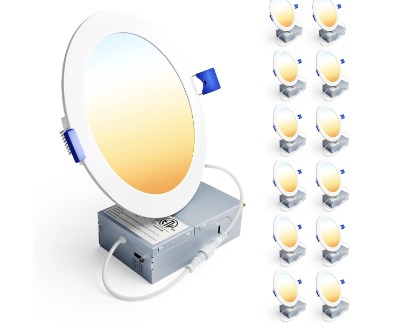
The Ensenior twelve-pack offers the highest brightness in this roundup at 1200 lumens per fixture. For kitchens where maximum illumination is the priority, these lights deliver serious output while maintaining energy efficiency and installation convenience.
Product Description
These 6-inch canless wafer downlights combine high brightness with the convenience features that make modern LED fixtures attractive. The 1200-lumen output from 12 watts of power represents excellent efficiency, providing more light than any other option in this review while using the same or less electricity. The five color temperature options (2700K through 5000K) let you customize each fixture location.
The canless design means these fixtures install directly into your ceiling without requiring separate housing cans. They’re thin enough to fit in shallow ceiling spaces and come with all necessary hardware for installation. The lights carry ETL, FCC, and IC ratings—the IC rating is particularly valuable because it means the fixtures can be in direct contact with ceiling insulation without fire risk.
These fixtures are dimmable and designed for 120-volt standard household current. The twelve-pack quantity makes them suitable for complete kitchen installations or for doing multiple rooms at once.
Pros
The 1200-lumen output is genuinely impressive for a 12-watt fixture. This extra brightness creates a noticeable difference in kitchen spaces, particularly in larger rooms or kitchens with dark finishes that absorb light. If you’ve experienced kitchens that feel dim despite having recessed lights, the Ensenior fixtures solve that problem directly.
The IC rating provides important safety benefits and installation flexibility. Many homes have insulation in direct contact with ceiling fixtures, and non-IC-rated lights can create fire hazards when buried in insulation. With IC-rated fixtures, you can install them anywhere without worrying about insulation contact. This also means the fixtures dissipate heat effectively even when insulation limits air circulation.
The twelve-pack quantity and competitive pricing make these attractive for whole-kitchen or whole-home projects. When you’re installing eight to twelve fixtures, buying a twelve-pack that provides some extras for future needs or other rooms makes economic sense. The canless design simplifies installation compared to traditional recessed lighting systems.
The ETL and FCC certifications confirm independent safety testing and electromagnetic compatibility. These aren’t budget fixtures with questionable certifications—they meet recognized safety standards that protect your home and family.
Cons
The higher brightness, while an advantage for many situations, might be too much for small kitchens or rooms with very light, reflective surfaces. In a compact kitchen with white cabinets and countertops, 1200 lumens per fixture could feel harsh unless properly dimmed. Planning fixture spacing becomes more critical with higher-output lights.
The color temperature selection happens before installation via a switch on the fixture, similar to the Amico lights. Once installed, changing temperature settings requires removing the fixture from the ceiling. This isn’t a major issue if you plan carefully, but it lacks the flexibility of adjustable fixtures that can be changed after installation.
Like all canless fixtures, these require cutting holes in your ceiling if you’re not replacing existing lights. While the installation is simpler than traditional recessed cans, you’re still making permanent modifications to your ceiling. Precise measurement and careful cutting are essential for professional-looking results.
Best For
These Ensenior fixtures are perfect for large kitchens or kitchen-dining combinations where maximum brightness is important. If your kitchen has dark cabinets, granite countertops, or other light-absorbing surfaces, the extra lumens ensure adequate illumination. They’re also excellent for homes with high ceilings where light has further to travel to reach work surfaces.
5. FREELICHT 6 Pack Retrofit LED Recessed Lighting 6 Inch
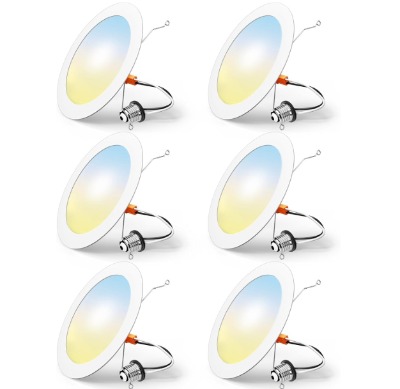
The FREELICHT retrofit kit offers an impressive feature set with six color temperature options and excellent brightness output. The six-pack quantity hits a sweet spot for many kitchen sizes—enough for good coverage without the excess of a twelve-pack.
Product Description
These retrofit fixtures fit into existing 6-inch recessed cans, making them ideal for upgrading old lighting systems. They produce 1000 lumens from just 10 watts, matching the light output of 110-watt incandescent bulbs while using a fraction of the electricity. The six selectable color temperatures (2700K through 6000K) include a 6000K daylight option not found in many competing products.
The flat design creates a clean, modern appearance that sits nearly flush with your ceiling. The fixtures carry IC and damp location ratings, important for kitchen installations where insulation contact and moisture are concerns. ETL and FCC certifications confirm safety and quality standards.
These lights are dimmable when used with compatible LED dimmers and include a five-year warranty. The white finish integrates cleanly with most ceiling types and colors.
Pros
The six color temperature options, including the 6000K daylight setting, provide more flexibility than five-temperature competitors. That 6000K option delivers very cool, bright light that some users prefer for detailed kitchen work. Having that extra option on the cool end of the spectrum appeals to people who want maximum alertness and clarity for food preparation.
At 1000 lumens per fixture, these lights provide solid brightness without being overwhelming. They hit a middle ground between the 965-lumen Sunco fixtures and the 1200-lumen Ensenior lights. For average-sized kitchens with typical ceiling heights, this brightness level works well for both ambient and task lighting applications.
The flat trim design creates a contemporary look that works well with modern kitchen styles. Instead of a traditional baffle or stepped trim, you get a clean disk that virtually disappears into your ceiling. This matters if you’re going for a minimalist aesthetic where even recessed lights should be as unobtrusive as possible.
The IC and damp ratings make these fixtures suitable for challenging installation locations. You can install them where insulation contact is unavoidable and in areas where cooking moisture might reach the fixtures. The five-year warranty backs up the quality claims with actual manufacturer commitment.
Cons
The six-pack quantity might not align perfectly with your needs. If your kitchen requires eight fixtures, you’ll need to buy two packs and have extras. If you only need four lights, you’re paying for two you won’t use immediately. This isn’t a deal-breaker, but it’s less flexible than four-packs or twelve-packs for certain projects.
These are retrofit-only fixtures, requiring existing recessed cans. If you’re starting from scratch or want the simplicity of canless installation, you’ll need to look at other options. The retrofit nature also means you’re limited by the size and spacing of your existing cans if you’re upgrading rather than installing new.
The brightness, while solid, isn’t as high as the Ensenior fixtures. If maximum illumination is your priority, you might find yourself wishing for that extra 200 lumens per fixture. The difference is noticeable in side-by-side comparisons, though most users will find 1000 lumens adequate for kitchen needs.
Best For
These FREELICHT fixtures work exceptionally well for medium-sized kitchen upgrades where you’re replacing six to eight existing recessed lights. If you have old can lights that need updating and want excellent flexibility in color temperature, including the option for very cool daylight temperatures, this kit delivers. The flat trim design particularly appeals to homeowners with modern or contemporary kitchen styles.
Installation Considerations for Kitchen Can Lights
Installing LED can lights isn’t tremendously difficult, but it requires careful planning and attention to safety. The installation process varies depending on whether you’re using retrofit fixtures for existing cans or canless fixtures for new installations.
For retrofit fixtures like the Sunco, Feit, and FREELICHT options, installation is remarkably straightforward. You’ll turn off power at the circuit breaker, remove your old bulb and trim ring from the existing can, connect the fixture’s electrical connector to the socket adapter, and clip the new LED fixture into place. The spring clips grab the inside of the can housing and hold everything securely. Most people can retrofit a fixture in under ten minutes once they’ve done the first one.
Canless fixtures like the Amico and Ensenior lights require more initial work but ultimately simplify the installation by eliminating separate housing components. You’ll cut holes in your ceiling using a hole saw (a template is typically provided), run electrical wire to each location, connect the wire to the junction box built into the fixture, and mount the fixture in the ceiling hole. The thin profile means you need minimal clearance above the ceiling, making these viable even with shallow ceiling cavities.
In all cases, working with electrical systems requires caution and respect. Turning off power at the breaker (not just the light switch) is non-negotiable. Testing with a voltage tester before touching any wires is essential. If you’re uncomfortable working with electrical wiring, hiring a licensed electrician is money well spent for safety and peace of mind.
Brightness and Spacing Guidelines for Kitchens
Getting the right amount of light in your kitchen depends on fixture brightness, spacing, and your specific layout. Kitchen designers typically recommend 50 to 100 lumens per square foot for general lighting, with higher levels (75 to 100 lumens per square foot) preferred for task-intensive kitchens.
For a 120-square-foot kitchen (10 feet by 12 feet), you’d want 6,000 to 12,000 total lumens. With 1000-lumen fixtures, that means six to twelve lights. The lower end provides adequate ambient lighting, while the higher end ensures you have no dim corners and plenty of light for detailed tasks.
Spacing recessed lights evenly creates the best results. A common guideline is to place lights four to six feet apart and about three feet from walls. This creates overlapping light patterns that eliminate shadows and dark spots. For task lighting over countertops or islands, you’ll want lights spaced closer together—perhaps three to four feet apart—to ensure adequate illumination for food preparation.
The color temperature you choose also affects how bright your kitchen feels. Cooler temperatures (4000K to 5000K) appear brighter to the human eye than warmer temperatures (2700K to 3000K) at the same lumen output. If you choose warm white for ambiance, you might need more fixtures or higher-lumen lights to achieve the same perceived brightness as cool white.
Color Temperature Impact on Kitchen Functionality
The color temperature of your kitchen lighting affects more than just ambiance—it influences how you perceive colors, how alert you feel, and even how appetizing food looks. Understanding these effects helps you choose the right temperature for your needs.
Warm white (2700K-3000K) creates a cozy, inviting atmosphere similar to traditional incandescent bulbs. This temperature range works well for dining areas and creates a comfortable environment for evening meal preparation. However, warm light can make it harder to judge subtle color differences and might make you feel more relaxed than alert.
Neutral white (3500K-4000K) balances warmth and clarity, providing good color rendering without feeling too clinical. Many homeowners find this range ideal for kitchens because it maintains a comfortable ambiance while providing enough clarity for cooking tasks. It’s a safe middle ground if you’re uncertain about your preferences.
Cool white and daylight (4000K-6000K) deliver bright, clear illumination that enhances alertness and provides excellent color discrimination. This range is preferred by serious cooks who want to clearly see ingredient colors and cooking progress. However, it can feel harsh or sterile if you also use your kitchen for relaxing and entertaining.
The beauty of fixtures with selectable color temperatures is that you can customize different areas of your kitchen. You might use 3000K warm white for general ambient lighting but 5000K daylight over your primary food preparation counter. This targeted approach gives you both functionality and ambiance.
Dimming Capabilities and Why They Matter
Dimmable kitchen lighting transforms how you use the space throughout the day. Morning coffee might call for gentle, low lighting while evening meal prep requires full brightness. Dimming also allows you to adjust for natural daylight—brighter on cloudy days, dimmer when sunshine floods through windows.
All the fixtures in this review are dimmable, but achieving smooth dimming requires compatible LED dimmer switches. Standard dimmers designed for incandescent bulbs often cause LED flickering, buzzing, or limited dimming range. LED-specific dimmers use different technology that works with the electronic drivers in LED fixtures.
Installing LED dimmer switches is straightforward—they replace your existing switches using the same wiring connections. Quality LED dimmers from manufacturers like Lutron or Leviton cost more than basic switches but provide smooth, quiet dimming without flicker. Some even remember your preferred settings and can be integrated with smart home systems.
The dimming range varies by fixture and dimmer combination. Most LED can lights dim down to about 10% of full brightness, which is adequate for nighttime navigation without being disruptive. Testing your specific combination before completing your installation ensures you’re happy with the performance.
Energy Savings and Long-Term Value
The financial case for LED can lights becomes clear when you calculate long-term costs. Traditional 65-watt incandescent bulbs cost about $8 per year to operate at three hours daily use (assuming $0.12 per kWh). The LED fixtures in this review use 10-13 watts and cost under $2 annually to operate.
The savings multiply with multiple fixtures. Eight can lights running three hours daily cost about $64 annually with incandescent bulbs but just $12 with LEDs—a $52 annual saving. Over the 50,000-hour lifespan of these LED fixtures, you’d save roughly $650 in electricity costs while also eliminating the hassle and expense of replacing bulbs repeatedly.
The upfront cost of LED fixtures is higher than simple bulb replacements, but the payback period is short. If you’re spending $100 on an eight-fixture LED installation and saving $50 annually compared to using incandescent bulbs, you’ve broken even in two years. Everything after that is pure savings, not to mention the convenience of never changing kitchen bulbs.
The environmental benefits matter too. Lower electricity consumption reduces your carbon footprint, and the long lifespan means fewer fixtures end up in landfills. While LED fixtures do eventually need disposal, replacing one LED fixture every 20 years beats replacing dozens of incandescent bulbs over the same period.
Making Your Decision: Which Fixtures Are Right for You
Choosing among these five excellent options depends on your specific situation, priorities, and budget. Each fixture excels in particular scenarios, and understanding where they shine helps you make the right choice.
The Amico twelve-pack offers the best value for complete kitchen renovations or new construction where you’re installing many lights at once. The integrated junction boxes simplify installation, and the quantity pricing makes doing an entire kitchen affordable. If you’re comfortable with pre-setting color temperatures and want to minimize installation complexity, this is your solution.
The Sunco four-pack is ideal for targeted upgrades to existing recessed cans. If your kitchen has old lights that work but use outdated bulbs, these retrofit fixtures transform them into modern, efficient LED fixtures with minimal fuss. The baffle trim and five-year warranty add value that justifies the per-fixture cost.
The Feit retrofit kit delivers premium features for homeowners who prioritize light quality and flexibility. The adjustable color temperature and high CRI make this worth considering if you’re particular about how your kitchen looks and functions. The single-unit packaging suits small projects or users who want to buy exactly what they need.
The Ensenior twelve-pack brings maximum brightness to large kitchens or spaces where illumination is critical. If your current lighting feels dim or you have dark finishes that absorb light, the 1200-lumen output ensures your kitchen is well-lit. The IC rating adds safety and installation flexibility.
The FREELICHT six-pack strikes a balance between quantity, features, and price. The six color temperature options including 6000K daylight, combined with solid 1000-lumen output, make this an excellent choice for medium-sized kitchen retrofits where you want flexibility without buying more fixtures than you need.
Conclusion: Bright Ideas for Your Kitchen
Upgrading to modern LED can lights transforms how your kitchen looks and functions. The fixtures reviewed here represent current LED technology at its best—efficient, bright, long-lasting, and flexible. Whether you’re replacing old lights or installing new ones, you’ll benefit from better illumination, lower energy costs, and decades of maintenance-free service.
The right choice depends on your specific situation. New construction or major renovations lean toward canless fixtures like the Amico or Ensenior. Upgrading existing recessed cans points you toward retrofit options like the Sunco, Feit, or FREELICHT. Large kitchens need more lumens than small ones. Your aesthetic preferences influence whether you want baffle trim or flat profiles.
What all these fixtures share is the fundamental advantage of LED technology—they provide excellent light while using minimal electricity, they’ll last for decades, and they give you control over color temperature to create exactly the ambiance you want. Any of these options will serve you well and improve your kitchen experience.
Take the time to plan your layout carefully, counting how many fixtures you need and where they should go. Consider how you use your kitchen and what tasks require the brightest lighting. Think about whether you want the warmth of lower color temperatures or the clarity of cooler daylight settings. With the right fixtures properly installed, your kitchen will be brighter, more beautiful, and more pleasant to use for years to come.

Hi, I’m Mary, the founder of Homygear.com. I’m passionate about creating a comfortable, smart, and beautiful home. I share practical insights and real-world experience on home gear that makes everyday life easier. Behind the scenes, my dedicated research team studies products in depth, and our writers craft honest reviews using trusted, authentic sources—so you can choose home gear with confidence.