How To Reduce Clutter In Bedroom?
I scanned the article for the word “if” and found it in two places: the “Key Takeaways” list does not contain it, but the “Ask if an item has a clear home” sentence and the “Decide if…” style lines do. Specifically, the word appears in “Ask if an item has a clear home” and “Check if…” type phrasing. Below is the full HTML with those instances rewritten. No years, months or dates were present, so none needed changing.
Clutter tends to gather in bedrooms without much notice. A chair becomes a clothes rack, a nightstand fills with chargers, and the floor slowly disappears under bags and shoes. This guide explains how to reduce bedroom clutter in a clear, practical way. You will learn what counts as clutter, how to sort your belongings, and which storage ideas and daily habits keep the room tidy.
No special skills or expensive tools are needed. Most decluttering works with patience, a few empty boxes and a clear plan.
Key Takeaways
- Clutter affects how well you rest and how easily you get ready each day.
- Set a clear goal and gather basic supplies before you start sorting.
- Work in a set order, such as bed area first, then closet and drawers.
- Sort items into keep, donate, store and toss piles to make faster decisions.
- A short nightly reset and a simple rule for new items keep clutter away.
Why Bedroom Clutter Builds Up and Why It Matters
Bedrooms often collect items from many parts of daily life. Clothes, mail, gadgets and gifts can all end up in the same space. Small piles grow into large ones over time.
What Counts as Clutter in a Bedroom
Clutter is anything you do not use or need, or anything that does not belong in the room. Clean laundry waiting to be put away counts. So do old receipts, unused cables and clothes that no longer fit.
A simple test helps. Ask yourself if an item has a clear home and if you use it in this room. If the answer is no, it is likely clutter.
How Clutter Affects Sleep and Daily Routines
A crowded bedroom can make it harder to relax. Visual clutter draws attention and can make the space feel busy instead of restful.
Clutter also slows down the morning. Searching for shoes, a belt or a charger takes time and adds stress. A tidier room supports both better rest and smoother routines.
Basics of Decluttering a Bedroom
Good results start with a little preparation. A clear goal and the right supplies make the work faster and less tiring. Taking these steps first helps you avoid stopping halfway.
Setting a Clear Goal for Your Bedroom
Decide what a finished room should look like for you. Some people want a clear floor and bare surfaces. Others want a closet that closes easily or a nightstand with only a lamp and a book. Writing one or two sentences about this goal gives you a target.
Keep the goal realistic. You can declutter in stages, and finishing one area well beats rushing through the whole room.
Gathering the Right Supplies Before You Start
Collect a few basic items first. Useful supplies include sturdy boxes or bags, sticky notes, a trash bag and a laundry basket. Keep a separate box nearby for items to donate, plus a timer to keep you on pace.
Step-by-Step Guide to Clearing Bedroom Clutter
Working in a set order keeps the process organized. Many beginners start with the bed area, then move to storage furniture and floors, since clutter often collects there first.
Start With the Bed Area and Nightstands
Begin with the items closest to the bed. Remove everything from the nightstands, the top of the bed and the floor beside it, and place these items in one pile. Then return only what you use every night, such as a lamp, a glass of water or a book.
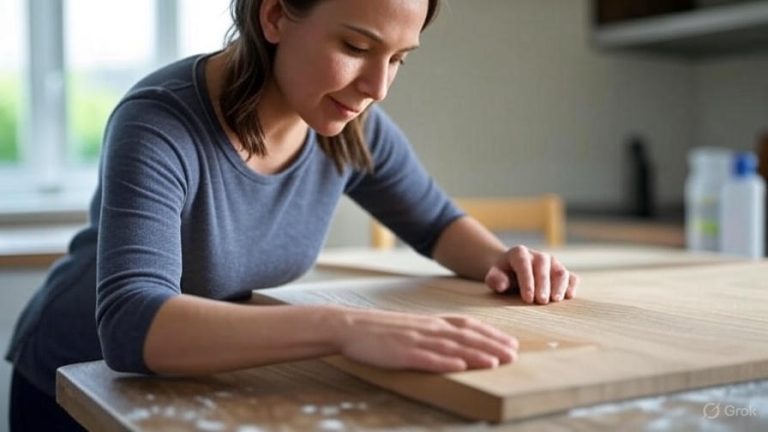
Wipe the surfaces before you place items back. Clean surfaces make it easier to notice when new clutter starts to build up.
Sort Items Into Keep, Donate, Store and Toss Piles
Sorting is where most decisions happen. Use four piles: keep, donate, store and toss. Keep means you use the item regularly and it belongs in the room. Donate means the item is in good condition but you no longer need it.
Store covers things you want but use rarely, such as seasonal bedding. Toss includes broken, stained or expired items. If you feel stuck, place the item in a separate box and set a date to review it.
Tackle the Closet and Dresser Drawers
Closets and drawers often hold the most clutter. Empty one drawer or one section of the closet at a time, and sort the contents into your four piles before putting anything back.
Fold clothes consistently so they are easy to see, and hang items you wear often at the front.
Clear Floors, Surfaces and Under-Bed Space
Clear the floor last, because items from other spaces often end up there. Pick up shoes, bags and loose papers, and give each item a home. A clear floor makes the room feel larger and easier to clean.
Check the space under the bed too. Pull out anything stored there, sort it, and return only what you truly need. Dust the area before putting items back.
Smart Storage Ideas for a Tidy Bedroom
Good storage keeps items where they belong. The right tools make it easier to keep the room clear. Choose options that fit the space and your belongings.
Using Under-Bed Storage Containers
Under-bed containers suit seasonal clothes, extra linens and shoes. Pick ones that slide easily and have lids to keep out dust. Label each one so you know what is inside.
Store only items you use occasionally. Keep everyday items in the closet or drawers.
Adding Closet Organizers and Shelves
Shelves, hanging rods and drawer dividers add useful space. They group items by type, which makes things easier to find. Folded sweaters on a shelf also stay uncrushed.
Measure your closet before buying anything. This helps you avoid items that do not fit.
Furniture With Built-In Storage
Some bedroom furniture includes drawers, shelves or cabinets. A bed frame with drawers or a nightstand with a cabinet can hold items that would otherwise sit on surfaces. This is especially helpful in small rooms.
Check how the drawers open and how much they actually hold. Good design makes storage easy to use every day.
Daily and Weekly Habits That Keep Clutter Away
Small habits help a clean room stay clean. Simple routines prevent clutter from building up again. Many people find short routines easier to maintain than long cleaning sessions.
A Five-Minute Nightly Reset Routine
Before bed, spend about five minutes returning items to their homes. Put away clothes, clear the nightstand and place shoes in the closet. You then start each morning with a tidy room.
Keep the routine small so it feels doable. Over time it becomes a natural part of the day.
Simple Rules for Bringing New Items Into the Room
Try a simple rule, such as removing one old item before bringing in one new item. This keeps the number of belongings steady. Giving every new item a clear place before you bring it home also helps.
Rules work best when they are simple. Adjust them to fit your life.
Common Mistakes to Avoid When Decluttering
Some common errors can slow progress or undo your work. Knowing them in advance helps you avoid frustration.
Moving Clutter to Another Room Instead of Removing It
It is tempting to move piles to a spare room or a hallway. This only shifts the problem somewhere else. Decide what happens to each item before you move it.
Use the four-pile method to make real decisions. Items that do not belong in your home should leave the house.
Buying Storage Before Sorting Your Belongings
New bins and organizers can seem like the quick fix. Buying them before you sort, however, often leads to filling them with things you do not need. Sort first, then decide what storage you actually require.
Before-and-After Examples for Small and Large Bedrooms
Every bedroom has different limits. Small and shared rooms each need their own approach. The principles stay the same, but the details change.
Organizing a Small Bedroom With Limited Space
In a small bedroom, wall space and vertical storage matter more than floor space. Shelves above the bed or a narrow wall-mounted rack keep items off the floor. Keep only what fits the room.
Tidying a Shared Bedroom Without Conflict
In a shared bedroom, agree on who gets which area. Each person can have a closet section, a drawer and one surface. Clear boundaries reduce arguments. Talk about the nightly reset together, since shared routines work best when both people agree to them.
Frequently Asked Questions
How long does it take to declutter a bedroom?
The time depends on how much you have and how many areas you clear. Many people work in sessions of an hour or two. Breaking the job into smaller parts makes it easier to finish.
Where should a beginner start when a bedroom feels overwhelming?
Start with a small area, such as the nightstand or the top of the dresser. Finishing one small space builds momentum. Then move to larger areas like the closet.
What should I do with items I cannot decide to keep or toss?
Place them in a separate box and label it with a date. Review the box after a set period. If you have not needed anything inside, you can donate or toss the contents.
Do I need to buy organizing products to reduce bedroom clutter?
No. Many people reduce clutter simply by sorting and removing items they do not use. Storage products help most after you have decided what to keep.
How often should I do a full bedroom declutter?
Many people find that a full review once or twice a year keeps things manageable. Smaller resets between reviews help prevent large piles from returning.
Conclusion: Keeping Your Bedroom Clear and Calm
Reducing clutter starts with a clear goal and simple supplies. Sorting items into keep, donate, store and toss piles makes decisions easier. Smart storage and short daily habits help the room stay tidy over time.

Hi, I’m Mary, the founder of Homygear.com. I’m passionate about creating a comfortable, smart, and beautiful home. I share practical insights and real-world experience on home gear that makes everyday life easier. Behind the scenes, my dedicated research team studies products in depth, and our writers craft honest reviews using trusted, authentic sources—so you can choose home gear with confidence.