How To Add Moisture To Dry Air?
Dry air often becomes a nuisance when the weather turns cold or when heating systems run constantly. Learning how to add moisture to dry air can help improve your comfort and protect your home environment. This guide explains why air loses moisture and provides practical steps to restore balance. You will discover effective methods to manage indoor humidity levels for a healthier living space.
Key Takeaways
- Low humidity can cause physical discomfort and damage wooden furniture over time.
- Humidifiers offer a direct way to increase moisture, but they require regular maintenance.
- Simple habits like air-drying clothes or using house plants provide natural ways to add humidity.
- Keeping indoor humidity between 30 and 50 percent helps prevent mold growth and respiratory irritation.
Why Dry Air Happens Indoors
Low humidity is a common issue during cold weather. When cold air enters a home and gets heated, its capacity to hold water decreases significantly. This process leaves the indoor environment feeling parched and uncomfortable. Heating systems, such as forced-air furnaces, often circulate air that lacks sufficient moisture. These systems dry out the air as they warm it up. As a result, the relative humidity inside the home drops well below the ideal range.
Common Causes of Low Humidity
The primary cause of dry air is the operation of central heating. Furnaces and electric heaters draw moisture out of the air to raise the temperature. This leaves occupants feeling the effects of dehydration even while indoors. Extreme cold weather also plays a major role. Cold air from outside holds very little water vapor. When this air leaks through windows or doors, it displaces the warmer, more humid air already inside. Ventilation habits also influence moisture levels. Using exhaust fans in kitchens or bathrooms removes moisture-laden air from the home. While necessary for removing odors, these fans contribute to a drier atmosphere throughout the living space.
Signs Your Home Air Is Too Dry
Physical symptoms are often the first indicator that your air is too dry. Many people notice dry, itchy skin or cracked lips during the heating season. These signs occur because the air draws moisture away from your body. Irritation in the nose and throat is another frequent complaint. Dry air can cause a scratchy feeling in the back of the throat or persistent nasal congestion. These issues often worsen during sleep when the body is more sensitive to air quality. Your home also provides clues about humidity levels. Wooden floors or furniture may begin to shrink or develop small cracks. Static electricity also becomes more common, causing small shocks when you touch metal surfaces or fabrics.
Methods to Add Moisture to Dry Air
Addressing low humidity does not always require complex equipment. You can use several strategies to introduce water vapor into your living space. Some methods are passive, while others rely on technology to reach specific goals. Consistency remains the most important factor in managing humidity. Small, frequent adjustments are more effective than sudden, large changes. Start with one or two methods and observe how your home environment responds over a few days.
Using a Humidifier for Targeted Relief
A humidifier is the most efficient tool for increasing moisture in a specific room. These machines work by releasing water vapor into the air through evaporation or ultrasonic vibrations. They provide instant relief in areas where you spend the most time. Evaporative humidifiers use a fan to blow air across a wet wick. This process naturally limits how much moisture enters the air, which helps prevent over-saturation. They are simple to operate and generally reliable for daily use. Ultrasonic models use high-frequency sound waves to create a fine mist. These devices are usually very quiet and consume less energy. They often feature adjustable output settings so you can control the intensity of the moisture release.
Simple Ways to Increase Humidity Without a Machine
You can introduce moisture into your home using items you likely already have. One effective method involves hanging damp laundry on a drying rack inside. As the water evaporates from the clothes, it naturally increases the humidity in the room. Keeping a bowl of water near a heat source is another classic technique. The warmth encourages the water to turn into vapor. Ensure the bowl is placed safely away from electrical outlets or sensitive electronics to avoid damage. You might also leave the bathroom door open after a hot shower. The steam generated during your shower can disperse into the rest of the house. This small amount of extra moisture can help balance the air in adjacent rooms.
Benefits of Houseplants for Natural Moisture
Houseplants contribute to indoor air quality through a process called transpiration. Plants release water vapor through their leaves as part of their biological cycle. This adds a steady, gentle amount of moisture to the immediate area. Tropical plants are particularly effective at this task. Large-leaf varieties tend to release more moisture than smaller, desert-adapted plants. Grouping several plants together can create a small micro-climate with higher humidity levels. Beyond moisture, plants add a visual element to your living space. They require basic care, such as regular watering and adequate light, to thrive. Keep in mind that plants are not a substitute for a humidifier in very dry conditions.
Best Practices for Maintaining Healthy Humidity Levels
Managing humidity is about finding a balance. Too little moisture causes discomfort, while too much moisture can lead to unwanted issues. Aiming for a moderate level ensures your home stays comfortable and protected from damage. Regular observation helps you determine when your methods are working. If your skin feels better or static shocks decrease, your adjustments are likely effective. Stay patient, as these changes often take time to settle throughout the house.
Monitoring Your Home Environment
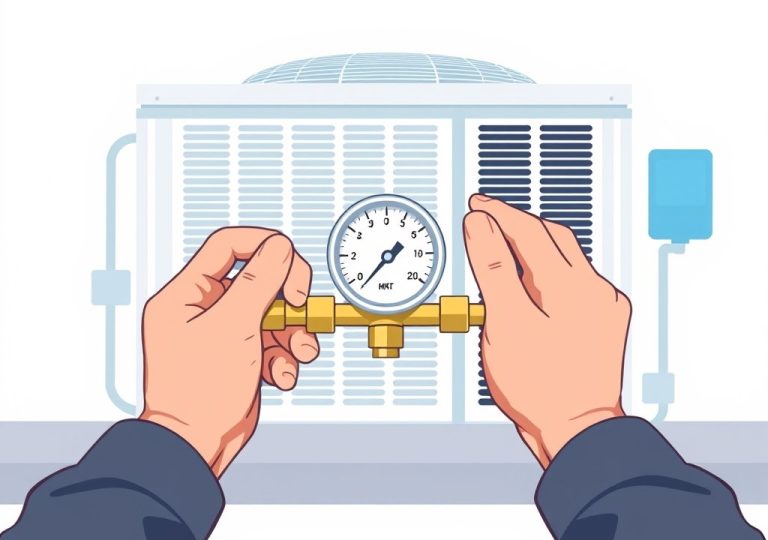
A hygrometer is an inexpensive device that measures the level of humidity in your air. It provides a digital or analog reading of the percentage of water vapor present. This tool removes the guesswork from managing your indoor environment. Place your hygrometer in a central location away from windows or heating vents. This helps you get an accurate reading of the overall humidity in the room. Check the device periodically to see if your efforts need to be adjusted. Keep a simple log of your readings if you want to track changes over time. This helps you identify which methods work best for your specific home layout. It also alerts you if humidity levels drop too low during severe cold spells.
Avoiding Over-Humidification
It is possible to add too much moisture to your air. High humidity can lead to condensation on cold windows or walls. This moisture can eventually encourage mold or mildew growth if left unchecked. If you notice fog on your windows, your indoor humidity is likely too high. Reduce the output of your humidifier or stop using it for a while. Proper ventilation also helps manage excess moisture by allowing it to escape outside. Monitor corners and areas behind furniture for signs of dampness. These spots often lack airflow and are the first places where mold can develop. Keep your humidity levels within the recommended range to protect your home structure.
Frequently Asked Questions
What is the ideal humidity level for a home?
The ideal range for indoor humidity is generally between 30 and 50 percent. This level provides comfort for people while preventing the growth of mold. Staying within this range helps maintain a healthy balance for both occupants and home surfaces.
Can dry air cause health problems?
Yes, dry air can contribute to several health issues. It often leads to dry skin, irritated eyes, and a scratchy throat. Prolonged exposure may also increase susceptibility to respiratory infections by drying out the mucous membranes in your nose.
Do I need to use distilled water in my humidifier?
Using distilled water is highly recommended for most humidifiers. Tap water often contains minerals that can leave white dust on your furniture or build up inside the machine. Distilled water ensures the device runs cleanly and reduces the need for frequent deep cleaning.
How often should I clean my humidification equipment?
You should clean your humidifier at least once a week to prevent mineral buildup and mold. Follow the manufacturer’s instructions for specific cleaning steps and recommended solutions. Regular maintenance ensures the machine operates safely and keeps the air quality high.
Is it possible to have too much humidity?
Yes, having too much humidity can be harmful to your home. It can cause condensation, which leads to wood rot, peeling paint, and mold growth. Keeping humidity below 50 percent helps avoid these issues and keeps your living environment comfortable.
Conclusion
Adding moisture to dry air is a straightforward process that can significantly improve your daily comfort. You can use a humidifier or natural methods like houseplants, but the goal remains the same. You want to maintain a balanced, healthy indoor environment. Remember to monitor your humidity levels with a hygrometer to ensure you stay within the optimal range. By keeping an eye on your home environment and performing regular maintenance, you can effectively manage the effects of dry air. Consistency and moderation are the keys to a comfortable and well-balanced home.

Hi, I’m Mary, the founder of Homygear.com. I’m passionate about creating a comfortable, smart, and beautiful home. I share practical insights and real-world experience on home gear that makes everyday life easier. Behind the scenes, my dedicated research team studies products in depth, and our writers craft honest reviews using trusted, authentic sources—so you can choose home gear with confidence.