
5 Best Dehumidifier for Basement In 2026
Dealing with a damp basement can feel like fighting a never-ending battle. The musty smell, the potential for mold growth, and the damage to your stored belongings create real problems that need immediate attention. A quality basement dehumidifier becomes your strongest ally in this fight against excess moisture.
Basements naturally attract humidity due to their below-ground location. Concrete walls and floors absorb moisture from the surrounding soil, while poor ventilation traps humid air inside. This creates the perfect environment for mold, mildew, and structural damage. The right dehumidifier transforms your damp basement into a dry, usable space.
Finding the best dehumidifier for your basement requires understanding your specific needs. Room size, humidity levels, drainage options, and energy efficiency all play crucial roles in making the right choice. This comprehensive guide walks you through the top basement dehumidifiers available today, helping you make an informed decision for your home.
Why Your Basement Needs a Dedicated Dehumidifier
Basements face unique moisture challenges that regular rooms don’t encounter. The underground location means constant exposure to ground moisture through foundation walls. Even waterproofed basements experience higher humidity levels than upper floors.
High humidity in your basement affects your entire home. Moisture rises through floors and walls, increasing humidity levels throughout your house. This leads to higher energy bills as your air conditioner works harder to maintain comfort. The moisture also damages wooden structures, ruins stored items, and creates health concerns through mold and dust mites.
A basement dehumidifier does more than just remove moisture. It protects your home’s structural integrity, preserves your belongings, and creates healthier indoor air quality. The investment pays for itself through prevented damage and lower energy costs.
Understanding Dehumidifier Capacity and Coverage Area
Dehumidifier capacity gets measured in pints per day, indicating how much water the unit removes in 24 hours. Basement dehumidifiers typically range from 50 to 100 pints daily. Larger capacity units handle bigger spaces and more severe moisture problems.
Coverage area tells you the maximum square footage a dehumidifier can effectively treat. Most basement units cover between 2,000 to 5,000 square feet. Your basement size determines the coverage area you need. A unit too small for your space will run constantly without reaching target humidity levels.
Matching capacity to your basement size ensures optimal performance. An undersized unit struggles to control moisture, while an oversized unit cycles on and off too frequently. Both scenarios reduce efficiency and shorten the unit’s lifespan.
Energy Star Certification: Why It Matters for Basement Units
Energy Star certified dehumidifiers use at least 15% less energy than standard models. This certification becomes especially important for basement units that often run 12-16 hours daily. The energy savings add up quickly over months and years of operation.
Recent Energy Star standards have become even more stringent. Units meeting the latest specifications offer superior efficiency compared to older models. These advanced units remove more moisture per kilowatt-hour of electricity consumed.
The initial cost of an Energy Star dehumidifier gets offset by lower operating costs. You’ll see the difference in your electric bill each month. The environmental benefits also matter, reducing your carbon footprint while maintaining a dry basement.
Drainage Options: Continuous vs. Tank Collection
Basement dehumidifiers offer three main drainage methods. The built-in water tank requires manual emptying when full. Continuous drainage through a hose allows water to flow directly to a floor drain or sump pump. Some models also include a condensate pump for situations where gravity drainage isn’t possible.
Continuous drainage makes the most sense for basements. The unit runs uninterrupted without requiring you to empty tanks. A standard garden hose connects the dehumidifier to your floor drain, creating a hands-free moisture removal system.
Tank drainage works for smaller spaces or areas without drain access. However, you’ll need to empty the tank once or twice daily during humid conditions. Most units shut off automatically when the tank fills, stopping moisture removal until you empty it.
Smart Features and Humidity Control
Modern basement dehumidifiers include intelligent controls that optimize performance. Built-in humidistats measure current humidity levels and adjust operation automatically. You set your target humidity percentage, and the unit maintains that level without constant manual adjustment.
Auto-restart functions prove valuable during power outages. When power returns, the dehumidifier automatically resumes operation with your previous settings. This prevents moisture buildup while you’re away from home.
Programmable timers let you schedule operation during off-peak electricity hours. This reduces operating costs if your utility company offers time-of-use rates. The dehumidifier runs when electricity costs less, maintaining your basement environment economically.
Noise Levels and Placement Considerations
Dehumidifier noise matters if your basement serves as living space. Units typically produce between 45-55 decibels during operation. This compares to normal conversation levels or a running refrigerator.
Proper placement maximizes effectiveness. Position your dehumidifier away from walls and furniture to ensure adequate airflow around all sides. Place it near your drain for continuous drainage convenience. Avoid corners where air circulation gets restricted.
The unit needs level ground for proper operation. Internal water collection relies on gravity, and a tilted unit may malfunction or leak. Most basements have concrete floors that provide the stable surface dehumidifiers require.
Temperature Considerations for Basement Operation
Basements stay cooler than other areas of your home. This temperature difference affects dehumidifier performance. Standard units struggle to operate effectively below 65°F because frost forms on the cooling coils.
Look for models with auto-defrost functions. These units detect frost buildup and automatically shut off the compressor while running the fan. This melts accumulated frost and allows normal operation to resume. The feature becomes essential for cold basement environments.
Some advanced units include special low-temperature operation modes. These maintain effectiveness down to 41°F, making them suitable for unheated basements year-round. If your basement stays cool, this capability ensures consistent moisture control.
Top 5 Best Dehumidifiers for Basement
1. Waykar 80 Pints Energy Star Dehumidifier for Spaces up to 5,000 Sq. Ft
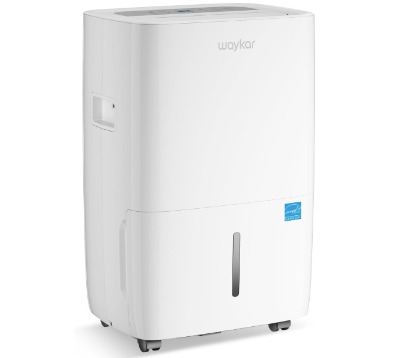
The Waykar 80-pint model stands out as a powerhouse solution for large basement spaces. This unit handles up to 5,000 square feet, making it perfect for expansive finished or unfinished basements. The substantial coverage area means you won’t need multiple units even in sprawling basement layouts.
Product Description
This dehumidifier combines high capacity with user-friendly features. The 80-pint daily moisture removal capacity tackles even severe humidity problems. The 1.14-gallon water tank provides decent capacity for manual drainage, while the included drain hose enables continuous operation. Energy Star certification ensures efficient operation despite the powerful performance.
The unit features an intelligent humidistat that automatically maintains your desired humidity level. A digital display shows current conditions at a glance. The auto-restart function means you don’t lose settings during brief power interruptions. The design includes handles and caster wheels for easy movement between areas.
Key Features
The built-in pump elevates this model above competitors. Water gets pumped up to 16 feet vertically, solving drainage challenges in basements without floor drains. This eliminates the need for separate condensate pumps. The turbo mode accelerates moisture removal during extreme humidity conditions.
Four operational modes give you control over performance. You can select continuous operation, auto mode based on humidity levels, manual mode, or dry clothes mode. The 24-hour timer allows scheduled operation. The washable air filter reduces maintenance costs and improves air quality.
Pros
- Covers expansive 5,000 square foot areas effectively
- Built-in pump handles challenging drainage situations
- Energy Star certification reduces operating costs
- Multiple operational modes provide flexibility
- Portable design with wheels and handles
- Auto-defrost function works in cooler basements
- Digital controls make operation simple
- Large capacity reduces cycling frequency
Cons
- Higher initial purchase price than smaller units
- Takes up more floor space due to capacity
- Slightly louder during turbo mode operation
- Water tank requires frequent emptying without continuous drain
2. AEOCKY 80 Pint/Day Smart Compressor Dehumidifier for 4,500 Sq.Ft
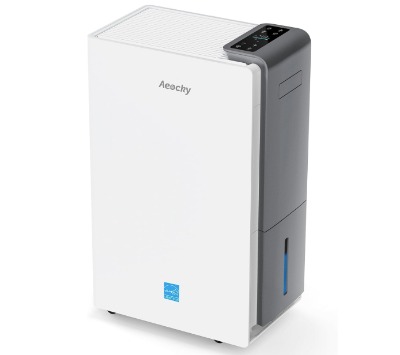
The AEOCKY dehumidifier brings smart technology to basement moisture control. Designed for spaces up to 4,500 square feet, this unit balances power with efficiency. The smart compressor technology adjusts operation based on current conditions, optimizing energy use.
Product Description
This model focuses on intelligent moisture management. The advanced compressor system adapts to humidity levels automatically, increasing or decreasing power as needed. This variable operation saves energy compared to units that only run at full capacity. The sleek modern design fits well in finished basement spaces.
The intelligent humidistat provides precise control over humidity levels. You can set specific percentages, and the unit maintains that environment consistently. The continuous drainage system uses a standard hose connection. The control panel features clear indicators showing operation status and current conditions.
Key Features
Smart sensor technology sets this dehumidifier apart. Multiple sensors throughout the unit monitor temperature and humidity constantly. The microprocessor analyzes this data and adjusts compressor speed accordingly. This results in more efficient operation and better humidity control.
The memory function saves your settings even during power outages. When electricity returns, the unit resumes operation exactly as configured. The child lock prevents accidental setting changes. The sleep mode reduces noise and light output during nighttime hours.
Pros
- Smart compressor adjusts to actual conditions
- Energy efficient variable speed operation
- Precise humidity control through advanced sensors
- 4,500 square foot coverage handles most basements
- Memory function maintains settings through outages
- Quiet operation doesn’t disturb living spaces
- Modern design looks good in finished basements
- Easy maintenance with accessible filter
Cons
- Complex features may overwhelm some users
- Smart functions require understanding the manual
- Smaller water tank needs more frequent emptying
- Premium pricing reflects advanced technology
3. Waykar 2000 Sq. Ft. Energy Star Dehumidifier for Home and Basements
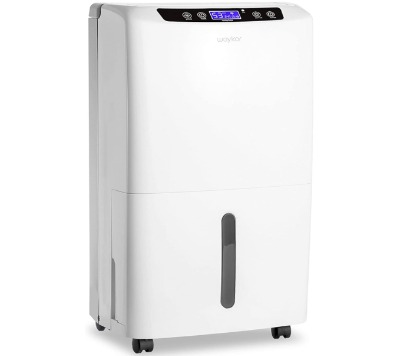
The compact Waykar model serves smaller basements perfectly. With 2,000 square foot coverage, this unit handles typical residential basement spaces efficiently. The smaller size makes it ideal for utility areas, storage rooms, or segmented basement sections.
Product Description
This dehumidifier proves that good things come in smaller packages. Despite the compact design, it delivers effective moisture removal for medium-sized spaces. The 0.66-gallon water tank suits the unit’s capacity appropriately. Both auto and manual drainage options provide flexibility in different basement configurations.
Energy Star certification ensures efficient operation despite daily use. The unit operates quietly enough for living spaces. Simple controls make operation straightforward for any user. The lightweight design allows easy repositioning as needed.
Key Features
The automatic shutoff prevents overflow when using tank collection. LED indicators clearly show operation status and when the tank needs emptying. The continuous drainage option connects easily to standard garden hoses. The auto-restart feature maintains operation through power fluctuations.
Three fan speeds let you balance noise levels with moisture removal intensity. The turbo setting accelerates drying after flooding or extreme humidity events. Normal mode handles everyday moisture control. Low speed operates quietly during nighttime hours.
Pros
- Compact size fits in tight basement areas
- Energy Star efficiency keeps costs low
- Quiet operation suitable for living spaces
- Simple controls require no learning curve
- Lightweight and easy to move
- Affordable price point for budget-conscious buyers
- Dual drainage options provide flexibility
- Low maintenance requirements
Cons
- Limited to 2,000 square feet coverage
- Small tank requires frequent emptying
- Lower capacity struggles with severe moisture
- No built-in pump for difficult drainage situations
4. DECIUU 100 Pint Dehumidifier for 5,000 Sq.Ft Basement
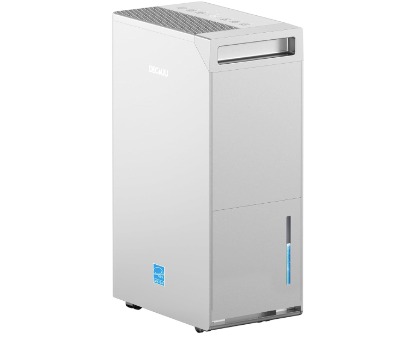
The DECIUU 100-pint model represents the top tier of basement moisture control. This heavy-duty unit removes up to 100 pints daily, handling even the dampest basement conditions. The 5,000 square foot coverage makes it suitable for the largest residential basements or commercial spaces.
Product Description
This professional-grade dehumidifier brings commercial power to home use. The robust construction withstands years of continuous operation. The high-capacity compressor removes moisture quickly, reducing overall runtime and saving energy. The intelligent humidity control system maintains consistent conditions automatically.
The unit includes a long drain hose for flexible placement options. The large drainage port accommodates standard hoses easily. The control panel provides detailed information about current conditions and operation status. The sturdy construction inspires confidence in long-term reliability.
Key Features
The 100-pint capacity handles extreme moisture situations effortlessly. This makes it perfect for flood recovery or severely damp basements. The intelligent control system learns your basement’s characteristics and optimizes performance over time. The auto-defrost system ensures operation in cold basement environments.
Four operational modes adapt to different situations. Auto mode maintains set humidity levels. Continuous mode runs at maximum capacity constantly. Laundry mode accelerates drying. Timer mode allows scheduled operation. The electronic controls resist moisture damage better than mechanical alternatives.
Pros
- Maximum 100-pint capacity for extreme situations
- Covers up to 5,000 square feet effectively
- Intelligent learning system optimizes performance
- Heavy-duty construction ensures longevity
- Works effectively in cold basement temperatures
- Multiple operational modes handle various needs
- Energy efficient despite high capacity
- Professional-grade performance for home use
Cons
- Higher purchase price reflects premium capacity
- Larger footprint requires adequate floor space
- Heavier weight makes moving more difficult
- Overkill for smaller or moderately humid basements
5. Vellgoo 70 Pint/D Dehumidifier for 4,500 Sq.Ft Basement
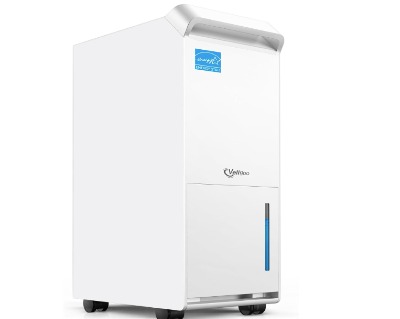
The Vellgoo dehumidifier offers an excellent balance of capacity and efficiency. The 70-pint daily capacity (56 pints under standard DOE testing conditions) handles most basement moisture problems effectively. The 4,500 square foot coverage suits typical residential basements perfectly.
Product Description
This unit combines reliable performance with practical features. The smart humidity control maintains your desired moisture level automatically. The included drain hose enables continuous drainage to floor drains or sump pumps. The modern design includes a digital display for easy monitoring.
The Energy Star certification confirms efficient operation. The compressor uses advanced refrigerant technology that removes moisture while consuming less electricity. The quiet operation won’t disturb basement activities or living spaces above. The durable construction handles the demanding basement environment.
Key Features
The smart control system adjusts operation based on ambient conditions. Temperature and humidity sensors provide data to the microprocessor. The system calculates optimal compressor speed and fan settings automatically. This intelligent operation maximizes efficiency while maintaining comfort.
The auto-restart function preserves your settings during power outages. The 24-hour timer allows scheduled operation aligned with electricity rates. The child lock prevents unintended changes to settings. The filter indicator reminds you when cleaning becomes necessary.
Pros
- Excellent capacity-to-efficiency ratio
- Smart controls optimize performance automatically
- 4,500 square foot coverage handles most basements
- Energy Star certification reduces operating costs
- Quiet operation suitable for any basement use
- Durable construction withstands harsh conditions
- Easy maintenance with accessible components
- Competitive pricing for features offered
Cons
- 70-pint capacity may struggle with severe moisture
- Water tank relatively small for manual drainage
- No built-in pump requires gravity drainage
- Advanced features need manual review for full use
Maintenance Tips for Long-Term Performance
Regular maintenance keeps your basement dehumidifier running efficiently for years. The air filter requires cleaning every two weeks during heavy use. Simply remove the filter, vacuum off dust and debris, and rinse with water if needed. Let it dry completely before reinstalling.
The water collection bucket needs cleaning monthly to prevent mold and bacteria growth. Wash it with mild soap and water, rinse thoroughly, and dry before replacing. This prevents musty odors and maintains healthy air quality.
Check the coils periodically for dust buildup. Vacuum carefully using the brush attachment. Keep the area around the dehumidifier clear to maintain proper airflow. These simple maintenance tasks ensure optimal performance and extend the unit’s lifespan.
Optimal Humidity Levels for Basement Spaces
The ideal basement humidity level falls between 30% and 50%. This range prevents mold growth while avoiding excessive dryness. Most experts recommend targeting 40-45% for optimal comfort and protection.
Humidity levels below 30% can cause wood to crack and create uncomfortably dry air. Levels above 50% promote mold growth and dust mite populations. Your dehumidifier’s humidistat allows precise control within the ideal range.
Seasonal adjustments may become necessary. Summer typically brings higher humidity requiring more aggressive dehumidification. Winter’s drier air may need higher humidity settings. Monitor conditions and adjust as needed.
Calculating Your Basement’s Moisture Load
Several factors determine how much dehumidification your basement needs. Calculate your basement’s square footage by multiplying length times width. This gives you the coverage area requirement.
Assess your moisture severity. Visible dampness, water stains, or musty odors indicate heavy moisture loads requiring higher capacity units. Mild dampness needs less capacity. Consider your local climate too—humid regions need more capacity than dry areas.
Account for additional factors like whether your basement is finished, how many people use the space, and if you dry laundry there. Each element adds to the total moisture load. Size your dehumidifier to handle the cumulative load effectively.
Energy Costs and Operating Expenses
Basement dehumidifiers typically consume between 300-700 watts during operation. Energy Star models fall on the lower end of this range. Calculate your costs by multiplying wattage by hours of operation and your electricity rate.
A 500-watt Energy Star dehumidifier running 12 hours daily costs approximately $25-35 monthly in most areas. This assumes average electricity rates of $0.13 per kilowatt-hour. Your actual costs depend on local rates and operation time.
Reduce costs by using continuous drainage, which prevents shutdown during full tanks. Clean filters regularly to maintain efficiency. Set appropriate humidity levels—each 5% reduction in target humidity increases operating costs significantly. The energy savings of efficient models quickly offset their higher initial cost.
Installation and Setup Best Practices
Position your dehumidifier in a central location with good air circulation. Leave at least 12 inches of clearance on all sides. This allows air to flow freely through the intake and exhaust, maximizing efficiency.
Level placement is crucial. Use a carpenter’s level to verify the unit sits completely flat. Uneven surfaces prevent proper water drainage and may cause operational problems. Place a piece of plywood under the unit if your basement floor is uneven.
Connect the drain hose securely if using continuous drainage. Ensure the hose runs downhill without kinks or loops that trap water. Test the drainage by running the unit and verifying water flows freely. Secure the hose to prevent accidental disconnection.
Troubleshooting Common Basement Dehumidifier Issues
If your dehumidifier stops removing moisture effectively, check the air filter first. A clogged filter restricts airflow and reduces performance dramatically. Clean or replace filters according to the manufacturer’s schedule.
Frost on the coils indicates the basement temperature is too low. Enable the auto-defrost function if available. If frost persists, the unit may not be designed for low-temperature operation. Consider a model rated for cold environments.
Water leaking from the unit usually results from improper leveling or drainage hose problems. Check that the unit sits level and all drain connections are tight. Empty the internal tank and ensure it’s seated properly. These simple checks resolve most water leak issues.
Seasonal Operation Strategies
Summer demands maximum dehumidification in most climates. High outdoor humidity means basement humidity increases. Run your dehumidifier continuously during peak summer months. Set the humidistat to maintain 40-45% relative humidity consistently.
Spring and fall allow reduced operation. Monitor humidity levels and adjust settings as outdoor conditions change. You might reduce operation to 8-10 hours daily during these moderate seasons.
Winter operation depends on your climate and heating system. Heated basements may still need dehumidification, especially if you dry laundry there. Unheated basements in cold climates may not need operation during winter months. Monitor humidity levels and operate as needed.
Health Benefits of Proper Basement Humidity Control
Controlling basement humidity protects your family’s health significantly. Mold spores thrive in humid environments and trigger allergies, asthma, and respiratory problems. Maintaining proper humidity levels prevents mold growth and improves overall air quality.
Dust mites, another common allergen, need humidity above 50% to survive. Your dehumidifier keeps conditions too dry for these pests. This reduces allergic reactions and improves sleep quality for sensitive individuals.
The health benefits extend throughout your home. Reducing basement humidity prevents moisture from migrating to upper floors. This creates better air quality in living spaces. The investment in a quality dehumidifier pays dividends in family health and comfort.
Protecting Your Basement Belongings
Excess humidity ruins stored items in your basement. Cardboard boxes deteriorate and collapse. Paper documents yellow and decay. Electronics corrode and malfunction. Fabrics develop mildew and musty odors. Proper dehumidification protects these valuable items.
Wood furniture and musical instruments suffer serious damage from humidity fluctuations. Wood absorbs moisture, swelling and warping. This ruins furniture joints and musical instrument soundboards. Maintaining consistent humidity levels preserves these valuable possessions.
Your dehumidifier acts as insurance for basement storage. The modest operating cost prevents thousands of dollars in damaged belongings. This makes the investment worthwhile even without considering the other benefits.
Integration with HVAC Systems
Some homeowners integrate basement dehumidifiers with their HVAC systems. This coordination improves whole-house humidity control. The basement unit handles moisture at the source, reducing the load on your air conditioning system.
Standalone basement dehumidifiers offer flexibility independent of your HVAC system. You control basement humidity directly without affecting upper-floor comfort. This independence allows customized settings for your basement’s unique needs.
Most basements benefit from dedicated dehumidifiers rather than relying on central HVAC systems. The extreme moisture conditions in basements exceed the capacity of standard air conditioning. A dedicated unit ensures effective control and prevents overwhelming your HVAC system.
Smart Home Integration and Monitoring
Modern dehumidifiers increasingly offer smart home connectivity. Wi-Fi enabled models allow remote monitoring and control through smartphone apps. Check humidity levels, adjust settings, and receive alerts from anywhere.
Smart integration enables automation with other home systems. Connect your dehumidifier to smart home hubs for sophisticated control. Set rules that adjust operation based on weather forecasts or time of day. These integrations optimize efficiency and convenience.
Even without smart features, modern dehumidifiers provide valuable monitoring capabilities. Digital displays show current humidity, temperature, and operation status. This information helps you understand your basement environment and adjust settings accordingly.
Environmental Impact and Sustainability
Energy Star dehumidifiers reduce your environmental footprint significantly. Lower electricity consumption means reduced carbon emissions from power generation. Over the unit’s lifetime, this adds up to meaningful environmental benefits.
Modern dehumidifiers use environmentally friendly refrigerants. Older units used refrigerants that damage the ozone layer. Current models comply with environmental regulations protecting our atmosphere. When replacing an old unit, dispose of it properly through recycling programs.
The durability of quality dehumidifiers also benefits the environment. Units lasting 10-15 years reduce manufacturing impact compared to frequently replaced cheaper models. The investment in quality equipment makes environmental and financial sense.
When to Replace Your Basement Dehumidifier
Dehumidifiers typically last 8-12 years with proper maintenance. Signs you need replacement include reduced moisture removal capacity, frequent repairs, or excessive noise. If your unit struggles to maintain target humidity despite proper maintenance, replacement time approaches.
Energy efficiency improvements make replacement worthwhile even for functioning units. Newer Energy Star models remove moisture using significantly less electricity. The energy savings over a few years offset the replacement cost.
Consider your basement’s changing needs too. If you’ve finished your basement or increased its use, your current unit might lack adequate capacity. Upgrading ensures proper moisture control for your current situation.
Warranty Coverage and Customer Support
Warranty protection varies significantly between brands and models. Premium units typically include 2-5 year warranties covering parts and labor. Budget models may offer only one-year coverage. The longer warranty indicates manufacturer confidence in reliability.
Read warranty terms carefully. Some cover only specific components like the compressor. Others provide comprehensive protection. Understand what’s covered and for how long before purchasing.
Reliable customer support matters when issues arise. Research the manufacturer’s reputation for service. Available support channels should include phone, email, and online resources. Good support turns problems into minor inconveniences rather than major frustrations.
Making Your Final Decision
Selecting the best dehumidifier for your basement balances multiple factors. Start with coverage area—your unit must handle your basement’s square footage. Then consider capacity based on moisture severity. Energy efficiency affects long-term costs significantly.
Drainage options matter based on your basement layout. Continuous drainage through a hose provides the most convenience. Built-in pumps solve challenging drainage situations. Think about where you’ll place the unit and how water will drain.
Your budget plays a role, but remember that quality units last longer and operate more efficiently. The cheapest option often costs more over time through higher energy bills and earlier replacement. Invest in a reliable Energy Star certified model that meets your specific needs.
Conclusion
Your basement deserves protection from excess moisture. The five dehumidifiers reviewed here represent the best options currently available. Each offers unique strengths suited to different basement situations and budgets.
The Waykar 80-pint model excels for large basements needing maximum coverage and built-in pump convenience. The AEOCKY smart dehumidifier brings intelligent operation and efficiency to medium-large spaces. The compact Waykar 2000 sq ft unit serves smaller basements perfectly while maintaining energy efficiency.
For extreme moisture situations, the DECIUU 100-pint powerhouse delivers professional-grade performance. The Vellgoo 70-pint model offers the best balance of capacity, efficiency, and features for typical basement applications.
Your choice depends on your basement’s specific conditions and your priorities. Measure your space accurately, assess your moisture levels, and consider your drainage options. Match these factors to the unit that best meets your needs. A quality basement dehumidifier transforms your space from damp and musty to dry and comfortable. The investment protects your home, your belongings, and your family’s health. Take action now to solve your basement moisture problems permanently.

Hi, I’m Mary, the founder of Homygear.com. I’m passionate about creating a comfortable, smart, and beautiful home. I share practical insights and real-world experience on home gear that makes everyday life easier. Behind the scenes, my dedicated research team studies products in depth, and our writers craft honest reviews using trusted, authentic sources—so you can choose home gear with confidence.