5 Best Canister Vacuum with Powerhead In 2026
Finding the right canister vacuum with a powerhead can transform your cleaning routine. These versatile machines combine powerful suction with motorized brush rolls to tackle everything from hardwood floors to deep-pile carpets. After testing multiple models and analyzing user feedback, we’ve put together this comprehensive guide to help you find the perfect canister vacuum for your home.
Why a Powerhead Makes All the Difference
A powerhead attachment changes the game when it comes to canister vacuums. Unlike standard floor tools, a powerhead features its own motor that spins a brush roll independently. This motorized action agitates carpet fibers, pulling out embedded dirt, pet hair, and debris that suction alone might miss.
The dual-motor system found in quality canister vacuums provides exceptional cleaning performance. One motor handles suction through the hose, while the powerhead’s dedicated motor drives the brush roll. This setup delivers superior results on carpets while maintaining the maneuverability and versatility that make canister vacuums so popular.
Pet owners particularly benefit from powerhead attachments. The rotating brushes excel at lifting stubborn pet hair from carpets and upholstery. Combined with HEPA filtration, these machines create a cleaner environment for families dealing with allergies or asthma.
Top 5 Canister Vacuums with Powerhead
1. Kenmore 600 Series Pet Friendly Canister Vacuum – Best Overall

The Kenmore 600 Series stands out as our top pick for homes with pets and varied flooring types. This bagged canister vacuum combines robust build quality with thoughtful features that make cleaning less of a chore.
Product Description
This purple powerhouse features a two-motor system that delivers consistent, powerful suction across all surfaces. The Pet PowerMate attachment includes a dedicated motor that drives the brush roll, making quick work of pet hair on carpets. The aluminum telescoping wand adjusts to your height, reducing strain during extended cleaning sessions.
The Pop-N-Go brush attachment adds unique functionality. This innovative design allows you to quickly release tangled hair and debris from the brush roll without tools. Simply press a button, and the brush pops out for easy cleaning.
HEPA filtration traps 99.97% of dust and allergens, keeping the air in your home clean. The retractable cord eliminates the hassle of manual winding, while four specialized cleaning tools handle everything from bare floors to ceiling fans.
Key Features
The telescoping wand extends smoothly and locks securely at your preferred length. This adjustment capability means less bending and reaching during your cleaning routine. The retractable 28-foot cord provides excellent reach without creating a tangled mess.
The bagged design contains dust and allergens better than bagless alternatives. When the bag fills, you simply remove and dispose of it without exposing yourself to collected debris. The HEPA filter works in conjunction with the sealed system to capture microscopic particles.
Four specialized tools come included: a dusting brush for delicate surfaces, a crevice tool for tight spaces, an upholstery tool for furniture, and the signature Pet PowerMate for carpet deep cleaning. Each attachment stores conveniently on the vacuum body.
Performance Analysis
Carpet cleaning performance exceeds expectations. The Pet PowerMate brush roll spins vigorously, digging deep into carpet fibers to extract embedded dirt and hair. The motorized action combined with strong suction removes debris that lesser vacuums leave behind.
Hard floor cleaning proves equally impressive. You can disengage the brush roll or switch to the bare floor attachment for gentle yet effective cleaning on tile, hardwood, and laminate. The vacuum glides smoothly across these surfaces without scattering debris.
Pet hair removal ranks among this vacuum’s strongest suits. The motorized brush roll combined with strong suction lifts hair from carpets, area rugs, and upholstery. The Pop-N-Go feature makes brush maintenance simple, so performance stays consistent over time.
Pros
- Powerful dual-motor system handles all floor types
- Pop-N-Go brush design simplifies maintenance
- HEPA filtration ideal for allergy sufferers
- Lightweight design easy to maneuver
- Retractable cord adds convenience
- Aluminum wand won’t rust or corrode
- Strong suction maintains consistent performance
Cons
- Replacement bags add ongoing costs
- Slightly louder than some premium models
- Purple color may not suit all preferences
- Hose could be slightly longer for large spaces
2. Kenmore 81214 200 Series Pet Friendly Canister Vacuum – Best Value
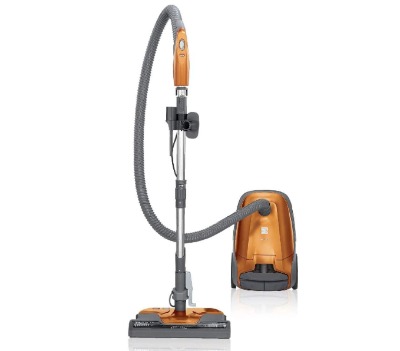
The Kenmore 200 Series delivers impressive cleaning performance at a budget-friendly price point. This orange canister vacuum proves you don’t need to spend a fortune to get quality results.
Product Description
This lightweight canister vacuum features a two-motor system that provides reliable suction and brush roll power. The compact design makes storage simple, while the bagged system keeps dust and allergens contained. HEPA filtration ensures clean exhaust air, making this vacuum suitable for homes with allergy concerns.
Three cleaning tools come standard, covering the essential cleaning tasks most households face. The motor-driven powerhead handles carpets effectively, while the included attachments tackle bare floors, furniture, and hard-to-reach areas.
The 200 Series weighs less than many competing models, reducing fatigue during longer cleaning sessions. The canister glides smoothly on durable wheels that protect your floors from scratches. A carrying handle makes transport between rooms effortless.
Key Features
The two-motor design separates this model from single-motor competitors. One motor generates suction through the hose and wand, while the powerhead’s independent motor spins the brush roll. This configuration provides thorough cleaning without compromising either function.
HEPA filtration captures microscopic particles that trigger allergies and asthma. The sealed system prevents unfiltered air from escaping back into your home. Bagged collection makes disposal hygienic and straightforward.
The telescoping wand adjusts to different heights, accommodating users of varying statures. The powerhead’s brush roll can be activated or deactivated depending on the surface you’re cleaning. This versatility protects delicate rugs and hard floors from unnecessary agitation.
Performance Analysis
Carpet cleaning performance impresses considering the affordable price. The motorized brush roll agitates carpet fibers effectively, loosening embedded dirt and pet hair. Suction power remains strong even as the bag fills, maintaining consistent results.
Bare floor cleaning works well with the appropriate attachments. The vacuum transitions smoothly between carpet and hard surfaces. You can switch off the brush roll when moving to tile or hardwood, preventing debris from being scattered.
Pet hair pickup exceeds expectations for this price range. The rotating brush combined with steady suction lifts hair from carpeting and upholstery. While it may require an extra pass compared to premium models, the results satisfy most users.
Pros
- Excellent value for the price
- Two-motor system delivers solid performance
- HEPA filtration protects air quality
- Lightweight and easy to carry
- Bagged design contains allergens
- Compact size simplifies storage
- Reliable brand with good customer support
Cons
- Fewer attachments than higher-end models
- Cord length shorter than some prefer
- No retractable cord feature
- Build quality adequate but not premium
3. Kenmore BC3005 Pet Friendly Canister Vacuum – Most Versatile

The Kenmore BC3005 offers enhanced features and extended reach, making it ideal for larger homes or users who value convenience features.
Product Description
This blue canister vacuum builds on Kenmore’s proven design with upgrades that improve the user experience. The extended telescoping wand reaches high ceilings and deep into closets without requiring a step stool. The two-motor system delivers powerful cleaning across all surface types.
Four specialized cleaning tools handle diverse cleaning challenges. The retractable cord eliminates the tedious task of manual winding after each use. HEPA filtration maintains excellent air quality, while the bagged system keeps dust contained during disposal.
The BC3005 balances power with maneuverability. Despite robust construction, the vacuum remains light enough for comfortable use. The canister’s low profile allows it to slide under furniture easily, expanding your cleaning coverage.
Key Features
The extended telescoping wand represents a significant upgrade. This feature proves invaluable for cleaning ceiling fans, high shelves, and other elevated surfaces. The wand locks securely at various lengths, providing stability during use.
Four cleaning tools expand your options: a motorized Pet PowerMate for carpets, a bare floor brush, a dusting tool, and a crevice attachment. These tools store on the vacuum body, keeping everything organized and accessible.
The retractable cord system adds genuine convenience. After finishing your cleaning, press a button and the cord rewinds automatically. This feature may seem minor until you experience the time savings it provides over manual winding.
Performance Analysis
The BC3005 excels at whole-home cleaning. The extended wand eliminates much of the reaching and stretching that makes ceiling and high-surface cleaning tedious. The powerhead handles carpet cleaning with authority, extracting dirt from deep within fibers.
Hard floor performance matches the carpet results. The appropriate attachments clean tile, hardwood, and laminate without causing damage. The vacuum’s maneuverability shines when navigating around furniture and through tight spaces.
Pet hair removal capabilities match or exceed the other Kenmore models. The motorized brush roll combined with strong, consistent suction lifts hair from all surfaces. The HEPA filter traps dander and allergens, creating a healthier environment.
Pros
- Extended wand reaches difficult areas
- Retractable cord saves time and effort
- Two motors provide excellent cleaning power
- Four attachments increase versatility
- HEPA filtration ideal for allergies
- Smooth-rolling wheels protect floors
- Lightweight despite robust construction
Cons
- Costs more than the 200 Series
- Some users report bags can be hard to find locally
- Blue color may not match all décor preferences
- Slightly larger footprint than ultra-compact models
4. Miele New Guard L1 Canister Vacuum – Premium Performance

The Miele New Guard L1 represents the premium end of canister vacuum design. This German-engineered machine combines exceptional build quality with advanced features.
Product Description
Miele built its reputation on durability and performance, and the New Guard L1 upholds those standards. The bagged design features an AirClean filtration system that captures particles effectively. The Electro Plus floorhead serves as the motorized powerhead, delivering deep cleaning on carpets.
The AllTeQ universal floorhead adds versatility for mixed flooring homes. An LED display panel provides information about vacuum status, bag fullness, and filter maintenance needs. The Nordic Blue and Space Grey color scheme creates a sophisticated appearance.
This vacuum emphasizes longevity. Miele designs its machines to last decades rather than years. The construction quality, component selection, and engineering precision justify the premium price for users who value long-term reliability.
Key Features
The Electro Plus floorhead features a powerful motor that drives the brush roll with authority. This motorized head adjusts automatically to different carpet heights, maintaining optimal cleaning contact. The brush roll itself uses durable materials designed for years of service.
The AllTeQ universal floorhead handles everything from bare floors to low-pile carpets without requiring attachment changes. This versatility speeds up cleaning when you’re moving between different surface types.
The LED display panel modernizes the user interface. Instead of guessing when to change bags or filters, you receive clear alerts. This feature helps maintain optimal performance by prompting timely maintenance.
Performance Analysis
Cleaning performance sets the standard that other vacuums strive to match. The Electro Plus floorhead provides deep carpet cleaning that extracts embedded dirt other machines miss. The suction power remains remarkably consistent regardless of the bag’s fullness.
Hard floor cleaning achieves outstanding results with the AllTeQ head. The gentle yet effective design cleans thoroughly without scratching delicate surfaces. The vacuum glides effortlessly across all floor types.
Build quality surpasses most competitors significantly. Every component feels substantial and well-engineered. The vacuum operates more quietly than many alternatives, despite its powerful performance. Users report these machines lasting 15-20 years or more with basic maintenance.
Pros
- Exceptional build quality and durability
- Electro Plus powerhead delivers superior carpet cleaning
- AllTeQ head adds versatility
- LED display provides helpful information
- Quieter operation than most canister vacuums
- AirClean filtration highly effective
- German engineering ensures reliability
Cons
- Premium price significantly higher than alternatives
- Heavier than some competing models
- Replacement parts and bags cost more
- May be overpowered for small apartments
5. Eureka Bagless Canister Vacuum – Best Bagless Option
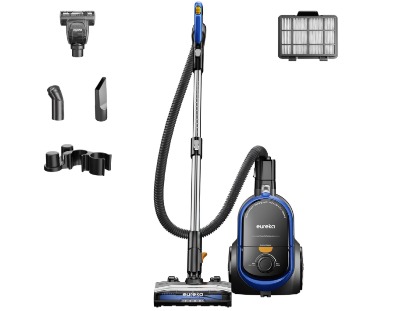
The Eureka bagless canister vacuum offers a different approach for users who prefer not to deal with replacement bags. This compact machine delivers solid performance at an accessible price.
Product Description
This bagless design features a washable HEPA filter, eliminating ongoing bag costs. The 16KPA suction power handles both carpets and hard floors effectively. A two-motor system provides dedicated power for suction and brush roll operation.
Three cleaning tools address common household cleaning tasks. The compact design makes storage simple, even in small closets or utility rooms. The lightweight construction reduces fatigue during use, making this vacuum ideal for quick daily cleaning sessions.
The bagless dust cup empties easily, allowing you to see exactly what you’ve collected. The washable filter needs periodic cleaning but never requires replacement, reducing long-term operating costs.
Key Features
The 16KPA suction specification indicates strong pulling power. This suction level handles embedded dirt and debris effectively, even in medium-pile carpets. The motorized brush roll in the powerhead provides the agitation needed for thorough carpet cleaning.
Three included tools cover essential cleaning needs: a crevice tool for tight spaces, a dusting brush for delicate surfaces, and an upholstery attachment for furniture. While fewer than some competitors, these tools handle most routine cleaning tasks.
The washable HEPA filter represents a significant cost saving over the vacuum’s lifespan. Rather than buying replacement filters, you simply rinse the existing filter and allow it to dry. This filter design maintains effectiveness for years when properly maintained.
Performance Analysis
Carpet cleaning performance proves satisfactory for routine maintenance. The motorized brush roll agitates fibers effectively, while the strong suction extracts loosened dirt. Deep cleaning heavily soiled carpets may require multiple passes, but regular maintenance cleaning works well.
Hard floor cleaning meets expectations. The vacuum transitions smoothly between surfaces when you disengage the brush roll. Suction remains strong on bare floors, pulling dirt and debris into the dust cup efficiently.
The bagless design has trade-offs. Emptying the dust cup exposes you briefly to collected dust, which may concern allergy sufferers. However, the convenience of never buying bags appeals to many users. The washable filter requires regular maintenance to maintain optimal performance.
Pros
- No ongoing bag costs
- Washable HEPA filter saves money
- Strong 16KPA suction power
- Compact size easy to store
- Lightweight and maneuverable
- Two-motor system effective for the price
- Transparent dust cup shows collection
Cons
- Dust cup emptying messier than bagged systems
- Requires more frequent filter maintenance
- Smaller capacity than bagged models
- Build quality adequate but not premium
- Fewer attachments than some alternatives
Comprehensive Buying Guide
Understanding Powerhead Technology
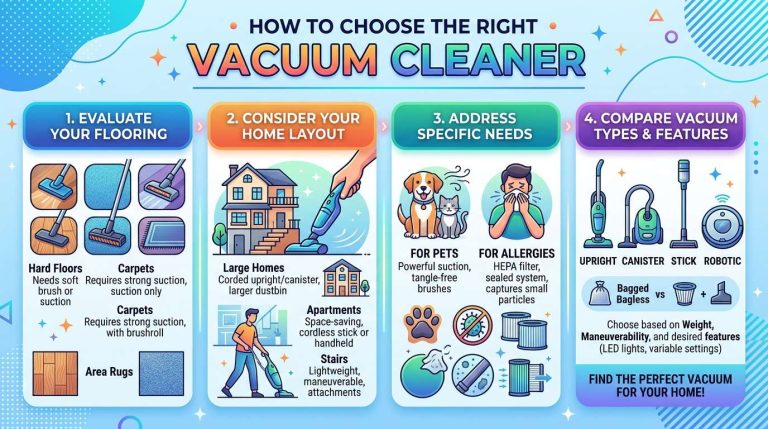
A true powerhead contains its own motor that independently drives the brush roll. This design differs from a turbo brush, which relies on suction airflow to spin the brush. The dedicated motor in a powerhead provides consistent, powerful brush action regardless of suction strength.
The brush roll in a quality powerhead rotates at high speed, typically 3,000-6,000 RPM. This rapid rotation agitates carpet fibers, loosening embedded dirt and lifting it into the airflow. The combination of mechanical agitation and strong suction provides superior cleaning compared to suction alone.
Different powerhead designs serve different purposes. Some feature adjustable brush heights that adapt to various carpet thicknesses. Others include LED lights that illuminate dark spaces under furniture. Premium models may incorporate sensors that automatically adjust power based on floor type.
Bagged vs. Bagless Systems
Bagged canister vacuums contain dirt in disposable bags that you replace when full. This design offers several advantages. The sealed bag traps allergens and dust, preventing exposure during disposal. Bags typically hold more debris than bagless dust cups, reducing emptying frequency.
Bagged systems maintain more consistent suction as they fill. The bag itself acts as a filter, and only when nearly full does airflow restriction become noticeable. This design appeals to allergy sufferers who want minimal dust exposure.
Bagless systems eliminate ongoing bag costs. The transparent dust cup lets you see when emptying is needed and shows exactly what you’ve collected. However, emptying the cup exposes you to dust and allergens. Filters in bagless systems require regular cleaning to maintain performance.
The decision between bagged and bagless often comes down to personal preference. Bagged systems cost more over time but offer better allergen containment. Bagless systems save money but require more hands-on maintenance.
HEPA Filtration Explained
HEPA stands for High-Efficiency Particulate Air. True HEPA filters capture 99.97% of particles as small as 0.3 microns. This filtration level traps dust mites, pollen, mold spores, pet dander, and many bacteria.
Not all HEPA filters perform equally. Look for vacuums with sealed systems where all air passes through the filter before exhaust. Some vacuums claim HEPA filtration but allow unfiltered air to leak around the filter housing.
HEPA filtration particularly benefits households with asthma or allergies. Regular vacuums may actually worsen air quality by exhausting fine particles back into the room. A properly sealed HEPA vacuum improves air quality while cleaning.
Filter maintenance affects performance significantly. Bagged systems typically require filter replacement every 6-12 months. Washable filters in bagless systems need regular cleaning to prevent airflow restriction. Following manufacturer recommendations ensures optimal filtration.
Motor Power and Suction Ratings
Manufacturers specify motor power in various ways, sometimes creating confusion. Amp ratings indicate electrical draw, not cleaning performance. A 12-amp vacuum doesn’t necessarily clean better than a 10-amp model.
Suction specifications use different metrics. Some manufacturers cite “sealed suction” measured at the hose inlet. Others reference “airflow” measured in cubic feet per minute (CFM). Both metrics indicate cleaning potential, but they’re not directly comparable.
The two-motor design in quality canister vacuums with powerheads provides distinct advantages. The suction motor pulls air through the hose and filters. The powerhead motor drives the brush roll. This separation prevents performance compromises that plague single-motor designs.
Real-world cleaning performance depends on multiple factors beyond raw power. Airflow design, brush roll configuration, nozzle geometry, and filtration efficiency all impact results. Testing reviews and user feedback often provide better performance insights than specifications alone.
Essential Features to Consider
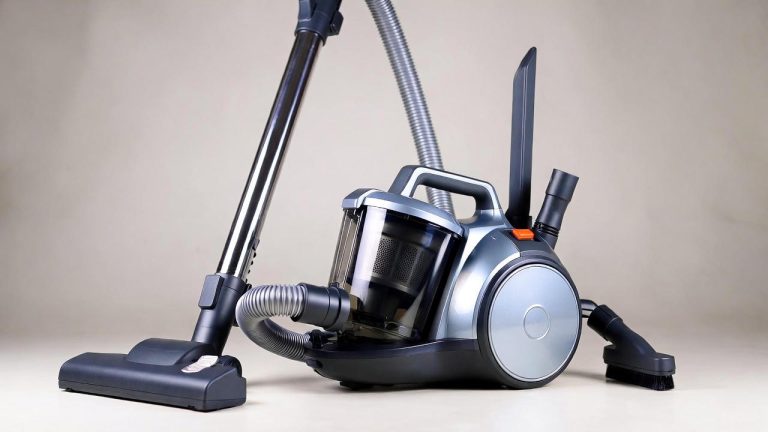
Telescoping wands adjust to your height, reducing back strain during cleaning. Look for wands that extend smoothly and lock securely. Aluminum construction resists rust and weighs less than steel alternatives.
Cord length affects cleaning convenience significantly. Short cords require frequent outlet changes when cleaning large spaces. Look for at least 20 feet of cord, though 25-30 feet provides better coverage. Retractable cords add convenience but increase manufacturing complexity.
Attachment storage keeps tools organized and accessible. Some vacuums include onboard storage for frequently used tools. This feature prevents the frustration of searching for the right attachment mid-cleaning.
Wheel design impacts maneuverability and floor protection. Large, rubberized wheels roll smoothly and protect hardwood from scratches. Swivel casters improve navigation around furniture and through tight spaces.
Noise level deserves consideration, especially for apartments or noise-sensitive households. Premium vacuums often operate 5-10 decibels quieter than budget models. This difference might seem minor but becomes noticeable during extended use.
Capacity Considerations
Bag or dust cup capacity determines how frequently you’ll need to empty the vacuum. Larger homes generate more debris, making capacity an important consideration. Most canister vacuum bags hold 1-1.5 gallons, sufficient for several cleaning sessions.
Bagless dust cups typically offer less capacity than bags, often holding 0.5-1 gallon. You’ll empty bagless systems more frequently, but you can do so immediately when full without keeping replacement bags on hand.
Capacity affects more than convenience. Overfilling any vacuum reduces performance. Bags that are too full restrict airflow, reducing suction. Bagless systems lose efficiency when dust reaches the maximum fill line. Empty or replace bags before reaching maximum capacity for best results.
Maintenance and Care Tips
Regular Maintenance Schedule
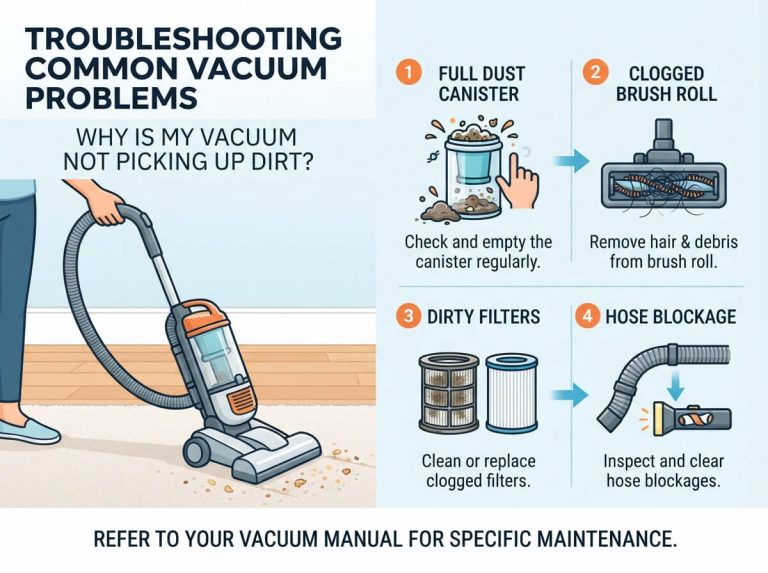
Establishing a maintenance routine extends your vacuum’s lifespan and maintains peak performance. Check the brush roll weekly for tangled hair and debris. Most powerheads allow easy access to the brush roll for cleaning.
Empty bags when two-thirds full rather than waiting until completely full. This practice maintains optimal airflow and suction. For bagless models, empty the dust cup after each use or when it reaches the fill line.
Clean or replace filters according to manufacturer recommendations. Washable filters typically need rinsing monthly, while disposable filters require replacement every 3-6 months. Never operate the vacuum without filters installed.
Inspect the hose periodically for cracks or blockages. A cracked hose reduces suction and efficiency. Blockages restrict airflow, potentially overheating the motor. Clear any obstructions immediately to prevent damage.
Brush Roll Care
The brush roll requires regular attention to maintain effectiveness. Hair, thread, and string wrap around the brush, reducing cleaning performance. Use scissors to carefully cut away tangled material, then pull it free.
Some powerheads feature removable brush rolls that simplify cleaning. Pop-N-Go designs allow instant brush removal without tools. This accessibility encourages regular maintenance, keeping performance consistent.
Check brush roll bristles for wear. Over time, bristles wear down, reducing carpet agitation. Most manufacturers offer replacement brush rolls. Installing a fresh brush roll restores like-new cleaning performance.
Bearings support the brush roll shaft, allowing smooth rotation. If the brush roll makes grinding noises or rotates unevenly, bearings may need lubrication or replacement. Address these issues promptly to prevent motor damage.
Filter Maintenance
HEPA filters require proper care to maintain filtration efficiency. Washable filters should be rinsed with cool water, never hot, which can damage the filter media. Allow filters to dry completely before reinstalling—typically 24 hours.
Disposable HEPA filters gradually lose efficiency as they load with particles. Replace them according to manufacturer recommendations, usually every 6-12 months depending on usage. Some vacuums include filter change indicators that alert you when replacement is needed.
Pre-motor filters protect the motor from larger particles. These filters often require more frequent attention than HEPA filters. Check them monthly and replace as needed. Clogged pre-motor filters can cause overheating and motor damage.
Never operate your vacuum without filters installed. Even briefly running without filtration can allow debris to enter the motor, causing damage. Keep spare filters on hand to avoid this temptation when filters need cleaning or replacement.
Hose and Attachment Care
Inspect hoses regularly for cracks, especially at connection points where bending stress concentrates. Small cracks reduce suction and grow larger over time. Replace damaged hoses promptly to maintain performance.
Clean attachments periodically with mild soap and water. Brushes accumulate dust and oils that reduce effectiveness. Crevice tools can harbor debris that restricts airflow. Quick cleaning maintains optimal performance.
Store hoses properly to prevent kinking and cracking. Avoid sharp bends or hanging weight on the hose. Many vacuums include hose storage that maintains proper curvature.
Check electrical connections on powerheads for wear or damage. Loose connections cause intermittent operation, while damaged wiring poses safety risks. Address any electrical issues immediately.
Common Problems and Solutions
Loss of Suction
Reduced suction has several common causes. Full or nearly full bags restrict airflow significantly. Replace the bag even if it appears to have room remaining.
Clogged filters are another frequent culprit. Examine all filters and clean or replace as needed. Remember that even washable filters eventually need replacement after numerous cleaning cycles.
Hose blockages hide from casual inspection. Disconnect the hose and look through it toward a light source. Any obstruction will block light. Use a broomstick or hose snake to clear blockages.
Air leaks reduce suction noticeably. Inspect all connections for tight seals. Check the hose for cracks or holes. Even small leaks significantly impact performance.
Brush Roll Not Spinning
A non-spinning brush roll typically indicates a broken belt or motor issue. Most powerheads use a belt connecting the motor to the brush roll shaft. These belts stretch and break with use.
Belt replacement is straightforward on most models. Remove the powerhead cover, slip off the old belt, and install a new one. Keep spare belts on hand for quick repairs.
Tangled debris can prevent brush roll rotation. Hair and string wrap so tightly they bind the brush. Remove the brush roll and clean it thoroughly.
If the brush roll spins freely by hand but won’t turn during operation, the motor may have failed. This repair typically requires professional service or powerhead replacement.
Unusual Noises
Grinding or squealing sounds often indicate bearing problems. Brush roll bearings wear over time, especially with inadequate maintenance. Lubricate bearings according to manufacturer instructions or replace them if damaged.
Rattling sounds suggest something is loose or foreign objects are bouncing in the airflow. Check for loose screws or panels. Remove any objects caught in the brush roll or powerhead.
Whistling or hissing indicates air leaks. Systematically check all connections and hoses. The source may be subtle—a crack in a hose coupling or a worn gasket.
Motor whining or laboring suggests restricted airflow. Check for clogs in the hose, wand, or powerhead. Clean or replace filters. Verify the bag isn’t overfull.
Electrical Issues
If the powerhead won’t turn on, check the electrical connections first. Many powerheads use a plug-in connection at the wand that can work loose. Ensure connections are secure.
Thermal cutoffs protect motors from overheating. If your vacuum shuts off during use, it may be overheating due to restricted airflow. Clear any blockages, clean filters, and allow the motor to cool before restarting.
Damaged power cords pose safety risks. Inspect the entire cord length for fraying, cuts, or exposed wires. Replace damaged cords immediately—this is not a DIY repair unless you have electrical expertise.
Switch failures occur but are less common than other issues. If the vacuum won’t turn on despite proper power and connections, the switch may have failed. This repair typically requires professional service.
Maximizing Cleaning Efficiency
Proper Technique
Vacuum in overlapping passes for thorough cleaning. Each pass should overlap the previous by half the powerhead width. This technique ensures no areas are missed.
Move at a steady pace that allows the brush roll to agitate fibers properly. Rushing reduces cleaning effectiveness. The powerhead should move forward and backward over each area at least once.
Adjust the powerhead height for your carpet type. The brush roll should barely touch the carpet surface. Too high, and it won’t agitate effectively. Too low, and it restricts airflow and can damage carpets.
Use the appropriate attachment for each surface. The powerhead excels on carpets but can damage delicate rugs. Switch to bare floor attachments for hard surfaces to prevent scattering debris.
Strategic Cleaning Approach
Start with clutter removal. Pick up toys, papers, and other objects before vacuuming. This preparation allows uninterrupted cleaning and prevents damage to the vacuum or objects.
Work from top to bottom in rooms. Dust ceiling fans, shelves, and furniture first. Disturbed dust falls to the floor, where final vacuuming captures it.
Vacuum under furniture by using the wand with appropriate attachments. Many canister vacuums slide easily beneath low-clearance furniture. This access eliminates dust buildup in hidden areas.
Clean high-traffic areas more frequently than low-traffic spaces. Entryways, hallways, and main living areas accumulate dirt faster. Spot-clean these areas between full-house vacuuming sessions.
Extending Vacuum Life
Avoid vacuuming large debris that can damage components or cause blockages. Pick up paper clips, coins, and other objects by hand. These items can jam the powerhead or damage the impeller.
Allow the motor to cool between heavy-use sessions. Continuous operation without breaks can overheat motors. Take short breaks during extended cleaning sessions.
Store the vacuum properly between uses. Keep it in a dry location away from temperature extremes. Avoid storing it with the cord tightly wound, which can damage internal wiring over time.
Use genuine replacement parts when available. Aftermarket bags, filters, and belts may cost less but often fit poorly or perform inadequately. Genuine parts ensure optimal performance and longevity.
Environmental Considerations
Energy Efficiency
Modern canister vacuums use energy more efficiently than older models. However, running time directly impacts electricity consumption. Complete your vacuuming efficiently to minimize energy use.
The two-motor design in powerhead-equipped vacuums uses more electricity than single-motor models. This increased consumption delivers better cleaning results, potentially reducing the need for multiple passes.
Maintaining your vacuum improves energy efficiency. Clogged filters and full bags force the motor to work harder, consuming more electricity while delivering reduced performance. Regular maintenance keeps energy use optimized.
Some manufacturers offer energy-efficient models that deliver strong performance with reduced power consumption. Look for Energy Star ratings or efficiency specifications when comparing models.
Sustainable Practices
Bagged systems generate waste through disposable bags. However, these bags often contain more recyclable material than one might expect. Check with local recycling programs for proper disposal options.
Bagless systems eliminate bag waste but require filter replacements eventually. Washable filters reduce this waste significantly, though they too need eventual replacement.
Consider vacuum longevity when assessing environmental impact. A durable vacuum used for 15 years has less environmental impact than three cheaper vacuums replaced every five years. Premium models often justify their cost through extended lifespan.
Proper maintenance extends vacuum life, reducing waste from premature replacement. Regular care prevents failures that lead to disposal. Repair rather than replace when feasible.
Disposal and Recycling
When your vacuum reaches end-of-life, explore recycling options. Many components contain recyclable metals and plastics. Some manufacturers offer take-back programs for old vacuums.
Local waste management facilities often accept small appliances for recycling. They can separate motors, metal frames, and plastic components for appropriate processing.
Consider donating working vacuums you no longer need. Many charities accept functional small appliances. Your unused vacuum can serve someone else’s cleaning needs.
Dispose of damaged batteries properly if your vacuum includes rechargeable components. Batteries contain materials that require special handling. Never place them in regular trash.
Cost Analysis and Value
Initial Investment vs. Long-Term Costs
Budget models offer lower initial costs but may require replacement sooner. Calculate the cost per year of ownership rather than just purchase price. A $300 vacuum lasting 10 years costs $30 annually, while a $150 vacuum lasting 3 years costs $50 annually.
Premium vacuums command higher prices but often deliver superior durability. Miele’s reputation for 15-20 year lifespans means their vacuums cost less per year than many cheaper alternatives despite high purchase prices.
Consider ongoing costs when comparing models. Bagged systems require regular bag purchases, typically $15-30 annually depending on usage. Factor this into total ownership costs.
Replacement parts availability affects long-term value. Vacuums from established brands typically offer parts availability for years. Lesser-known brands may discontinue parts support, making repairs impossible.
Warranty Considerations
Warranty coverage indicates manufacturer confidence in product durability. Look for warranties of at least 2-3 years on motors and electrical components. Some premium brands offer extended coverage on specific components.
Understand warranty terms before purchasing. Some warranties cover parts but not labor. Others require using authorized service centers. Registration may be necessary to activate warranty coverage.
Extended warranties rarely provide good value. Most vacuum failures occur either early (covered by standard warranty) or after extended warranty expiration. Save the extended warranty cost toward eventual replacement.
Warranty claims typically require proof of purchase. Keep receipts and warranty documentation in a safe place. Photograph or scan important documents for backup copies.
True Value Assessment
Value extends beyond price alone. A vacuum that cleans thoroughly in one pass saves time compared to a cheaper model requiring multiple passes. Consider your time worth when assessing value.
Reliability impacts value significantly. A vacuum that works consistently for years provides better value than a cheaper model with frequent breakdowns, even if initial costs differ.
Health benefits from proper filtration have real value. HEPA filtration that reduces allergy symptoms may save money on medications and doctor visits. These indirect savings contribute to overall value.
Satisfaction matters too. A vacuum that’s pleasant to use encourages regular cleaning, maintaining a healthier home. Frustrating equipment often sits unused, providing no value regardless of initial cost.
Final Recommendations
The Kenmore 600 Series stands out as the best overall option for most households. Its combination of powerful performance, convenient features, and reasonable pricing make it an excellent choice. The Pop-N-Go brush simplifies maintenance, while the included attachments handle diverse cleaning tasks.
Pet owners particularly benefit from the 600 Series. The Pet PowerMate attachment excels at removing stubborn animal hair from carpets and furniture. HEPA filtration traps dander and allergens, creating a healthier environment.
Budget-conscious shoppers should consider the Kenmore 81214 200 Series. This model delivers solid performance at a fraction of premium prices. While it lacks some convenience features, its core cleaning capabilities satisfy most needs.
The Kenmore BC3005 serves users who want enhanced reach and convenience features. The extended telescoping wand and retractable cord justify the modest price increase for many buyers.
Premium seekers will appreciate the Miele New Guard L1. The exceptional build quality and superior performance command a premium price, but users seeking the best available vacuum find value in its longevity and effectiveness.
The Eureka bagless model suits those who prefer eliminating ongoing bag costs. Its compact size and washable filter provide adequate performance for smaller homes or apartments.
Each vacuum on this list offers genuine value for different users and situations. Consider your specific needs, budget, and priorities when making your selection. Any of these models will serve you well with proper care and maintenance, transforming your cleaning routine and creating a cleaner, healthier home environment.

Hi, I’m Mary, the founder of Homygear.com. I’m passionate about creating a comfortable, smart, and beautiful home. I share practical insights and real-world experience on home gear that makes everyday life easier. Behind the scenes, my dedicated research team studies products in depth, and our writers craft honest reviews using trusted, authentic sources—so you can choose home gear with confidence.