What Humidity Level Is Best for Home?
Have you ever felt your skin get dry, or noticed a strange smell in your house? Often, the air inside your home plays a big role. The amount of moisture in the air, called humidity, really impacts how you feel and how your home holds up. Finding the right humidity level is key for a comfortable and healthy living space. This article will help you discover the perfect balance for your home.
Why Home Humidity Matters More Than You Think
The air around us has water in it. This water vapor is what we call humidity. It makes a big difference in how comfortable you feel inside your house. Too much or too little moisture can change your daily life. It affects everything from your breathing to how your furniture looks.
Think about how your skin feels. When the air is very dry, your skin might itch or crack. If the air is too wet, you might feel sticky and hot. These small daily feelings are direct results of your home’s humidity level. It’s not just about turning the heat or air conditioning up or down.
Your home itself also reacts to humidity. Wood floors can creak or gaps can appear. Walls might show signs of dampness. Even your houseplants can struggle if the air is not right. Keeping the air’s moisture balanced helps protect your belongings and keeps your living space feeling fresh.
Discovering Your Home’s Optimal Humidity Zone
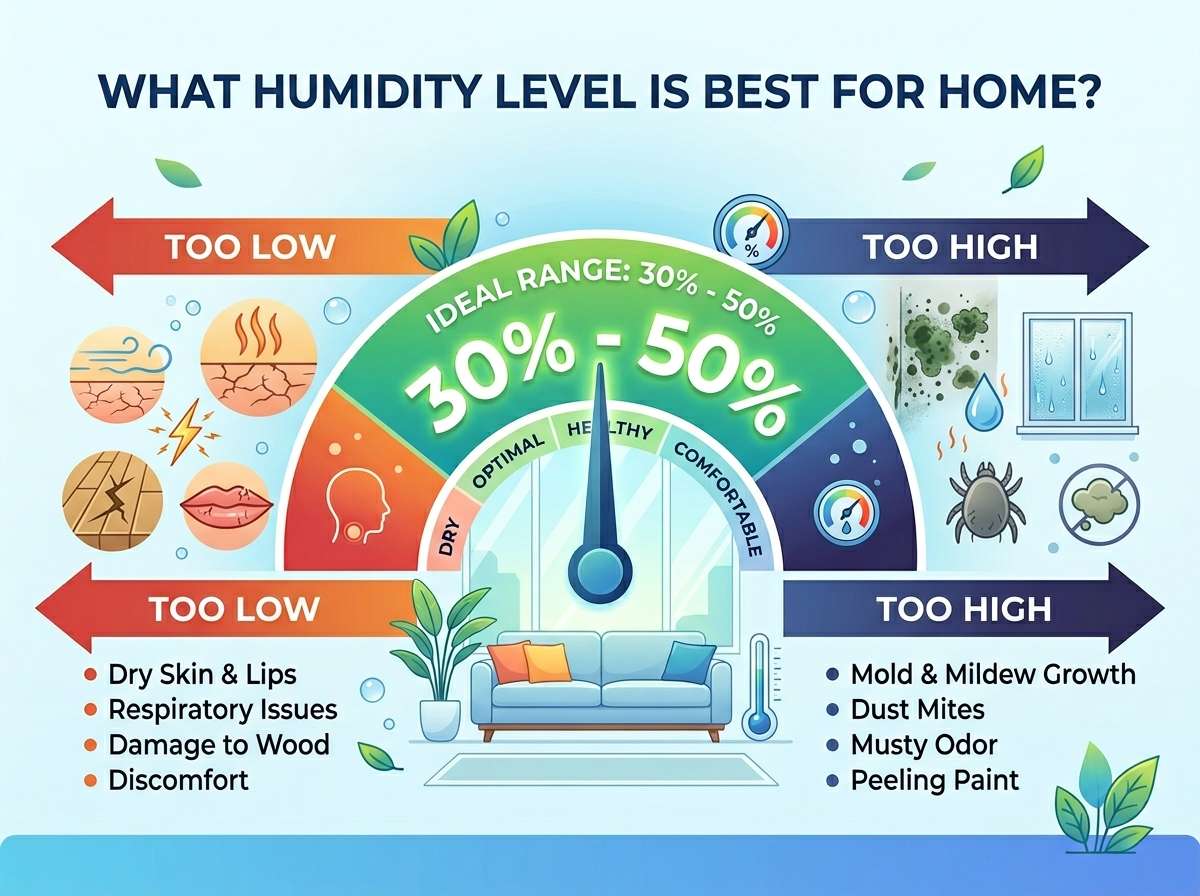
Most experts agree that a relative humidity level between 30% and 50% is best for homes. Some people even like it a little higher, up to 60%, especially in colder weather. This range helps keep you feeling good and keeps your house safe from common problems. It truly is a sweet spot for indoor air.
Staying within this zone prevents many issues. You avoid the scratchy throats and static shocks that come with dry air. You also stop mold and mildew from growing, which thrive in very damp places. This ideal range helps maintain a healthy indoor air quality for everyone.
Every home is a bit different, and so is every climate. Your perfect humidity level might shift slightly based on the season or where you live. Still, aiming for that 30-50% range is a fantastic goal. It gives you a great starting point for home comfort.
The Dangers of Dry Air: Impact on Health and Home
When the air inside your home gets too dry, your body feels it first. Your skin can become itchy and flaky. Your throat might feel scratchy, and you could get nosebleeds more often. Dry air can also make allergy symptoms worse and dry out your sinuses, leading to discomfort.
Dry air also creates static electricity. You might get little shocks when you touch doorknobs or blankets. This lack of moisture can also harm your house. Wood furniture might crack, and wooden floors can develop gaps. Even wallpaper might start to peel away from the walls.
Many heating systems dry out the air a lot. This is very common in colder times of the year. When your furnace runs often, it pulls moisture from the air. This makes your home feel less comfortable and can lead to damage over time.
When Air is Too Moist: Battling Mold and Musty Odors
Too much moisture in the air makes your home feel heavy and sticky. It can be hard to breathe comfortably. This dampness often feels unpleasant and makes you want to open windows, even if it’s hot outside. It just feels stuffy indoors.
The biggest problem with high humidity is mold and mildew growth. These fungi love damp, dark places. They can grow on walls, ceilings, and even inside your air vents. Mold not only smells bad, but it can also cause serious health problems, especially for people with allergies or asthma.
High humidity can also damage your home’s structure. Wallpaper might peel, and paint can bubble. Wood can warp and rot over time. You might see condensation on your windows, which is a clear sign of too much moisture. Dust mites also love humid environments, adding to allergy issues.
How Humidity Affects Your Family’s Health Daily
Good humidity levels help your family stay healthier every day. When the air is not too dry or too wet, your breathing passages work better. This means less irritation in your nose and throat, which can reduce coughing and sneezing spells. It just feels easier to take a deep breath.
Balanced air also plays a part in fighting off sickness. Some germs and viruses survive longer in very dry air. Keeping your home’s humidity in the good zone can help your body’s natural defenses. It creates an environment less friendly to certain airborne bugs.
Proper humidity also leads to better sleep. If the air is too dry, you might wake up with a parched throat or stuffy nose. Too much moisture can make you feel hot and sticky. Just right humidity helps you sleep soundly and wake up feeling refreshed and ready for the day.
Protecting Your Home: Humidity’s Structural Impact
Your home is a big investment, and humidity plays a role in its long life. Extreme humidity, either too high or too low, can cause real damage. This damage often happens slowly over time, making it hard to notice until it’s a big problem. It impacts the very bones of your house.
Dry air can make wood shrink. This leads to gaps in hardwood floors and cracks in wooden furniture or trim. High humidity, on the other hand, makes wood swell. This can cause floors to buckle and doors to stick. These issues are not just cosmetic; they can weaken parts of your house.
Keeping your home’s humidity stable helps preserve its structure. It prevents expensive repairs down the road. Maintaining the right moisture level protects your walls, floors, and other materials. This means your house stays strong and beautiful for many years.
Achieving Peak Comfort: The Humidity Sweet Spot
Finding that perfect humidity level is all about making your home a comfortable haven. When the air is just right, you simply feel better. There are no nagging discomforts from the air itself. It is a subtle but powerful feeling of ease.
In the humidity sweet spot, your skin feels hydrated without being sticky. You won’t get those annoying static shocks. Your breathing will feel clear and easy. This level of comfort makes your home a more enjoyable place to relax, work, and spend time with family.
This peak comfort also comes with health benefits. Less dryness means fewer sniffles. Less dampness means less mold. So, aiming for the right humidity makes your home more pleasant and also a healthier place to live. It truly improves your quality of life indoors.
Monitoring Your Air: Essential Tools for Home Humidity
You cannot manage your home’s humidity if you don’t know what it is. This is where a simple tool called a hygrometer comes in handy. A hygrometer tells you the relative humidity percentage in the air. It’s like a thermometer, but for moisture.
You can find small, affordable digital hygrometers that sit on a shelf. Some smart thermostats also have built-in humidity sensors. Place one in your main living area to get a good reading. This helps you see if your air is too dry or too moist.
Checking your hygrometer regularly is the first step to a balanced home. It gives you the information you need to take action. Without this tool, you are just guessing. With it, you gain control over your indoor environment.
Adding Moisture Back: Choosing the Right Humidifier
If your hygrometer shows that your home’s air is too dry, you need to add moisture. A humidifier does exactly this. It puts water vapor back into the air, making it more comfortable and healthy. It’s a simple way to combat dryness.
There are different types of humidifiers. Some create a cool mist, while others make a warm mist. You can buy small portable units for single rooms or larger ones that connect to your home’s heating system. Think about the size of your space and your needs.
No matter which type you pick, remember to clean it often. Humidifiers use water, and standing water can grow bacteria or mold if not cared for. Regular cleaning keeps the air you breathe clean and healthy. This small step ensures your humidifier helps, not harms.
Removing Excess Moisture: Dehumidifier Strategies
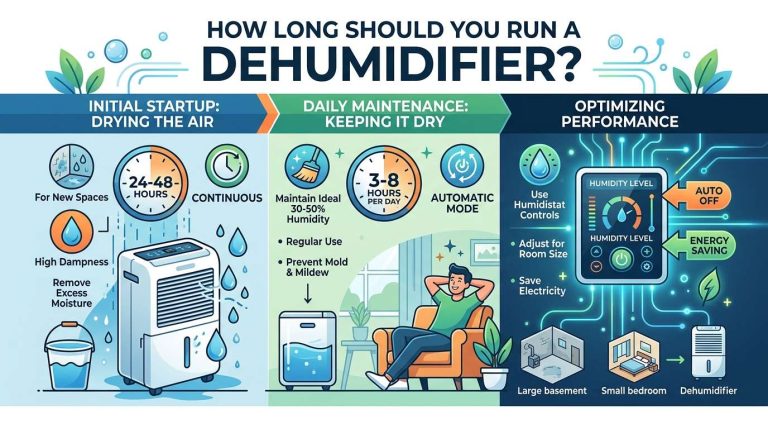
When your air feels too sticky and your hygrometer reads above 50-60%, a dehumidifier is your best friend. This machine pulls extra moisture right out of the air. It makes your home feel less clammy and stops dampness problems.
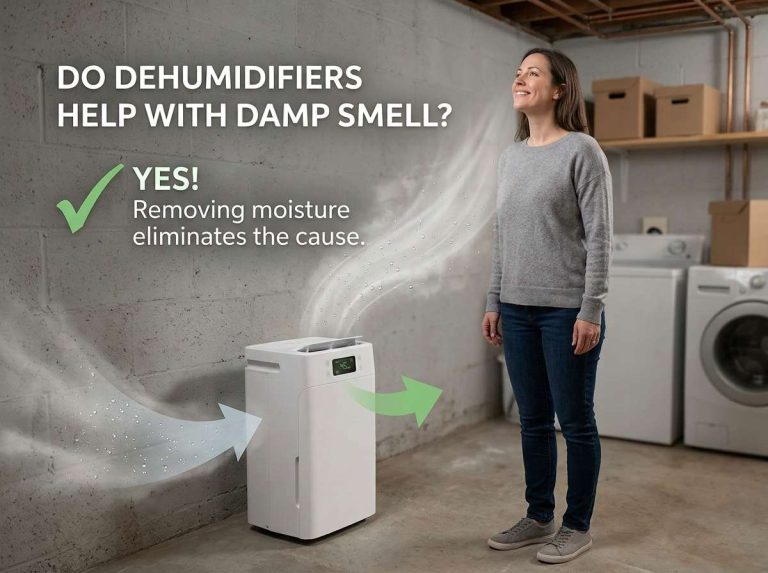
Dehumidifiers work great in areas that tend to be damp, like basements, laundry rooms, or bathrooms without good fans. Placing one in these spots can prevent mold and mildew from taking hold. They are especially useful in humid climates or during rainy seasons.
Using a dehumidifier is straightforward. You simply plug it in and set the desired humidity level. It collects water in a tank that you need to empty regularly. Some models can even drain continuously, which is very convenient. Keep it running until the air feels fresh and the humidity level is good.
Seasonal Adjustments: Managing Humidity Year-Round
The humidity in your home changes with the seasons. In colder months, running your heater often dries out the air. This means you might need a humidifier to add moisture back. It helps keep your skin and breathing passages comfortable.
During warmer, wetter seasons, especially summer, outdoor humidity can seep into your home. Air conditioning helps, but sometimes you need a dehumidifier to really tackle the excess moisture. This stops that sticky feeling and prevents mold growth.
Staying flexible with your humidity control is very important. What works in winter might not work in summer. Check your hygrometer often, and adjust your humidifier or dehumidifier use as needed. Your home’s needs are always changing, so your care should change too.
Finding Your Home’s Perfect Humidity Balance Today
Achieving the right humidity balance in your home brings many great benefits. You will enjoy better health, more comfort, and a stronger, more protected house. It’s a simple step that truly makes a big difference in your daily living.
The journey to balanced humidity starts with knowing your current levels. Use a hygrometer to measure the air. Then, use a humidifier if the air is too dry, or a dehumidifier if it’s too wet. Make small adjustments and observe how your home feels.
Taking control of your home’s humidity is an empowering step. A little attention to the moisture in your air can lead to a much happier and healthier home for you and your family. Start today and feel the positive change.
Final Thoughts
Finding the best humidity level for your home is not hard. It just takes a little awareness and a few simple tools. Aim for that 30-50% range, and use humidifiers or dehumidifiers as needed. Your health, your comfort, and your home will thank you for it.
Hi, I’m Mary, the founder of Homygear.com. I’m passionate about creating a comfortable, smart, and beautiful home. I share practical insights and real-world experience on home gear that makes everyday life easier. Behind the scenes, my dedicated research team studies products in depth, and our writers craft honest reviews using trusted, authentic sources—so you can choose home gear with confidence.