5 Best Smart Thermostat for Apartment In 2026
If you’re renting an apartment or living in a condo, you know the struggle. Your landlord controls the heating and cooling system, your energy bills seem way too high, and you’re stuck with an ancient wall thermostat that barely works. You’ve probably thought about upgrading to a smart thermostat, but you’re worried about installation rules, compatibility, and whether it’s even worth the investment.
Good news. A smart thermostat designed for apartments can save you real money on energy costs, give you way more control over your comfort, and actually looks better than that clunky dial on your wall. The best part? Many apartment-friendly models come out without permanent installation, so your landlord won’t get upset.
I’ve researched and compared the top smart thermostat options that work best in apartment settings. This guide breaks down five standout models, shows you the real differences between them, and helps you find the one that fits your space, budget, and lifestyle.
What Makes a Smart Thermostat Perfect for Apartments
Before we jump into the products, let’s talk about what matters in an apartment thermostat. You need something that works with most HVAC systems, doesn’t require major installation skills, and fits within landlord-friendly rules. You also want one that actually saves energy, connects to your phone, and works with your voice assistant.
The best smart thermostats for apartments share some key traits. They control temperature from anywhere using an app. They learn your schedule and adjust automatically. They work with Alexa, Google Assistant, or Siri. They’re easy to install without breaking the rules. And they give you real energy savings that show up on your bills.
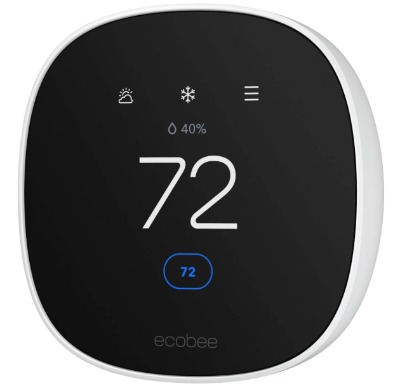
1: ecobee Smart Thermostat Essential
What You’re Getting
The ecobee Smart Thermostat Essential is the lean, mean option for apartment dwellers on a budget. This Wi-Fi-enabled thermostat handles everything a smart thermostat should do without the premium features that drive up the cost. It’s Energy Star Certified, meaning it meets strict efficiency standards and can genuinely lower your heating and cooling costs.
This model works with Siri, Alexa, and Google Assistant right out of the box. You don’t need to buy extra hubs or gadgets. Just plug it in, download the app, and you’re ready to control your temperature from anywhere.
Who Should Buy This
The ecobee Essential fits best for apartment renters who want to dip their toes into smart home technology without spending $300 or more. It’s perfect if you’re renting short-term or worried about your lease agreement. It’s also ideal if your apartment already has reliable climate control and you just want better management tools rather than advanced sensors.
Renters in smaller apartments with simple HVAC systems will love this one. You’re getting serious functionality at a fair price point.
Key Features Explained Simply
Wi-Fi Connectivity: This thermostat links to your home network, not a hub or special device. You get app access right away. Control your temperature from work, from a friend’s place, or anywhere you have an internet connection.
Smart Learning: The thermostat learns when you’re home and adjusts your heating and cooling automatically. If you like it warmer in the morning and cooler at night, it catches on after a few days and does it for you.
Voice Control: Ask Alexa, Google Assistant, or Siri to change your temperature. No app needed. Just say “Alexa, set the temperature to 72 degrees” and it happens.
Energy Reports: The app shows you energy usage and tips for saving more. You’ll see exactly how much your habits cost and get suggestions for improvement.
Programmable Schedules: Set different temperatures for different times. Cooler when you’re sleeping, warmer during work hours to save energy.
Geofencing: The thermostat knows when you leave home and when you return. It can automatically adjust temperature when you’re away, then bring it back to your comfort zone before you arrive.
Real-Life Usage Insight
In apartments, this thermostat shines because installation takes 20 minutes tops. Apartment dwellers report that the app feels snappy and responsive. Setting up automation actually works—it’s not clunky or confusing. The voice commands work reliably. You say it once and it listens.
Renters say the biggest win is catching themselves adjusting temperature less often. After the learning kicks in, the system just handles it. You come home to the right temperature without thinking about it.
The energy reports matter too. People actually change behavior when they see exact numbers. One apartment renter cut cooling costs by 12% just by adjusting the schedule based on the app’s data.
Honest Pros and Cons
Pros:
- Lowest price point of the bunch
- Super quick installation, no C-wire needed (in most cases)
- App is clean and works smoothly
- Works with all major voice assistants
- Energy reports actually show real savings potential
- No separate sensors or equipment to worry about
Cons:
- Basic design, no color screen
- Only senses temperature where the thermostat is mounted
- Limited automation compared to premium models
- If your apartment has poor Wi-Fi, you might have connectivity hiccups
- No advanced air quality monitoring
Performance Discussion
The ecobee Essential handles temperature control reliably. It keeps your apartment within one degree of your target temperature, which is solid for a budget-friendly device. Response time is quick—change something in the app and the system reacts within seconds.
Wi-Fi reliability depends on your apartment’s signal strength. In apartments with weak Wi-Fi in bedrooms or far from the router, you might notice occasional connection drops. But if your Wi-Fi is decent, this thermostat stays connected all day.
The learning feature works best if you have a regular routine. If you’re in your apartment at different times every day, you’ll get better results setting schedules manually.
Ease of Use
Installation is genuinely simple. Turn off power at your breaker box, take a photo of your old thermostat’s wiring, disconnect it carefully, and follow the color-coded instructions. Twenty minutes for most people. The app walks you through setup step by step.
Once it’s running, the app interface makes sense. Temperature controls sit in the middle of the screen. Schedule adjustment is intuitive. Energy reports are easy to read without being overwhelming.
Voice control adds another layer of convenience. It works consistently, unlike some competitor devices that require you to repeat yourself.
Value for Money
For the price, you’re getting excellent value. You save money on energy bills, you gain control over your comfort, and you’re not overpaying for features you’ll never use. If you’re in an apartment for just a few more years, this option delivers solid returns on investment.
2: ecobee Smart Thermostat Premium with Smart Sensor and Air Quality Monitor
What You’re Getting
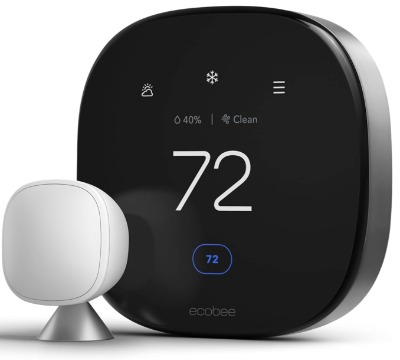
The ecobee Premium takes everything good about the Essential and adds two powerful upgrades: a separate smart sensor and an air quality monitor. This means you get temperature readings from multiple rooms, not just where the thermostat sits. You also monitor air quality in real time.
This is still a Wi-Fi thermostat that works with Siri, Alexa, and Google Assistant. It’s Energy Star Certified. But the smart sensor and air quality features put it in a different league for apartment dwellers who care about comfort in more than one room.
Who Should Buy This
If your apartment has multiple rooms and you want even temperature throughout, this model speaks to you. Bedrooms stay cool for sleeping while your living room stays comfortable. The smart sensor makes that possible.
Also get this if you care about air quality. If you have allergies, asthma, or just want to breathe better air at home, the air quality monitor shows you what’s happening in real time. You get alerts when quality drops and suggestions for improvement.
Renters in two-bedroom apartments or large one-bedrooms with separate spaces will see real benefits. If you live in a studio or tiny apartment, the Essential works just as well for less money.
Key Features Explained Simply
Smart Sensor: This small device sits in any room and measures temperature there. The thermostat uses both the sensor reading and the wall unit reading to keep multiple spaces comfortable. You can set it to prioritize different rooms at different times.
Air Quality Monitor: Built into the thermostat itself, this monitor tracks five major air quality metrics. It measures volatile organic compounds (VOCs), carbon dioxide, humidity, fine particles, and air pressure. You see all this in the app.
Smart Room Comfort: Tell the thermostat which room matters most. During sleep hours, maybe your bedroom matters most. During the day, you care about the living room. The system adjusts automatically.
Allergen Alerts: If the monitor detects high pollen or particle counts, you get alerts. You can schedule your HVAC fan to run extra cycles during high allergen times to clean the air.
Remote Sensor Temperature: The smart sensor reads temperature 15 feet away without any wires. It’s wireless, battery-powered, and lasts about two years on batteries.
Advanced Scheduling: More schedule options than the Essential. You can set different temperatures for different rooms during different parts of your day.
Real-Life Usage Insight
Apartment dwellers with this model love the even temperatures. No more hot bedrooms and cold living rooms. The sensor does the heavy lifting.
The air quality monitor changes perspective for people with allergies or sensitivities. One apartment renter learned that their bedroom had significantly worse air quality than the rest of the unit. They adjusted their setup, and their morning allergies cut in half.
People also report that the premium model feels more like a real home control system than a basic thermostat. You’re not just controlling temperature anymore. You’re managing your entire environment.
The downside people mention is the battery replacement on the sensor. It’s easy enough, but you have to remember to do it every couple of years.
Honest Pros and Cons
Pros:
- Smart sensor covers temperature control across multiple rooms
- Air quality monitoring catches problems early
- More advanced scheduling options
- Better for larger apartments or units with poor airflow
- Still fairly quick to install
- Wireless sensor needs no new wiring
- Looks professional and modern
Cons:
- Costs significantly more than the Essential
- Sensor batteries need replacement every two years
- More complexity means more to learn
- Air quality features matter less if your apartment is already comfortable
- Takes longer to set up than the Essential
- Might be overkill for small apartments
Performance Discussion
Temperature control with the smart sensor is noticeably better than single-point monitoring. The thermostat balances readings from two locations and keeps both areas comfortable. In apartments where one room tends to be warmer or cooler, you’ll see real improvement.
Air quality monitoring performs well in typical apartment environments. It catches dust, allergen spikes, and humidity problems. The data refreshes frequently, so you’re not looking at stale information.
The trade-off is complexity. More features mean more settings to adjust if you want to fine-tune everything. Most people benefit from the automatic settings, but if you’re detail-oriented, you might spend time optimizing.
Ease of Use
Installation takes about 30 minutes because you also set up the wireless sensor. The thermostat mounting is the same as the Essential, but you need to place the sensor in a good spot without obstacles.
The app is more complex than the Essential’s app. You’ll see more options, more data, and more controls. It’s still intuitive, but it takes a bit longer to master. Most people spend a couple of hours getting comfortable with all the features.
Once set up, you can mostly ignore the complexity and let the system run automatically. But if you want to dig into settings, the options are there.
Value for Money
The price jump from Essential to Premium is substantial—typically $100-150 more. That premium is worth it if your apartment has temperature or air quality problems. You’re solving real issues, not adding features for the sake of it.
If your apartment already maintains even temperatures and has decent air quality, the Essential delivers better value. But if you’ve struggled with hot and cold spots or have health sensitivities, the Premium pays for itself in comfort and peace of mind.
3: Emerson Sensi Touch Wi-Fi Smart Thermostat
What You’re Getting
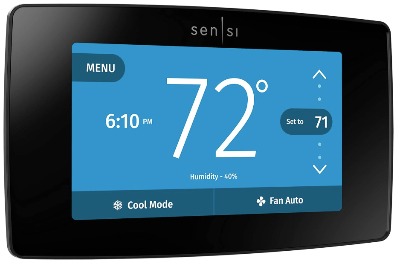
The Emerson Sensi Touch brings a touchscreen to the apartment thermostat game. Instead of just a tiny screen showing numbers, you get a colorful 4-inch display that’s actually pleasant to look at and easy to use. It’s Wi-Fi-enabled and works with Alexa for voice control.
This thermostat is Energy Star Certified and includes geofencing, scheduling, and energy reports. It’s built tough and designed to last. One unique requirement: it needs a C-wire, which most apartments have but you should check.
Who Should Buy This
Get this if you want a thermostat that looks and feels premium but doesn’t require a separate hub or complicated setup. The touchscreen appeals to people who like physical controls in addition to app access.
If you rent and your apartment has an older HVAC system, this model’s compatibility is excellent. It works with most systems, even older ones.
Renters who spend time at home appreciating their space will love the touchscreen interface. Yes, you can control everything from your phone, but sometimes just tapping the screen on your wall feels better.
Skip this if your apartment has weak Wi-Fi. The touchscreen relies on Wi-Fi connectivity, and if signal is poor, you might experience lag.
Key Features Explained Simply
4-Inch Color Touchscreen: Change temperature, set schedules, and check energy usage right on the thermostat. The screen is bright enough to read from across the room.
Intuitive Interface: Menu navigation is straightforward. Even your mom could figure out how to adjust temperature without instructions.
Geofencing: The app knows when you leave and return. You can set it to automatically adjust temperature when you’re away, saving energy without effort.
Energy Reports: See daily, weekly, and monthly energy usage. Understand what drives your costs. Get personalized tips to save more.
Schedule Management: Create schedules for different seasons, different days, or different life patterns. Run a tight ship or keep it loose.
Alexa Control: Ask Alexa to change temperature, create scenes, or check your thermostat status.
Humidity Control: The thermostat manages both heating/cooling and humidity. Keeps your apartment at the right moisture level year-round.
Real-Life Usage Insight
Apartment dwellers who choose Sensi Touch often describe the touchscreen as surprisingly helpful. You’d think everyone would just use apps now, but the wall interface is genuinely convenient. Change temperature without pulling out your phone. It feels more natural to some people.
The geofencing works reliably. Renters report saving 8-15% on energy costs just from the thermostat automatically adjusting when they leave.
Reliability stands out. People rarely report the Emerson needing restarts or technical troubleshooting. It just keeps working day after day.
The energy reports are detailed enough to be useful but simple enough to understand quickly.
Honest Pros and Cons
Pros:
- Beautiful color touchscreen
- Premium look and feel
- Reliable and durable
- Good energy reporting features
- Works with most HVAC systems
- Geofencing saves real energy
- Solid Alexa integration
- Humidity management built in
Cons:
- Requires a C-wire (most apartments have this, but not all)
- Touchscreen adds to cost
- Wi-Fi dependency can be an issue with weak signal
- Learning curve is slightly steeper than ecobee models
- Limited voice assistant support (Alexa only, not Google or Siri)
- Touchscreen might feel unnecessary to some users
- Premium pricing compared to essential models
Performance Discussion
The Emerson Sensi Touch keeps temperatures stable and responsive. Adjust the setting and the system acts within seconds. The touchscreen interface is snappy, even over Wi-Fi.
The geofencing algorithm works well in apartments. It learns your patterns and rarely triggers false positives where it thinks you’ve left when you haven’t.
Energy savings are real and measurable. The combination of schedules, geofencing, and the thermostat’s efficient operation adds up to meaningful reduction in energy use.
Humidity management is especially useful in apartments where you can’t control exterior humidity but you want to maintain comfort inside.
Ease of Use
Installation requires a C-wire, so you need to check your current setup. Most apartments have it, but if you’re not sure, turn off power and look at your thermostat’s wiring. If you see a blue wire, you’re set.
Mounting is standard. Remove the old thermostat, keep the wires in order, connect the Emerson, and mount it on the wall. Takes about 20 minutes for most people.
The app setup is straightforward. The thermostat walks you through Wi-Fi connection step by step.
Using the device is intuitive. The screen makes sense, the buttons respond immediately, and everything feels responsive and polished.
Value for Money
The Emerson Sensi Touch costs more than ecobee’s Essential but slightly less than the Premium. You’re paying extra for the touchscreen and the premium build quality. The question is whether those matter to you.
If you like physical controls and appreciate good design, the premium is worth it. If you’re happy using an app and want to save money, the ecobee Essential delivers more value for less cost.
4: Google Nest Thermostat
What You’re Getting
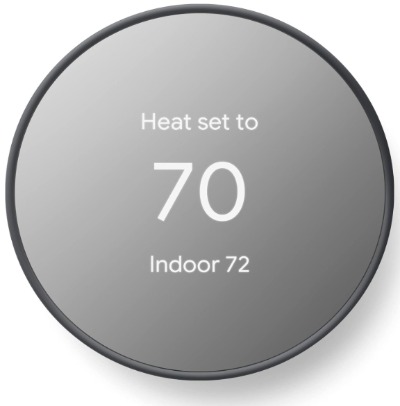
The Google Nest is the minimalist’s smart thermostat. It’s simple, elegant, and focuses on one thing: making temperature control so easy and automatic that you barely think about it.
Unlike the Nest models from five years ago, the new Nest is Wi-Fi-enabled and works without requiring a Nest hub or other Google device. It’s Energy Star Certified. It has a small display that shows just what you need to know.
Google Nest works with Google Assistant natively and works with Alexa and Apple Home through integration.
Who Should Buy This
Get a Nest if you already use Google services and want seamless integration. Gmail, Google Calendar, Google Home—the Nest connects naturally to your digital life.
Also consider Nest if you rent an apartment and want the absolute minimum setup hassle. The Nest is genuinely the easiest thermostat to install and use. No complexity. No confusion.
Renters who travel a lot benefit from Nest’s away-aware features. The thermostat adjusts based on whether Google thinks you’re home or away, using your phone’s location.
Skip Nest if you have a strong preference for Alexa or Siri control. While Nest works with those assistants, the integration is looser than Google Assistant.
Key Features Explained Simply
Simple Setup: Nest’s entire philosophy is simplicity. Plug it in, answer a few questions, and you’re done. That’s it.
Auto-away: The thermostat uses your phone’s location to know when you’ve left. It automatically switches to a lower temperature to save energy.
Auto-schedule: Nest learns your temperature preferences by watching what you set and when you set it. After about a week, it creates a schedule for you.
Temperature Controls: Big, easy display showing current temperature. Simple wheel for adjusting.
Energy Reports: See which days used the most energy. Compare your usage to similar homes in your area.
Voice Control: “OK Google, what’s the temperature?” or “Set temperature to 72.” Super natural, super easy.
Works with Google Home: If you have Google speakers or displays, the Nest integrates seamlessly.
Real-Life Usage Insight
Apartment dwellers choose Nest because they don’t want to think about their thermostat. It just works. Auto-schedule learns your pattern in about a week. Auto-away catches you leaving. The temperature stays right where you like it without you doing anything.
The energy reports surprise people. Comparing your usage to similar homes is actually motivating. You might not care about saving 5% of energy for the environment, but you’ll care when you see you’re using more energy than your neighbors.
Renters in Google-heavy households love how naturally Nest fits into their smart home. It knows when you’re coming home. It can trigger other automations.
People mention the display is smaller and less fancy than alternatives, but that’s the design intention. You don’t need a big screen. You need a thermostat that works without fuss.
Honest Pros and Cons
Pros:
- Easiest installation and setup of all options
- Beautiful minimalist design
- Auto-schedule learns your preferences automatically
- Away-aware cuts energy without you doing anything
- Works great with Google ecosystem
- Reliable and stable
- Good energy reports
- Fair price point
Cons:
- Small display, limited information shown at once
- Fewer scheduling options than competitors
- Auto-schedule works best with regular routine (not helpful if schedule varies)
- Google-centric design (less ideal if you prefer Alexa)
- Fewer advanced features overall
- Requires good Wi-Fi signal
- Away-aware relies on phone location, which has privacy implications for some people
Performance Discussion
The Nest maintains temperature reliably and responds quickly to changes. The thermostat rarely overshoots targets or creates temperature swings.
Auto-schedule performs well if you have a consistent routine. If you work 9-5 in an office, sleep 10pm-6am, and have similar patterns every day, Nest nails it. If your schedule changes daily, auto-schedule struggles, and you’ll rely on manual adjustment.
Energy saving is consistent. The combination of geofencing and efficient operation delivers real power reduction.
The display updates quickly and accurately. Voice commands are recognized reliably with minimal mishearing.
Ease of Use
Installation is the quickest of the five options. Physically, it’s the same as other thermostats, but the setup process is shorter. From start to full functionality takes about 15 minutes.
Using Nest is delightfully simple. The wheel control is intuitive. The app is clean and uncluttered. Voice commands are natural language, not robot-speak. You just talk to it like a person.
The trade-off is lack of advanced options. If you want to fine-tune humidity, create complex schedules, or access granular data, Nest isn’t the tool.
Value for Money
Nest prices competitively with the ecobee Essential. You’re getting similar cost but a different feature set. Nest emphasizes ease and automation. ecobee Essential emphasizes control and information.
If you value simplicity and your routine is consistent, Nest delivers excellent value. If you like options and want detailed control, the extra cost for ecobee Premium or Emerson might be worth it.
5: Lennox S40 Smart Thermostat
What You’re Getting
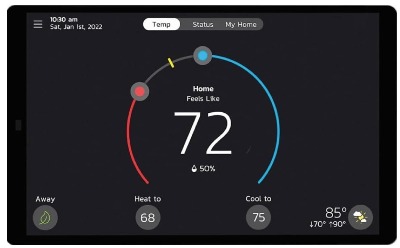
The Lennox S40 is built for people who want a thermostat that looks and acts like a real HVAC control system, not a consumer gadget. It’s a touchscreen thermostat with Wi-Fi connectivity, geofencing, remote access, and Alexa compatibility.
This is a higher-end option designed for efficiency and features. The Lennox S40 works with Lennox HVAC systems directly but also works with other systems. It requires a Wi-Fi network and has a more complex setup than some competitors.
Who Should Buy This
Get the Lennox S40 if your apartment has a Lennox HVAC system. The integration is native and deeper than with other thermostats. If your system isn’t Lennox, this becomes less of a no-brainer.
Also consider S40 if you want a thermostat that feels and functions like professional equipment. This isn’t a compromise device. It’s built for control and efficiency.
Renters who are technically inclined and don’t mind setup complexity will appreciate the power and capabilities. This thermostat rewards people who dig into its settings.
Skip S40 if you want simplicity. Setup and configuration require more effort than other options. If you just want to set it and forget it, this isn’t the right tool.
Key Features Explained Simply
Large Touchscreen Display: 4-inch color screen shows temperature, status, and controls. It’s clear from anywhere in the room.
Communicating System Control: If you have a Lennox system, the thermostat and your HVAC talk to each other intelligently. The HVAC adjusts its operation based on the thermostat’s requests for optimal efficiency.
Geofencing: Location-based adjustments. Leave, and the temperature adjusts. Arrive home, and everything is ready for you.
Remote Access: Control your thermostat from anywhere. Check status, adjust temperature, or change settings from your phone while at work or traveling.
Programmable Scheduling: Create complex schedules. Different settings for different days, different times, different seasons.
High Efficiency Focus: The S40 prioritizes energy conservation throughout its operation. It works with high-efficiency systems to minimize energy waste.
Alexa Compatibility: Voice control through Alexa integration.
Touchscreen Interface: Bigger, more detailed than the Nest. More information at a glance.
Real-Life Usage Insight
Renters with Lennox systems report that the S40 works seamlessly. The thermostat and HVAC system work as one unit, not just a thermostat controlling a separate system.
People appreciate the professional-grade interface. It looks and feels like equipment you’d find in a commercial building. Some renters like that. Others find it unnecessary for home use.
Remote access gets used more than people expect. Realizing you left a door open and changing the thermostat to prevent the apartment from getting too hot or cold while you drive home is genuinely useful.
The geofencing is reliable. Renters report that the location detection rarely fails or triggers falsely.
Setup and configuration take longer than other options, but once it’s done, the thermostat runs well. The learning curve is steeper, but the capabilities are more powerful.
Honest Pros and Cons
Pros:
- Excellent for Lennox HVAC systems
- Professional-grade interface and build
- Large, detailed touchscreen
- Powerful remote access capabilities
- Works well with high-efficiency systems
- Reliable performance
- Geofencing and scheduling are comprehensive
- Good Alexa integration
Cons:
- More expensive than most competitors
- Setup and configuration are more complex
- Touchscreen doesn’t add much beyond other options
- Not ideal for renters who want plug-and-play
- Learning curve is steeper
- Only Alexa support among voice assistants
- Overkill for small apartments
- Requires more Wi-Fi bandwidth
Performance Discussion
The Lennox S40 controls temperature precisely and responsively. Because it communicates directly with Lennox systems, it can optimize operation better than a standalone thermostat can.
Efficiency is genuinely good. The S40’s focus on high-efficiency operation means your HVAC system runs smarter, not just on or off.
Reliability is excellent. The professional-grade construction means fewer failures and longer lifespan.
Remote access responsiveness is excellent. Changes made in the app take effect within seconds.
Ease of Use
Installation is more complex than other options. You still mount it like a normal thermostat, but configuration takes more time. You’ll spend 45 minutes to an hour setting everything up and learning the interface.
The app is feature-rich but also more complicated. You have more options, which means you can fine-tune more, but it takes longer to learn.
The touchscreen is straightforward to use once you know where everything is. Response is immediate and satisfying.
Once set up, you can operate it simply if you want to. Tap the screen, adjust temperature, done. But the advanced options are there if you want them.
Value for Money
The Lennox S40 is the most expensive option in this roundup. You’re paying for professional-grade equipment and powerful capabilities.
The value depends on your needs. If you have a Lennox system and want to maximize efficiency, the price is justified. If you have a non-Lennox system and just want a good thermostat, the ecobee models deliver better value.
For apartment renters, the S40 is usually overkill. You’re paying for power you won’t use and complexity you’ll eventually ignore. But if you’re a power user and rent a large apartment, the investment makes sense.
Comparison Insights: Side-by-Side Analysis
Let’s compare these five thermostats directly to help you see the trade-offs:
Price Comparison
From most to least expensive:
- Lennox S40 – Premium pricing, $300+
- ecobee Premium – Mid-to-high, $250-280
- Emerson Sensi Touch – Mid, $220-250
- Google Nest – Budget-friendly, $130-160
- ecobee Essential – Most affordable, $100-130
Installation Difficulty
From simplest to most complex:
- Google Nest – 15 minutes, minimal decisions
- ecobee Essential – 20 minutes, basic wiring
- Emerson Sensi Touch – 20 minutes, needs C-wire check
- ecobee Premium – 30 minutes, includes sensor setup
- Lennox S40 – 45+ minutes, complex configuration
Smart Features Depth
From most full-featured to most basic:
- Lennox S40 – Everything, highly configurable
- ecobee Premium – Smart sensor, air quality, advanced scheduling
- Emerson Sensi Touch – Touchscreen, humidity control, geofencing
- ecobee Essential – Voice control, learning, geofencing
- Google Nest – Auto-schedule, auto-away, voice control
Voice Assistant Support
- Google Nest – Best with Google Assistant, works with Alexa and Apple Home
- ecobee Essential & Premium – Full support for Alexa, Google Assistant, Siri
- Emerson Sensi Touch – Alexa only
- Lennox S40 – Alexa only
Best for Temperature Consistency
- ecobee Premium – Smart sensor covers multiple rooms
- Emerson Sensi Touch – Humidity control and stability
- Lennox S40 – Precise communicating system control
- Google Nest – Good but single-point sensing
- ecobee Essential – Reliable but basic single point
Best for Energy Savings
- Lennox S40 – Deep system integration maximizes efficiency
- ecobee Premium – Smart sensor allows smarter adjustments
- Google Nest – Auto-away is very effective
- Emerson Sensi Touch – Geofencing and scheduling save energy
- ecobee Essential – Still saves energy, just less data-driven
Best for Renters
- ecobee Essential – Cheap, simple, works everywhere
- Google Nest – Minimal setup, no complexity
- ecobee Premium – A step up without too much complexity
- Emerson Sensi Touch – Professional but manageable
- Lennox S40 – Generally not ideal for temporary housing
Buying Guide: How to Choose the Right Thermostat for Your Apartment
Step One: Check Your Current Wiring
Before buying anything, understand what you have. Turn off power at your breaker box. Remove your current thermostat cover. Take a photo of the wiring behind it.
You’ll see wires labeled with colors or letters. Look for:
- R or red (power)
- W or white (heat)
- Y or yellow (cooling)
- G or green (fan)
- C or blue (common/ground)
If you see a C wire, all five thermostats will work. If you don’t see a C wire, the Emerson and Lennox need modifications, but ecobee and Nest can work without one.
Step Two: Assess Your Apartment Size
One room: Any thermostat works. The Essential or Nest save the most money.
Two rooms or larger: The ecobee Premium with smart sensor or Emerson Sensi Touch handles multiple spaces better.
Large apartment with poor airflow: Definitely get a multi-room solution.
Step Three: Consider Your Living Duration
Renting short-term (less than a year): Get the cheapest option that works. The ecobee Essential does everything you need.
Renting long-term (2+ years): Invest more. The premium options deliver bigger energy savings over time.
Own your apartment: Any option works; pick based on preference and long-term plans.
Step Four: Determine Your Device Preference
Love your phone and apps: All five options work great. The extra control appeals to you.
Like wall controls but want app backup: Emerson Sensi Touch or Lennox S40.
Want pure simplicity: Google Nest is your answer.
Want maximum information: ecobee Premium shows the most data.
Step Five: Match Your Voice Assistant
All-in with Google: Nest is the obvious choice.
All-in with Alexa: Any except Nest, but ecobee models give you Google too.
Mix and match (Google, Alexa, Siri): ecobee models are the most flexible.
No voice control: Any option works, though you’ll miss out on convenience.
Step Six: Think About Energy Savings
Minimal energy concern: Nest or ecobee Essential.
Want to track and optimize: ecobee Essential provides good visibility.
Want passive optimization: ecobee Premium or Lennox S40 do it for you.
Who Should Buy Each Thermostat
ecobee Smart Thermostat Essential
Best for: Renters on a tight budget, apartment dwellers who want to test smart thermostat benefits before upgrading, people who already use Alexa and Google devices.
Avoid if: You need multi-room temperature sensing or have serious temperature consistency problems.
Typical buyer profile: Budget-conscious renter, temperature happy with current system, want to save money, don’t want complexity.
ecobee Smart Thermostat Premium
Best for: Apartment dwellers in large units or units with temperature problems, people with allergies who care about air quality, renters who plan to stay 2+ years.
Avoid if: Your apartment already has perfect temperature throughout, you’re on a tight budget, you don’t have space for the sensor.
Typical buyer profile: Health-conscious renter, temperature consistency matters, willing to invest in comfort, values data and information.
Emerson Sensi Touch
Best for: Renters who like wall controls, apartment dwellers who value professional appearance, people with older HVAC systems, Alexa users who want touchscreen backup.
Avoid if: You prefer app-only control, you need multi-room sensing, your apartment is too small for extra features to matter.
Typical buyer profile: Tech-forward but appreciate physical controls, long-term renter, want premium feel, like Alexa ecosystem.
Google Nest
Best for: Google ecosystem users, renters who want minimal setup, people who want maximum simplicity, apartment dwellers with consistent routines, people who just want it to work.
Avoid if: You prefer detailed control, your schedule varies significantly, you’re committed to Alexa and want native integration.
Typical buyer profile: Busy person, already uses Google, want set-and-forget operation, like minimalist design, value simplicity over features.
Lennox S40
Best for: People with Lennox HVAC systems, power users who want maximum control, apartment dwellers renting long-term in large units, people who care deeply about efficiency optimization.
Avoid if: You rent short-term, you’re on a budget, you have a non-Lennox system, you want quick setup.
Typical buyer profile: Technically proficient, want professional-grade equipment, have or plan to have Lennox system, willing to invest, want the best performance possible.
Common Mistakes to Avoid When Buying Smart Thermostats
Mistake One: Assuming All Apartment Thermostats Work the Same Way
They don’t. Some require C-wires. Some are app-only. Some have learning features, others don’t. Research what your specific apartment needs.
Mistake Two: Forgetting to Check Wiring First
You could fall in love with a thermostat, buy it, and get home to find it won’t work with your wiring. Always check your current setup first.
Mistake Three: Ignoring Voice Assistant Compatibility
If you use Alexa but buy a thermostat that only works with Google, you’ll be frustrated. Make sure the thermostat works with whatever voice assistants you already have.
Mistake Four: Buying Based on Price Alone
The cheapest option isn’t always the best value. An $80 thermostat that doesn’t work with your apartment is a waste. A $250 thermostat that saves you $40 a month in energy is an investment.
Mistake Five: Skipping the Renter-Landlord Conversation
Some landlords don’t allow thermostat changes. Check your lease or ask before buying. Most thermostats are fine, but it’s better to know upfront.
Mistake Six: Assuming Installation Is the Same as a Contractor’s Job
You can install these yourself. It’s safe if you turn off the power first. But if you’re uncomfortable with any part of it, hire someone. It’s worth $100 to avoid a mistake.
Mistake Seven: Overlooking Ongoing Requirements
The smart sensor needs batteries. Wi-Fi needs to work. Some setups require monthly tweaking. Understand the ongoing maintenance before buying.
Mistake Eight: Not Considering Your Schedule
Auto-schedule works great if you’re consistent. If your schedule varies wildly, automated learning will frustrate you. Manual scheduling or a simple thermostat might be better.
Mistake Nine: Buying More Features Than You’ll Use
That $300 thermostat has 47 settings. Will you use them? If you’re happy with basic control, a simpler model saves money without sacrificing results.
Mistake Ten: Forgetting About Returns and Warranties
Thermostats usually have 30-day returns. If you buy and it doesn’t work for your apartment, you want to exchange it. Check the return policy before buying.
Detailed Comparison Table
| Feature | Essential | Premium | Sensi Touch | Nest | S40 |
|---|---|---|---|---|---|
| Price | $100-130 | $250-280 | $220-250 | $130-160 | $300+ |
| Touchscreen | No | No | Yes | Small | Yes |
| Smart Sensor | No | Yes | No | No | No |
| Air Quality Monitor | No | Yes | No | No | No |
| Voice Assistants | All three | All three | Alexa only | Google native | Alexa only |
| Installation Time | 20 min | 30 min | 20 min | 15 min | 45+ min |
| Geofencing | Yes | Yes | Yes | Yes | Yes |
| Learning Schedule | Yes | Yes | Yes | Yes | Yes |
| Multi-room | No | Yes | No | No | No |
| Humidity Control | No | No | Yes | No | Yes |
| C-wire Required | Sometimes | Sometimes | Yes | No | Yes |
| Best for Renters | ★★★★★ | ★★★★ | ★★★★ | ★★★★★ | ★★★ |
| Best for Apartment | ★★★★ | ★★★★★ | ★★★★ | ★★★★ | ★★★ |
| Energy Savings | ★★★★ | ★★★★★ | ★★★★ | ★★★★ | ★★★★★ |
Real-World Savings: What to Actually Expect
Smart thermostats don’t save money magically. They save money by helping you adjust your temperature when you’re away and enabling better schedules. Here’s what renters actually experience:
Minimal Habits (no changes to routine, just the thermostat running better): 5-8% energy savings.
Good Habits (set schedules, use geofencing, occasional adjustments): 10-15% energy savings.
Optimized Habits (actively using the app, adjusting based on energy reports, fine-tuning everything): 15-25% energy savings.
For an apartment with a $100/month energy bill, that’s $5-25/month in savings depending on your effort. The thermostats pay for themselves in 6-60 months depending on which model you buy.
For a $150/month bill, you’re looking at $7.50-37.50/month savings. Over three years, a $200 thermostat could save you $270-1350.
The Nest and ecobee Essential deliver the fastest payback because of their lower cost. The Premium and Sensi Touch take longer but offer more features, which some people value beyond just energy savings.
Installation: Basic Steps to Get It Running
1. Turn Off Power Find your thermostat’s breaker and switch it off. The one labeled “Heat,” “HVAC,” or “Thermostat” is usually right. Wait 30 seconds.
2. Remove Old Thermostat Unscrew the old thermostat from the wall or base. Most are held with two to four screws.
3. Identify Your Wires Take a photo of the wiring. Write down which colors connect to which terminals. Most thermostats label them R, W, Y, G, C.
4. Disconnect Wires Carefully One at a time, disconnect wires. Some might have little tabs to press. Some just pull out. Be gentle. Don’t let wires fall back into the wall.
5. Install the New Thermostat’s Base Most thermostats come with a small base that mounts to the wall. Screw this in first, making sure it’s level.
6. Connect Your Wires Connect wires to the new thermostat in the same places they were on the old one. The terminals are usually labeled. Double-check each one.
7. Mount the Thermostat Once wires are connected, mount the main unit to the base. It usually snaps on or screws on. This part is satisfying.
8. Turn Power Back On Go back to the breaker box and switch the power back on.
9. Follow the Setup Wizard The thermostat will guide you through setup. You’ll connect to Wi-Fi, create an account, link your voice assistant, and set basic preferences.
10. Download the App Get the app for your thermostat, log in with your account, and you’re ready to control it remotely.
The whole process takes 20-45 minutes depending on the model.
Final Verdict: The Best Smart Thermostat for Apartment
If you’re renting an apartment and want the best smart thermostat overall, the ecobee Smart Thermostat Essential wins for most people. It costs the least, installs the fastest, works with every voice assistant, actually lowers your energy bills, and requires no special wiring in most apartments.
But here’s the thing: the best thermostat for you depends on your specific situation.
Get the ecobee Essential if you’re budget-conscious, renting short-term, or want to test smart thermostat benefits without big investment.
Get the ecobee Premium if your apartment is large, you struggle with uneven temperature, or you care about air quality and have allergies.
Get the Emerson Sensi Touch if you like wall controls, want a professional look, or you’re an Alexa devotee who wants touchscreen backup.
Get the Google Nest if you use Google Assistant, want ultimate simplicity, or you have a consistent daily routine.
Get the Lennox S40 if you have a Lennox system, rent a large apartment long-term, and want absolute maximum efficiency and control.
All five of these thermostats work well. They all save energy. They all improve comfort. They all connect to your phone and voice assistant.
The difference is in details. Price. Installation complexity. Smart features. Design. Voice assistant compatibility.
Think about what matters most to you. Then pick the thermostat that checks the most boxes. You won’t be disappointed with any of these five.
Maintenance Tips to Keep Your Thermostat Running Strong
Smart thermostats don’t require much maintenance. But a few simple habits keep them working perfectly:
Check Wi-Fi Connection Monthly: Make sure your thermostat still has strong Wi-Fi signal. If it’s weak, move your router closer or upgrade to a mesh network.
Review Energy Reports Quarterly: Spend 10 minutes looking at your energy usage. You’ll spot patterns and opportunities to save more.
Replace Smart Sensor Batteries: If you have a smart sensor, set a phone reminder to check batteries every 18 months. Replace them when low.
Clean the Screen (if you have one): Touchscreen thermostats collect dust. Wipe them with a soft, slightly damp cloth monthly.
Update Firmware: Your thermostat might get software updates. Check the app occasionally for available updates.
Adjust Schedules Seasonally: When seasons change, update your schedules. Summer settings are different from winter settings.
Test Heating and Cooling: Each season, confirm that both heating and cooling work. Adjust temperatures and listen for your HVAC system to respond.
Keep the Thermostat Unobstructed: Don’t hang pictures or objects in front of it. Temperature sensing works best with clear access to room air.
That’s it. Smart thermostats are durable and reliable. Basic care means many years of dependable operation.
FAQ: Questions Apartment Renters Ask
Q: Will my landlord care if I install a smart thermostat? Most won’t. Smart thermostats are non-permanent. You remove your old thermostat, install the new one, then remove it again when you move. But check your lease or ask first to be safe.
Q: Do I need special tools to install a smart thermostat? No. You need a screwdriver. That’s it. Maybe a level if you want the thermostat straight, but it’s not critical.
Q: What if my apartment doesn’t have a C-wire? Most apartments do. If you’re unsure, turn off power and look at your current thermostat’s wiring. If you don’t see a blue C wire, the Nest and ecobee Essential can still work. The Emerson and Lennox would need an adapter.
Q: Can I really save money with a smart thermostat? Yes. Studies show 10-15% energy savings on average. That’s real money over a year or two, especially if you actively use the app and geofencing.
Q: Which thermostat is easiest to use? The Google Nest. It’s designed to work with minimal setup and minimal ongoing adjustment. The auto-schedule learns for you. It just works.
Q: Can I control my thermostat from anywhere? All five models allow remote access. You need a stable Wi-Fi connection at home and internet access wherever you are. Control from work, from a vacation, from a friend’s house—it all works the same.
Q: Do I have to use the voice assistant? No. All five thermostats work perfectly without voice control. The app is always your main control method. Voice is just a convenient bonus.
Q: How long does a smart thermostat last? Usually 7-10 years with normal use. They’re pretty durable. Occasional Wi-Fi hiccups happen, but physical failure is rare.
Q: Can I install it myself, or do I need a professional? You can absolutely install it yourself. It’s straightforward if your current thermostat works (meaning your wiring is compatible). When in doubt, hire a professional. It costs $100-150, but it’s safer than guessing.
Q: Will my smart thermostat work if the internet goes down? Yes. Your thermostat runs on its own schedule or manual settings even without internet. You just can’t control it remotely from your phone. Voice control also won’t work. But the thermostat keeps running the program it has.
Conclusion: Your Apartment Thermostat Journey Starts Now
Smart thermostats transformed how people live in apartments. You went from being stuck with whatever temperature your landlord’s old system provided to having precise control over your comfort and energy costs.
This roundup covers the five best apartment-friendly smart thermostats available today. Each one solves the basic problem: give renters control over their climate, save energy, and integrate with modern smart home systems.
The ecobee Essential leads the way for budget-conscious renters who want the most value. The Premium steps up for people who need multi-room temperature consistency. The Emerson Sensi Touch appeals to people who like wall controls. The Nest serves people who want simplicity above all else. The Lennox S40 provides maximum power for the technically inclined.
You don’t need to pick perfectly. Any of these five thermostats will improve your apartment living significantly. You’ll save money on energy. You’ll enjoy better comfort. You’ll appreciate the control and convenience.
Start by checking your current wiring. Figure out which thermostat fits your lifestyle best. Order it. Install it yourself or hire someone. Connect it to Wi-Fi and your phone. Then enjoy the results.
Your apartment just got smarter. Your energy bills just started shrinking. And you got back the control that you deserved from the start.
Time to ditch that broken old thermostat and upgrade to something that actually works the way you want it to.

Hi, I’m Mary, the founder of Homygear.com. I’m passionate about creating a comfortable, smart, and beautiful home. I share practical insights and real-world experience on home gear that makes everyday life easier. Behind the scenes, my dedicated research team studies products in depth, and our writers craft honest reviews using trusted, authentic sources—so you can choose home gear with confidence.