Dehumidifier vs Air Purifier Which Is Better
Many people want cleaner, fresher air in their homes. Sometimes the air feels heavy, or we cough more. We might see two helpful gadgets: a dehumidifier and an air purifier. These machines seem similar, but they do very different jobs. This article will help you decide which one is best for your home.
Facing the Air Quality Dilemma: Which Device?
Our homes should be places where we feel good. But sometimes, the air inside can make us uncomfortable. It might feel stuffy, smell a bit off, or even make us sneeze. We all want to breathe easy in our own space.
When you notice these signs, you might start looking for a solution. Two popular devices often come up in conversation. These are the dehumidifier and the air purifier. Both aim to make your indoor air better, but they tackle different problems.
Knowing which machine does what is the first step. One device deals with too much moisture in the air. The other cleans the air of tiny floating bits. We will help you figure out which helper your home needs most.
Understanding the Dehumidifier’s Core Function
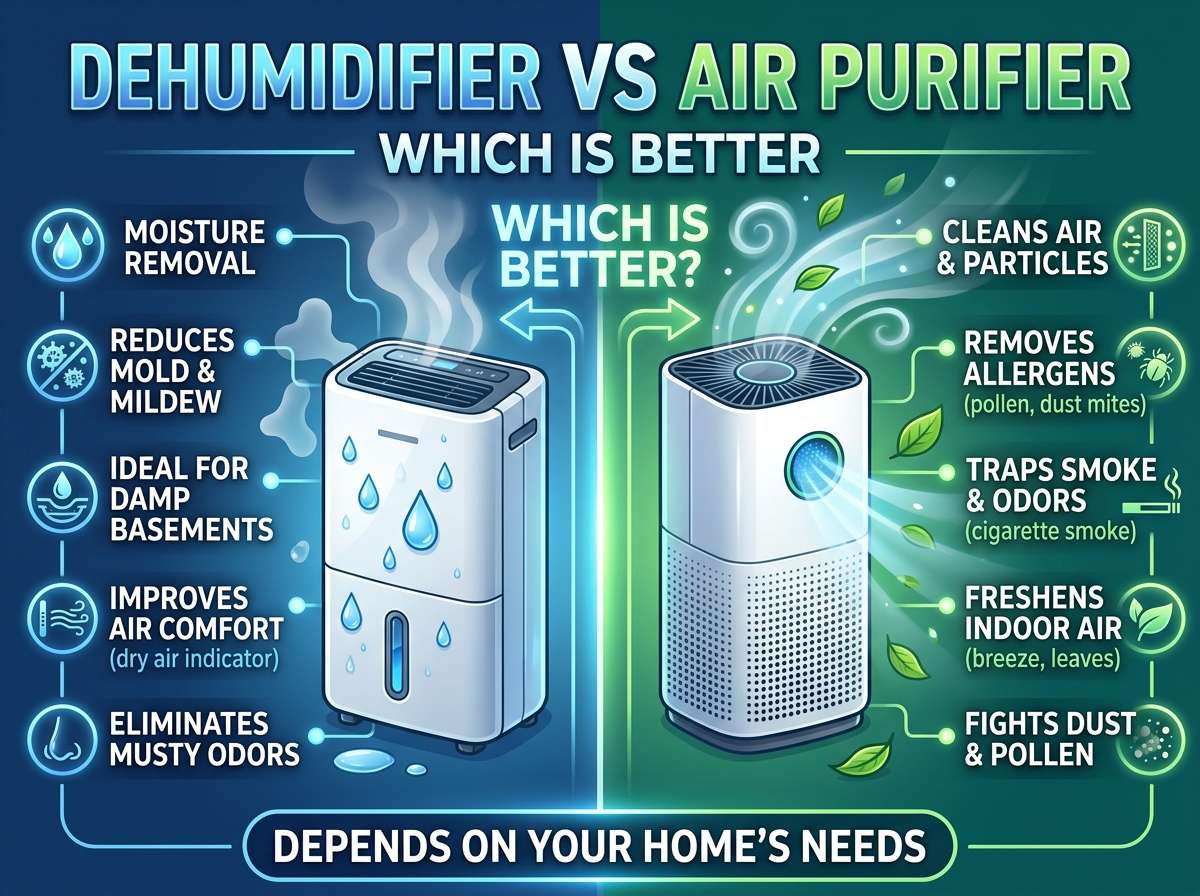
A dehumidifier has one main job: it takes extra water out of the air. Think of it like a sponge for the air in your room. It pulls in damp air and makes it drier. This helps stop that sticky, heavy feeling in humid places.
The machine works by sucking in air over a cold surface. Water vapor in the air turns into liquid water on this cold part. This water then drips into a collection tank. Drier, lighter air goes back into your room.
So, a dehumidifier actively lowers the amount of moisture in the air. It makes the air feel less muggy and more pleasant. Its core purpose is to control humidity levels for a more comfortable living space.
When a Dehumidifier Becomes Your Home’s Hero
You might need a dehumidifier if your home feels damp or smells musty. Signs like condensation on windows or cold pipes show too much moisture. Your skin might also feel sticky or clammy even indoors. These are clear signs of high humidity.
Basements, bathrooms, and laundry rooms often collect a lot of moisture. A dehumidifier works wonders in these areas. It helps dry out damp spaces and prevents that common musty smell. It creates a much healthier indoor environment.
High humidity also encourages unwanted guests like mold and mildew. These grow well in damp conditions. A dehumidifier stops them from thriving by removing their favorite wet home. It protects your walls, furniture, and overall home structure from moisture damage.
Benefits of Lowering Humidity Levels in Your Air
Lowering humidity brings many comforts to your home. The air feels much lighter and cooler. You can breathe more easily and feel less sticky. This also makes your home feel more pleasant, especially in warm climates.
A drier home also protects your belongings. Mold and mildew cannot grow as easily on surfaces. Dust mites, tiny pests that love dampness, also struggle to survive. This helps keep wooden floors and furniture safe from moisture damage.
Controlling humidity can also improve your health. Less mold and fewer dust mites mean fewer allergens in the air. People with allergies or asthma often feel better when the air is less damp. It makes for much cleaner air inside.
Exploring the Air Purifier’s Role in Clean Air
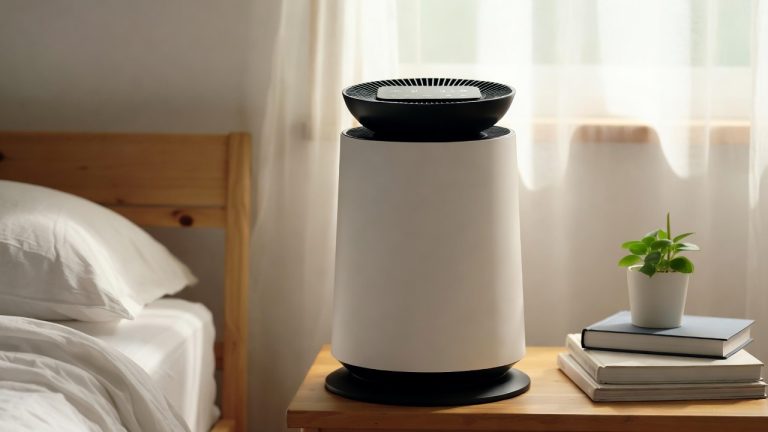
An air purifier does something very different. Its job is to clean the air you breathe. It actively removes tiny, unwanted particles from your indoor air. This creates a fresher, healthier breathing space.
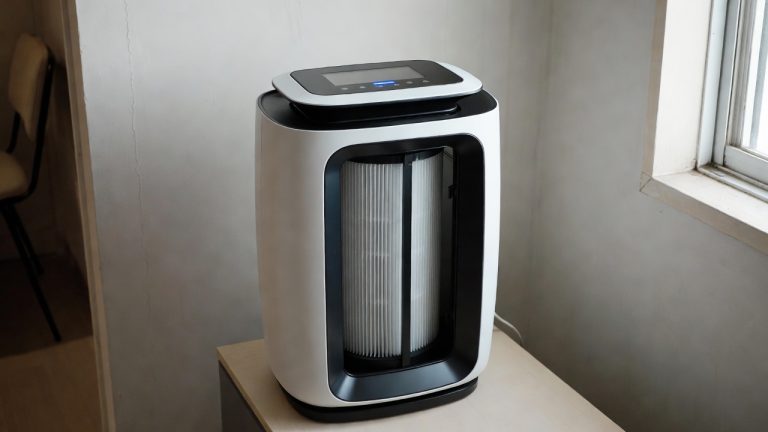
This device pulls air through special filters. These filters trap tiny bits of dust, pollen, pet dander, and even smoke particles. The cleaner air then goes back into your room. It works like a vacuum cleaner for the air itself.
The main role of an air purifier is to remove airborne pollutants. It helps clear the air of things that can irritate your lungs or trigger allergies. It works hard to give you purer air to inhale every day.
Optimal Scenarios for Deploying an Air Purifier
An air purifier becomes very useful if you or your family suffer from allergies. It helps remove pollen, dust, and pet dander from the air. These common triggers often make people sneeze, cough, or get itchy eyes. It brings relief during allergy season.
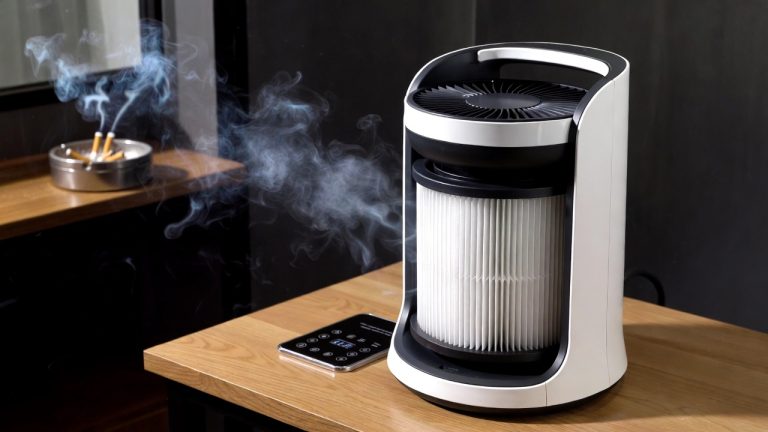
If you live with pets, an air purifier helps reduce pet dander and odors. It also cleans the air if there is smoke, either from cooking or other sources. Homes near busy roads can also benefit from removing outdoor pollution that seeps inside.
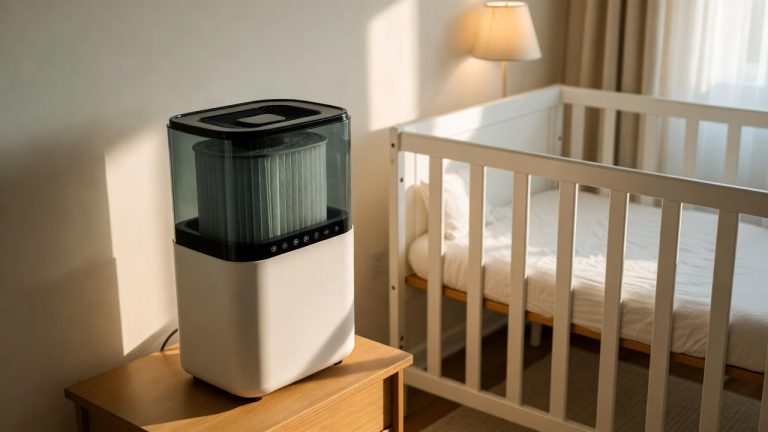
People with asthma or other breathing issues often find great comfort with an air purifier. It removes irritants that can make breathing difficult. It helps create a safer, more breathable environment for sensitive lungs.
Breathing Easier: Air Purifier Health Advantages
One big health advantage is relief from allergy symptoms. An air purifier traps common allergens like pollen, dust mites, and pet dander. This means less sneezing, fewer itchy eyes, and generally more comfort for allergy sufferers. You get to enjoy cleaner air.
It also helps people with respiratory conditions like asthma. By removing airborne irritants, the air purifier makes breathing easier. It reduces the chances of asthma attacks or breathing difficulties triggered by poor air quality. This creates a safer home for sensitive individuals.
Beyond specific conditions, an air purifier simply makes the air healthier for everyone. It removes tiny pollutants that we might not even see. This leads to better overall respiratory health and a feeling of freshness in your living space.
Dehumidifier vs. Air Purifier: Key Distinctions
The biggest difference lies in what each machine targets. A dehumidifier removes water vapor from the air. It tackles problems caused by too much moisture. Its goal is to make the air less humid.
An air purifier, however, removes solid particles from the air. It cleans dust, pollen, pet dander, and other tiny bits. It deals with air pollution and airborne allergens. Its aim is to make the air cleaner.
So, one device fixes dampness and moisture issues. The other fixes problems with dirty or contaminated air. They address completely separate aspects of indoor air quality. They are built for different jobs in your home.
Can You Benefit From Both Devices Simultaneously?
Yes, absolutely! Many homes can benefit greatly from using both a dehumidifier and an air purifier. They each solve different problems and do not get in each other’s way. They work together for a truly healthy home.
For example, a damp basement might also have a lot of dust or mold spores in the air. A dehumidifier would reduce the dampness, stopping more mold. An air purifier would then clean up the existing mold spores and dust particles. This provides a double benefit.
If you live in a humid area and also suffer from allergies, having both is smart. The dehumidifier keeps the moisture down, which helps control dust mites. The air purifier tackles pollen and other airborne allergens. Together, they create a much better indoor climate.
Making the Right Choice: Which Device Suits You?
Start by observing your home and how you feel. Do you notice signs of dampness, like a musty smell or sticky air? Does condensation build up on your windows? These point to a moisture problem.
On the other hand, do you sneeze a lot indoors? Do you see visible dust floating around? Are you bothered by pet dander or cooking smells? These suggest an issue with air purity.
Your personal experience and the specific problems in your home will guide your decision. Listen to what your home and body tell you. This will help you identify your main air quality challenge.
Factors to Consider When Choosing Your Air Solution
Think about your local climate first. If you live in a place with high humidity, especially during certain seasons, a dehumidifier is often a good start. It will make your home feel much more comfortable and prevent dampness issues.
Next, consider your family’s health needs. If someone has allergies, asthma, or is sensitive to dust and pollen, an air purifier is a strong contender. It helps remove the irritants that trigger these conditions, making breathing easier.
Also, look at your home environment. Do you have pets? Is there carpet that collects dust? Do you live near sources of pollution like busy roads? These factors increase the need for an air purifier. If you find mold or a damp smell, a dehumidifier is your friend.
Final Verdict: Tailoring Air Control to Your Needs
There is no single “better” device in the dehumidifier vs. air purifier debate. Each machine excels at solving a different set of problems. The best choice truly depends on the specific air quality challenges in your own home.
Start by figuring out your main concern. Is it too much moisture making your home feel damp and inviting mold? Or is it airborne particles like dust, pollen, and pet dander making you sneeze and affecting your breathing? Your answer points to the right device.
For ultimate air quality, some homes will even benefit from both. They work in harmony to control both humidity and air purity. Get the device that targets your biggest problem, and enjoy a fresher, healthier home environment.
Conclusion
Both dehumidifiers and air purifiers are great tools for improving home air. They simply have different missions. A dehumidifier fights dampness and its related problems. An air purifier cleans the air you breathe from tiny particles. Think about what your home needs most. Then, you can pick the right hero for your indoor air quality. Your home and your lungs will thank you.
Hi, I’m Mary, the founder of Homygear.com. I’m passionate about creating a comfortable, smart, and beautiful home. I share practical insights and real-world experience on home gear that makes everyday life easier. Behind the scenes, my dedicated research team studies products in depth, and our writers craft honest reviews using trusted, authentic sources—so you can choose home gear with confidence.