Do Dehumidifiers Help With Damp Smell
That musty, stale smell hanging in your home is annoying. You know the one—it hits you the moment you walk in, and it just won’t go away no matter how many times you open the windows. If you’ve been wondering whether a dehumidifier can actually fix this problem, you’re in the right place. The short answer is yes, dehumidifiers can help with damp smell, but there’s more to know about how they work and what you can do to get the best results.
What Causes That Musty Damp Smell in Your Home?
Before we talk about solutions, let’s understand what’s actually creating that unpleasant odor in the first place. The musty smell you’re experiencing comes from moisture and humidity in your home. When the air gets too wet and damp, it creates the perfect environment for things to grow and spread.
The Role of Moisture and Humidity
High humidity levels in your home invite mold and mildew to set up shop. These tiny organisms love damp conditions. They grow on walls, in corners, under carpets, and basically anywhere that stays wet or very humid. As mold and mildew break down materials in your home, they release gases called volatile organic compounds, or VOCs for short. These gases are what create that musty, earthy, stale smell that makes your nose wrinkle.
The problem gets worse in certain rooms. Bathrooms, basements, and kitchens tend to have higher moisture levels because water is being used in these spaces. If you don’t manage the moisture properly, these areas become breeding grounds for mold growth and damp odors.
Dampness in Basements and Below-Ground Areas
Basements are especially tricky when it comes to moisture. These spaces sit below ground level, which means they’re more likely to have moisture seeping in from outside soil and groundwater. Even if you don’t see standing water, your basement walls might be absorbing moisture from the ground around them. This constant dampness keeps the air humid, and that humid air smells like old, wet earth—not pleasant.
Humidity and Your Indoor Air Quality
Your indoor air quality takes a hit when humidity levels stay high. Dust mites, mold spores, and bacteria all thrive in humid environments. These particles float around in the air you breathe, and they contribute to that stale, musty atmosphere. The smell itself is basically your nose detecting these tiny organisms and their byproducts.
How Dehumidifiers Work to Reduce Damp Smell
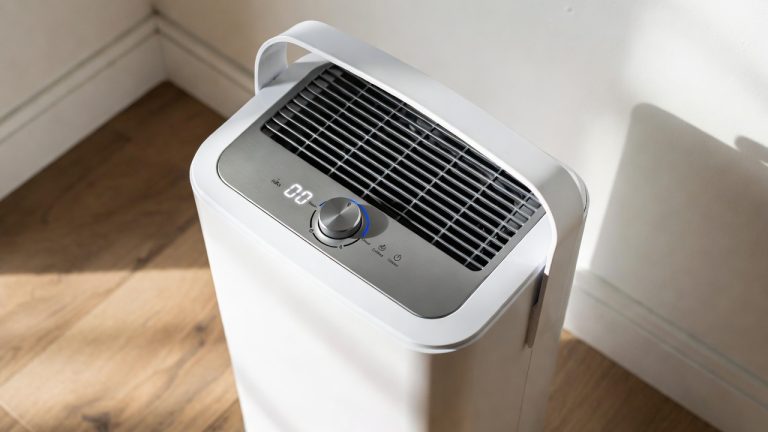
Now let’s talk about the solution. Dehumidifiers work by pulling moisture out of the air. This is actually quite simple in how it operates, even though the mechanics behind it might seem complex at first.
The Basic Process
A dehumidifier pulls humid air into its system. Inside, the air passes over cold coils (similar to how an air conditioner works). As the warm, humid air touches these cold coils, the moisture in the air condenses into water droplets, just like how water droplets form on a cold glass on a hot day. This water drips into a collection tank or drain system, and the now-dried air gets released back into your room.
By removing moisture from the air, the dehumidifier directly tackles one of the main causes of damp smell. When humidity levels drop, mold and mildew can’t grow as easily. The air stays fresher, and that musty smell starts to fade away.
Types of Dehumidifiers Available
You’ve got a few different types to choose from, and each one works slightly differently.
Refrigerant Dehumidifiers are the most common type you’ll find. They use refrigeration technology to cool the air and pull out moisture. These work great in warm, humid climates and are usually affordable.
Desiccant Dehumidifiers use materials that absorb moisture from the air. They don’t rely on cooling, which means they work better in cold environments. They’re often used in basements and crawl spaces where temperatures stay cool.
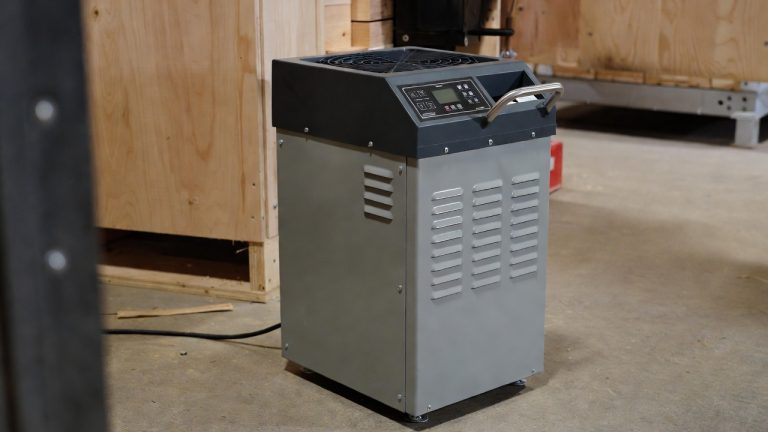
Whole-house Dehumidifiers connect to your home’s HVAC system and can manage humidity throughout your entire home at once. These are more expensive but offer the best long-term solution if you have moisture problems in multiple areas.
How Effective Are Dehumidifiers at Removing Damp Smell?
The real question is: will a dehumidifier actually fix your damp smell problem? The answer depends on several factors, but dehumidifiers can be quite effective when used correctly.
Speed of Results
You won’t walk into your home and immediately notice the smell is gone. Dehumidifiers need time to work. Generally, you should start noticing improvement in the smell within a few days to a couple of weeks, depending on how bad the moisture problem is. If your home has been damp for months or years, it might take longer for the air to completely clear out.
The reason for this timing is that mold and mildew don’t vanish instantly once you lower humidity levels. The organisms themselves need time to die off and break down. Once they’re gone, the smell gradually fades.
How Well They Work in Different Spaces
Dehumidifiers work better in some rooms than others. In smaller, more enclosed spaces like bathrooms or closets, they work very efficiently. The dehumidifier can quickly pull moisture out of that limited space, and you’ll notice the smell improving faster.
In larger rooms or open-concept spaces, dehumidifiers take longer to show results. The device has more air to process, so it works harder and takes more time. In these situations, you might need a larger capacity dehumidifier or you might need to use multiple units.
The Importance of Humidity Levels
The key to success with dehumidifiers is getting your home’s humidity to the right level. Most experts recommend keeping indoor humidity between 30 and 50 percent. This range is comfortable for people and doesn’t allow mold to thrive. If your humidity is currently above 60 percent, you definitely have a problem that needs fixing.
What Dehumidifiers Actually Remove From Your Air
It’s helpful to understand exactly what a dehumidifier removes so you know what problem it’s solving.
Moisture and Water Vapor
The primary thing dehumidifiers remove is water vapor from the air. This moisture is what allows mold and mildew to grow. By removing it, dehumidifiers eliminate the conditions that these organisms need.
What Dehumidifiers Don’t Remove
Here’s something important: dehumidifiers don’t remove the mold and mildew that’s already there. They stop new mold from growing by reducing humidity, but they won’t clean up existing mold on your walls, ceilings, or under your carpets. That’s a separate job that requires actual cleaning or professional mold remediation.
Also, dehumidifiers don’t remove mold spores that are already floating in the air. For that, you’d need an air purifier with a HEPA filter. Some mold odor might still linger even after you’ve lowered humidity if there’s visible mold growth that hasn’t been cleaned.
Dust and Allergens
Since mold and dust mites thrive in humid conditions, reducing humidity does help control these allergens indirectly. When humidity drops, these organisms die off or leave, which improves air quality.
Combining Dehumidifiers With Other Solutions for Best Results
While dehumidifiers are effective, you’ll get the best results when you combine them with other moisture-fighting strategies.
Clean Up Existing Mold and Mildew
Before you rely solely on a dehumidifier, clean any visible mold or mildew. Use a mixture of water and white vinegar or a commercial mold cleaner. Scrub affected surfaces thoroughly. This removes the source of the damp smell, so you’re not waiting for mold to die off naturally.
Improve Air Circulation
Good airflow helps dry out your space and prevents moisture from collecting in corners. Open windows when the outdoor humidity is lower than indoor humidity. Use fans to move air around. In bathrooms, run the exhaust fan during and after showers.
Fix Moisture Sources
If water is leaking into your basement or if your roof has damage, fix these problems. Dehumidifiers can’t handle ongoing water seepage. You’re just treating the symptom, not the cause.
Use Air Purifiers
An air purifier with a HEPA filter and activated carbon can catch mold spores and help remove lingering odors. Use it alongside your dehumidifier for better air quality.
Check Your Ventilation
Make sure your home gets adequate fresh air. Poorly ventilated homes trap stale, humid air. Check that your HVAC system is working properly and that vents aren’t blocked.
Choosing the Right Dehumidifier for Your Needs
Getting the best results requires picking a dehumidifier that actually fits your situation.
Size and Capacity
Dehumidifiers are rated by how much water they can remove per day, usually measured in pints or liters. A small bedroom might need a 30-pint dehumidifier, while a basement could need 70 pints or more. If you go too small, it won’t keep up with the moisture. Too large, and you’re wasting money and energy.
Noise Levels
Some dehumidifiers are noisier than others. If you’re planning to run it in a bedroom, you’ll want a quieter model. Check the decibel rating before buying.
Energy Efficiency
Look for models with the Energy Star label. These use less electricity while still removing moisture effectively. Over time, a more efficient model saves you money on your electric bill.
Continuous Drain vs. Tank
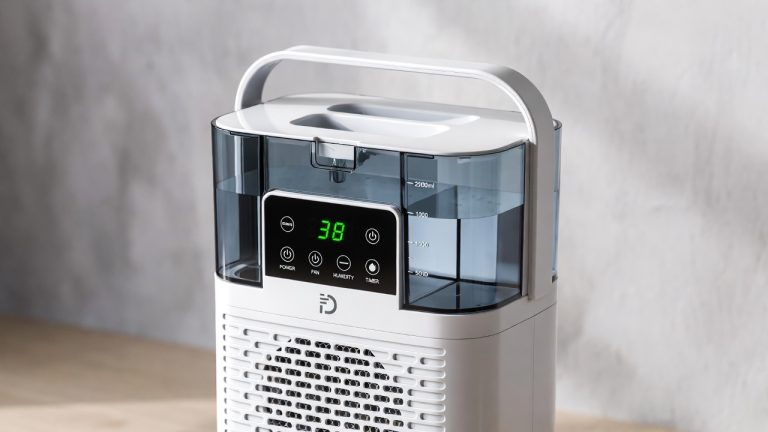
Some dehumidifiers have a tank that you empty manually. Others can drain continuously into a floor drain or through a hose. Continuous drain models are less hassle if you run your dehumidifier all day.
Smart Features
Modern dehumidifiers come with digital controls, humidity sensors, and even smart home compatibility. These features make it easier to maintain the right humidity level without constant adjustment.
How to Use Your Dehumidifier Effectively
Just buying a dehumidifier isn’t enough. You need to use it properly to get the best results.
Keep Doors and Windows Closed
When your dehumidifier is running, keep doors and windows closed. Open them, and you’re letting humid air back in, which defeats the purpose. The dehumidifier can’t compete with outdoor humidity constantly entering your space.
Position It Correctly
Place your dehumidifier in the area with the worst moisture problem. In basements, put it in the dampest corner. In bathrooms, place it where steam accumulates the most. Make sure there’s space around the unit for air to flow into it properly.
Run It on a Schedule
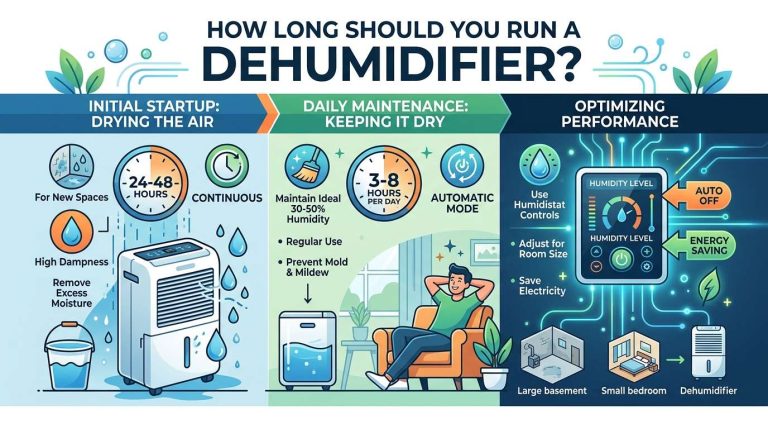
You don’t always need to run your dehumidifier 24/7. In many cases, running it for several hours a day is enough to maintain good humidity levels. However, during particularly humid seasons, you might need to run it longer.
Monitor Humidity Levels
Use a hygrometer (a cheap device that measures humidity) to track your indoor humidity. Adjust your dehumidifier settings based on these readings. Once you hit that 30-50 percent range, you can usually reduce runtime and still maintain good conditions.
Common Mistakes People Make With Dehumidifiers
Avoid these pitfalls to get the most benefit from your dehumidifier.
Expecting Instant Results
People often think the smell will vanish overnight. In reality, it takes time for the environment to shift and for mold to stop growing and break down.
Not Fixing the Root Cause
Running a dehumidifier in a home with active water leaks or poor ventilation is like bailing water from a boat with a hole in the bottom. You need to stop the source of moisture.
Using Wrong Size Units
A tiny dehumidifier in a huge basement won’t cut it. Similarly, an oversized dehumidifier in a small closet is overkill and wastes money.
Placing It Poorly
Putting your dehumidifier in a corner away from the main living space means it won’t dry out the room effectively. Central placement usually works best.
Neglecting Maintenance
Empty the tank regularly, and clean the filters as directed. A clogged filter reduces performance significantly.
What You Might Notice As Your Home Dries Out
As your dehumidifier works and humidity drops, several positive changes happen in your home.
The Smell Gradually Fades
The musty odor doesn’t vanish overnight, but over time it becomes less noticeable. After a week or two, you’ll realize the air smells fresher.
Less Dampness on Surfaces
You might notice that windows stop fogging up as much. Walls feel drier. This is a good sign that humidity is dropping.
Improved Comfort
Lower humidity makes your home feel more comfortable. Sticky, clammy air that makes you feel uncomfortable will improve noticeably.
Better Sleep Quality
Many people report sleeping better once humidity is controlled. The air feels fresher, and the musty smell isn’t bothering you all night.
Reduced Allergies and Respiratory Issues
As mold and dust mites decrease, people with allergies often feel better. Respiratory issues related to moldy air improve.
When Dehumidifiers Might Not Be Enough
There are situations where a dehumidifier alone won’t solve your damp smell problem.
Severe Mold Infestations
If you have extensive mold growth throughout your home, you need professional mold remediation. A dehumidifier can prevent future mold, but it won’t clean up large existing infestations.
Active Water Intrusion
If water is actively coming into your home through cracks, leaks, or flooding, you need to stop the water first. Only then will a dehumidifier be effective.
Poor Home Ventilation
Homes that are too tightly sealed without proper mechanical ventilation can struggle with moisture. You might need to improve your HVAC system or add ventilation.
Structural Issues
Some homes have built-in moisture problems due to how they were constructed or where they’re located. These might need professional assessment and specialized solutions.
The Cost-Benefit Analysis of Dehumidifiers
Let’s talk money. Dehumidifiers aren’t free, but they’re usually worth the investment.
Purchase Costs
Basic dehumidifiers start around $100-$200. Good quality units might run $300-$500. Whole-house systems cost significantly more but serve the entire home.
Operating Costs
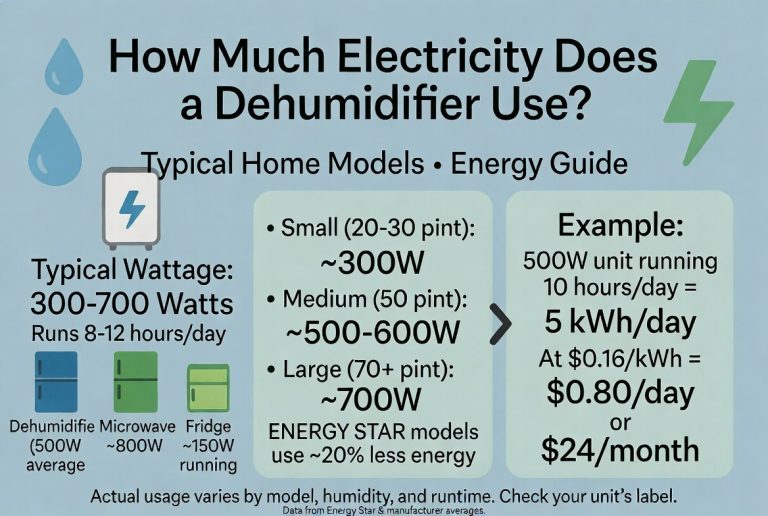
Most dehumidifiers use between 300-700 watts of electricity. Running one continuously might add $10-$30 to your monthly electric bill, depending on your electricity rates. Selective use costs much less.
Long-Term Savings
By preventing mold damage, you avoid expensive repairs. Mold remediation can cost thousands of dollars. A dehumidifier pays for itself by preventing these problems.
Health Benefits
Reduced mold and better air quality mean fewer health issues. Better sleep and fewer allergies have real value that goes beyond dollars.
Real-World Scenarios and How Dehumidifiers Help
Let’s look at some common situations where dehumidifiers make a real difference.
The Basement That Smells Like Old Earth
Your basement always smelled damp and musty. You’d avoid going down there because the smell was so strong. After running a dehumidifier for two weeks, the smell is noticeably better. After a month, it’s almost completely gone. Your basement now feels like a usable space again.
The Bathroom That Stays Steamy
Every time someone showers, the bathroom gets steamy and damp. Running a dehumidifier in there keeps the moisture under control. Mold doesn’t form on the ceiling, and the bathroom stays fresher.
The Bedroom With That Old House Smell
An older home often has that characteristic old house smell—musty and stale. Running a dehumidifier throughout the home helps eliminate this smell and make the space feel fresher and newer.
The Closet That Never Dries Out
Certain closets always feel damp. Clothes get that musty smell. A small dehumidifier placed in or near the closet solves this problem completely.
Moving Forward: Your Action Plan
Ready to tackle your damp smell problem? Here’s what to do.
Step One: Assess Your Humidity
Get a hygrometer and check your humidity levels throughout your home. Identify which areas are the wettest.
Step Two: Clean Visible Mold
Use vinegar or a mold cleaner to scrub any visible mold or mildew. This removes the immediate source of smell.
Step Three: Identify Moisture Sources
Look for leaks, poor ventilation, or areas where water collects. Fix these problems if possible.
Step Four: Choose Your Dehumidifier
Based on your home’s size and moisture problem, select an appropriate dehumidifier. Don’t go too small.
Step Five: Use It Correctly
Place it properly, keep doors closed, and monitor humidity levels. Give it time to work.
Step Six: Maintain Your Unit
Empty the tank, clean filters, and keep your dehumidifier in good working condition.
The Bottom Line: Do Dehumidifiers Actually Work?
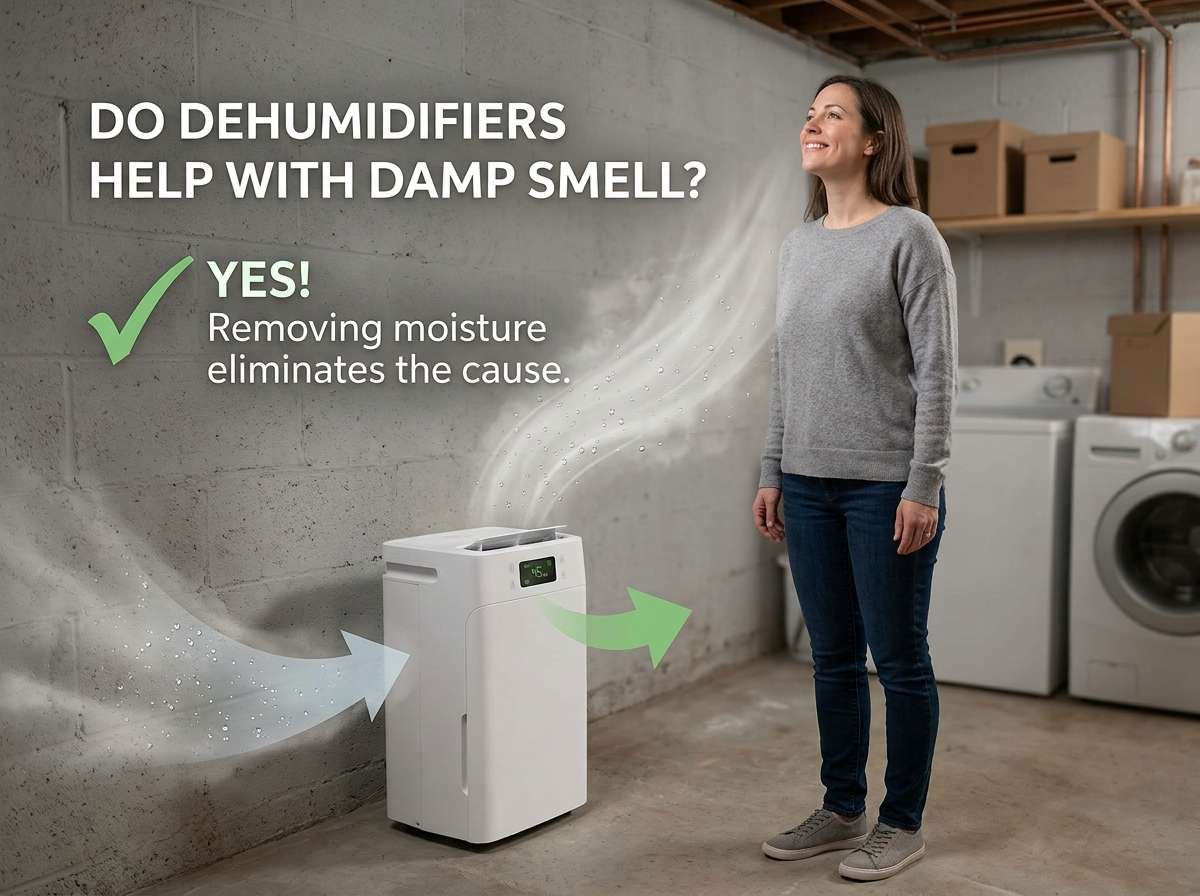
Yes, dehumidifiers absolutely help with damp smell. By reducing humidity levels, they prevent mold and mildew from growing, which eliminates the source of musty odors. You’ll notice improvement in your home’s air quality, smell, and overall comfort.
The key is using the right dehumidifier for your situation, maintaining it properly, and being patient as your home dries out. In most cases, combining a dehumidifier with basic cleaning and good ventilation practices gives you the best results.
That stale, musty smell doesn’t have to be permanent. With a dehumidifier and the right approach, you can have a fresher, healthier-smelling home. The investment is small compared to the improvement in your living space and your family’s health.
Start by getting a hygrometer to measure your humidity, then take action. Your home will thank you, and your nose will definitely notice the difference.
Hi, I’m Mary, the founder of Homygear.com. I’m passionate about creating a comfortable, smart, and beautiful home. I share practical insights and real-world experience on home gear that makes everyday life easier. Behind the scenes, my dedicated research team studies products in depth, and our writers craft honest reviews using trusted, authentic sources—so you can choose home gear with confidence.