How to Clean a Dehumidifier Properly?
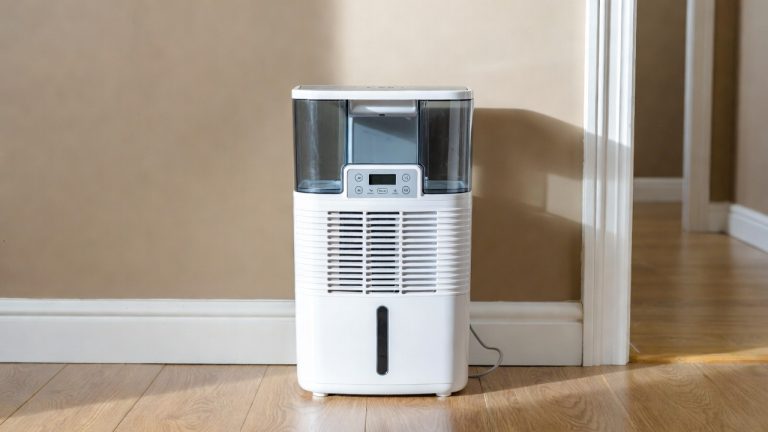
Dehumidifiers work hard to remove moisture from your home. They pull water from the air and collect it in a tank or drain it away. Over time, dust, mold, and debris build up inside your machine. A dirty dehumidifier doesn’t work as well and can even damage your home’s air quality. Cleaning your dehumidifier regularly keeps it running smoothly and helps it last longer.
This guide walks you through every step to clean your dehumidifier the right way. You don’t need special tools or skills. Just follow along and you’ll keep your machine in perfect shape.
Why You Need to Clean Your Dehumidifier
Your dehumidifier pulls moisture and particles from the air every single day. Dust settles on the filter. Mold grows in the water tank. The coils get clogged with debris. A neglected dehumidifier becomes less effective and can start spreading bad air around your home.
Clean dehumidifiers work faster and pull more moisture out. They also use less energy, which saves you money on your electric bill. Regular cleaning prevents rust and extends the life of your machine by several years. The small amount of time you spend cleaning pays off big in the long run.
If you have allergies or pets, cleaning is even more important. Pet hair clogs filters and reduces airflow. Dust triggers allergies. A clean dehumidifier keeps the air in your home healthier for your whole family.
How Often Should You Clean Your Dehumidifier?
The answer depends on how much you use your dehumidifier and where you live. In humid climates, your machine works harder and needs more attention.
Check your filter every two weeks. If it looks dirty or clogged, clean it right away. Never wait until it’s totally blocked. A clogged filter makes your dehumidifier work harder and use more power.
Empty the water tank every single day if you’re using a tank model. Even if it’s not full, standing water can grow mold overnight. Drain the water out each morning and evening.
Do a deep clean of your dehumidifier every month. This means opening it up, wiping down the coils, and cleaning all the inside parts. In very humid seasons, you might need to do this twice a month.
Change or replace your filter every three to six months. Check your machine’s manual to see how often the maker suggests. Some filters can be washed and reused. Others need to be thrown away and replaced with new ones.
What You’ll Need to Get Started
Gather these simple supplies before you start cleaning. You probably have most of them at home already.
A soft-bristled brush or old toothbrush works great for scrubbing. Avoid hard brushes that can scratch plastic parts. A vacuum with a brush attachment removes dust from the filter and coils. A small piece of cloth or lint-free rag cleans tight spaces. Warm water and mild dish soap handle most cleaning jobs. Skip harsh chemicals that can damage plastic or rubber seals.
A small bowl holds water for rinsing. Cotton swabs clean corners you can’t reach. Newspaper or an old towel catches water and dust. A screwdriver might be needed if your dehumidifier has panels you need to open.
Step-by-Step Cleaning Guide
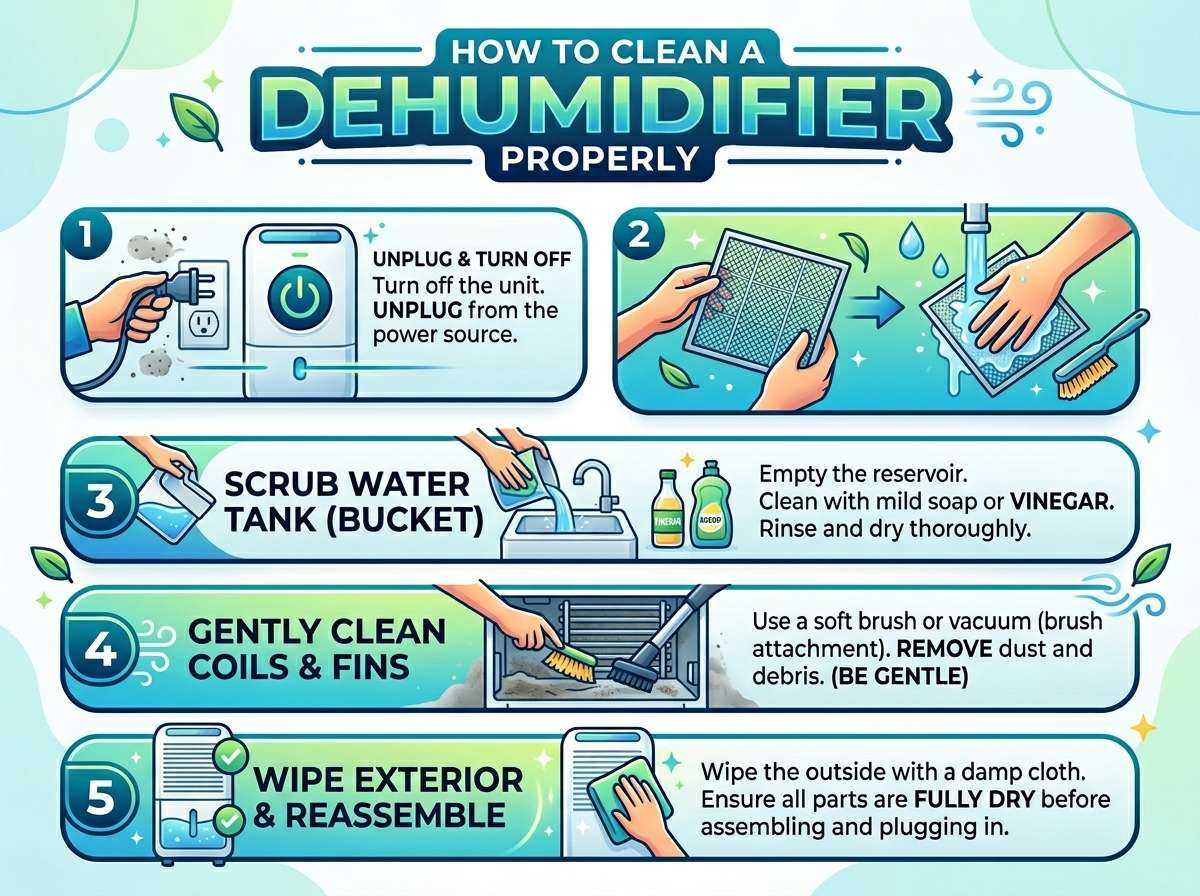
Step 1: Unplug Your Dehumidifier
Safety comes first. Always unplug your machine before you start cleaning. This protects you from electrical shocks and prevents the motor from running while you work inside.
Let your dehumidifier sit for a few minutes after unplugging. The coils and parts cool down and it’s safer to touch them.
Step 2: Empty the Water Tank
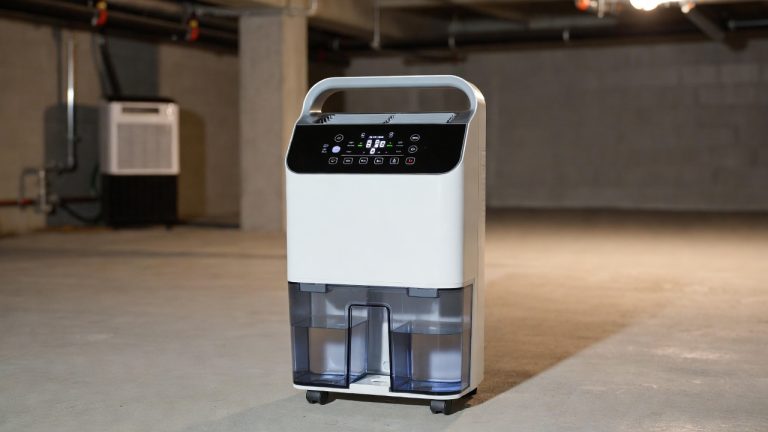
Find the water collection tank. On most models, it slides out from the front or back of the machine. Pull it straight out gently.
Pour all the water down the sink or toilet. If the water smells bad or looks dark, your machine needs cleaning right away. Bad smells mean mold is growing inside.
Rinse the tank under warm running water. Use a soft cloth to wipe the inside walls. For stubborn spots, mix a little white vinegar with water and scrub with your cloth. Vinegar kills mold spores naturally without toxic fumes.
Dry the tank completely with a clean towel before you put it back. A wet tank holds bacteria and mold. Once it’s dry, slide it back into place until it clicks.
Step 3: Clean or Replace the Filter
The filter catches dust and particles. Find where it attaches to your dehumidifier. It’s usually near the intake vents.
If you have a washable filter, gently pull it out. Look for a panel or cover that comes off. Some filters snap in. Others slide out of clips.
Use your vacuum to suck dust off the filter. Hold it over a trash can and brush it with a soft brush to loosen more dust. Tap it a few times to shake debris loose.
Rinse the filter under cool running water. Let water run over it and through the mesh. Don’t soak it in water or squeeze it. Just let the water flow through.
If your filter is very dirty or torn, replace it with a new one. New filters cost between ten and thirty dollars. They’re cheap compared to a broken dehumidifier.
Dry the filter completely before putting it back. Air dry it for at least two hours. Don’t use it wet or damp. Water in the filter blocks airflow and mold grows quickly.
Step 4: Wipe Down the Exterior
The outside of your dehumidifier collects dust just like anything else. Grab a slightly damp cloth and wipe the plastic casing.
Pay special attention to the air vents and openings. Dust gets stuck around these areas. Use a soft brush to dislodge it, then wipe with a damp cloth.
The top panel usually gets dusty too. Wipe it clean with a dry cloth. Dust on the outside affects how well air flows through your machine.
Step 5: Clean the Coils and Inside Parts
This is the most important part of deep cleaning. The evaporator coils are where the real work happens.
Find the coils inside your dehumidifier. You may need to remove panels to see them. Check your manual for where they’re located and how to access them safely.
Coils look like thin metal fins packed closely together. They collect dust like crazy. Use a soft-bristled brush or old toothbrush to gently brush between the fins. Work slowly so you don’t bend them.
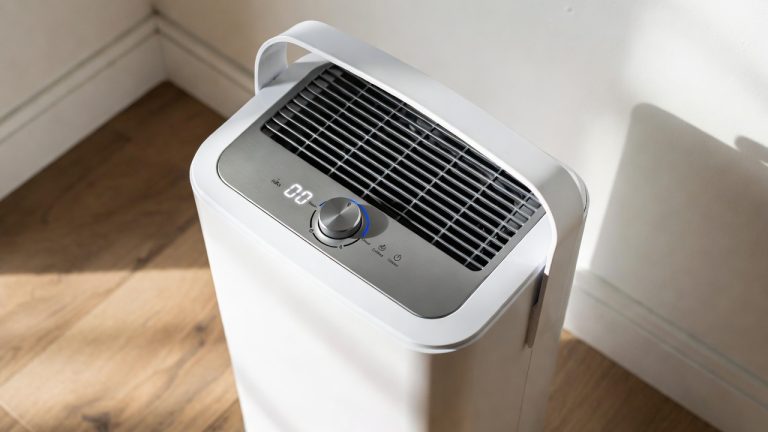
A vacuum with a brush attachment works great here too. Hold it close to the coils but don’t push hard. Let the suction pull the dust away.
If coils are very dusty, dip your brush in warm water with a tiny bit of dish soap. Gently brush the coils again. The soap helps loosen stubborn dust. Shake off excess water over a towel or newspaper.
Don’t spray water directly at the coils. This can damage electrical parts. Just use a damp brush and let gravity drip water out.
Cotton swabs reach into tight spots between fins. Dampen the swab slightly and scrub small areas. This takes time but gets your coils super clean.
Step 6: Clean the Intake Vents
Intake vents are where air enters your dehumidifier. They get clogged with dust and hair. Clean vents mean better airflow and better performance.
Find the intake vents. They’re usually on the sides or back of your machine. Use your vacuum brush to suck out loose dust. Then wipe with a damp cloth to catch remaining particles.
If you have pets, check the vents every week. Pet hair clogs vents faster than anything else.
Step 7: Dry Everything Carefully
Before you reassemble your dehumidifier, make sure every part is dry. Water inside your machine causes electrical problems and rust.
Use a clean, dry cloth to wipe down all surfaces you touched. Open any panels you removed and let air flow through for a few minutes.
Let the whole machine sit unplugged for thirty minutes if you used any water during cleaning. This gives everything time to air dry completely.
Step 8: Reassemble Your Dehumidifier
Put your clean filter back in place. Make sure it clicks or snaps securely. A loose filter allows air to bypass it and reduces cleaning.
Slide the water tank back in until you hear it click or feel resistance. It should be snug but not forced.
Close any panels you opened. Make sure they’re secured properly.
Check that all vents are clear and not blocked.
Step 9: Plug In and Test
Now you’re ready to turn your machine back on. Plug it in and run it for a few minutes. Listen for normal operation sounds. You shouldn’t hear grinding, squealing, or rattling.
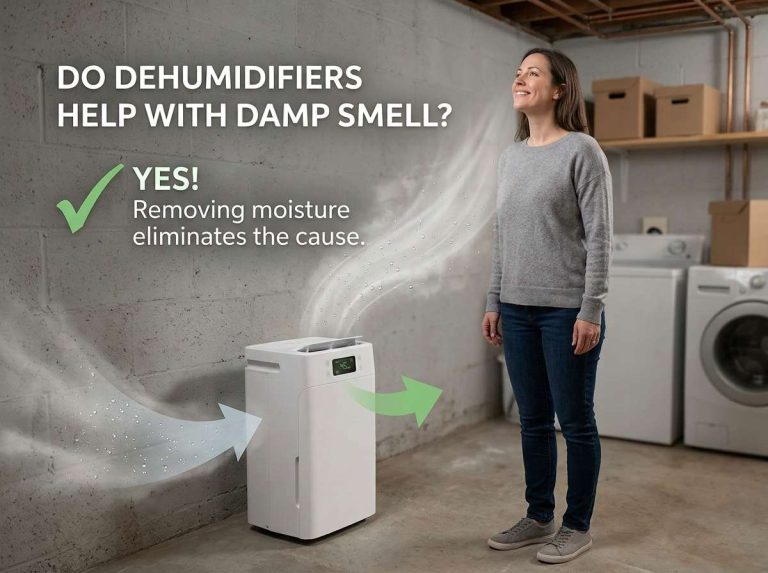
The air coming out should smell fresh and clean. If it still smells musty, you may need to repeat the coil cleaning.
Deep Cleaning Tips for Tough Problems
Sometimes your dehumidifier needs extra help. These tricks handle stubborn issues.
Mold Growth
Mold grows in wet, dark places. Your dehumidifier’s water tank and coils are perfect homes for it.
Mix one part white vinegar with one part water. Soak a cloth in this solution and wipe all affected areas. Vinegar kills mold naturally. Let it sit for five minutes before wiping again.
For the water tank, fill it halfway with this vinegar solution. Let it soak for an hour. Scrub with a brush and rinse thoroughly. Never mix vinegar with bleach. That creates dangerous fumes.
If mold keeps coming back, your home might be too humid. Consider running your dehumidifier longer or getting a bigger unit. Mold that keeps returning means your dehumidifier can’t handle the moisture level.
Musty Odors
Bad smells mean bacteria and mold are growing. Clean more frequently and more thoroughly.
After cleaning everything, place a small open box of baking soda inside your dehumidifier. Close it for a few hours. Baking soda absorbs bad smells naturally.
Run your dehumidifier with the drain hose attached if your model has one. Continuous drainage prevents standing water and smell.
Buildup on Coils
Heavy dust and mineral buildup on coils needs aggressive cleaning.
Use a coil cleaner spray made for air conditioning equipment. These are safe for dehumidifiers too. Spray it on the coils and let it sit for a few minutes. The formula dissolves mineral deposits and dried moisture residue.
Then brush gently with a soft brush. The loosened buildup falls away easily. Finish by running your vacuum over the coils to catch loose particles.
Only use coil cleaners that are safe for the environment. Check the label before buying.
How to Maintain Your Dehumidifier Between Cleanings
Small habits keep your dehumidifier running great between deep cleans.
Empty the water tank daily. This is the most important habit. A full tank shuts off your machine. A tank with old water grows mold.
Keep the area around your dehumidifier clear. Don’t block the air intake vents. Keep furniture, curtains, and boxes at least two feet away.
Check the filter every two weeks. If it looks gray or dark, it needs cleaning. A clean filter is the easiest way to keep your whole machine clean.
Place your dehumidifier in a central location. Airflow matters. A machine in a corner doesn’t work as well as one in an open space.
Position it away from windows and doors. Temperature changes affect how well it works. A stable room temperature helps your machine operate efficiently.
Use a continuous drain hose if your dehumidifier supports one. This removes water automatically instead of filling a tank. You’ll never have to empty it by hand again.
Monitor humidity levels. Most dehumidifiers have a meter. Aim for thirty to fifty percent humidity. Higher levels mean your machine is working overtime and needs more frequent cleaning.
Common Mistakes to Avoid
Learn from these mistakes so you don’t make them yourself.
Never use harsh chemicals like bleach inside your dehumidifier. They damage plastic and rubber seals. They also leave toxic residue that gets blown into your home.
Don’t forget to unplug before cleaning. It’s the number one safety rule. Working on a plugged-in dehumidifier can cause shocks or accidental starts.
Avoid getting water on electrical parts. Water and electricity don’t mix. Work carefully and use damp cloths instead of soaking.
Never bend the coil fins while cleaning. They’re fragile and bending them reduces performance. If a fin bends, try to bend it back gently with a blunt tool like a butter knife handle.
Don’t ignore mold growth. It spreads fast and gets worse. Clean mold immediately when you spot it.
Skip the pressure washer and hose. Water forced under pressure damages delicate parts. Stick to hand cleaning with brushes and damp cloths.
Don’t run your dehumidifier with a dirty filter. It reduces effectiveness and strains the motor. Clean or replace filters before using.
Troubleshooting After Cleaning
Your dehumidifier should run better after cleaning. If something seems wrong, check these things.
It’s not pulling moisture anymore. The coils might have mineral deposits. Clean them again with a coil cleaner spray. The filter might be reinstalled wrong. Check that it clicks into place securely.
Water is leaking. Make sure the water tank is fully seated. It should click into place. Check the rubber seal around the tank for cracks or damage. A cracked seal needs replacement.
It’s making strange noises. Rattling or grinding usually means something got into the motor. This is rare after cleaning but check inside if you hear new noises. Turn it off immediately if you do.
Musty smell returns quickly. Your home is too humid for the machine to handle. Run it longer or get a larger dehumidifier. Also check that you’re emptying the water tank daily.
The filter gets dirty too fast. Your home has a lot of dust or pet hair. Clean the intake vents more often. Consider a higher-quality filter or checking your home’s air vents.
When to Call a Professional
Most cleaning jobs you can do yourself. But some problems need professional help.
If water is leaking and it’s not the tank seal, internal parts might be cracked. Professionals can diagnose and fix this.
If your dehumidifier makes loud grinding noises that don’t go away, the motor might be damaged. A professional can repair or replace it.
If mold comes back within days of cleaning, there might be a bigger problem. A professional can check for leaks or cracks that let mold spores in.
If you’re not comfortable opening your machine, hire someone. It’s not worth damaging your dehumidifier or hurting yourself.
Final Thoughts on Dehumidifier Cleaning
Clean dehumidifiers work better, last longer, and keep your home healthier. The cleaning process is straightforward and takes less than an hour once you get the hang of it.
Start with the water tank. Keep it empty daily. Move on to the filter. Clean it every two weeks. Do a deep clean once a month. These three habits handle ninety percent of dehumidifier maintenance.
Your dehumidifier wants to work well for you. Give it the care it deserves and it will remove humidity, reduce mold, and improve your home’s air quality for years to come.
Set a reminder on your phone to check your filter every two weeks. Schedule your deep cleaning for the first Saturday of each month. These simple habits keep your dehumidifier running perfectly.
A well-maintained dehumidifier is a happy dehumidifier. Take good care of it and it takes good care of your home.

Hi, I’m Mary, the founder of Homygear.com. I’m passionate about creating a comfortable, smart, and beautiful home. I share practical insights and real-world experience on home gear that makes everyday life easier. Behind the scenes, my dedicated research team studies products in depth, and our writers craft honest reviews using trusted, authentic sources—so you can choose home gear with confidence.