5 Best Bottom Load Water Cooler In 2026
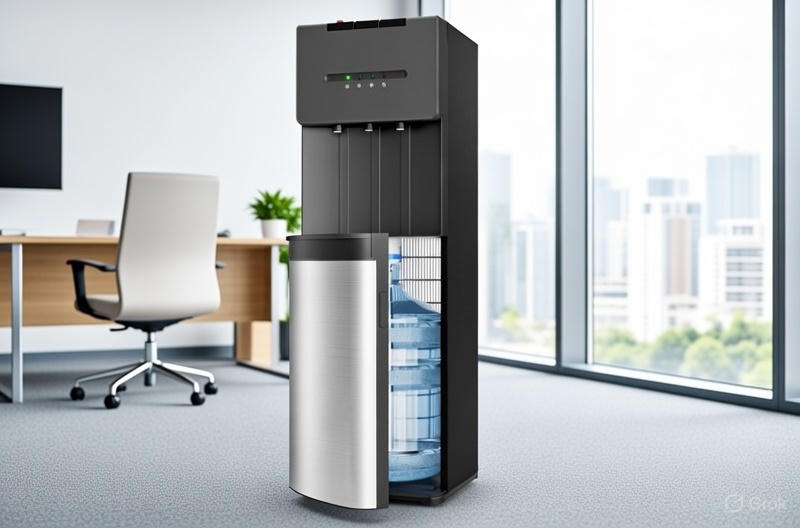
Staying hydrated throughout the day becomes effortless when you have the right water dispenser at home or in your office. Bottom loading water coolers have revolutionized how we access clean, temperature-controlled drinking water. Unlike traditional top-loading models that require lifting heavy bottles overhead, these innovative dispensers feature a convenient bottom compartment that makes bottle replacement a breeze.
This comprehensive review examines five top-performing bottom load water dispensers currently available on the market. We’ve analyzed each model’s features, performance, and value to help you find the perfect hydration solution for your space.
Why Bottom Loading Water Coolers Are Worth Your Investment
Traditional water dispensers force you to hoist heavy water bottles overhead, which can be challenging and potentially dangerous. Bottom loading models eliminate this hassle entirely. You simply slide the bottle into a lower cabinet, and an internal pump brings the water up to the dispensing area.
These units offer several advantages beyond convenience. They maintain a sleeker appearance since the water bottle stays hidden from view. Most models provide multiple temperature options, giving you instant access to hot water for tea or coffee and cold water for refreshing drinks. Many newer models also include smart features like LED displays and empty bottle alerts that take the guesswork out of maintenance.
The investment in a quality bottom loading dispenser pays off through daily convenience, improved aesthetics, and the elimination of heavy lifting that can strain your back or cause injuries.
Our Top 5 Bottom Load Water Cooler Reviews
1. Brio Bottom Loading Water Cooler Dispenser – Premium Stainless Steel Design
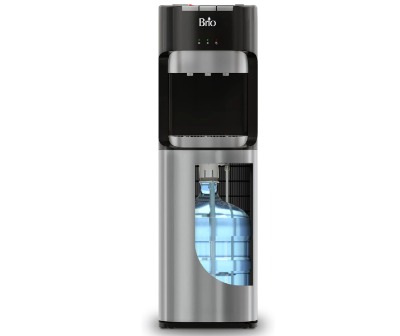
The Brio bottom loading water cooler stands out as a premium option that combines functionality with modern aesthetics. This dispenser accommodates standard 5-gallon bottles and delivers water at three different temperatures to suit any beverage preference.
Product Description:
The Brio model features a sophisticated stainless steel construction that complements contemporary kitchens and office spaces. The unit’s LED display provides clear visibility of your selected temperature and alerts you when the bottle needs replacement. The dispenser offers hot, cold, and room temperature water through separate spouts, with a child safety lock on the hot water tap to prevent accidental burns.
The bottom loading chamber operates smoothly, and the internal pump efficiently draws water from the bottle without making excessive noise. The stainless steel exterior resists fingerprints and maintains its polished appearance with minimal cleaning.
Pros:
- Durable stainless steel construction ensures longevity
- LED display makes operation intuitive and provides helpful alerts
- Three temperature options cater to all drinking preferences
- Child safety lock protects young ones from hot water accidents
- Empty bottle alert prevents the frustration of running out unexpectedly
- Sleek design enhances any room’s appearance
- Quiet operation doesn’t disrupt your environment
Cons:
- Higher price point compared to basic models
- Stainless steel can show water spots if not wiped regularly
- Unit is relatively heavy, making relocation more difficult
The Brio bottom loading water cooler excels as a long-term investment for homes and offices that value both performance and appearance. The stainless steel construction justifies the higher cost through superior durability and a premium look that doesn’t fade over time.
2. Avalon Bottom Loading Water Cooler with BioGuard – Health-Focused Hydration
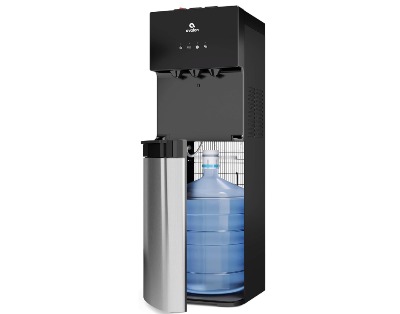
The Avalon water dispenser takes water quality seriously by incorporating BioGuard technology into its design. This UL-listed unit combines antimicrobial protection with reliable performance, making it an excellent choice for health-conscious households and businesses.
Product Description:
Avalon built this dispenser with durable stainless steel components and added an antimicrobial coating that inhibits bacteria growth on frequently touched surfaces. The BioGuard technology provides an extra layer of protection, keeping your water reservoir cleaner between sanitization sessions.
The unit dispenses water at three temperatures and features an energy-efficient design that keeps operating costs reasonable. The bottom loading mechanism works smoothly with standard 5-gallon bottles, and the hidden bottle compartment maintains a tidy appearance.
Pros:
- BioGuard technology actively fights bacterial growth
- Antimicrobial coating on surfaces reduces germ transmission
- UL listing confirms safety and quality standards
- Stainless steel construction resists corrosion and damage
- Energy-efficient operation reduces electricity consumption
- Three temperature settings provide versatility
- Solid build quality ensures reliable performance
Cons:
- Initial cost is higher than non-antimicrobial models
- BioGuard features may be unnecessary for some users
- Regular cleaning is still required despite antimicrobial coating
The Avalon dispenser with BioGuard makes sense for environments where multiple people use the same unit, such as offices, clinics, or large households. The antimicrobial features provide peace of mind, especially during cold and flu season when germs spread easily.
3. Bottom Loading Water Cooler Dispenser – Versatile Carbon Black Model
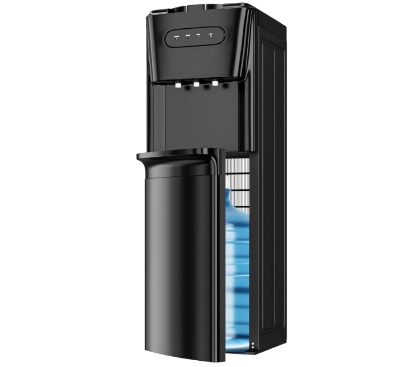
This carbon black water cooler offers a budget-friendly entry into the world of bottom loading dispensers. The unit works with both 3-gallon and 5-gallon bottles, providing flexibility for different usage levels and space constraints.
Product Description:
The carbon black finish gives this dispenser a modern, professional appearance that fits well in various settings. Like the premium models, it features hot, cold, and room temperature dispensing options. The LED display shows the current status and alerts you when the bottle runs empty.
A child safety lock protects the hot water spout, and the bottom loading design makes bottle changes manageable for most adults. The unit’s compact footprint works well in smaller spaces while still providing full functionality.
Pros:
- Compatible with both 3-gallon and 5-gallon bottles
- Affordable price point makes it accessible to more buyers
- Carbon black finish hides dust and wear better than lighter colors
- LED display provides essential information at a glance
- Child safety lock prevents hot water accidents
- Compact design fits in tighter spaces
- Three temperature options meet most needs
Cons:
- Build quality feels less substantial than premium models
- Plastic components may not last as long as stainless steel
- Some users report louder pump operation
- Basic design lacks advanced features
This carbon black model serves as an excellent starter option for those new to bottom loading dispensers or anyone working within a tighter budget. The ability to use smaller 3-gallon bottles makes it particularly appealing for individuals or couples who don’t need the capacity of larger bottles.
4. Primo Water Dispenser – Simple Hot and Cold Solution
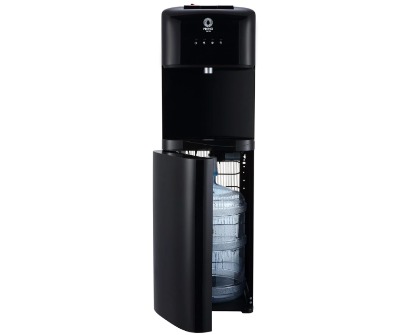
The Primo water dispenser strips away extra features to focus on core functionality. This straightforward unit offers hot and cold water dispensing for 5-gallon bottles at an attractive price point.
Product Description:
Primo designed this dispenser with simplicity in mind. The unit features just two temperature settings – hot and cold – which covers the most common needs. The bottom loading mechanism works reliably, and the overall construction feels solid despite the budget-friendly price.
The dispenser’s clean lines and neutral color scheme allow it to blend into various environments without drawing attention. Setup requires minimal effort, and operation is intuitive enough that anyone can use it without referring to the manual.
Pros:
- Budget-friendly option for cost-conscious buyers
- Simple two-temperature system is easy to understand
- Reliable bottom loading mechanism
- Compact footprint saves floor space
- Straightforward operation requires no learning curve
- Solid construction for the price point
- Energy-efficient design keeps operating costs low
Cons:
- No room temperature dispensing option
- Lacks LED display and smart features
- Basic appearance may not suit upscale environments
- Limited temperature control compared to three-temp models
The Primo dispenser works well for users who primarily need hot water for coffee and tea plus cold water for drinking. The simplified design reduces potential failure points and makes operation foolproof, which some users prefer over feature-rich alternatives.
5. EUHOMY Bottom Loading Water Cooler – Modern Black Design for Every Space
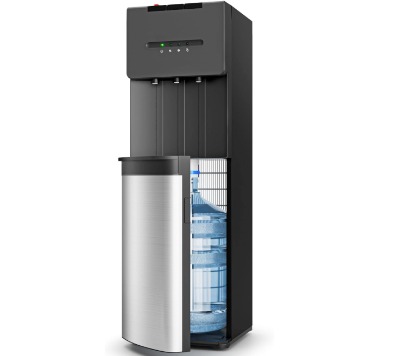
The EUHOMY water cooler combines modern aesthetics with practical features in an affordable package. This black dispenser brings style and functionality to homes, offices, and apartments without breaking the bank.
Product Description:
EUHOMY crafted this dispenser to serve 5-gallon bottles with three distinct temperature settings. The unit delivers cold water for refreshment, warm water for comfortable drinking, and hot water for beverages and instant foods. An LED display panel shows the current status and makes operation simple.
The black finish looks sharp and professional while hiding minor scratches and scuffs that might show on lighter colors. A child lock protects the hot water dispenser, and the bottom loading design puts less strain on your back compared to traditional models.
Pros:
- Attractive black finish suits modern decor
- Three temperature settings cover all needs
- LED display light enhances usability
- Child lock provides important safety protection
- Affordable price makes it accessible
- Suitable for various environments from homes to offices
- Straightforward installation and operation
Cons:
- Black plastic may show dust more than textured finishes
- Build quality is adequate but not premium
- Some components feel lightweight
- Noise level is noticeable during water pumping
The EUHOMY dispenser offers excellent value for apartment dwellers, home offices, and small businesses that need reliable hydration without spending premium prices. The unit handles daily use well and provides the essential features most people actually use.
Key Features to Consider When Buying a Bottom Load Water Dispenser
Temperature Options
Most bottom loading water coolers provide three temperature settings: hot, cold, and room temperature. Hot water typically reaches around 185-194°F, perfect for tea, coffee, instant oatmeal, and soup. Cold water stays between 39-50°F for refreshing drinks. Room temperature water appeals to those who prefer their water without extreme temperatures.
Some budget models offer only two temperatures, usually hot and cold. This simplified approach works fine if you rarely use room temperature water. However, three-temperature models provide more versatility for different preferences and uses.
Build Quality and Materials
The construction materials significantly impact durability and appearance. Stainless steel models resist dents, corrosion, and damage better than plastic alternatives. They also maintain their appearance longer and often justify higher initial costs through extended lifespan.
Plastic models can still provide reliable service, especially those made with high-quality materials. However, they may show wear more quickly and might not feel as substantial. Consider where you’ll place the dispenser and how important aesthetics are to your decision.
Safety Features
Child safety locks are essential if young children can reach the dispenser. These locks prevent accidental activation of the hot water spout, which could cause serious burns. Even homes without children benefit from this feature when young visitors come over.
Look for models with stable bases that resist tipping and secure bottle compartments that hold the water bottle firmly in place. Some units include additional safety features like automatic shut-off when the water runs out or overheating protection.
LED Display and Smart Features
Modern water coolers often include LED displays that show the current status, temperature settings, and alerts. These displays make operation more intuitive and help you stay informed about when to replace the bottle.
Empty bottle alerts prove particularly useful, especially in busy offices where multiple people use the dispenser. Some models also include night lights, water consumption tracking, or temperature adjustment options through digital controls.
Energy Efficiency
Water coolers run continuously to maintain water temperature, so energy consumption matters. Look for models with energy-saving features like efficient compressors, good insulation, and eco-modes that reduce power use during low-demand periods.
Energy Star certified models meet strict efficiency guidelines and can save money on electricity bills over time. Even without certification, models that specify energy-efficient operation typically cost less to run than older or poorly designed units.
Noise Level
The internal pump and cooling system generate some noise during operation. Higher-quality models tend to run more quietly, using better pumps and improved insulation. If you plan to place the dispenser in a quiet environment like a bedroom or small office, pay attention to noise levels mentioned in reviews.
Most units operate quietly enough for typical use, but some budget models produce more noticeable sounds when pumping water or cycling the cooling system.
Bottle Compatibility
Most bottom loading dispensers work with standard 5-gallon water bottles. Some models also accommodate 3-gallon bottles, which can be helpful if you have limited space or lower water consumption. Verify that your preferred water delivery service or store-bought bottles will fit the model you’re considering.
The loading mechanism should work smoothly with bottles from different suppliers, as slight variations in bottle design exist. Well-designed dispensers handle these variations without problems.
Installation and Maintenance Tips
Initial Setup
Setting up a bottom load water cooler takes minimal effort. Start by removing all packaging materials and placing the unit in its intended location. Leave several inches of clearance around the dispenser for ventilation and easy access to the bottle compartment.
Before loading the first bottle, clean the internal reservoir according to the manufacturer’s instructions. This removes any residue from manufacturing and shipping. Most units simply need a rinse with clean water, though some recommend a mild vinegar solution for thorough sanitization.
Remove the cap from your water bottle and carefully insert it into the bottom compartment. The probe should pierce the bottle’s seal automatically. Allow several minutes for the system to prime and water to fill the internal reservoir before dispensing.
Regular Cleaning
Regular cleaning keeps your water dispenser hygienic and functioning properly. Wipe down the exterior surfaces weekly with a damp cloth and mild cleaner. Pay special attention to the spout areas where water droplets can accumulate and create mineral deposits.
Deep clean the internal reservoir every few months or according to the manufacturer’s recommendations. This process typically involves emptying the system, using a cleaning solution designed for water coolers, rinsing thoroughly, and allowing the unit to dry before refilling.
The drip tray collects spills and overflow, so empty and wash it regularly to prevent bacterial growth and odors. Most drip trays remove easily for cleaning in the sink.
Troubleshooting Common Issues
If your dispenser stops cooling or heating properly, check that it’s plugged in and the power switch is on. Give the unit several hours to reach the proper temperature after initial setup or after being turned off. If problems persist, the compressor or heating element might need professional attention.
Slow water flow often indicates air in the system or a partially empty bottle. Try priming the pump by pressing the cold water button several times. If you’ve recently replaced the bottle, the system might need a few minutes to establish proper flow.
Strange tastes or odors usually signal the need for cleaning. Run a cleaning cycle and replace the water bottle. If problems continue, check that you’re using fresh bottled water and that the dispenser hasn’t been sitting unused for extended periods.
Comparing Bottom Load vs. Top Load Water Coolers
Convenience Factor
Bottom loading models win decisively in terms of convenience. You never have to lift heavy bottles overhead, reducing injury risk and making replacement possible for people with limited strength or mobility. The process involves sliding the bottle into the lower compartment and letting the pump do the work.
Top-loading models require you to flip the bottle upside down and position it on top of the dispenser. This maneuver becomes more difficult with age or physical limitations. The risk of spills and the potential for back strain make top-loading less appealing for many users.
Aesthetic Appeal
Bottom loading dispensers maintain a cleaner, more streamlined appearance since the water bottle stays hidden. This matters in visible locations like reception areas, living rooms, or modern kitchens where appliance appearance impacts overall design.
Top-loading models constantly display the water bottle, which some people find less attractive. The visible bottle can also collect dust and require more frequent cleaning to maintain appearances.
Cost Comparison
Top-loading water coolers typically cost less upfront since they use simpler mechanisms without pumps. Bottom loading models require internal pumps to lift water from the lower bottle, increasing manufacturing costs and retail prices.
However, the price difference has narrowed as bottom loading technology has become more common. Many bottom loading models now offer competitive pricing, especially in the basic feature category. The added convenience often justifies the modest price premium for most buyers.
Maintenance Requirements
Both types require similar maintenance routines including regular cleaning and sanitization. Bottom loading models have internal pumps that could potentially fail, though this rarely happens with quality units. Top-loading models have fewer mechanical components but depend on gravity feed, which can develop issues if the valve mechanism wears out.
Overall, maintenance requirements are comparable between the two styles. Quality units of either type should provide reliable service with proper care.
How to Choose the Right Water Cooler for Your Space
Home Use Considerations
Home users should consider where the dispenser will live and who will use it. Kitchen placement puts water near food preparation areas and makes the unit easily accessible throughout the day. However, kitchens can be crowded, so measure your available space carefully.
Home offices benefit from having a water cooler nearby to encourage hydration during work hours. Bedrooms might need quieter models if you’re sensitive to operational noise during sleep.
Consider your household size when evaluating capacity needs. A couple might do fine with a smaller 3-gallon option, while larger families will appreciate the reduced refill frequency of 5-gallon bottles.
Office Environment Needs
Office environments typically require more robust units that handle frequent use from multiple people. Stainless steel construction holds up better to constant traffic and looks more professional than plastic alternatives.
The antimicrobial features found in models like the Avalon make particular sense in shared spaces where many hands touch the dispenser. These features help reduce germ transmission between coworkers.
Offices should prioritize models with all three temperature options since different employees have varying preferences. The ability to make hot beverages encourages use and reduces trips to nearby coffee shops.
Apartment Living
Apartment dwellers often face space constraints that favor compact models. Some apartments restrict appliance placement due to electrical outlet locations or lease agreements, so verify any restrictions before purchasing.
The ability to use both 3-gallon and 5-gallon bottles adds flexibility for apartment living. Smaller bottles are easier to transport up stairs or in elevators and take up less storage space when you buy in bulk.
Noise considerations matter more in apartments where units share walls. Quieter models prevent neighbor complaints and allow comfortable use at any hour.
Water Quality and Filter Options
Understanding Water Source Quality
The quality of your source water impacts your drinking experience and the dispenser’s maintenance needs. Most people use bottled water from delivery services or retail stores, which typically undergoes filtration and quality testing before bottling.
Well water users might need additional filtration before bottling to remove minerals, sediments, or contaminants. Municipal water supplies are regulated but may contain chlorine or other treatment chemicals that affect taste.
Built-in Filtration Systems
Some advanced water coolers include built-in filtration systems that clean water as it moves through the dispenser. These systems remove common contaminants and improve taste, allowing you to use tap water instead of purchasing bottled water.
The models reviewed here focus on bottled water use without integrated filtration. This approach keeps costs down and simplifies maintenance. Users who want filtered tap water should look for specialized models with filtration capabilities.
Maintaining Water Freshness
Even bottled water can develop stale tastes if it sits too long in the dispenser. Use water within a few weeks of opening the bottle and clean the reservoir regularly to maintain freshness. Sealed bottles remain fresh for much longer, so avoid opening bottles until you’re ready to use them.
Store unopened bottles in cool, dark places away from direct sunlight and strong odors. Proper storage preserves water quality and ensures every bottle tastes fresh when installed in your dispenser.
Cost Analysis and Long-Term Value
Initial Investment
Bottom loading water coolers range from around $100 for basic models to over $300 for premium units with stainless steel construction and advanced features. The models reviewed here span this price spectrum, offering options for various budgets.
Basic models like the Primo provide core functionality without extras, making them affordable entry points. Mid-range options like the EUHOMY add useful features while keeping prices reasonable. Premium models like the Brio and Avalon deliver superior build quality and longevity that justify higher costs.
Operating Costs
Electricity consumption represents the main ongoing cost for water coolers. Most models use between 400-800 watts when heating or cooling, though actual consumption varies based on usage patterns and energy-saving features.
Expect electricity costs of roughly $10-20 monthly for typical home use, with office environments seeing higher costs due to increased usage. Energy-efficient models can reduce these expenses by 20-30% compared to older or poorly designed units.
Water Delivery Expenses
Bottled water costs vary by region and delivery service. Standard 5-gallon bottles typically cost $7-12 each through delivery services or $6-9 at retail stores when you provide your own bottles. Home or office consumption of 2-4 bottles monthly is common, adding $15-50 to your monthly expenses.
Compare these costs against your current drinking water expenses. Many households spend similar amounts on smaller individual bottles, making the switch to a water cooler cost-neutral while offering better convenience and reduced plastic waste.
Return on Investment
The convenience of having temperature-controlled water available instantly provides daily value that’s difficult to quantify. Avoided trips to the store for bottled water, reduced consumption of sugary drinks, and improved hydration all contribute to the dispenser’s value proposition.
Quality units should provide 5-10 years of reliable service with proper maintenance. Spreading the initial cost over this lifespan makes even premium models quite affordable on an annual basis.
Environmental Impact and Sustainability
Reducing Single-Use Plastic
Switching to a water cooler with refillable bottles dramatically reduces single-use plastic consumption compared to buying individual water bottles. A single 5-gallon bottle replaces about forty 16-ounce disposable bottles, cutting plastic waste by 97% or more.
Many water delivery services reuse bottles multiple times before recycling them, further reducing environmental impact. Some services even offer bottle deposit programs that incentivize returns and ensure proper recycling.
Energy Consumption Considerations
Water coolers do consume electricity continuously, which creates environmental impact through energy generation. However, modern efficient models minimize this impact. Choosing an energy-efficient unit and using eco-modes when available helps reduce your carbon footprint.
Compare the energy use against alternative methods of getting hot and cold water. Repeatedly boiling water in an electric kettle or running the refrigerator with water pitchers can actually use more energy than an efficient water cooler.
Supporting Sustainable Practices
Many bottled water companies have adopted sustainable practices including renewable energy use, water source protection, and community investment in water access. Research your preferred water supplier’s environmental commitments when making your choice.
Local water suppliers often have smaller transportation footprints than national brands, reducing the environmental impact of delivery. Balancing water quality, cost, and environmental factors helps you make choices aligned with your values.
Making Your Final Decision
Selecting the right bottom loading water cooler depends on balancing your specific needs, budget, and preferences. Each model reviewed here offers distinct advantages for different situations.
The Brio stainless steel model excels for those who value premium build quality, modern aesthetics, and long-term durability. Its higher price reflects superior materials and construction that should provide many years of reliable service.
The Avalon with BioGuard technology makes the most sense for health-conscious users or shared environments where antimicrobial protection provides meaningful benefits. The added peace of mind justifies the investment for many buyers.
The carbon black model offers versatility through 3-gallon and 5-gallon bottle compatibility at an affordable price. This flexibility appeals to users with varying consumption needs or those transitioning to larger bottles over time.
The Primo dispenser serves budget-conscious buyers who need basic hot and cold functionality without extra features. Its simplicity reduces potential complications and keeps the price accessible.
The EUHOMY water cooler strikes a balance between features and affordability, making it ideal for apartments, home offices, and small businesses that want modern functionality without premium pricing.
Consider your primary use case, available budget, and must-have features when making your choice. Any of these five models will provide significant improvement over top-loading dispensers or no dispenser at all. The convenience of bottom loading combined with instant access to temperature-controlled water makes these units worthwhile investments in your daily comfort and hydration.
Take time to measure your space, evaluate your water consumption patterns, and identify which features matter most to your situation. The right water cooler will serve you reliably for years while making staying hydrated effortless and enjoyable.
Hi, I’m Mary, the founder of Homygear.com. I’m passionate about creating a comfortable, smart, and beautiful home. I share practical insights and real-world experience on home gear that makes everyday life easier. Behind the scenes, my dedicated research team studies products in depth, and our writers craft honest reviews using trusted, authentic sources—so you can choose home gear with confidence.