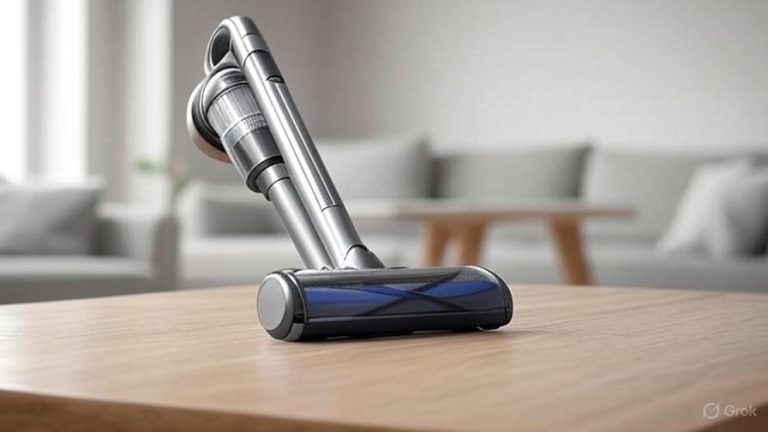

How to Choose the Right Vacuum Cleaner?
Vacuuming your home is one of those chores that never really ends. Dust bunnies under the couch, pet hair on the carpet, crumbs after dinner—they all add up fast. The problem is that picking a new vacuum can feel overwhelming. Walk into any store or scroll through an online shop, and you’ll see dozens of options staring back at you. Each one claims to be the best. Each one has different features, prices, and promises.
The truth is, there’s no single vacuum that works perfectly for everyone. What’s amazing for your neighbor might be terrible for you. That’s because every home is different. Your lifestyle is different. Your budget is different. Your flooring situation is definitely different.
This guide breaks down everything you need to know to find a vacuum that actually fits your life. We’ll skip the confusing jargon and focus on what matters. By the end, you’ll know exactly what to look for when you’re ready to make your purchase.
Why Getting the Right Vacuum Matters
Before we dive into all the options, let’s talk about why this decision actually matters. A bad vacuum choice can waste your money. You’ll end up with a machine that sits in your closet because it’s too heavy, doesn’t work on your floors, or just annoys you every time you use it.
A good vacuum, on the other hand, makes cleaning faster and easier. You’ll actually use it regularly. Your home will stay cleaner. You’ll feel better about your living space. That’s worth taking a few minutes to think through.
Plus, vacuums aren’t cheap. You might spend anywhere from one hundred dollars to three thousand dollars on a quality machine. That’s a big purchase. It makes sense to get it right the first time.
Step 1: Look at Your Home’s Flooring
The first thing to figure out is what you’re going to clean. Your flooring type is the foundation of your entire decision.
Carpet and rugs
If you have wall-to-wall carpet, you need a vacuum with strong suction power. Carpet traps dirt deep in the fibers. You want something that can pull that gunk out. Upright vacuums and canister models both work well on carpet. Upright vacuums tend to be more powerful overall because they’re heavy and press down with more force. They’re the machines you probably grew up with—the ones your parents had.
Hard floors
Hard floors include tile, laminate, vinyl, hardwood, and stone. These surfaces don’t need deep suction the same way carpet does. In fact, some powerful vacuums can scatter dust around on hard floors instead of picking it up. That’s frustrating. For hard floors, you want something that can transition smoothly without losing suction. Some vacuums have a brush roll that you can turn on and off. That’s helpful because you want that brush spinning on carpet but off on hard floors.
Mixed flooring
Most homes have a mix of carpet and hard floors. If that’s you, you need a versatile vacuum that handles both types well. This is where your decision gets a bit trickier. You’ll want something with adjustable settings. Look for models that let you adapt to different surfaces. Some vacuums have height adjustment features that let you move from carpet to hard floors without losing performance.
Area rugs
If you have area rugs on top of hard floors, lightweight uprights and handheld vacuums work great. You can pick them up and carry them over the rugs. Cordless stick vacuums are especially popular for this setup because they’re light and easy to maneuver.
Step 2: Think About Your Household Situation
Your home’s floor type is just the starting point. You also need to think about your living situation. Are you dealing with pet hair? Do you have kids dropping food everywhere? Are you alone or in a busy household?
Pet hair and shedding
If you have pets, this changes your vacuum game completely. Pet hair clings to carpet and wraps around brushes. You need a vacuum specifically designed to handle this. Look for models labeled “pet hair vacuum” or “pet vacuum.” These machines usually have special brush designs and stronger suction. They also tend to have easier ways to clean out the brush roll because you’ll be doing that a lot.
Some vacuums have anti-tangle technology that keeps hair from getting wound up. That feature saves you tons of time and frustration. If you have long-haired pets like dogs or cats, this is worth paying extra for.
Allergies and asthalt
If someone in your home has allergies or asthma, air quality matters. Regular vacuums can kick up dust and particles. You want a machine with a HEPA filter. HEPA stands for high-efficiency particulate air. These filters trap tiny particles that other filters miss. They keep those particles from being released back into the air.
Sealed systems help too. A sealed system means dirt stays inside the machine and doesn’t escape when you empty the bin. This is especially important for sensitive households.
Kids and messy eating
Kids create messes. A lot of them. Crumbs, spilled juice, muddy footprints—it’s endless. You need a vacuum that can handle quick cleanups and heavy daily use. Cordless stick vacuums are great here because they’re right there waiting. You don’t have to unwind a cord and drag around a big machine. You just grab it and clean up.
A vacuum with a handheld attachment is also valuable for cleaning couches, stairs, and hard-to-reach spots where kids’ messes end up.
Noise level
Some vacuums are loud. Really loud. If you have a small home, napping babies, or just want to clean without annoying everyone, noise matters. Quieter vacuums tend to cost more, but they make life easier. Check reviews for noise level ratings. Some vacuums are significantly quieter than others.
Step 3: Consider Your Physical Situation
This is something people often forget about, but it’s important. Can you actually use the vacuum comfortably?
Weight and handling
Vacuums range from super light (around five pounds for cordless stick models) to heavy (upright vacuums can be thirty pounds or more). If you have back problems, shoulder issues, or just aren’t very strong, weight matters a lot. A heavy vacuum that feels good in stores might become a burden after weeks of regular use.
Test machines before buying them if you can. Hold them. Feel how they balance. Push them around a bit. Your arms and back will thank you.
Height and reach
Can you comfortably reach the handle? Can you push and pull the machine without straining? Tall people might struggle with compact models. Short people might find tall machines awkward. Again, testing matters here.
Stairs
Do you have stairs? If so, you need a handheld vacuum or a lightweight model you can carry. Some people use a smaller handheld specifically for stairs and upstairs areas. Others want one machine that does everything.
Step 4: Decide on Your Vacuum Type
Now that you know what you’re working with, let’s talk about the main types of vacuums. Each type has strengths and weaknesses.
Upright vacuums
Upright vacuums are the traditional style. They’re tall, heavy, and powerful. They’re excellent for deep cleaning carpet. They handle a lot of dirt in the bin before you need to empty it. They’re usually cheaper than many other types.
The downsides? They’re heavy and bulky. They don’t work great on hard floors. They can be hard to store. They don’t maneuver well around furniture.
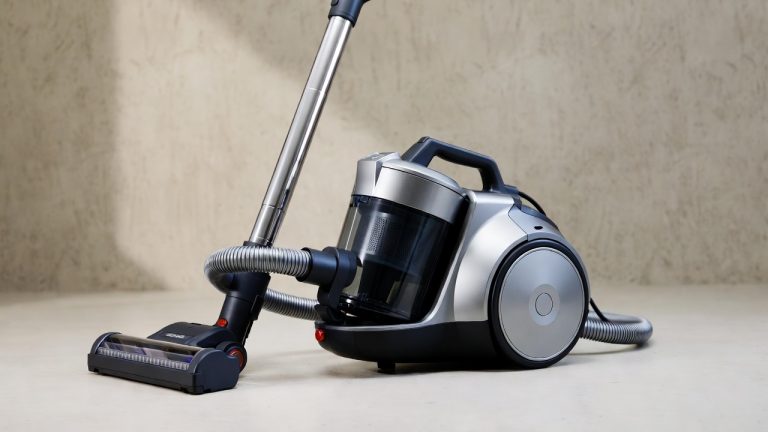
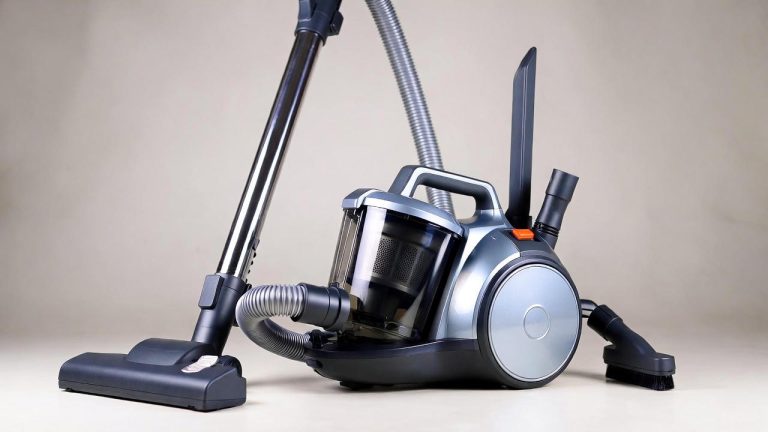
Canister vacuums
Canister vacuums have a separate canister that you pull behind you with a hose. They’re lighter and more maneuverable than upright models. They transition well between carpet and hard floors. They work great for stairs, couches, and upholstered furniture.
They cost more than upright vacuums. They’re not as powerful as some heavy-duty uprights. They can be awkward to store because the canister and hose take up space.
Cordless stick vacuums
These are the newer style that’s gotten really popular. They’re light, cordless, and convenient. You can grab them quickly for fast cleanups. They work on both carpet and hard floors. Many come with handheld attachments that work great for stairs and furniture.
The main limitation is battery life. Most cordless vacuums run for thirty to sixty minutes on a charge. If you have a large home or heavy-duty cleaning needs, this might not be enough. They also cost more than upright vacuums and often have less total suction power.
Robot vacuums
Robot vacuums clean on their own while you do other things. You set them up and let them work. They’re great for maintaining clean floors between deeper cleanings.
They don’t replace a regular vacuum for most people. They can’t handle stairs. They struggle with thick carpet. They get stuck under furniture. They work best in homes with open floor plans and mostly hard floors or low-pile carpet.
Handheld vacuums
Handheld models are compact and portable. They’re perfect for quick cleanups, car interiors, and small spaces. Some people use them as a secondary vacuum for furniture and stairs.
They’re not meant for whole-home cleaning. Battery life is limited. Suction power is lower than full-size models.
Step 5: Evaluate Key Features
Once you’ve picked a type, look at these features:
Suction power
Stronger suction picks up more dirt. But more power also means the vacuum uses more electricity and costs more. You need enough suction for your situation, but you don’t need the absolute maximum. A medium-to-high suction level works for most homes.
Brush roll design
Brush rolls are the spinning brushes that beat carpet and loosen dirt. Some models have brush rolls you can turn on and off for different floor types. Some have anti-tangle designs that keep hair from wrapping around. Some have softer bristles for delicate surfaces.
Think about what you need. Pet owners want anti-tangle. Mixed flooring needs adjustable brush rolls. Hard floor lovers want softer bristles or the ability to turn the brush off completely.
Bin capacity
How much dirt can the bin hold? Larger bins mean you empty less often. Smaller bins mean you’re stopping to empty every few minutes. If you have a big home or lots of pet hair, capacity matters.
Filter system
HEPA filters are best for allergen control. Some machines have multiple filters. Better filtration means cleaner air coming out of your vacuum. It also means the vacuum stays cleaner inside.
Attachments and tools
Most vacuums come with different attachments. Crevice tools get into corners. Brush tools work on upholstery. Extension wands help you reach high spots. Think about what you’ll actually use. More attachments don’t always mean a better vacuum if you won’t use them.
Cord length or battery life
For corded machines, longer cords mean less time hunting for outlets. Thirty feet is pretty standard. For cordless models, battery life ranges from twenty to ninety minutes. Match this to your home size.
Noise level
Look for decibel ratings. Below seventy decibels is quiet. Seventy to eighty is normal. Above eighty is loud. If noise matters to you, check reviews for this detail.
Step 6: Set Your Budget
Vacuums range wildly in price. You can get a basic upright for one hundred dollars. You can spend three thousand dollars on a high-end model. Where should you spend your money?
Here’s the honest truth: you don’t need to spend huge amounts to get a good vacuum. A mid-range model (around four to eight hundred dollars) handles most household needs. You get reliability, decent features, and something that lasts.
Spending more gets you lighter machines, better filtration, quieter operation, and longer warranties. Spending less might get you something that works but feels cheap and breaks sooner.
Think about value, not just price. A five hundred dollar vacuum you actually enjoy using beats a two hundred dollar one that sits unused because you hate it.
Step 7: Read Reviews from Real People
Online reviews are gold when choosing a vacuum. Real people share their honest experiences. They tell you what works and what doesn’t. They mention problems manufacturers don’t advertise.
Focus on recent reviews. Older reviews might describe an older model version. Look for patterns. If lots of people say the brush gets tangled, that’s a real problem. If one person complains about something random, ignore it.
Pay attention to how the manufacturer responds to negative reviews. Companies that listen and help show they care about customers.
Step 8: Think Long-Term
When you pick a vacuum, think about the next five to ten years. Will this machine hold up? Can you get replacement parts easily? Is the company likely to stick around?
Cheaper brands sometimes disappear. That leaves you without support. Well-established companies are more likely to have replacement parts available when you need them.
Check the warranty. Most good vacuums come with at least a five-year warranty. Some offer longer. A solid warranty gives you peace of mind.
Step 9: Test Before Buying If Possible
If you’re buying in a store, test the vacuum. Does it feel right? Is it too heavy? Does the handle feel comfortable? Does it maneuver easily?
If you’re buying online, check the return policy. Can you return it within thirty days if it doesn’t work for you? Some companies offer trial periods. That’s ideal because you can use it in your actual home.
Step 10: Make Your Final Decision
By now, you’ve thought through a lot. You know your flooring. You understand your household needs. You’ve picked a vacuum type. You’ve looked at features and price. You’ve read reviews.
Now trust your research. Pick the machine that hits the most important factors for you. No vacuum is perfect. But the right one for you will make cleaning easier and faster.
Common Vacuum Mistakes to Avoid
Before you pull the trigger, here are mistakes people often make:
Ignoring flooring needs
Don’t buy what your friend recommended without thinking about your own floors. Your situations are different.
Choosing only by price
The cheapest option usually isn’t the best long-term choice. Neither is the most expensive. Find the sweet spot.
Not testing for comfort
A powerful vacuum is useless if you hate using it. Comfort matters.
Forgetting about allergies
If anyone in your home has respiratory issues, don’t skip HEPA filtration. It makes a real difference.
Buying too much
You don’t need a vacuum with every possible feature. Stick to what you’ll actually use.
Overlooking noise level
A quiet vacuum that runs often beats a loud one you run at odd hours to avoid bothering people.
Final Thoughts
Picking the right vacuum is really about matching a machine to your actual life. Think about your home, your needs, and your budget. Research before you buy. Read real reviews. Test if you can. Think about the long term.
A good vacuum makes your home cleaner and your life easier. It’s worth taking time to get it right. The machine you pick will be part of your cleaning routine for years. Make sure it’s one you’ll be happy using.
Start with what you know about your home and work through each step. Before long, you’ll have a vacuum that works for you. And that makes all the difference.
Happy cleaning!
Hi, I’m Mary, the founder of Homygear.com. I’m passionate about creating a comfortable, smart, and beautiful home. I share practical insights and real-world experience on home gear that makes everyday life easier. Behind the scenes, my dedicated research team studies products in depth, and our writers craft honest reviews using trusted, authentic sources—so you can choose home gear with confidence.