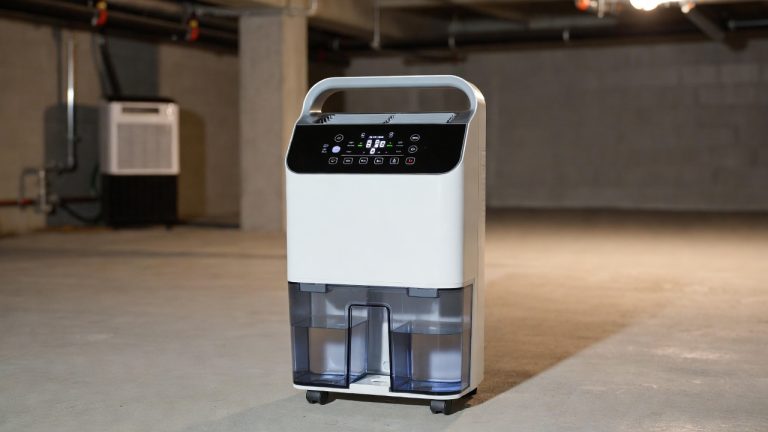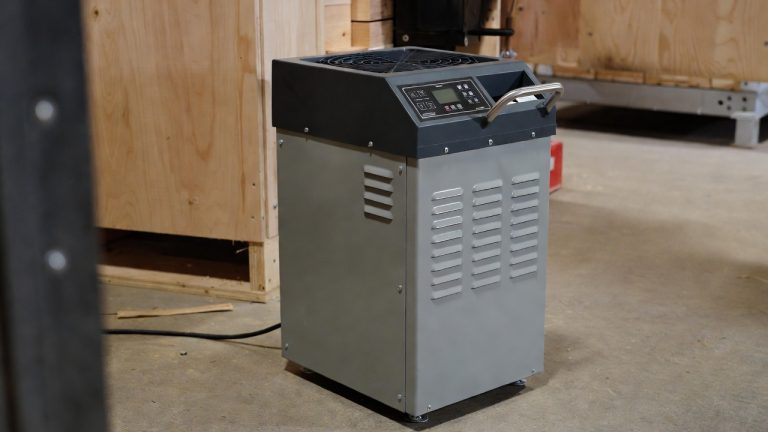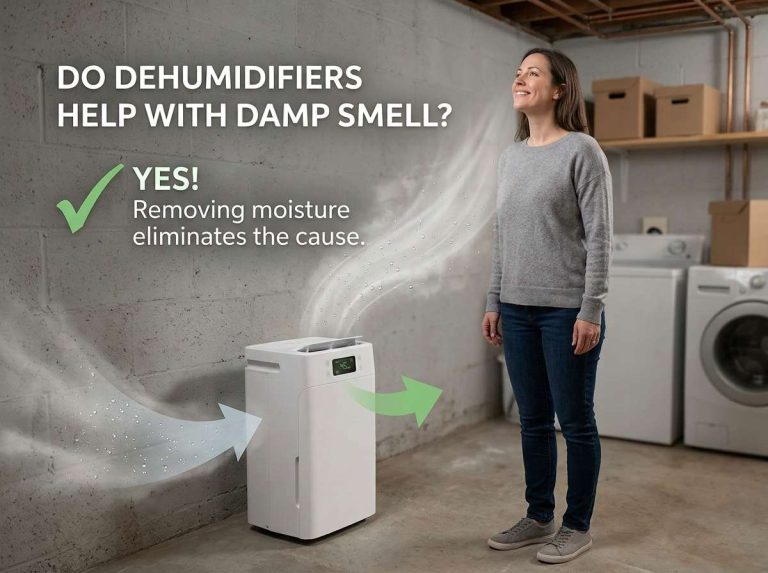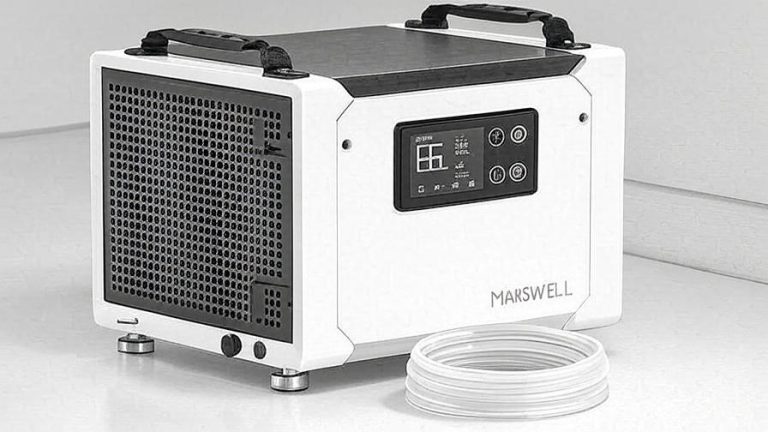

5 Best Dehumidifier for Crawl Space in Your Home In 2026
Crawl spaces are tricky. They sit right under your house, collecting moisture like a sponge collects water. The damp air down there doesn’t just stay put. It creeps up into your living areas, bringing musty smells, mold spores, and even structural damage along for the ride.
Most homeowners ignore their crawl spaces until something goes wrong. Maybe you notice a weird smell in your laundry room. Or your floors start feeling soft in certain spots. By then, moisture has already been doing its dirty work for months or even years.
Here’s the thing about crawl space moisture: regular household dehumidifiers won’t cut it. You need something tougher. Something built to handle extreme humidity levels, temperature swings, and continuous operation without breaking down.
This guide walks you through five solid options for tackling crawl space moisture. Each one brings something different to the table. Some are absolute powerhouses that can dry out massive areas. Others focus on efficiency and smart features. A few hit that sweet spot between performance and price.
I’ve broken down every important detail you need to know. No fluff, no technical jargon that makes your head spin. Just straight talk about what works, what doesn’t, and which dehumidifier makes sense for your specific situation.
By the end of this article, you’ll know exactly what to look for in a crawl space dehumidifier. You’ll understand the difference between a 70-pint unit and a 145-pint beast. And you’ll be ready to make a smart purchase that protects your home for years to come.
Let’s dive in and find the right moisture solution for your crawl space.
Why Crawl Space Dehumidifiers Are Different From Regular Models
Regular dehumidifiers work great in bedrooms and living rooms. But crawl spaces are a whole different beast. The humidity levels down there can hit 80% or even higher. Temperatures swing from freezing in winter to sweltering in summer. Dust, dirt, and debris coat everything.
A standard home dehumidifier would quit on you in a few weeks under these conditions. Crawl space units are built like tanks. They use heavier components, better drainage systems, and filters designed to handle dirty air. They also run continuously for months without needing a reset.
The moisture removal capacity matters too. A bedroom dehumidifier might pull 30 or 50 pints per day. Crawl space models start at 70 pints and go up from there. This extra muscle makes a real difference when you’re fighting serious humidity problems.
Auto-defrost becomes critical in crawl spaces. When temperatures drop, moisture freezes on the coils. Without auto-defrost, the unit stops working. Crawl space dehumidifiers handle this automatically, switching modes to melt ice buildup and keep operating.
1.WORKPRO 145 Pint Commercial Dehumidifier – The Heavy Duty Champion
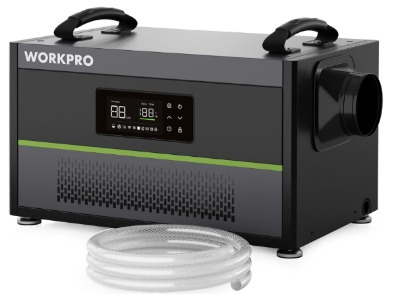
The WORKPRO 145-pint model is an absolute workhorse. This machine doesn’t mess around when it comes to removing moisture from large crawl spaces.
Product Overview
This commercial-grade unit pulls up to 145 pints of water per day. That’s nearly 18 gallons in 24 hours. The coverage area reaches 6,000 square feet, making it suitable for large homes or even small commercial buildings. The rugged construction and industrial-grade components mean this dehumidifier can handle tough environments without breaking a sweat.
Best Use Cases
This unit shines in extra-large crawl spaces where moisture problems have gotten out of hand. If your crawl space spans most of your house footprint, this is your machine. It also works brilliantly in basements, warehouses, and garages where high humidity causes ongoing problems.
Water damage restoration teams love this model. After a flood or major leak, you need serious moisture removal power. The 145-pint capacity helps dry things out fast, preventing mold growth and structural damage.
Key Features Broken Down
The drain hose connection eliminates the need to empty a bucket. You run the hose to a floor drain or sump pump, and the dehumidifier handles the rest. This continuous drainage system means truly hands-off operation.
Memory starting is smarter than it sounds. When power goes out during a storm, the unit automatically restarts when power comes back on. You don’t need to climb down into your crawl space to press any buttons.
The washable filter saves money over time. Instead of buying replacement filters, you just rinse this one off every few weeks. It takes about five minutes and keeps the unit running efficiently.
Automatic defrost sensors monitor the coils constantly. When ice starts forming, the unit switches to defrost mode. The ice melts off, then normal operation resumes. All of this happens without any input from you.
Real-Life Performance
This machine moves serious amounts of water. In a damp crawl space with standing water problems, you’ll see real results within the first day. The humidity level drops noticeably, and that musty smell starts fading.
The unit runs quietly for its size. You’ll hear it if you’re standing right next to it, but the noise doesn’t travel up into living spaces. Most people forget it’s even running once they close the crawl space access door.
Temperature tolerance is impressive. This dehumidifier keeps working in conditions that would shut down lesser units. Cold mornings, hot afternoons, and everything in between – it just keeps pulling moisture.
Honest Pros and Cons
Pros:
- Massive 145-pint capacity handles severe moisture problems
- 6,000 square foot coverage area works for large spaces
- Commercial-grade durability means long service life
- Continuous drain system eliminates bucket emptying
- Memory restart protects against power outages
- Washable filter reduces ongoing costs
- Auto-defrost works reliably in cold conditions
Cons:
- Higher price point than smaller units
- Larger physical size requires more installation space
- Uses more electricity than lower-capacity models
- Might be overkill for small crawl spaces under 2,000 square feet
Value Assessment
This dehumidifier costs more upfront, no question. But consider what you’re getting. The extreme capacity means you won’t need to upgrade later if your moisture problems worsen. The commercial build quality suggests this unit will last for many years.
For large crawl spaces or serious moisture issues, the investment makes sense. You’re protecting your home’s foundation, floor joists, and air quality. That’s worth paying for reliable equipment that actually solves the problem.
2.CADPXS 125 Pint Commercial Dehumidifier – The Reliable Performer

The CADPXS 125-pint model strikes a nice balance between power and practicality. It brings serious moisture removal without the massive footprint of larger units.
Product Overview
This commercial dehumidifier removes up to 125 pints daily. That’s enough punch to handle most residential crawl spaces and many commercial applications. The unit holds certifications from cETL, which means it meets strict safety and performance standards.
Best Use Cases
This model fits perfectly in medium to large crawl spaces. If your home sits on a full crawl space foundation, this unit probably has you covered. It also works great in basements that double as storage areas or workshop spaces.
Water damage situations benefit from this capacity level. After a plumbing leak or flooding event, you need fast moisture removal. The 125-pint capacity helps prevent secondary damage from lingering humidity.
Key Features Explained
The drain hose system connects easily to existing drainage. You can run the hose to a floor drain, outside through a vent, or into a sump pump basin. The gravity-fed drainage works as long as the drain point sits lower than the dehumidifier.
Auto-defrost protection keeps the unit running when temperatures drop. Ice buildup on the coils triggers the defrost cycle automatically. The unit melts the ice, then returns to normal moisture removal.
Memory restart functionality means set-it-and-forget-it operation. After a power interruption, the dehumidifier comes back on with your previous settings. You don’t need to reconfigure anything.
The cETL listing provides peace of mind. This certification means the unit passed independent testing for electrical safety and performance. It’s not just marketing hype.
Day-to-Day Use
This dehumidifier pulls moisture consistently day after day. You’ll notice the difference in your crawl space within a week. Surfaces that felt damp to the touch dry out. Standing water puddles disappear.
The unit handles temperature fluctuations well. Spring mornings when it’s 45 degrees, summer afternoons when it hits 90 – the dehumidifier keeps working. You won’t get error codes or shutdowns from normal seasonal changes.
Energy consumption sits at reasonable levels for this capacity. You’ll see your electric bill go up, but not as much as you might fear. The efficient compressor and fan design help keep operating costs manageable.
Honest Pros and Cons
Pros:
- Strong 125-pint capacity handles most residential needs
- cETL certification confirms safety and performance standards
- Drain hose included for continuous operation
- Auto-defrost works reliably across temperature ranges
- Memory restart eliminates manual intervention after power loss
- Good build quality suggests long-term durability
- Reasonable price for the capacity level
Cons:
- No built-in pump means you need gravity drainage
- Physical size might challenge tight crawl space entry points
- Filter access could be easier for routine cleaning
- Some noise during high-intensity operation
Value Perspective
This dehumidifier delivers solid performance at a fair price. You’re not paying for the absolute highest capacity, which saves money. But you’re still getting commercial-grade construction and features that matter.
For most homeowners dealing with crawl space moisture, this capacity level hits the sweet spot. It’s enough power to solve real problems without unnecessary overkill.
3.ALORAIR 120 PPD Crawl Space Dehumidifier – The Professional Grade Option
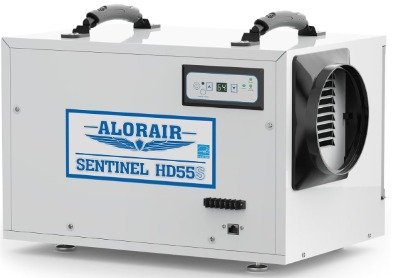
ALORAIR built a reputation on crawl space and basement dehumidifiers. This 120-pint model represents their core expertise in moisture control.
Product Overview
This unit removes 120 pints per day under optimal conditions. The design focuses specifically on crawl space environments, with features tailored to underground installations. The cETL listing confirms it meets professional installation standards.
Best Use Cases
Professional contractors and restoration companies use ALORAIR units regularly. That tells you something about reliability and performance. This model works brilliantly in crawl spaces where you need dependable operation without constant monitoring.
Homes with persistent moisture problems benefit from this unit’s steady performance. If you’ve tried lesser dehumidifiers and still have issues, stepping up to this level often solves the problem for good.
Key Features Simplified
The commercial-grade compressor handles continuous operation without overheating. Many cheaper units use residential compressors that need break periods. This one just keeps running.
Auto-defrost monitoring happens constantly. Sensors check coil temperature many times per second. When ice starts forming, the unit responds immediately. This prevents the frost buildup that kills moisture removal efficiency.
The robust housing protects internal components from crawl space hazards. Dust, debris, and moisture in the air don’t reach sensitive electrical parts. This protection extends the unit’s working life significantly.
Real-World Performance
This dehumidifier maintains consistent moisture removal rates. You won’t see big fluctuations in performance from day to day. It just steadily pulls water out of the air, hour after hour.
The unit handles dirty crawl space air well. Even in spaces with exposed dirt floors, the filter keeps debris out of the internal components. Regular filter cleaning keeps everything running smoothly.
Temperature stability is excellent. This machine keeps working when others quit. Early spring when temperatures bounce between freezing and warm, this unit doesn’t miss a beat.
Honest Pros and Cons
Pros:
- Proven 120-pint capacity from respected brand
- Design optimized specifically for crawl space conditions
- Commercial compressor built for continuous operation
- Excellent auto-defrost system handles cold conditions
- Durable housing protects against crawl space environment
- cETL listing confirms professional-grade standards
- Strong reputation among contractors and restoration pros
Cons:
- Premium pricing reflects professional-grade construction
- Drain hose sold separately on some vendor listings
- Heavier weight makes solo installation more challenging
- Limited onboard controls compared to some competitors
Value Analysis
You pay more for an ALORAIR unit than budget alternatives. What you get is peace of mind. This brand stands behind their products, and the construction quality backs up the warranty.
For homeowners who want a professional-level solution without cutting corners, this model delivers. The reliability factor alone justifies the cost difference.
4.70 Pint Energy Star Compact Dehumidifier – The Efficiency Expert

This 70-pint model takes a different approach. Instead of maximum capacity, it focuses on efficiency and smart operation.
Product Overview
The 70-pint daily capacity might seem modest compared to larger units. But this dehumidifier makes up for lower capacity with excellent energy efficiency. The Energy Star certification means it uses less electricity per pint of moisture removed.
Best Use Cases
Smaller crawl spaces under 2,000 square feet work perfectly with this unit. If your home sits on a partial crawl space or you’re only treating a section, this capacity level handles the job.
Homeowners concerned about operating costs appreciate the efficiency focus. Over a year of continuous operation, the energy savings add up to real money.
Key Features Made Simple
Energy Star certification isn’t just a sticker. It means this unit meets strict efficiency guidelines set by the EPA. You’re pulling the same moisture while using less electricity.
The compact design fits through standard crawl space access points easily. Many high-capacity units barely squeeze through openings. This one slides in without drama.
Automatic defrost protection works just like larger units. The system monitors coil temperature and prevents ice buildup that kills efficiency.
The drain hose connection allows continuous operation. You connect the hose, route it to drainage, and the dehumidifier runs indefinitely.
Daily Operation
This unit runs quieter than most crawl space dehumidifiers. The smaller compressor and optimized airflow create less noise. If your crawl space access sits inside your home, you’ll appreciate the quieter operation.
Moisture removal happens steadily throughout the day. You won’t see dramatic humidity drops in the first few hours. But over several days, the cumulative effect becomes obvious.
The lower power draw means you can run this unit without worrying about overloading circuits. Most crawl spaces don’t have dedicated electrical circuits. This dehumidifier works fine on shared circuits.
Honest Pros and Cons
Pros:
- Energy Star certification reduces operating costs
- Compact size fits through tight access points easily
- Lower power consumption works on shared electrical circuits
- Quieter operation than high-capacity units
- Drain hose included for continuous use
- Auto-defrost handles cold conditions
- Good value for smaller crawl spaces
Cons:
- 70-pint capacity insufficient for large spaces
- May struggle with severe moisture problems
- Takes longer to dry out damp crawl spaces initially
- Less robust construction than commercial units
Value Proposition
This dehumidifier makes sense when you don’t need extreme capacity. The energy savings over time offset the lower initial cost. For the right-sized crawl space, it solves moisture problems without breaking your budget.
The efficiency angle matters if you’re running the unit year-round. The difference between this model and a power-hungry alternative can hit $100 or more annually in electricity costs.
5.CADPXS 80 Pint Dehumidifier with Pump – The Smart Solution

This CADPXS model adds a crucial feature many crawl spaces need: a built-in pump. This changes everything about drainage options.
Product Overview
The 80-pint capacity sits in the middle range. It’s more than entry-level units but less than commercial powerhouses. The real story here is the integrated pump that pushes water upward to drainage points.
Best Use Cases
Crawl spaces without gravity drainage benefit hugely from the pump. If your floor drain sits higher than the dehumidifier, or you don’t have a nearby drain at all, the pump solves the problem.
This unit works great in crawl spaces where the lowest point sits away from drainage. The pump can push water 15 feet vertically and even further horizontally. You can drain to a bathroom, laundry room sink, or outside through a small hole.
Key Features Decoded
The integrated pump eliminates the need for gravity drainage. Water flows into the internal tank, then the pump automatically pushes it through a hose to your chosen drain point. You don’t need to do anything.
The 1,000 square foot coverage area fits many residential crawl spaces perfectly. If your crawl space runs under half your home or so, this capacity should handle it.
Auto-defrost protection maintains performance in cold conditions. The system detects ice formation and switches to defrost mode automatically.
Memory start brings the unit back online after power outages. Your settings stay in place, and operation resumes without intervention.
The cETL certification confirms this unit meets safety standards. The pump component passed the same rigorous testing as the dehumidifier itself.
Performance in Practice
The pump makes a huge difference in real-world use. You can place this dehumidifier anywhere in your crawl space, even far from drainage. The pump handles the rest.
Moisture removal at 80 pints daily handles most moderate humidity problems. If you’re dealing with ongoing dampness rather than severe flooding, this capacity level works well.
The unit operates reliably day after day. The pump cycles on when the internal reservoir fills, then shuts off automatically. The whole process runs without supervision.
Honest Pros and Cons
Pros:
- Built-in pump eliminates gravity drainage requirement
- Can drain upward up to 15 feet
- 80-pint capacity suits medium crawl spaces well
- cETL certification includes pump component
- Auto-defrost and memory start provide hands-off operation
- Drain hose included with purchase
- Covers up to 1,000 square feet effectively
Cons:
- Pump adds another component that could need service
- Mid-range capacity might not handle severe moisture
- Slightly higher price than non-pump models
- Pump operation creates additional noise
Value Judgment
The pump feature justifies the price premium for many homeowners. Without it, you might need to hire a plumber to create gravity drainage. That costs more than the price difference between pump and non-pump models.
For crawl spaces where drainage presents challenges, this unit offers the best solution. You get moderate capacity plus the flexibility to drain anywhere.
Comparison Insights: How These Units Stack Up
Now that you’ve seen each dehumidifier individually, let’s put them side by side.
Capacity Comparison
The WORKPRO 145-pint unit dominates for raw power. If you have a massive crawl space or severe moisture issues, nothing else on this list matches it. The CADPXS 125-pint and ALORAIR 120-pint models cluster together in the high-capacity range. They handle large spaces well without the extreme capacity of the WORKPRO.
The 70-pint Energy Star model and 80-pint CADPXS with pump serve smaller to medium crawl spaces. They save energy and cost less but can’t match the moisture removal of larger units.
Feature Breakdown
All five models include auto-defrost and drain hose connections. These features are essential for crawl space use, so it’s good to see universal coverage.
Only one unit includes a pump – the 80-pint CADPXS. This makes it unique for situations where gravity drainage won’t work.
Energy Star certification appears on just the 70-pint compact model. If efficiency matters more than capacity, this is your pick.
All models except the compact 70-pint unit carry cETL listings. This certification matters more for commercial installations but provides quality assurance for residential use too.
Price and Value Tiers
The WORKPRO 145-pint sits at the top of the price range. You’re paying for maximum capacity and commercial construction. The ALORAIR 120-pint commands premium pricing too, backed by brand reputation.
The CADPXS units (125-pint and 80-pint with pump) hit the middle ground. You get solid performance without extreme pricing.
The 70-pint Energy Star model comes in as the budget-friendly option. Lower capacity means lower cost, but you sacrifice power.
Coverage Area Reality Check
Manufacturers list coverage areas under ideal conditions. Real-world performance varies based on your specific moisture problems.
The WORKPRO’s 6,000 square foot rating works for truly massive crawl spaces. Most residential crawl spaces fall well below this threshold.
The 80-pint CADPXS lists 1,000 square feet. This fits typical crawl spaces in homes from 1,500 to 2,500 square feet of living space.
The other models fall somewhere between these extremes. Your actual mileage depends on how humid your crawl space runs.
Complete Buying Guide: What to Look for in a Crawl Space Dehumidifier
Assessing Your Moisture Removal Needs
Start by measuring your crawl space. Length times width gives you square footage. This number guides your capacity decision.
Next, evaluate your moisture problem severity. Do you see occasional dampness, or is there standing water? Light moisture issues need less capacity. Serious wetness demands high-capacity units.
Check your crawl space temperature range. If it drops below 65 degrees regularly, auto-defrost becomes critical. All the units reviewed here include this feature, but it’s worth verifying on any dehumidifier you consider.
Drainage Considerations
Look for your nearest floor drain or sump pump. If you have gravity drainage available, any unit with a drain hose works fine.
No drainage nearby? The 80-pint CADPXS with pump solves this problem. Otherwise, you’ll need to install drainage before setting up a dehumidifier.
Measure the distance and elevation change to your drain point. Gravity drainage needs the drain to sit lower than the dehumidifier. Pumped drainage can go upward but has height limits.
Power and Efficiency Factors
Check your crawl space electrical situation. Do you have a dedicated outlet down there? What’s the circuit capacity?
Higher-capacity dehumidifiers draw more power. Make sure your electrical service can handle the load. The 70-pint Energy Star model uses less electricity, which matters for long-term operating costs.
Calculate estimated annual operating costs. Take the unit’s wattage, multiply by hours per day, then multiply by your electricity rate. This gives you a realistic cost picture.
Installation Space Requirements
Measure your crawl space access point. Many access doors or hatches run 18 to 24 inches. Larger dehumidifiers might not fit through.
Check the height of your crawl space too. Some areas only have 2 or 3 feet of clearance. Make sure the dehumidifier fits with room for airflow.
Leave space around the unit for maintenance. You’ll need to clean filters and check hoses periodically. Don’t jam the dehumidifier into a tight corner where you can’t reach it.
Build Quality Indicators
Look for metal housing rather than all-plastic construction. Metal holds up better in crawl space environments.
Check the compressor type. Commercial or rotary compressors last longer than residential piston types.
Examine the drain connections. Quality units use brass or stainless fittings. Cheap plastic fittings can crack over time.
Filter accessibility matters for maintenance. You should be able to remove and clean the filter without tools.
Warranty and Support
A good warranty suggests the manufacturer stands behind their product. Look for at least one year coverage on parts and labor.
Some brands offer extended warranties on the compressor. This component costs the most to replace, so extra coverage helps.
Check if customer support is available. You might need help with setup or troubleshooting. Responsive support makes ownership easier.
Who Should Buy Each of These Dehumidifiers
The WORKPRO 145 Pint is Right For
Homeowners with crawl spaces over 4,000 square feet need this capacity. If your crawl space spans your entire home footprint and your home is large, this unit makes sense.
Anyone dealing with severe water intrusion should consider this model. After major flooding or in areas with high water tables, you need serious moisture removal power.
Property managers overseeing multiple units or commercial spaces benefit from this industrial-grade construction. The durability justifies the investment for professional applications.
The CADPXS 125 Pint Works Best For
Homes with large crawl spaces in the 2,500 to 4,500 square foot range fit this capacity well. It’s enough power for serious moisture control without overkill.
Homeowners who want commercial-grade reliability at a reasonable price point will appreciate this model. You get professional features without extreme pricing.
Anyone living in humid climates where moisture is a year-round issue needs this level of capacity. The unit handles constant high humidity without struggling.
The ALORAIR 120 PPD Suits
People who value brand reputation and proven performance should consider ALORAIR. The company specializes in moisture control, and this experience shows.
Homeowners working with contractors on moisture remediation often end up with this brand. Pros trust it, which says something about reliability.
Anyone who wants a set-it-and-forget-it solution benefits from this unit’s robust construction. It runs reliably for years with minimal intervention.
The 70 Pint Energy Star Model Fits
Homeowners with smaller crawl spaces under 1,500 square feet can save money with this unit. You don’t need more capacity, so why pay for it?
People concerned about environmental impact appreciate the Energy Star efficiency. You’re solving your moisture problem while using less energy.
Anyone dealing with mild to moderate dampness rather than severe wetness will find this capacity adequate. It maintains healthy humidity levels once you’ve solved major moisture sources.
The CADPXS 80 Pint with Pump is Perfect For
Homeowners without existing drainage options need this pump feature. It’s the most practical solution when gravity drainage isn’t feasible.
People with crawl spaces where the dehumidifier must sit far from drains benefit from the pump’s flexibility. You can place the unit wherever it works best.
Anyone who wants mid-range capacity with maximum installation flexibility should choose this model. The pump removes limitations other units face.
Common Mistakes to Avoid When Buying and Installing
Underestimating Capacity Needs
Many homeowners buy the cheapest unit available, assuming all dehumidifiers work the same. A 50-pint model might work in a bedroom, but crawl spaces need more power.
Calculate your actual space and moisture level. Then buy the appropriate capacity. Going too small means the unit runs constantly, wears out fast, and never really solves the problem.
Ignoring Drainage Planning
Some people buy a dehumidifier before figuring out where water will drain. Then they’re stuck emptying buckets in their crawl space – a task that never happens consistently.
Plan your drainage before purchase. If you don’t have gravity drainage, buy a unit with a pump. Don’t make drainage an afterthought.
Overlooking Electrical Requirements
High-capacity dehumidifiers pull significant power. Plugging one into an overloaded circuit causes breaker trips and potential fire hazards.
Check your crawl space electrical setup before buying. You might need an electrician to install a dedicated circuit. Factor this cost into your budget.
Improper Placement in the Crawl Space
Tucking the dehumidifier into a far corner might seem tidy, but it reduces effectiveness. Air needs to circulate around the unit.
Place the dehumidifier centrally if possible. Keep at least 12 inches of clearance on all sides. This allows proper airflow and makes maintenance easier.
Skipping Regular Maintenance
Dehumidifiers need filter cleaning. Neglecting this simple task reduces efficiency and shortens equipment life.
Set a reminder to check and clean the filter monthly. It takes five minutes and keeps your unit running well.
Forgetting About Temperature Limitations
Even units with auto-defrost have lower temperature limits. Operating below these limits causes problems.
Check the manufacturer’s minimum operating temperature. If your crawl space gets colder than this, you might need supplemental heat or seasonal shutdown.
Buying Based on Price Alone
The cheapest dehumidifier rarely proves to be the best value. Low-quality units fail quickly, especially in harsh crawl space environments.
Focus on getting the right capacity and features for your situation. A quality unit that lasts years costs less than replacing cheap units repeatedly.
Installation and Setup Tips for Best Results
Preparing Your Crawl Space
Before installing any dehumidifier, address obvious water sources. Fix plumbing leaks, improve exterior drainage, and install vapor barriers if needed.
Clean the installation area. Remove debris that could block airflow or get sucked into the unit.
Optimal Dehumidifier Positioning
Place the unit on a level surface. Many dehumidifiers won’t drain properly if tilted.
Position it centrally for even humidity control throughout the space. If your crawl space is long and narrow, placement becomes more critical.
Keep the unit away from walls and obstructions. Air needs to flow freely into the intake and out of the exhaust.
Drainage Setup
For gravity drainage, use the provided hose or buy reinforced drain hose. Cheap vinyl tubing can kink or collapse.
Create a gradual downward slope from the dehumidifier to the drain point. Avoid low spots where water can pool.
For pumped drainage, route the hose as directly as possible to the drain point. Unnecessary bends and loops reduce pump efficiency.
Electrical Connections
Use a dedicated outlet if available. Don’t daisy-chain extension cords or power strips.
Elevate the electrical connection above floor level if possible. This protects against water contact in flooding situations.
Consider a surge protector designed for appliances. Power surges can damage compressor controls.
Initial Operation
Run the dehumidifier on high for the first few days. This helps dry out existing moisture faster.
Monitor humidity levels with a hygrometer. You’re aiming for 50-55% relative humidity in your crawl space.
Check the drain hose daily for the first week. Make sure water flows properly and connections don’t leak.
Ongoing Monitoring
Visit your crawl space monthly to check the dehumidifier. Look for unusual noises, vibrations, or error codes.
Clean the filter as recommended by the manufacturer. This simple task prevents most performance problems.
Inspect drain hoses twice a year. Replace any hoses showing cracks, kinks, or algae buildup.
Final Verdict: Which Dehumidifier Wins
There’s no single “best” dehumidifier for every crawl space. The right choice depends on your specific situation.
For maximum power and large spaces, the WORKPRO 145 Pint delivers unmatched capacity. If you have a massive crawl space or severe moisture problems, this unit solves them. The commercial construction and 6,000 square foot coverage make it the go-to for serious situations. Yes, it costs more. But you’re buying a solution that actually works rather than a stopgap measure.
The CADPXS 125 Pint strikes the best balance for most homeowners. It brings commercial-grade performance without the extreme price tag. The capacity handles large crawl spaces well, and the cETL certification provides quality assurance. For typical residential moisture problems in medium to large crawl spaces, this model hits the sweet spot.
ALORAIR’s 120 PPD model earns top marks for reliability. The brand’s focus on moisture control shows in the thoughtful design. If you want a unit that runs trouble-free for years, this is your pick. Contractors trust this brand, and that trust comes from real-world performance.
The 70 Pint Energy Star model wins on efficiency. For smaller crawl spaces where capacity isn’t the main concern, this unit saves money every month. The lower operating costs add up over years of use. It’s proof that bigger isn’t always better.
The CADPXS 80 Pint with Pump solves a specific problem brilliantly. When drainage presents challenges, the integrated pump opens up installation options. The mid-range capacity works for many homes, and the pump flexibility is worth the price premium.
Here’s my straight advice: measure your crawl space, assess your moisture problem severity, and check your drainage situation. Those three factors tell you which dehumidifier fits your needs.
Small crawl space with mild dampness? The 70-pint model saves you money.
Medium crawl space with persistent humidity? The CADPXS 125-pint or ALORAIR 120 PPD handle it well.
No drainage available? The 80-pint CADPXS with pump is your only practical choice.
Massive space or severe water problems? The WORKPRO 145-pint is worth every penny.
Don’t overthink this decision. Get the right capacity for your space, make sure you can drain the water, and buy a quality unit. Your crawl space will thank you with dry air, no musty smells, and structural protection for years to come.
The investment in a proper crawl space dehumidifier protects your entire home. Floor joists stay solid. Mold stays away. Air quality improves. Energy efficiency increases because you’re not trying to cool or heat damp air.
Stop putting off this decision. Moisture damage gets worse every month you wait. Pick the dehumidifier that matches your situation, install it properly, and let it do its job. Your crawl space – and your whole house – will be better for it.

Hi, I’m Mary, the founder of Homygear.com. I’m passionate about creating a comfortable, smart, and beautiful home. I share practical insights and real-world experience on home gear that makes everyday life easier. Behind the scenes, my dedicated research team studies products in depth, and our writers craft honest reviews using trusted, authentic sources—so you can choose home gear with confidence.