
How Long Should You Run a Dehumidifier?
If you’re dealing with excess moisture in your home, a dehumidifier can be a game-changer. But once you bring one home, you might wonder: how long should you actually run it? The answer isn’t always straightforward because it depends on several factors. Let’s dive into everything you need to know about dehumidifier runtime and get you running yours the right way.
What Does a Dehumidifier Actually Do?
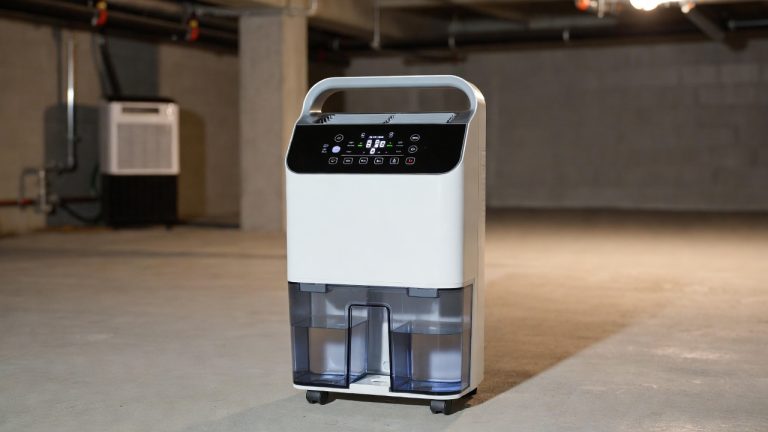
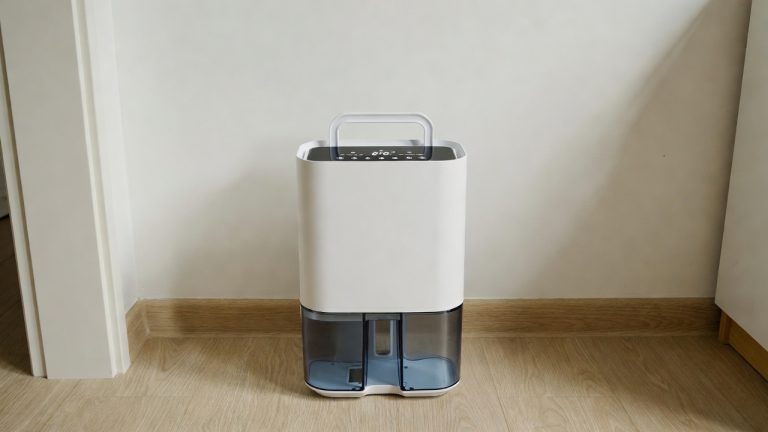
A dehumidifier removes moisture from the air in your home. When humidity levels get too high, you’ll notice musty smells, damp walls, and maybe even mold starting to grow. Your dehumidifier works hard to pull that extra water vapor out of the air and collect it in a tank or drain it away. Understanding how your dehumidifier works helps you figure out how long to run it.
The machine pulls in humid air, cools it down (which makes water condense), and then releases the dry air back into your room. It’s like giving your home a way to breathe again. The longer you run it, the more moisture it removes, but you don’t always need to run it all day and all night.
How Long Should You Run a Dehumidifier Daily?
The simple answer is: most people should run their dehumidifier between 8 to 12 hours per day. However, your specific situation might need more or less time than this general rule.
If you have a serious moisture problem, you might need to run it 24 hours a day for the first week or two. Once humidity levels drop to normal, you can cut back to 8 to 12 hours daily. Some folks find that running their dehumidifier during the day works better, while others prefer running it at night when humidity tends to be higher.
The key is watching your humidity levels. If your air feels damp or smells musty, your dehumidifier needs to work longer. Once the air feels fresh and dry, you can back off and run it less.
Factors That Change Your Dehumidifier Runtime
Not every home needs the same dehumidifier schedule. Several things affect how long yours should run.
Climate and Season
Where you live makes a huge difference. If you’re in a humid climate, your dehumidifier will need to run more hours per day than someone in a dry area. Coastal regions, areas near lakes, and places with frequent rain all push humidity levels higher.
The season matters too. Summer humidity is typically much higher than winter humidity. You might run your dehumidifier 12 hours daily in summer but only 4 to 6 hours in winter. Spring and fall usually fall somewhere in the middle.
Size of Your Space
A dehumidifier designed for a small bedroom won’t work as hard as one built for a basement. If your dehumidifier is too small for your space, it will need to run much longer to make a dent in humidity levels. If it’s the right size, it can handle the job in fewer hours.
Always check your dehumidifier’s specifications to see what square footage it covers. A unit rated for 1,500 square feet will work much faster than one rated for 500 square feet when used in the same large basement.
Current Humidity Levels
The higher your humidity level, the longer your dehumidifier needs to run. If your home sits at 70% humidity, it needs to work much harder than if you’re at 50% humidity. You can check humidity with a simple, cheap device called a hygrometer.
The ideal humidity level for most homes is between 30% and 50%. If you’re above that range, your dehumidifier has real work to do. If you’re below it, you don’t need to run the machine much at all.
Water Extraction Rate
Every dehumidifier has a water extraction rating, usually measured in pints per day. This tells you how much moisture the machine can remove in 24 hours under specific conditions. A unit that pulls 50 pints per day works faster than one that pulls 30 pints per day.
Higher extraction rates mean your dehumidifier can lower humidity faster, so you might need to run it fewer hours. Lower extraction rates mean longer run times are needed to achieve the same humidity reduction.
Air Circulation in Your Home
How air moves through your space affects humidity. Rooms with poor air circulation stay damper longer. If air can’t flow freely, moisture gets trapped in corners and against walls. Running your dehumidifier longer in these areas helps push humidity down.
You can improve air circulation by opening doors, running ceiling fans, or even cracking a window. Better airflow means your dehumidifier doesn’t have to work quite as long.
Sources of Moisture
What’s causing the moisture in your home? Bathroom showers, kitchen cooking, laundry drying inside, and wet basements all add moisture to the air. The more moisture sources you have, the longer your dehumidifier needs to run.
If you’re drying clothes indoors or taking long showers without ventilation, your dehumidifier will need extra hours to keep up. Fixing moisture sources (like improving ventilation) helps reduce the workload.
Dehumidifier Runtime for Different Rooms
Different rooms in your home have different humidity needs.
Basements
Basements are moisture magnets. Water seeps through concrete, and they often stay cool and dark, which traps humidity. Most basement owners should run their dehumidifier 12 to 24 hours daily, especially during spring and summer.
If you have a wet basement with active water intrusion, 24-hour operation might be necessary. For damp basements without active leaks, 12 to 16 hours daily usually works fine.
Bathrooms
Bathrooms get wet every time someone showers. A good exhaust fan can pull moisture away, but if you don’t have one or it doesn’t work well, humidity builds fast. Running a dehumidifier in a bathroom for 2 to 4 hours after showers helps keep mold away.
You don’t need to run it all day in a bathroom. Just run it long enough after bathing to pull excess moisture out of the air. A timer works great for this purpose.
Bedrooms
Bedrooms typically don’t need as much dehumidification as bathrooms or basements. Most people run a bedroom dehumidifier for 4 to 8 hours daily, usually at night when humidity tends to creep up. This keeps the room fresh without wasting energy.
Living Rooms and Kitchens
These central spaces don’t usually need constant dehumidification unless you live in an extremely humid climate. Running a dehumidifier for 4 to 6 hours daily usually keeps humidity at healthy levels.
Kitchens do create moisture when you cook, so you might need longer run times if you cook frequently. Using your range hood fan during cooking helps reduce the load on your dehumidifier.
Signs Your Dehumidifier Isn’t Running Long Enough
If you’re not running your dehumidifier long enough, you’ll notice several warning signs. Musty smells in rooms or closets mean moisture is still too high. Visible moisture on windows, damp spots on walls, and sticky air all signal that your dehumidifier needs more runtime.
Mold or mildew growth in corners or on walls is the biggest red flag. Once you see mold, you’re past the point of just needing a longer dehumidifier runtime. You’ll need to clean the mold and increase dehumidification time significantly.
Condensation on windows happens when indoor air is much warmer than the glass and humidity is high. If you’re seeing this regularly, your dehumidifier isn’t keeping up.
Signs You’re Running It Too Long
You can run a dehumidifier too much, though it’s less common than running it too little. If your home feels uncomfortably dry, with cracked skin, dry throat, or static electricity shocks, your dehumidifier might be working overtime.
Humidity below 30% is actually too dry for most people. Your skin dries out, your throat gets scratchy, and wood furniture can split. If your humidity drops below 30%, cut back on dehumidifier runtime.
Also, running a dehumidifier longer than needed wastes energy and money. If humidity is already at healthy levels, there’s no reason to keep the machine running.
The Ideal Humidity Range
Maintaining humidity between 30% and 50% is the sweet spot for most homes. This range prevents mold and mildew from growing while keeping the air comfortable for breathing and living.
In winter, indoor humidity naturally drops because cold air holds less moisture. You might only need to run a dehumidifier a few hours daily or maybe not at all. In summer, you’ll likely run it much longer.
A hygrometer costs just a few dollars and takes the guesswork out of knowing when to run your dehumidifier. You can find them at hardware stores or online. Check it regularly to adjust your runtime accordingly.
Tips for Optimal Dehumidifier Performance
Running your dehumidifier the right amount is important, but how you run it matters too.
Empty the Water Tank Regularly
If your dehumidifier has a collection tank, empty it regularly. A full tank can actually stop the machine from collecting more moisture. Check your tank daily if you’re running it 12+ hours per day. For shorter runtimes, checking every few days might be enough.
Use a Continuous Drain Option
Many dehumidifiers allow you to attach a drain hose. This way, water drains automatically to a floor drain, sink, or outside instead of filling a tank. If your dehumidifier has this option, use it. It means you don’t have to empty the tank constantly.
Keep Doors and Windows Closed
Running a dehumidifier with windows or doors open is like bailing out a boat with a hole in the bottom. Humid air keeps flowing in from outside. Keep your space sealed to let the dehumidifier do its job.
Don’t Block Air Vents
The dehumidifier pulls in air from one side and releases it from another. Don’t place it in a corner or block its vents with furniture or walls. Leave at least 6 inches of space around all sides for proper airflow.
Use a Timer
A timer takes the guesswork out of when to run your dehumidifier. Set it to turn on and off at the same times each day. This builds a routine and helps you use energy efficiently.
Run It Before Humidity Gets Out of Control
Don’t wait until your home smells musty to turn on the dehumidifier. Run it preventatively during humid seasons. This stops humidity from getting too high in the first place.
Combine with Proper Ventilation
A dehumidifier works best alongside good ventilation. Use exhaust fans in bathrooms and kitchens. Open windows on cool, dry days. Improve air circulation with fans. These steps reduce the total workload on your dehumidifier.
How Often to Check Your Dehumidifier
Check your dehumidifier regularly to make sure it’s working right. Listen for unusual noises. If the motor sounds different or you hear grinding sounds, something might be wrong.
Look at the humidity readings if your unit has a display. The humidity should be dropping if the machine is working properly. If humidity stays high despite the dehumidifier running, the unit might need cleaning or repair.
Clean or replace filters according to your machine’s instructions. A dirty filter restricts airflow and makes the dehumidifier work less effectively. Some filters are washable, while others need replacement every few months.
Energy Use and Dehumidifier Runtime
Dehumidifiers use electricity, and longer runtime means higher electric bills. However, a dehumidifier uses much less power than air conditioning. Most units draw between 300 and 700 watts depending on size and settings.
To estimate monthly energy cost, multiply the wattage by hours of daily operation, multiply by 30 days, divide by 1,000, then multiply by your local electric rate. For example, a 500-watt dehumidifier running 10 hours daily costs roughly $15 to $30 per month depending on your location.
This is actually affordable for most people, especially when you consider the cost of repairing mold damage or replacing water-damaged furniture. Running a dehumidifier is an investment in your home’s health.
Seasonal Runtime Adjustments
Your dehumidifier runtime should change with the seasons.
Spring and Summer
This is dehumidifier season. Run yours for 12 to 16 hours daily during warm, humid months. Some days you might need 24-hour operation if humidity spikes. Watch your hygrometer and adjust daily if needed.
Fall
As temperatures drop, humidity naturally decreases. Cut back to 6 to 10 hours daily. You might need less as fall progresses and weather gets cooler.
Winter
Winter air is naturally dry. Run your dehumidifier just a few hours daily if you need it at all. In many climates, you can shut it off completely during winter months.
Winter to Spring Transition
As weather warms up, humidity creeps back in. Start increasing your dehumidifier runtime gradually. Don’t wait until summer heat arrives to crank it up.
Common Dehumidifier Runtime Mistakes
People make predictable mistakes when operating dehumidifiers.
Some folks run their dehumidifier 24 hours a day for months, wasting energy and creating uncomfortably dry air. Others run it only a couple hours daily and then complain it doesn’t work. The right runtime is somewhere in the middle based on your actual humidity levels.
People also place dehumidifiers in the wrong spots. Putting one in a corner or against a wall blocks airflow. Position yours in an open area where air can flow freely around it.
Another mistake is ignoring maintenance. A dehumidifier with a full tank or dirty filter can’t work properly. Empty tanks regularly and clean filters according to instructions.
Finally, some people set a dehumidifier in one room and expect it to dry out the entire house. Each room needs its own dehumidifier or you need a whole-home system. A small unit in your basement won’t help your upstairs bedrooms.
When You Need Professional Help
Sometimes your humidity problem is bigger than a dehumidifier alone can handle. If you have active water intrusion, broken gutters, or foundation cracks, those need professional repair first. A dehumidifier treats the symptom, not the cause.
Mold growth in walls or crawl spaces needs professional remediation. Black mold especially should be handled by experts. Don’t try to cover it up with a dehumidifier.
If your humidity stays high despite running a properly-sized dehumidifier 24 hours daily, something else is wrong. You might have water damage, ventilation problems, or issues with your HVAC system. An inspector can identify the real problem.
Quick Reference: Dehumidifier Runtime Chart
Here’s a quick guide for different situations:
Wet basements with active leaks: 24 hours daily Damp basements: 12 to 16 hours daily General moisture problems: 8 to 12 hours daily Mild humidity (above 50%): 6 to 8 hours daily Preventing humidity issues: 4 to 6 hours daily Bathrooms after showering: 2 to 4 hours Bedrooms: 4 to 8 hours daily Winter months: 2 to 4 hours daily or none
These are guidelines, not rules. Your actual needs depend on your specific situation.
Finding the Right Balance
The best dehumidifier runtime for your home is the one that keeps humidity between 30% and 50% without wasting energy. Start with 8 to 12 hours daily and adjust based on humidity readings and how your home feels.
You’ll develop a feel for it after a few weeks. You’ll notice when humidity creeps up and know it’s time to run the machine longer. You’ll feel when the air gets too dry and know to cut back.
Get a hygrometer and check it weekly. Watch for signs of excess moisture like musty smells or condensation. Run your dehumidifier preventatively during humid seasons instead of waiting for problems to develop.
Keep your dehumidifier clean, empty the tank regularly, and position it for good airflow. Combine dehumidification with proper ventilation and air circulation. Do these things, and you’ll keep your home comfortable and dry.
Final Thoughts
Running a dehumidifier doesn’t have to be complicated. Most homes do well with 8 to 12 hours daily during humid months. Basements and bathrooms might need more. Winter months might need less. Your hygrometer is your best tool for knowing whether you’re running it the right amount.
Don’t overthink it. Start with a reasonable runtime, watch how your home responds, and adjust from there. Before long, you’ll know exactly how long your dehumidifier needs to run to keep your space comfortable and healthy. Your home will feel fresher, smell better, and you’ll avoid the costly damage that excess moisture causes.

Hi, I’m Mary, the founder of Homygear.com. I’m passionate about creating a comfortable, smart, and beautiful home. I share practical insights and real-world experience on home gear that makes everyday life easier. Behind the scenes, my dedicated research team studies products in depth, and our writers craft honest reviews using trusted, authentic sources—so you can choose home gear with confidence.