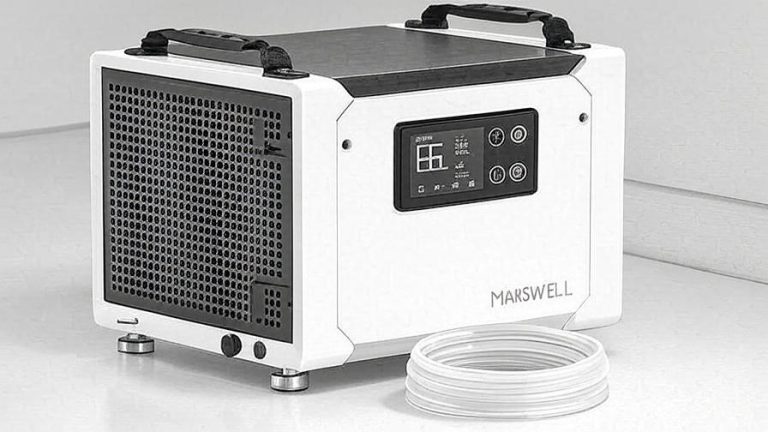

5 Best Dehumidifier for Gun Safe In 2026
Moisture is the silent enemy of gun collectors. You invest thousands in quality firearms, only to discover rust and corrosion eating away at your prized possessions. The culprit? Excess humidity trapped inside your gun safe.
A reliable dehumidifier keeps your weapons in pristine condition. It pulls moisture from the air before it can damage metal surfaces, wooden stocks, or ammunition. But not all dehumidifiers work the same way. Some barely make a dent in humidity levels, while others turn your safe into a bone-dry fortress.
This guide breaks down five heavy-duty dehumidifiers that gun owners trust. These aren’t tiny electric rods that might protect a small cabinet. We’re talking about serious moisture-removal machines built for crawl spaces, basements, and large storage areas where gun safes typically live.
The models reviewed here range from 70 to 145 pints of daily moisture removal. That’s enough power to control humidity in the room around your safe, creating a protective environment for your entire collection. Most gun safes sit in basements, garages, or spare rooms where humidity loves to build up. These units tackle that problem head-on.
Let’s dive into what makes each model stand out and which one deserves a spot protecting your firearms.
Why Gun Safes Need Dehumidifiers
Gun safes create an interesting moisture problem. They’re sealed tight to keep thieves out, but that same seal traps humid air inside. Over time, that trapped moisture condenses on cold metal surfaces. The result? Rust spots, pitting, and corrosion that can ruin a firearm’s finish and function.
Even in climate-controlled homes, basements and storage rooms often have higher humidity than living spaces. Concrete walls sweat. Pipes create condensation. These normal conditions spell trouble for firearms.
The ideal humidity level for gun storage sits between 30% and 50%. Below 30%, wood stocks can dry out and crack. Above 50%, corrosion risk increases dramatically. A quality dehumidifier maintains that sweet spot automatically.
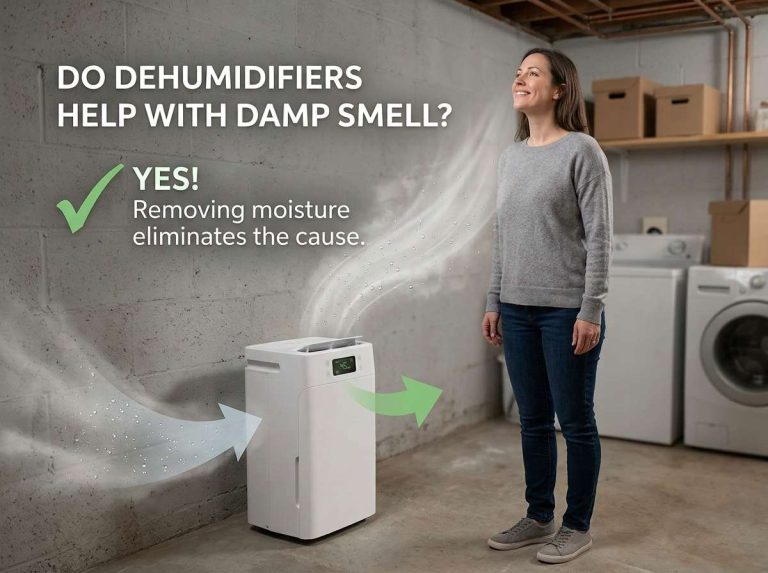
The units reviewed here also protect the space around your safe. They prevent musty smells, mold growth, and moisture damage to walls and flooring. Think of them as insurance for your entire storage area, not just the safe itself.
1.Abestorm Guardian SN55 Review
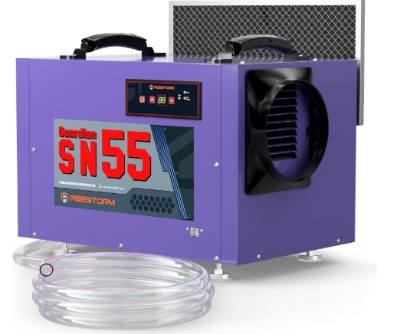
The Abestorm Guardian SN55 pulls 113 pints of water from the air every day. This commercial-grade machine handles spaces up to 1,200 square feet with ease. For gun owners, that means it can dry out an entire basement while keeping your safe’s surroundings perfectly controlled.
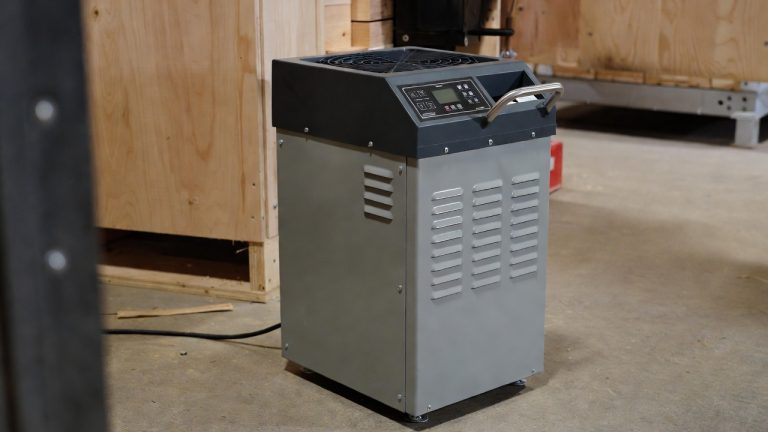
This unit sports a rugged build designed for crawl spaces and harsh environments. The housing resists bumps and scrapes. It keeps working in temperatures down to 36°F, which matters if your gun safe sits in an unheated basement or garage.
Best Use Cases
This dehumidifier shines in large basement gun rooms. If you have multiple safes or a dedicated storage area for firearms and ammunition, the Guardian SN55 provides room-wide protection. It also works great in homes with finished basements where you want both moisture control and a clean appearance.
The unit handles high-humidity situations without breaking a sweat. Coastal homes, humid climates, and below-grade storage areas all benefit from its muscle. Gun collectors in the Southeast and Pacific Northwest particularly appreciate its consistent performance.
Key Features
The continuous drain hose eliminates manual emptying. You connect it to a floor drain or sump pump, and the machine handles the rest. No more checking water levels or worrying about overflow while you’re away.
Auto-defrost keeps the coils clean in cold conditions. When ice builds up, the unit pauses operation, melts the frost, then resumes drying. This matters in unheated spaces where your gun safe lives.
Memory starting brings the machine back to your last settings after a power outage. You don’t need to reprogram humidity targets or fan speeds. It just picks up where it left off.
The control panel displays current humidity levels and lets you set your target. Simple up and down arrows adjust settings. Even technology newcomers can operate it without consulting the manual.
Real-Life Usage Insight
This machine runs quietly enough for finished basements. The compressor hum doesn’t penetrate upstairs living spaces. You can hold a conversation in the same room without raising your voice.
Setup takes about 10 minutes. Unbox it, attach the drain hose, plug it in, and set your target humidity. The unit starts pulling moisture immediately. Within 24 hours, most users see their humidity levels drop into the safe zone.
The machine pulls significant water from the air. In very humid conditions, expect it to drain several gallons per day initially. As humidity stabilizes, the amount decreases but stays consistent enough to maintain your target level.
Honest Pros and Cons
Pros:
- Powerful extraction handles severe moisture problems
- Works in cold temperatures many dehumidifiers can’t tolerate
- Continuous drain means zero maintenance for water removal
- Commercial durability outlasts residential units
- Memory function survives power interruptions
Cons:
- Large footprint requires floor space
- Heavier than compact models at around 50 pounds
- Higher upfront cost than basic residential units
- No built-in pump requires gravity drain or separate pump
- Energy consumption runs higher than smaller dehumidifiers
Performance Discussion
The Guardian SN55 drops humidity fast. In a 1,000-square-foot damp basement, it typically brings levels from 70% down to 45% within two days. After that initial knockdown, it maintains target humidity with minimal cycling.
The unit pulls consistent moisture even as temperatures drop. Many dehumidifiers struggle below 60°F, but this one keeps working down to 36°F. That cold-weather performance matters for gun safes in garages or unheated storage areas.
Energy efficiency sits in the middle range for commercial dehumidifiers. It draws about 780 watts during active dehumidification. Running 8-12 hours per day in maintenance mode costs roughly $30-$40 per month in most areas.
Ease of Use
The digital controls make operation simple. Press the power button, set your target humidity with arrow buttons, and let it run. The display shows current conditions at a glance.
The drain hose attaches with a simple push-fit connection. No tools needed. Just make sure the end of the hose sits lower than the connection point for gravity drainage.
Maintenance involves cleaning the filter every two weeks. Pop open the front panel, slide out the washable filter, rinse it under a faucet, and slide it back in. Takes three minutes.
Value for Money
This unit costs more upfront than residential dehumidifiers. But the commercial build quality means it lasts longer. Most users report 5-7 years of trouble-free operation, compared to 2-3 years for cheaper models.
The moisture removal capacity means you buy one unit instead of multiple smaller ones. That saves money on purchase price and energy costs. Running one large dehumidifier costs less than running two or three small ones.
The 113-pint capacity prevents oversizing issues. The machine doesn’t short-cycle or waste energy. It runs efficiently and maintains stable humidity without constant on-off cycling that wears out components.
2.CADPXS Crawl Space Dehumidifier Review
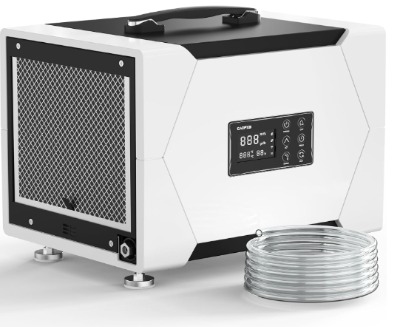
The CADPXS model brings 80 pints of daily capacity with a built-in pump. That pump feature sets it apart from many competitors. It can push water up to 16 feet vertically, so you don’t need a floor drain nearby.
This cETL-certified machine handles spaces up to 1,000 square feet. The build quality targets commercial and restoration work, which means it can take the daily grind of continuous operation.
Best Use Cases
Gun owners without floor drains love this model. The built-in pump lets you place it anywhere and route the drain hose to a utility sink, window, or exterior drain. This flexibility matters when your gun safe sits in a finished basement or converted garage.
The unit excels in moderate-sized gun rooms and storage areas. A 1,000-square-foot coverage area protects most home setups, from single large safes to multiple smaller units plus ammunition storage.
Water damage restoration capability means it handles flooding scenarios. If your basement takes on water, this dehumidifier can help dry things out quickly, protecting your firearms from humidity spikes after water events.
Key Features
The built-in pump eliminates drainage limitations. You can install the dehumidifier 16 feet from the nearest drain, either horizontally or vertically. This opens up placement options that gravity-drain units can’t match.
Auto defrost prevents ice buildup on the coils. The unit monitors coil temperature and pauses when frost forms. Once defrosted, operation resumes automatically. You never need to manually clear ice.
Memory start restores your settings after power loss. If the power goes out while you’re away, the dehumidifier comes back online when power returns. It remembers your humidity target and fan speed settings.
The cETL certification confirms it meets safety standards. This third-party testing verifies electrical safety and build quality. You’re not gambling on an unknown manufacturer.
Continuous operation mode lets the machine run 24/7 without manual intervention. Combined with the pump and auto-defrost, it can protect your gun collection unattended for weeks or months.
Real-Life Usage Insight
The pump makes a slight clicking noise when it activates. Most users don’t find it bothersome, but it’s more noticeable than gravity-drain models. The sound happens intermittently when the internal reservoir fills.
Installation with the pump requires routing the included drain hose to your chosen drain point. The hose connects easily, but you might need to secure it with clips if running it along walls or ceilings.
The unit starts working immediately after setup. Humidity levels typically drop 10-15% within the first day of operation. Full stabilization at your target level takes 2-3 days in most basements.
Honest Pros and Cons
Pros:
- Built-in pump provides installation flexibility
- 80-pint capacity handles most residential gun storage areas
- cETL certification verifies safety and quality
- Auto defrost works reliably in cold basements
- Compact design fits tighter spaces than larger models
Cons:
- Pump adds mechanical complexity and potential failure point
- Slightly noisier than gravity-drain models
- 80-pint capacity may underwhelm in very large or extremely humid spaces
- Higher initial cost than non-pump models
- Pump hose requires secure routing to prevent disconnection
Performance Discussion
The 80-pint extraction handles steady-state humidity well. In a 900-square-foot basement, it maintains 45% humidity reliably once initial moisture gets knocked down. During humid summer months, it runs more frequently but keeps up with moisture loads.
The pump cycles on every 20-30 minutes during heavy dehumidification. Each cycle pushes water through the hose in a few seconds. The frequency decreases as humidity stabilizes.
Cold-weather performance stays solid down to 41°F. Below that temperature, the auto-defrost cycles become more frequent. The unit still works but spends more time in defrost mode than active dehumidification.
Energy draw sits around 620 watts during active operation. Monthly costs run $25-$35 depending on runtime and local electricity rates. The pump adds minimal energy consumption.
Ease of Use
Control panel operation is straightforward. Power button, humidity adjustment buttons, and a display showing current conditions. The interface makes sense without needing the instruction manual.
The pump setup requires a bit more work than gravity drain models. You need to route the hose carefully and test the pump before leaving the unit unattended. Once properly installed, it runs hands-free.
Filter maintenance follows the standard schedule. Clean the washable filter every 2-3 weeks for optimal performance. The filter slides out from the front panel in seconds.
Value for Money
The built-in pump justifies the higher price for many users. Installing a separate condensate pump costs $80-$150 plus installation time. Getting it built-in saves money and space.
The 80-pint capacity sits in the sweet spot for price versus performance. You get commercial-grade moisture removal without paying for excess capacity you won’t use.
Reliability reports from users suggest solid longevity. Most owners report 4-6 years of continuous operation without major issues. The pump proves to be a durable component rather than a weak link.
3.Yaufey 70 Pint Energy Star Dehumidifier Review
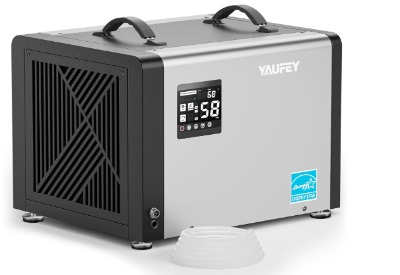
The Yaufey brings Energy Star certification and TUV approval to the table. This 70-pint machine includes a built-in pump and targets spaces up to 5,000 square feet. That coverage claim seems aggressive for the capacity, but the unit performs well in the 1,500-2,000 square foot range.
The Energy Star rating means lower operating costs. It pulls moisture efficiently without wasting electricity. For gun owners running dehumidifiers year-round, those savings add up.
Best Use Cases
This model fits gun owners who want to minimize electricity costs. The Energy Star efficiency makes continuous operation more affordable. It’s a smart pick for year-round humidity control in moderate climates.
The pump feature works great for upstairs gun safes or rooms without convenient drainage. You can place it in a closet, spare bedroom, or converted office and pump water to a bathroom drain or exterior outlet.
The 5-year coverage warranty provides peace of mind for collectors with valuable firearms. If something goes wrong, you’re protected longer than most competitors offer.
Key Features
Energy Star certification confirms above-average efficiency. The unit uses less electricity per pint of water removed than standard dehumidifiers. Over a year of continuous operation, this saves real money.
The built-in pump handles vertical drainage up to 15 feet. You get installation flexibility without buying a separate pump. The pump runs quietly and reliably based on user reports.
Humidity control ranges from 10% to 98% relative humidity. That wide range lets you dial in precise conditions. Most gun storage needs 30-50%, but the flexibility exists for special situations.
TUV certification adds another layer of quality verification. This German testing organization evaluates safety and performance. It’s an independent stamp of approval beyond manufacturer claims.
Auto defrost monitors coil temperature and prevents ice buildup. The system works down to 41°F, covering most basement and garage temperatures.
Real-Life Usage Insight
The unit runs quieter than many commercial dehumidifiers. The sound level compares to a refrigerator compressor. You can sleep in the next room without disturbance.
Setup takes 15 minutes including pump hose routing. The manual provides clear instructions with diagrams. First-time users can get it running without technical help.
Power consumption averages 580 watts during active dehumidification. That’s noticeably lower than non-Energy Star models. Monthly operating costs typically fall between $20 and $30.
Honest Pros and Cons
Pros:
- Energy Star certification cuts operating costs
- Built-in pump provides drainage flexibility
- TUV certification verifies build quality
- Quieter operation than many commercial units
- 5-year coverage offers excellent warranty protection
Cons:
- 70-pint capacity limits performance in very large or extremely humid spaces
- Coverage claims of 5,000 square feet seem optimistic
- Lighter build feels less robust than heavier commercial models
- Control panel lacks advanced scheduling features
- Replacement parts availability questions with newer brand
Performance Discussion
The 70-pint capacity handles moderate humidity levels effectively. In a 1,200-square-foot basement at 65% humidity, it brings levels down to 45% within three days. It maintains that target well during normal conditions.
Energy efficiency really shows up in the monthly electric bill. Compared to non-Energy Star models with similar capacity, users report 15-20% lower electricity costs. Over a year, that’s $40-$60 in savings.
The unit struggles in extreme humidity or very large spaces. If you live in a swamp-like climate or have a 2,000+ square foot basement, it may run constantly without reaching your target humidity.
Defrost cycles happen more frequently than some competitors. In cold basements around 45°F, expect the unit to pause for defrosting every 2-3 hours. It still works but with reduced uptime.
Ease of Use
The digital display shows current humidity clearly. Simple button controls let you adjust target levels in 5% increments. Operation is intuitive enough for anyone familiar with basic electronics.
The pump installation requires careful hose routing. The included hose is adequate but not exceptional quality. Some users replace it with reinforced tubing for long-term reliability.
Maintenance stays simple with a washable filter. Pull it out, rinse under water, let it dry, and reinstall. The frequency depends on dust levels but typically needs attention every 2-3 weeks.
Value for Money
The Energy Star efficiency delivers ongoing savings that offset the initial purchase price. Over five years of operation, the electricity savings can exceed $200 compared to standard models.
The 5-year warranty coverage adds value beyond the purchase price. If the compressor fails in year four, you’re covered. That protection matters for a device running continuously.
The built-in pump saves the cost of buying a separate condensate pump. Combined with the energy efficiency, the total cost of ownership compares favorably to cheaper models without these features.
4.ALORAIR 145 Pint Crawl Space Dehumidifier Review
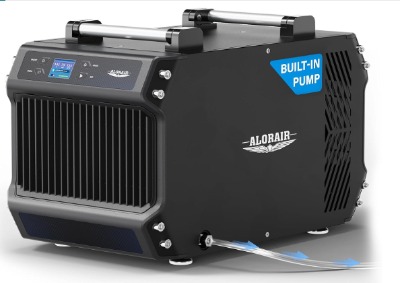
The ALORAIR Storm LGR Extreme brings serious moisture-removal muscle. At 145 pints per day, this beast handles up to 1,800 square feet of severely damp space. It’s overkill for a single gun safe but perfect for larger collections or very humid environments.
This unit includes a built-in pump and drain hose. The commercial-grade construction targets water damage restoration professionals. That means it’s built to run hard and last.
Best Use Cases
Serious collectors with multiple gun safes benefit from this capacity. If you have a dedicated gun room, large walk-in safe, or extensive collection spread across several cabinets, this unit protects everything.
Homes in extremely humid climates need this level of performance. Coastal areas, the Deep South, and tropical regions generate moisture loads that smaller dehumidifiers can’t handle.
Basements with ongoing moisture intrusion get controlled by this machine. If you have minor seepage, high water tables, or frequent dampness, the 145-pint capacity tackles the problem at its source while protecting your firearms.
Key Features
The 145-pint capacity stands out immediately. This is twice the moisture removal of many competitors. It can dry a flooded basement or maintain bone-dry conditions in severely humid climates.
The built-in pump moves water vertically up to 15 feet. You can install this unit anywhere and pump water to a convenient drain. The pump handles continuous operation without issues.
Auto defrost works efficiently even in cold conditions. The system operates down to 33°F, which is colder than most dehumidifiers tolerate. Unheated basements and garages stay protected.
Memory starting restores all settings after power loss. Humidity targets, fan speed, and pump settings all come back automatically. You don’t need to reprogram after an outage.
The control panel includes advanced features like filter cleaning reminders and error codes. It helps you maintain the unit and troubleshoot any issues that arise.
Real-Life Usage Insight
This machine moves air aggressively. The fan produces more noise than smaller units, comparable to a window air conditioner. It’s fine for unfinished basements but might be too loud for living spaces.
The size and weight require two people for installation. At roughly 65 pounds, it’s not something you want to move solo down basement stairs. Once positioned, it stays put.
Water extraction during initial operation can be dramatic. Users report collecting 15-20 gallons per day in very humid basements. After the first week, extraction stabilizes at lower maintenance levels.
Honest Pros and Cons
Pros:
- Massive 145-pint capacity handles extreme humidity
- Works in very cold temperatures down to 33°F
- Built-in pump provides flexible installation options
- Commercial-grade durability outlasts residential models
- Handles spaces up to 1,800 square feet effectively
Cons:
- Significantly louder than smaller dehumidifiers
- Heavy weight makes moving it difficult
- Higher power consumption increases operating costs
- Large size requires substantial floor space
- Overkill for small gun safes or dry climates
Performance Discussion
The moisture-removal performance is exceptional. In a 1,500-square-foot basement at 75% humidity, this unit brings levels down to 40% within 48 hours. Smaller dehumidifiers take a week or more for the same result.
The unit runs efficiently despite high capacity. The power draw of about 850 watts seems high until you consider it replaces two or three smaller units. Energy costs run $35-$50 monthly depending on runtime.
Cold-weather operation truly impresses. Where other dehumidifiers struggle below 60°F, this one keeps pulling moisture down to 33°F. Gun safes in unheated garages stay protected through winter.
The pump handles continuous drainage without issues. It cycles frequently during heavy dehumidification but proves reliable over extended use. The drainage rate keeps pace with moisture extraction.
Ease of Use
Despite its commercial nature, the controls make sense. The digital panel displays current humidity, target setting, and operational status. Button controls feel responsive and precise.
Installation takes longer than smaller units. Running the drain hose, positioning the heavy machine, and setting it up properly requires 30-45 minutes. But once installed, it runs unattended indefinitely.
Maintenance involves filter cleaning every 1-2 weeks due to high airflow. The filter is large and easy to access. Rinse it thoroughly and let it dry completely before reinstalling.
Value for Money
The high capacity delivers value in the right situations. If you need this much moisture removal, buying one large unit costs less than multiple small ones. You also save on energy costs and maintenance time.
The commercial build quality means longer lifespan. Users report 7-10 years of reliable operation, compared to 3-5 years for residential models. That durability justifies the higher purchase price.
The unit prevents moisture damage that could cost thousands in ruined firearms. From that perspective, it’s cheap insurance for valuable gun collections. The peace of mind alone has value.
5.ALORAIR Sentinel HD55 Review
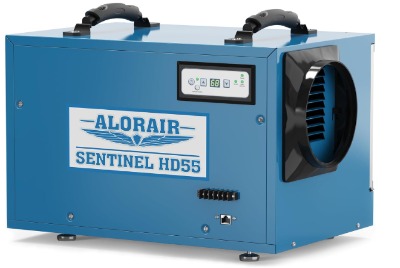
The ALORAIR Sentinel HD55 delivers 113 pints of daily capacity in a compact commercial package. It targets crawl spaces, basements, and industrial applications where reliability matters more than fancy features.
This unit comes with a 5-year warranty, showing the manufacturer’s confidence in durability. The focus on industrial reliability makes it attractive for gun owners who want set-it-and-forget-it protection.
Best Use Cases
Gun collectors who prioritize reliability over bells and whistles appreciate this model. It doesn’t have a pump or advanced controls, but it works consistently day after day.
Homes with floor drains or sump pumps can use gravity drainage easily. If your basement already has drainage infrastructure, you don’t need a built-in pump. This unit saves money by skipping that feature.
The compact size fits tighter spaces than many 113-pint dehumidifiers. If your gun safe sits in a smaller room or you have limited floor space, this unit delivers high capacity without a large footprint.
Key Features
The 113-pint capacity provides serious moisture removal. It handles spaces up to 1,300 square feet, covering most residential gun storage situations.
Gravity drainage through the included hose provides simple, reliable water removal. No pumps to fail or maintain. Just connect the hose to a drain and let physics do the work.
Auto defrost prevents coil icing in cold environments. The unit operates down to 36°F, protecting gun safes in unheated spaces. The defrost cycle activates automatically when needed.
Memory starting brings the unit back online after power interruptions. Your humidity settings and operational mode restore automatically. No manual intervention needed.
The 5-year warranty covers parts and labor. That’s longer coverage than most competitors offer. It shows ALORAIR stands behind the product’s longevity.
Real-Life Usage Insight
The unit runs with moderate noise levels. The compressor hum is noticeable but not disruptive. Most users describe it as about the same volume as a dishwasher.
Setup is straightforward. Attach the drain hose, place the unit near a floor drain, plug it in, and set your target humidity. Total time from unboxing to operation is about 10 minutes.
The compact design fits into corners and tight spaces. Despite the 113-pint capacity, the footprint is smaller than many 80-pint models. This space efficiency matters in crowded basements.
Honest Pros and Cons
Pros:
- Compact design saves floor space
- 113-pint capacity handles large areas effectively
- 5-year warranty provides excellent coverage
- Simple operation without complex features
- Reliable gravity drainage requires no pump maintenance
Cons:
- No built-in pump limits placement options
- Requires floor drain or separate condensate pump
- Basic controls lack advanced programming features
- Manual carry handles could be more ergonomic
- No humidity display, just basic indicator lights
Performance Discussion
The 113-pint capacity performs as advertised. In a 1,100-square-foot basement, it maintains 45% humidity without strain. The unit cycles on and off appropriately rather than running continuously.
Energy consumption runs about 790 watts during active dehumidification. Monthly costs fall in the $30-$40 range for continuous operation. That’s standard for this capacity class.
The auto-defrost system works well in cold basements. At 40°F, the unit spends about 20% of time in defrost mode but still maintains target humidity. Below 36°F, performance drops off sharply.
Longevity reports from users are positive. Many report 5+ years of trouble-free operation. The simple design with fewer components means less can break.
Ease of Use
The controls are basic but functional. A power switch, humidity adjustment dial, and indicator lights tell you what you need to know. There’s no learning curve or complicated programming.
The lack of a pump means simpler installation if you have a floor drain. Just position the unit so the hose drains downhill. Gravity does all the work.
Maintenance is minimal. Clean the filter every 2-3 weeks, and the unit takes care of itself. No pump to maintain or electronic controls to troubleshoot.
Value for Money
The price point undercuts models with built-in pumps. If you don’t need a pump, this saves you money upfront. The 5-year warranty adds long-term value protection.
The compact size delivers high capacity without requiring premium floor space. You get industrial-grade moisture removal in a smaller package.
The simple design means fewer repair costs over time. When components are simpler and more robust, they break less often and cost less to fix when they do fail.
Side-by-Side Comparison
Looking at these five dehumidifiers together reveals different strengths for different situations.
The ALORAIR 145-pint model dominates in raw power. If you face serious humidity problems or protect a large collection, nothing else comes close. The trade-off is size, noise, and energy consumption.
The Yaufey 70-pint unit wins for energy efficiency. The Energy Star rating means lower operating costs month after month. It’s the smart pick for moderate humidity control where you want to minimize electricity bills.
The CADPXS 80-pint dehumidifier balances capacity and features well. The built-in pump at this price point provides excellent value. It handles most gun storage situations without overkill.
The Abestorm Guardian SN55 delivers commercial durability at 113 pints. It’s built tougher than the Yaufey but lacks a pump. For serious moisture problems with available floor drainage, it’s hard to beat.
The ALORAIR Sentinel HD55 offers simplicity and reliability. No pump, no fancy controls, just consistent moisture removal backed by a 5-year warranty. It appeals to gun owners who want appliance-level reliability.
Coverage area claims vary, but real-world performance tells the true story. The 145-pint model genuinely handles 1,500-1,800 square feet. The 113-pint units work well up to 1,200 square feet. The 80-pint machine covers 800-1,000 square feet effectively. The 70-pint model does well in 700-900 square feet.
All five units include auto-defrost and memory starting. These features are now standard in commercial-grade dehumidifiers. They ensure reliable operation without constant attention.
Pump versus gravity drain splits these models into two groups. The Yaufey, CADPXS, and ALORAIR 145-pint include pumps. The Abestorm and ALORAIR Sentinel use gravity drainage. Your basement setup determines which approach works better.
Complete Buying Guide for Gun Safe Dehumidifiers
Capacity Needs
Match the dehumidifier capacity to your space and humidity level. A gun safe itself doesn’t need a huge dehumidifier, but the room around it probably does.
Measure your gun room or basement area. Multiply length times width for square footage. Then consider your climate and moisture sources.
Mild climates with finished basements can use 70-80 pint models. Humid climates or unfinished basements need 100+ pints. Severe moisture problems or very large spaces require 145 pints or more.
Don’t undersize the unit. A dehumidifier running constantly at full capacity wears out quickly. Buy enough capacity to run part-time at maintenance levels.
Drainage Solutions
Gravity drainage is simple and reliable. The hose runs from the dehumidifier to a floor drain or sump pump. Water flows downhill naturally. This works great if you have proper drains installed.
Built-in pumps add flexibility. You can place the dehumidifier anywhere and pump water to a distant drain. This costs more upfront but solves installation problems.
External condensate pumps are an option. If you buy a gravity-drain model but need pumping, add a separate pump. This approach costs less than buying a unit with a built-in pump.
Temperature Considerations
Check your gun storage area’s minimum temperature. Unheated basements drop into the 40s or lower in winter. Garages can get even colder.
Most dehumidifiers stop working below 65°F. Commercial units with auto-defrost operate down to 33-41°F depending on the model. Cold-climate gun owners need these features.
The auto-defrost cycle pauses dehumidification to melt ice on the coils. Good systems do this quickly and efficiently. Poor systems spend too much time defrosting and not enough time removing moisture.
Energy Costs
Dehumidifiers run continuously or near-continuously in humid climates. Energy costs add up fast.
A 700-watt unit running 10 hours per day costs about $25-$30 monthly at average electricity rates. An 850-watt unit costs $35-$40. Energy Star models save 15-20% compared to standard efficiency.
Calculate annual operating costs by multiplying monthly costs by 12. A $10 monthly difference becomes $120 yearly. Over five years, that’s $600 in electricity.
Noise Levels
Commercial dehumidifiers make noise. Compressors hum, fans blow, and pumps click.
Noise matters if your gun safe sits near living spaces. Finished basements, converted garages, and spare bedrooms all carry sound into the home.
Lighter-duty models run quieter but lack capacity. Heavy-duty commercial units move more air and make more noise. Balance performance needs against noise tolerance.
Warranty Coverage
Commercial dehumidifiers face tough conditions. They run year-round in damp, dusty environments. Things break.
Standard warranties run 1-2 years. Good warranties extend to 5 years. Longer coverage signals manufacturer confidence in durability.
Check what the warranty covers. Some cover parts only. Others include labor. The best warranties cover complete replacement if repairs don’t work.
Brand Reputation
Established brands have parts availability and service networks. Newer brands might offer better prices but questionable support.
Read user reviews focusing on long-term reliability. Units that work great for six months but fail in year two don’t help gun owners.
Professional restoration companies often use the same brands. ALORAIR and Abestorm show up frequently in commercial applications. That real-world vetting matters.
Control Features
Basic models have simple humidity dials. Advanced units include digital displays, precise humidity control, and programmable settings.
Gun storage doesn’t need fancy programming. Set the humidity to 40-45% and let the machine run. Advanced features add cost without adding protection.
Humidity displays help you monitor conditions. Seeing current levels at a glance confirms the system works properly. This feature is worth having.
Installation Requirements
Some units plug into standard outlets. Others need dedicated circuits. Check electrical requirements before buying.
Heavy units need two people for installation. Plan for help moving 50-70 pound dehumidifiers down stairs.
Drain hose routing affects placement. Gravity systems need downhill drainage paths. Pumped systems offer more flexibility but require careful hose installation.
Who Should Buy Each Model
The ALORAIR 145-Pint is For:
Collectors with extensive gun collections spread across multiple safes. Homes in extremely humid climates where smaller dehumidifiers can’t keep up. Basements with ongoing moisture intrusion that needs aggressive control. Gun rooms larger than 1,200 square feet. Anyone dealing with water damage or flooding recovery.
The Abestorm Guardian SN55 is For:
Gun owners with large basements and available floor drainage. Collectors who prioritize commercial durability over fancy features. Cold-climate storage areas where dehumidifiers must work below 50°F. Moderate to large gun rooms in the 800-1,200 square foot range. Buyers who want proven commercial-grade performance.
The CADPXS 80-Pint is For:
Gun owners without convenient floor drains. Moderate-sized gun rooms in the 700-1,000 square foot range. Collectors who want pump convenience at a reasonable price point. Homes where flexible placement matters more than maximum capacity. Anyone balancing performance needs with budget constraints.
The Yaufey 70-Pint is For:
Energy-conscious gun owners running dehumidifiers year-round. Moderate gun collections in controlled environments. Buyers who prioritize low operating costs. Smaller basements or gun rooms under 900 square feet. Anyone who wants the longest warranty coverage available.
The ALORAIR Sentinel HD55 is For:
Gun owners who value simplicity and reliability. Collectors with floor drains who don’t need pump features. Buyers seeking maximum capacity in minimum space. Anyone prioritizing long warranty coverage. Those who prefer straightforward appliances without complex controls.
Common Mistakes to Avoid
Buying Too Small
Gun owners often buy residential dehumidifiers designed for laundry rooms or bathrooms. These 30-50 pint units can’t handle basement humidity loads.
The gun safe itself needs protection, but so does the surrounding room. Small dehumidifiers run constantly and still don’t reach target humidity levels.
Size the dehumidifier for the room, not the safe. A large gun safe in a 1,000-square-foot basement needs an 80-100 pint dehumidifier minimum.
Ignoring Temperature Ratings
Standard dehumidifiers quit working below 65°F. Many basements and garages drop below that temperature regularly.
Frost builds up on the coils. The unit freezes and stops removing moisture. Your gun safe sits in high humidity while the dehumidifier ices over.
Always check minimum operating temperature. Auto-defrost isn’t optional for gun storage areas that get cold.
Poor Drain Setup
Gravity drains need continuous downhill slope. Even slight uphill sections trap water and block drainage.
Pump hoses need secure mounting. A disconnected hose floods the floor instead of draining water safely.
Test your drainage setup thoroughly. Run the dehumidifier and verify water flows completely through the hose to the drain.
Neglecting Filter Maintenance
Dirty filters cut airflow and reduce capacity. A dehumidifier with a clogged filter might remove half its rated moisture.
Gun safes sit in basements where dust accumulates. Filters need cleaning every 2-3 weeks in dusty conditions.
Set a phone reminder for filter maintenance. Clean filters ensure maximum performance and protect the compressor from damage.
Running Without Monitoring
Gun owners install dehumidifiers and forget about them. Months later, they discover the unit failed and humidity spiked.
Check your dehumidifier monthly. Verify it’s running, draining properly, and maintaining target humidity.
Consider adding a separate humidity monitor. Digital hygrometers cost $10-$20 and show current conditions at a glance.
Undersized Electrical Circuits
Commercial dehumidifiers draw significant power. Running one on an overloaded circuit causes breaker trips.
Verify your electrical circuit can handle the load. Most commercial dehumidifiers need dedicated 15-amp circuits.
Extension cords aren’t designed for continuous high-load operation. Use proper permanent wiring or outlet locations.
Ignoring Placement
Dehumidifiers need airflow around all sides. Jamming one into a corner reduces effectiveness.
Leave 12-18 inches of clearance around the unit. This ensures proper air circulation for maximum moisture removal.
Keep dehumidifiers away from walls and obstacles. Free airflow means better performance and longer compressor life.
Final Verdict
The best dehumidifier for your gun safe depends on your specific situation. No single model wins every category.
For most gun owners, the CADPXS 80-pint model offers the best balance. The built-in pump provides installation flexibility. The 80-pint capacity handles typical basement gun storage areas. The price stays reasonable while delivering commercial-grade performance.
Energy-conscious collectors should consider the Yaufey 70-pint unit. The Energy Star efficiency saves money month after month. The 5-year warranty adds peace of mind. It works great for moderate humidity control in finished basements.
Serious collectors with large spaces need the ALORAIR 145-pint beast. Nothing else matches its moisture-removal power. It’s noisy and expensive to run, but it protects valuable collections in challenging environments.
Simple reliability seekers should look at the ALORAIR Sentinel HD55. No pump to maintain, no complex controls, just steady moisture removal. The 5-year warranty and compact design add to its appeal.
The Abestorm Guardian SN55 splits the difference between capacity and features. It brings commercial durability and 113-pint capacity without a pump. For gun owners with floor drains, it delivers excellent value.
Your climate plays a huge role. Dry Western states need minimal dehumidification. Humid Southern and Coastal regions require serious moisture control. Match your purchase to local conditions.
Room size matters more than safe size. A small gun safe in a 1,500-square-foot basement needs the same dehumidifier as a large safe in the same space. The room drives capacity requirements.
Budget impacts the decision, but remember the total cost of ownership. Cheaper units cost more to operate and replace more often. Commercial-grade dehumidifiers pay for themselves through longevity and efficiency.
Installation constraints guide your choice between pump and gravity-drain models. If you have floor drains, save money on non-pump units. Without drains, the built-in pump becomes essential.
Every gun collection deserves protection from moisture damage. The rifles and handguns you’ve collected represent significant investment. Rust and corrosion destroy that value silently.
A quality dehumidifier costs less than refinishing a single rusted firearm. It’s insurance that pays for itself by preventing damage instead of repairing it.
These five models all protect firearms effectively. Pick the one that fits your space, budget, and installation situation. Then set it up properly, maintain it regularly, and enjoy the peace of mind that comes from knowing your guns stay in pristine condition.
The silent threat of moisture doesn’t stand a chance against proper humidity control. Your collection stays ready for the range, the field, or just display in your safe. That’s the real value of investing in the right dehumidifier.

Hi, I’m Mary, the founder of Homygear.com. I’m passionate about creating a comfortable, smart, and beautiful home. I share practical insights and real-world experience on home gear that makes everyday life easier. Behind the scenes, my dedicated research team studies products in depth, and our writers craft honest reviews using trusted, authentic sources—so you can choose home gear with confidence.