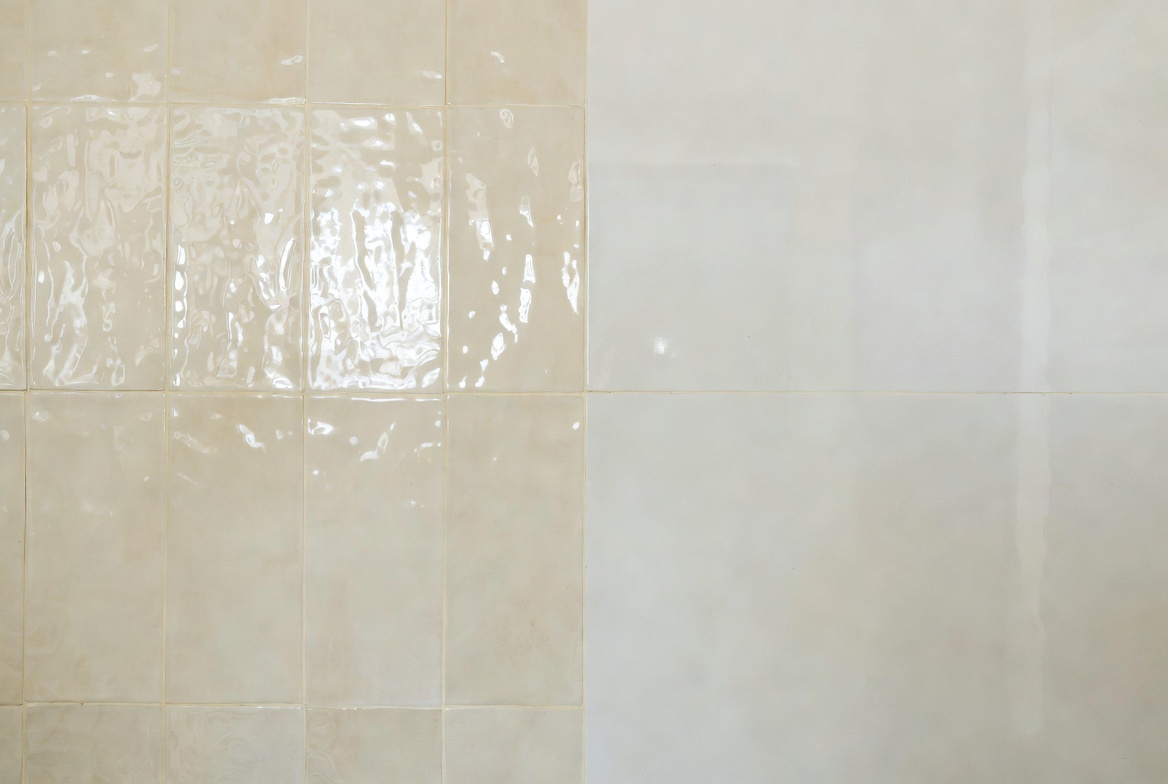
Ceramic vs Porcelain Tiles for Shower
When you’re standing in a tile store looking at rows of pretty boxes, it’s easy to feel overwhelmed. Should you go with ceramic tiles or porcelain tiles for your shower? The good news is that once you know the key differences, the choice becomes much simpler. Let me walk you through everything you need to know.
What Are Ceramic Tiles, Anyway?
Ceramic tiles are made from clay that gets mixed with water, shaped, and then fired in a kiln. The process creates a hard, durable surface perfect for walls and floors. Think of it like baking a very hard, very waterproof pottery piece.
The clay mixture starts soft and workable. Manufacturers shape it into flat squares or rectangles. Then comes the heat. The kiln fires these tiles at high temperatures, usually between 1,000 and 1,200 degrees Celsius. This heat transforms the wet clay into the solid ceramic tile you see in stores.
Glazing is then applied to the top layer. This glaze is what gives ceramic tiles their shine and color. It’s a protective coating that makes the tiles water-resistant and stain-resistant.
What Are Porcelain Tiles?
Porcelain tiles sound similar, but they’re actually quite different. Porcelain is made from refined clay mixed with other materials and fired at much higher temperatures. We’re talking 1,200 to 1,400 degrees Celsius. That extra heat makes a huge difference.
The higher firing temperature creates a denser, harder, and less porous material. Think of it this way: ceramic tiles are baked, but porcelain tiles are super-baked. The intense heat compresses the material, creating a tougher product.
Porcelain also has a glazed surface, but the base material underneath is fundamentally different from ceramic. This matters a lot when we talk about water absorption, which is critical in bathrooms and showers.
The Main Difference: Porosity and Water Absorption
This is the big one. Porosity is how much water a tile can soak up. In wet areas like showers, this matters tremendously.
Ceramic tiles are more porous. They absorb more water. This means that when water gets behind the tile—and in a shower, water does get behind tiles—ceramic tiles soak it up like a sponge. This water absorption can lead to problems over time.
When tiles absorb water, that water can sit behind the tile and potentially cause mold growth or damage to the substrate underneath. In freeze-thaw climates, absorbed water can freeze and crack the tile from the inside.
Porcelain tiles are much less porous. They absorb very little water, typically less than 0.5 percent. Ceramic tiles usually absorb between 0.5 and 3 percent. That might not sound like a big difference in numbers, but it translates to real protection in your shower.
Durability and Strength in Wet Areas
When it comes to bathroom shower tiles, durability is crucial. Your shower tiles take a beating. They face constant moisture, temperature changes, and foot traffic.
Porcelain tiles are harder and more durable than ceramic tiles. The denser structure makes them more resistant to chipping and cracking. If you drop a heavy bottle in your shower, a porcelain tile is more likely to survive without damage than a ceramic tile.
Ceramic tiles are still durable for most bathroom applications, but they’re more fragile. They chip more easily and crack more readily when exposed to impacts or extreme temperature changes.
In shower environments, this matters. Showers combine moisture, heat, and occasional impacts from falling items. Porcelain handles these conditions better over the long haul.
Cost Considerations for Your Budget
Let’s talk money. Ceramic tiles are usually cheaper than porcelain tiles. Expect to pay less per square foot for ceramic tiles. The lower manufacturing temperatures and simpler process make them more affordable.
Porcelain tiles cost more upfront. The higher firing temperatures, refined materials, and more complex manufacturing process drive up the price. You might pay 1.5 to 3 times more for porcelain than for similar-looking ceramic tiles.
But here’s the thing: you also need to consider installation costs and long-term durability. If ceramic tiles fail sooner and need replacement, you’ll end up spending more money overall. If porcelain tiles last much longer, that higher initial cost might actually save you money in the long run.
Installation Differences
Both ceramic and porcelain tiles require similar installation processes. They both get installed with thin-set mortar and need proper grouting. You’ll need good waterproofing behind any tile you install in a shower.
However, porcelain tiles are harder to cut and drill. They require a wet saw with a diamond blade. Ceramic tiles can sometimes be cut with a standard tile saw. If you’re doing DIY installation, this difference might matter to your timeline and difficulty level.
Professionals handle both types easily, so this difference mainly affects DIY projects.
Maintenance and Cleaning
Both ceramic and porcelain tiles are easy to clean. They wipe down quickly and resist stains. A simple soap and water solution cleans most dirt off either type.
The glaze on both tile types helps repel water and stains. Soap scum, mildew, and mineral deposits wipe away from both ceramic and porcelain without much effort.
That said, porcelain’s lower porosity means it resists mold and mildew growth better. The less water absorption means fewer places for moisture to hide and support mold growth.
Grout: The Real Waterproofing Story
Here’s something many people miss: grout matters as much as the tiles themselves. Grout is the material between tiles, and it’s far more porous than tiles. Water soaks into grout constantly.
In a shower, you absolutely need waterproof membrane behind your tiles. This membrane stops water that gets through grout and protects the wall structure behind the tiles. The type of tile—ceramic or porcelain—is only part of the waterproofing story.
A shower with ceramic tiles but excellent waterproofing and high-quality grout will perform better than a shower with porcelain tiles and poor waterproofing. Always prioritize the entire waterproofing system, not just the tile choice.
Slip Resistance and Safety
Wet bathroom tiles are slippery. Safety matters, especially in showers where people might fall.
Both ceramic and porcelain tiles can have textured surfaces for better grip. Matte finishes provide more traction than glossy finishes. Some tiles have specially designed surface patterns for increased slip resistance.
When shopping for shower tiles, look for tiles labeled as slip-resistant. Check the coefficient of friction rating if available. This number tells you how slippery a tile is when wet.
The material—ceramic vs porcelain—is less important than the surface texture and finish when it comes to slip resistance.
Appearance and Design Options
Both ceramic and porcelain tiles come in endless colors, patterns, and sizes. Your choice here comes down to personal preference and interior design, not performance.
Ceramic tiles offer great design flexibility. Porcelain tiles do too. Both can look modern, rustic, traditional, or contemporary. You can find large-format tiles, small mosaic tiles, textured surfaces, or smooth finishes in either material.
One small advantage for porcelain: because the color goes through the entire tile (not just the glaze), if a porcelain tile chips, the chip is less obvious. With ceramic tiles, the glaze is the colored layer, so chips show the uncolored clay underneath.
Temperature and Steam Resistance
Showers get hot. Steam builds up. How do ceramic and porcelain tiles handle this?
Both materials handle heat and steam well. Neither one warps, melts, or degrades from bathroom temperatures and humidity. They’re both stable in wet, warm environments.
Porcelain’s lower porosity means it won’t absorb steam moisture as much. But honestly, both types perform adequately in typical bathroom steam conditions.
Frost and Freeze Resistance
If you’re considering tiles for a bathroom in a cold climate, this matters. Frost-resistant tiles can survive freeze-thaw cycles without cracking.
Porcelain’s low porosity makes it naturally frost-resistant. Water doesn’t get trapped inside to freeze and crack the tile from within.
Ceramic tiles can suffer damage in freeze-thaw cycles because water gets absorbed into the porous material. When that water freezes, it expands and cracks the tile. For bathrooms in cold climates, this is another point in porcelain’s favor.
If you live somewhere warm year-round, this concern is irrelevant. But cold-climate bathroom owners should seriously consider frost-resistant porcelain tiles.
Large Format Tiles: The Modern Option
Both ceramic and porcelain come in large format sizes now. Large tiles are trendy and look fantastic in modern bathrooms.
Large format tiles are easier to clean because there are fewer grout lines. They create a sleek, seamless look. They also reveal the natural beauty of the tile material better than small tiles.
Porcelain handles large format well. Ceramic can come in large format too, but large ceramic tiles can be heavy and more prone to cracking during installation.
Mixed Materials: Combining Tiles
Many shower designs mix tile types. You might use large porcelain tiles on the walls and smaller ceramic tiles for accents or trim. This works fine as long as you maintain proper waterproofing throughout.
The key is consistent waterproofing, not consistent tile material. A well-waterproofed shower can combine materials without issues.
Common Mistakes People Make
People often over-think the ceramic versus porcelain decision. They focus on tile choice when other factors matter more.
Mistake One: Ignoring Waterproofing The most critical mistake is skipping or skimping on waterproofing. I’ll say it again: waterproofing matters more than tile choice. Use a quality waterproof membrane behind all shower tiles. Cheap waterproofing leads to problems regardless of whether you choose ceramic or porcelain.
Mistake Two: Cheap Grout Grout seals and protects just as much as tile does. Use quality grout and seal it properly. Don’t go cheap here.
Mistake Three: Poor Installation Improper tile installation causes more problems than material choice. Tiles need proper substrate, good mortar coverage, and solid workmanship. A professional installer or very careful DIYer should handle shower tile work.
Mistake Four: Ignoring Slope and Drainage Shower pans need proper slope so water drains correctly. Stagnant water is the enemy. Both ceramic and porcelain tiles are fine; the drainage is what matters.
Real-World Performance Stories
In actual bathrooms, porcelain tiles in showers generally last longer and perform better than ceramic tiles. That said, many ceramic tile showers last decades without problems when properly installed and maintained.
The difference shows up mainly after ten to fifteen years. Porcelain showers look and function like new. Ceramic showers might show wear: slight cracks, water damage in vulnerable areas, or increased mold growth.
Which One Should You Actually Choose?
For showers specifically, porcelain wins on performance merits. It’s less porous, more durable, more frost-resistant, and resists mold and mildew better.
But if budget is your primary concern and you’re willing to be extra careful about waterproofing and maintenance, ceramic works too. Many ceramic tile showers perform fine for many years.
Consider these factors:
Choose Porcelain If:
- You want maximum durability
- You live in a cold climate
- You want a low-maintenance shower
- You’re installing large-format tiles
- You want the best long-term value
- You’re installing in a high-moisture area
Choose Ceramic If:
- Budget is your main concern
- You like the appearance of ceramic tiles
- You’re willing to invest in excellent waterproofing
- You plan to maintain the shower regularly
- You like the specific colors or designs only available in ceramic
Installation Tips for Success
Whether you choose ceramic or porcelain, proper installation makes the difference.
First, prep the surface properly. The substrate must be solid, level, and properly waterproofed. Use cement board or waterproof drywall, not regular drywall, in wet areas.
Second, apply waterproof membrane over the entire substrate. This stops water from reaching the wall behind the tiles.
Third, use thin-set mortar and apply it correctly. Every tile needs solid mortar coverage underneath.
Fourth, space tiles consistently. Use tile spacers to ensure even grout lines.
Fifth, grout carefully and seal the grout after it cures. Quality grout sealing protects against water penetration and mold growth.
Sixth, caulk corners where tiles meet. Movement happens in buildings, and caulk allows for that movement without cracking tiles.
The Bottom Line on Ceramic vs Porcelain Shower Tiles
Both ceramic and porcelain tiles work in showers. The real key to success is the entire system: proper waterproofing, quality grout, correct installation, and regular maintenance.
Porcelain tiles offer superior performance in wet environments. They’re less porous, more durable, and longer-lasting. For showers, if you can afford porcelain, it’s the smarter long-term choice.
Ceramic tiles are a solid budget-friendly option if you’re willing to invest in excellent waterproofing and stay on top of maintenance.
Don’t get caught up in the tiles themselves. Spend your energy on waterproofing, installation quality, and proper maintenance. Do those things right, and your shower will look great and function well for years to come.
Final Thoughts
Your bathroom shower is a place you use multiple times every day. It deserves quality materials and proper installation. Think about your climate, your budget, your maintenance preferences, and how long you plan to stay in your home.
If you’re planning to stay in your home for many years and want a shower that needs minimal maintenance, go with porcelain. If you’re on a tight budget or renting, ceramic tiles serve perfectly well with proper care.
Either way, don’t skip the waterproofing. That’s where the magic happens. That’s what truly protects your home from water damage.
Ready to renovate your shower? Now you know the real differences between these two popular tile options. Go forward confidently with your choice, knowing you’ve made an informed decision based on actual performance data, not marketing hype.
Your future self—the one standing in a beautiful, functional shower without leaks or mold—will thank you for getting this right.
Hi, I’m Mary, the founder of Homygear.com. I’m passionate about creating a comfortable, smart, and beautiful home. I share practical insights and real-world experience on home gear that makes everyday life easier. Behind the scenes, my dedicated research team studies products in depth, and our writers craft honest reviews using trusted, authentic sources—so you can choose home gear with confidence.