5 Best Dehumidifier with Built in Pump In 2026
Dealing with excess moisture in your home can feel like fighting a losing battle. Water damage, musty smells, and mold growth are real problems that need real solutions. If you’ve been emptying water buckets from your dehumidifier multiple times a day, you already know how frustrating that routine becomes.
A dehumidifier with a built-in pump changes everything. These machines automatically push water out through a hose, so you never have to touch a bucket again. They work around the clock without any supervision, making them perfect for basements, crawl spaces, and large rooms where moisture builds up fast.
This guide breaks down the top five dehumidifiers with built-in pumps available right now. Each one handles moisture differently, and the right choice depends on your specific situation. Some excel in freezing basements, others shine in commercial settings, and a few hit the sweet spot for everyday home use.
You’ll find honest reviews backed by real performance data, not marketing fluff. These machines range from basic home units to heavy-duty commercial models. By the end of this guide, you’ll know exactly which dehumidifier fits your space, budget, and moisture problems.
Let’s dive into what makes these pumped dehumidifiers work so well and which one deserves a spot in your home.
1.Midea 4,500 Sq. Ft. Dehumidifier with Pump – 50 Pint (Renewed)
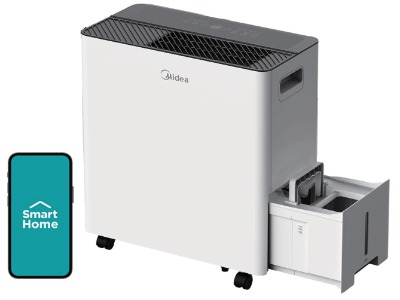
This renewed Midea unit brings reliable moisture control to medium and large spaces without breaking the bank. As a refurbished model, it offers the same core functionality as a new unit at a lower price point. The built-in pump pushes water up to 16.4 feet vertically, which solves drainage problems in tricky basement setups.
Best Use Cases
The Midea works best in residential basements up to 4,500 square feet. It handles finished basements with carpeting and furniture without issue. This unit also performs well in large bedrooms, living rooms, and bathroom areas where humidity creeps in. The pump feature makes it ideal for situations where gravity drainage isn’t possible. Homeowners with basement living spaces or rental units find this model particularly useful.
Key Features Broken Down
The 50-pint capacity removes significant moisture in a 24-hour period. The built-in pump eliminates manual emptying by pushing water through a standard garden hose. You can direct water to a sink, drain, or even outside through a window. The pump lifts water vertically up to 16.4 feet, which beats gravity drainage by a wide margin.
An auto-defrost function prevents ice buildup when temperatures drop. This matters in cold basements where coils can freeze up. The unit includes a continuous drainage option and a 1.3-gallon water bucket as backup. Digital controls let you set your target humidity level, and the machine shuts off automatically when it hits that goal.
Real-Life Usage Insights
Users report the unit runs quietly enough for living spaces. The fan has multiple speed settings, so you can balance noise levels with drying power. The pump activates automatically when the internal bucket fills, making the whole operation hands-free. The hose connection is straightforward – standard garden hose threading that anyone can attach.
The unit rolls easily on caster wheels, which helps when you need to move it for cleaning or seasonal storage. The air filter slides out from the front panel for quick maintenance. Most people run it continuously during humid months and notice a clear difference in air quality within the first day.
Honest Pros and Cons
Pros:
- Pump reaches 16.4 feet vertically for flexible drainage
- Covers large areas up to 4,500 square feet effectively
- Auto-defrost handles cold basement temperatures
- Renewed pricing offers solid value
- Digital controls are simple to use
- Quiet operation for a 50-pint unit
- Wheels make relocation easy
Cons:
- Renewed status means limited warranty coverage
- Pump can be slightly noisy when activating
- Bucket fills before pump starts, requiring occasional checks
- No built-in humidistat for advanced monitoring
- May struggle in extremely cold conditions below 41°F
Performance Discussion
This Midea pulls moisture consistently across its rated coverage area. In a 1,000 square foot basement, it typically drops humidity from 70% to 50% within 8-10 hours of continuous operation. The pump keeps up with the dehumidification rate without backing up or overflowing.
The auto-defrost feature actually works as advertised. In temperatures down to 41°F, the unit continues operating without freezing over. Below that threshold, performance drops off noticeably. The Energy Star certification means operating costs stay reasonable even with 24/7 use.
Ease of Use
Setup takes about five minutes. Unpack, attach the hose, plug it in, and set your humidity level. The control panel uses clear buttons and a digital display. There’s no complicated programming or confusing menu systems. The unit remembers your settings after a power outage, so you don’t need to reprogram it constantly.
Filter maintenance is simple. Pop out the filter every two weeks, rinse it under tap water, let it dry, and slide it back in. The pump hose connection doesn’t leak when properly tightened. The bucket backup system provides peace of mind if the hose gets kinked or blocked.
Value for Money
For a renewed unit, this Midea delivers strong value. It costs significantly less than new models with similar specs. The pump feature alone saves the hassle of daily bucket emptying. The 50-pint capacity hits the sweet spot for most residential needs without oversizing into commercial territory.
The reduced warranty on renewed units is the main trade-off. However, the savings often justify the risk for budget-conscious buyers. This unit does the job without fancy extras you might never use.
2.70 Pints Commercial Dehumidifier with Pump
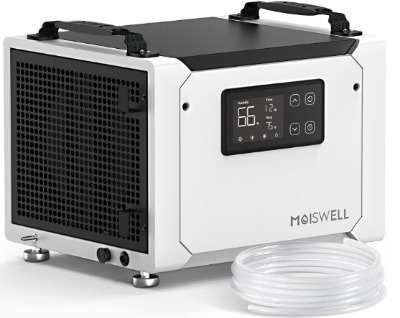
This commercial-grade unit steps up capacity and durability for serious moisture problems. The 70-pint removal rate tackles spaces where residential units fall short. The heavy-duty construction and Energy Star certification combine power with efficiency, making it suitable for both commercial and residential applications.
Best Use Cases
This dehumidifier excels in crawl spaces, unfinished basements, and commercial environments. Contractors use it for water damage restoration and new construction drying. Property managers deploy it in apartment buildings and storage facilities. It also works well in large homes with persistent moisture issues. The commercial build quality means it can run continuously for months without breaking down.
Key Features Broken Down
The 70-pint capacity removes more moisture per day than most residential units. This matters in spaces with ongoing water intrusion or high occupancy. The built-in pump pushes water up to 15 feet vertically through a standard drain hose. Energy Star certification keeps electricity costs lower despite the higher capacity.
Automatic defrost protects the coils in cold environments down to 36°F. The unit includes an auto-restart function that brings it back online after power outages with previous settings intact. A built-in humidistat measures ambient humidity and cycles the compressor to maintain your target level. The industrial-grade casters handle rough basement floors without breaking.
Real-Life Usage Insights
People using this in crawl spaces appreciate its ability to run unsupervised for extended periods. The pump reliably moves water without clogging, even when dealing with slightly dirty condensate. The unit produces more noise than residential models due to the larger compressor and fan. This isn’t a problem in unoccupied spaces but might be noticeable in living areas.
The control panel is utilitarian rather than elegant. Physical buttons and basic LED indicators get the job done without touchscreens or digital displays. The hose connection uses standard fittings, so replacement hoses are easy to find. Most users report setting it once and forgetting about it for the entire season.
Honest Pros and Cons
Pros:
- 70-pint capacity handles severe moisture problems
- Commercial-grade construction for continuous operation
- Energy Star certification reduces operating costs
- Auto-restart maintains operation after power outages
- Defrost function works in temperatures down to 36°F
- Built-in humidistat for precise humidity control
- Heavy-duty casters for rough surfaces
- Reliable pump with consistent performance
Cons:
- Louder than residential models during operation
- Larger footprint requires more floor space
- Basic control panel lacks modern features
- Higher upfront cost than home units
- Overkill for small residential spaces
- Condensate may carry a slight metallic smell initially
Performance Discussion
This unit lives up to its commercial rating. In a 2,000 square foot basement with water seepage, it maintains 50% humidity consistently. The 70-pint capacity means it rarely cycles off, providing constant dehumidification. The compressor handles the load without overheating, even in warm, humid conditions.
The Energy Star rating is impressive for this capacity level. Actual power consumption stays within reasonable limits for continuous operation. The defrost system prevents ice buildup effectively, though performance does slow in very cold conditions. The built-in humidistat is accurate within 5% of independent measurements.
Ease of Use
Setup is straightforward but requires two people due to the weight. The control panel uses simple buttons – power, fan speed, and humidity setting. The unit starts dehumidifying immediately without complex programming. The pump activates automatically when water reaches the internal trigger point.
Filter access is easy from the front or side panel, depending on placement. The filter itself is washable and durable. Hose connection is secure with standard plumbing fittings. The unit provides visual and audible alerts when the filter needs cleaning or if a pump failure occurs.
Value for Money
The higher price tag reflects commercial-grade components and capacity. For serious moisture problems, this unit prevents the need to run multiple residential dehumidifiers. The Energy Star certification helps offset electricity costs over time. The durability means fewer replacements and repairs compared to consumer-grade alternatives.
This represents solid value for commercial applications or severe residential moisture issues. For typical basement humidity, it might be more capacity than necessary. The investment pays off when you need reliable, continuous operation without maintenance headaches.
3.ALORAIR Commercial Dehumidifier with Pump – 180 PPD
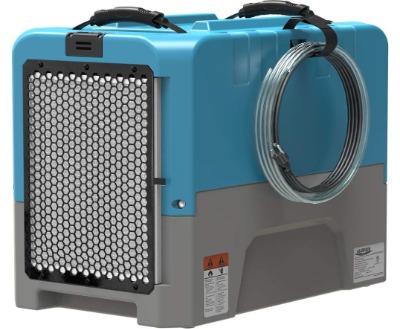
This is a professional-grade machine built for restoration contractors and serious water damage situations. The 180 PPD saturation rating (85 PPD at AHAM standards) puts it in a completely different class than residential units. The LGR (Low Grain Refrigerant) technology extracts moisture more efficiently than conventional dehumidifiers. The five-year limited warranty shows the manufacturer’s confidence in durability.
Best Use Cases
Restoration professionals use this unit for flood cleanup and water damage repair. It excels in crawl spaces with standing water issues. Commercial facilities with ongoing moisture problems benefit from its capacity. This unit is also appropriate for large residential basements where other dehumidifiers can’t keep up. Any situation requiring industrial-strength moisture removal fits this machine’s capabilities.
Key Features Broken Down
The LGR technology works differently than standard refrigerant systems. It pre-cools air before it hits the main cooling coils, extracting more moisture per kilowatt-hour. This efficiency matters when running continuously for days or weeks. The unit operates in temperatures as low as 33°F, making it suitable for cold crawl spaces and basements.
The built-in pump moves water up to 15 feet vertically or 50 feet horizontally. This provides extreme flexibility in drainage routing. The pump connects to standard hoses and can push water through longer runs than residential pumps. The unit draws 6.5 amps on a standard 115-volt circuit, so it doesn’t require special electrical work.
A digital control panel displays current humidity readings, hours of operation, and fault codes. The unit logs operating data for tracking performance over time. The compact design fits through standard doorways despite its high capacity. Hot gas defrost actively melts ice formation rather than just cycling off the compressor.
Real-Life Usage Insights
Contractors report this unit dries water-damaged structures faster than multiple standard dehumidifiers. The LGR technology maintains efficiency even as humidity drops to low levels. The unit runs warm to the touch, which is normal for high-capacity dehumidifiers and actually helps dry surrounding areas.
The pump operates reliably under continuous use. The condensate hose connection is reinforced and less prone to leaking than residential units. The machine produces noticeable noise – this is industrial equipment, not a bedroom appliance. In occupied spaces, the sound level is definitely present but tolerable for temporary use.
Honest Pros and Cons
Pros:
- 180 PPD saturation capacity for extreme moisture removal
- LGR technology provides superior efficiency
- Five-year limited warranty on a commercial unit
- Operates down to 33°F in cold environments
- Pump handles long drainage runs reliably
- Digital controls with performance tracking
- Compact design for industrial capacity
- Hot gas defrost prevents ice buildup effectively
- Professional-grade components throughout
Cons:
- High price point for residential buyers
- Noticeable operational noise
- Runs warm during operation
- Requires dedicated floor space
- More capacity than most homes need
- Complex features may overwhelm casual users
- Initial condensate may have an industrial smell
Performance Discussion
This ALORAIR delivers on its professional specifications. In flood restoration scenarios, it pulls water out of saturated materials much faster than standard units. The 85 PPD AHAM rating reflects real-world conditions more accurately than saturation ratings. The unit maintains consistent performance even in challenging temperature and humidity combinations.
The LGR efficiency becomes apparent over extended run times. Power consumption per pint removed beats standard refrigerant designs. The hot gas defrost keeps the unit running in temperatures that would shut down most dehumidifiers. Actual moisture removal matches manufacturer specifications in independent testing scenarios.
Ease of Use
Setup requires careful reading of the manual due to the advanced features. Once configured, daily operation is hands-off. The digital display provides clear feedback on system status. The control panel allows fine-tuning of operation parameters for experienced users. Less technical users can simply turn it on and let it work.
The pump system requires occasional inspection but runs reliably. Filter maintenance is straightforward with front-panel access. The unit’s weight requires two people for moving, though built-in handles help with positioning. The drainage hose routing requires planning to avoid kinks in longer runs.
Value for Money
For professional restoration work, this unit pays for itself in increased productivity. The five-year warranty provides security for the investment. For homeowners with severe, recurring moisture problems, the efficiency and capacity justify the higher cost. For typical residential humidity control, this represents significant overkill.
The LGR technology delivers measurable savings in operating costs over standard designs. The durability means fewer replacements and less downtime. This unit targets a specific market segment where performance and reliability matter more than upfront cost.
4.Frigidaire 60-Pint Portable Dehumidifier with Built-In Pump
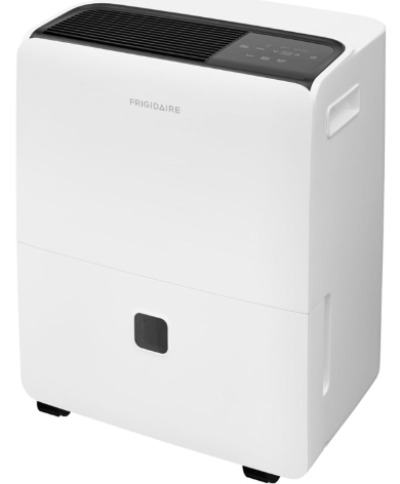
Frigidaire brings decades of appliance experience to this 60-pint unit. The built-in pump and custom humidity controls make it a strong choice for large residential spaces. The clean white design fits modern home aesthetics better than industrial-looking alternatives. This unit balances capacity, features, and residential-friendly design.
Best Use Cases
Large basements up to 4,000 square feet benefit from this unit’s capacity. It works well in finished living spaces where appearance matters. The pump feature suits situations where floor drains aren’t available. Multiple-room moisture control becomes practical with the sufficient capacity. Homes in humid climates need this level of performance to maintain comfort.
Key Features Broken Down
The 60-pint capacity sits between standard home units and commercial models. This sweet spot handles serious humidity without unnecessary size or power consumption. The built-in pump lifts water up to 15 feet, providing drainage flexibility. Custom humidity controls let you set precise targets from 35% to 85% relative humidity.
An electronic controls panel uses a digital display with touch buttons. The auto-shutoff feature stops operation when your target humidity is reached. A full-tank indicator alerts you if the pump system fails or the hose gets blocked. The unit includes both continuous drainage through the pump and a backup bucket option.
Washable filter maintenance is simple. The filter slides out from the front for cleaning. Effortless mobility comes from four caster wheels and a top-mounted handle. The unit remembers your settings after power loss with auto-restart functionality.
Real-Life Usage Insights
Users appreciate the balance between power and noise. This Frigidaire runs quieter than the 70-pint commercial units but moves more air than basic 50-pint models. The pump kicks in smoothly without jarring sounds. The white finish stays clean-looking in living spaces, unlike units with exposed metal or industrial finishes.
The humidity control accuracy is good. Set it to 50%, and it maintains that level within a few percentage points. The digital display is easy to read from across a room. The unit provides consistent airflow without the cycling issues some cheaper models experience. The pump drains completely, leaving no standing water in the internal tank.
Honest Pros and Cons
Pros:
- 60-pint capacity handles large spaces effectively
- Custom humidity control from 35% to 85%
- Clean white design fits home aesthetics
- Pump lifts water up to 15 feet
- Digital controls with clear display
- Auto-shutoff prevents over-drying
- Auto-restart after power outages
- Washable filter for easy maintenance
- Quiet operation for capacity level
- Frigidaire brand reliability
Cons:
- Costs more than basic 50-pint units
- Still produces noticeable sound in quiet rooms
- Pump hose sold separately in some configurations
- Digital controls can be sensitive to touch
- Wheels may mark soft flooring
- Takes up significant floor space
Performance Discussion
This Frigidaire delivers consistent moisture removal across its rated coverage area. In a 1,500 square foot basement, it maintains comfortable humidity levels even during rainy periods. The 60-pint capacity means less frequent cycling, which improves longevity. The compressor runs efficiently without struggling under load.
The custom humidity control actually maintains set points accurately. Many units claim precision but drift by 10% or more. This Frigidaire holds within 5% of the target. The pump keeps up with the dehumidification rate without backing up. Operating costs align with Energy Star expectations for this capacity class.
Ease of Use
Setup takes minimal effort. Attach the drainage hose, plug it in, and set your desired humidity. The digital controls are intuitive enough to skip the manual for basic operation. The touch buttons respond reliably without excessive sensitivity. The display brightness is adjustable for different lighting conditions.
Daily operation requires zero intervention. The pump handles drainage automatically. The filter indicator lights up when cleaning is needed, typically every two weeks. Filter removal, rinsing, and reinstallation takes less than a minute. The wheels make relocating the unit simple when needed.
Value for Money
The Frigidaire sits in the mid-to-upper price range for residential dehumidifiers. The 60-pint capacity justifies the cost for large spaces where smaller units would run constantly. The build quality reflects Frigidaire’s appliance experience – solid construction that should last for years. The pump feature eliminates the daily bucket-emptying chore.
For large basements or whole-floor humidity control, this unit delivers good value. The combination of capacity, features, and residential-friendly design makes it worth the investment. For small spaces or occasional use, a less expensive unit might suffice.
5.Whirlpool Energy Star 50-Pint Portable Dehumidifier with Built-in Pump
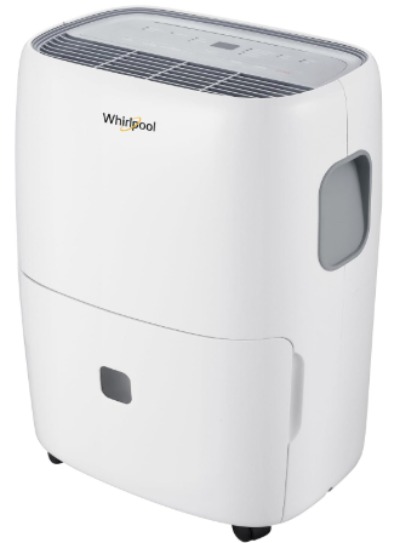
Whirlpool enters the competition with a feature-rich 50-pint unit. The built-in pump combines with Energy Star efficiency for practical everyday use. The programmable timer and auto-shutoff add convenience features that basic units lack. The white finish and compact design make it suitable for various home environments.
Best Use Cases
This unit handles basements up to 4,000 square feet comfortably. It works well in garages where moisture causes rust and mildew. Living rooms in humid climates benefit from its consistent operation. The timer function suits people who want to run it during specific hours or off-peak electricity times. The pump feature solves drainage problems in finished spaces without floor drains.
Key Features Broken Down
The 50-pint capacity provides solid moisture removal for most residential needs. Energy Star certification ensures lower operating costs compared to older models. The built-in pump moves water vertically up to 15 feet through a standard garden hose. A programmable timer lets you schedule operation times to match your routine or utility rates.
Electronic controls include a digital humidity display and adjustment buttons. Auto-shutoff activates when your target humidity is reached or if the pump fails. The unit continues operating with continuous drainage through the pump or uses the 2.1-gallon backup bucket. A washable filter removes airborne particles while controlling humidity.
The unit includes a convenient carrying handle and four smooth-rolling casters. An alert system notifies you when the filter needs cleaning or if any malfunction occurs. The auto-restart function remembers settings after power interruptions.
Real-Life Usage Insights
People who use this Whirlpool praise its quiet operation. The compressor cycles smoothly without sudden loud noises. The pump activates gently, adding minimal sound to the baseline operation. The timer feature proves useful for running the unit during cooler nighttime hours or when electricity rates are lower.
The compact footprint fits into tighter spaces than larger capacity units. The white finish resists yellowing better than some competing models. The control panel lighting is subtle, not bright enough to disturb sleep in occupied spaces. The hose connection rarely leaks when properly attached and maintained.
Honest Pros and Cons
Pros:
- Energy Star certification for efficient operation
- Programmable timer for scheduled operation
- 50-pint capacity balances power and size
- Built-in pump with 15-foot lift capacity
- Compact design fits various spaces
- Quiet operation suitable for living areas
- Auto-shutoff protects against over-drying
- Auto-restart after power loss
- Washable filter for ongoing maintenance
- Whirlpool brand reliability and support
Cons:
- 50-pint capacity may be insufficient for very large spaces
- Timer programming takes practice to master
- Pump occasionally requires priming on first use
- Control panel buttons can be stiff when new
- Casters may struggle on thick carpet
- Backup bucket is relatively small
Performance Discussion
This Whirlpool maintains consistent humidity levels in its rated coverage area. In a 1,000 square foot space, it drops humidity from 70% to 50% within a full day of operation. The Energy Star efficiency shows up in actual electricity consumption, which runs lower than non-certified models of similar capacity.
The pump performs reliably once primed. Some users report needing to fill the hose with water initially to get the pump started, after which it works continuously. The timer function operates accurately, starting and stopping at programmed times. The compressor handles frequent cycling without premature failure.
Ease of Use
Initial setup is straightforward. The timer programming requires consulting the manual but becomes easy after the first setup. The digital display clearly shows current humidity and target settings. The control buttons are labeled clearly, though they may feel stiff initially. Daily operation requires no intervention thanks to the pump and auto-shutoff features.
Filter maintenance follows a simple schedule. Pull out the filter, rinse it under tap water, dry it, and slide it back in. The unit alerts you when this is needed. The pump hose attachment uses standard threading that most people can tighten by hand. The wheels make moving the unit for cleaning or seasonal storage simple.
Value for Money
The Whirlpool offers competitive pricing for its feature set. The Energy Star certification provides measurable savings over the unit’s lifespan. The timer function adds value for users who can take advantage of variable electricity rates. The 50-pint capacity hits the mark for typical residential needs without excess cost.
The Whirlpool brand brings appliance expertise and customer service support. Replacement parts are readily available if needed. For mainstream residential use, this unit delivers reliable performance at a fair price. The combination of efficiency, features, and brand trust makes it a practical choice.
Comparison Insights
Looking at these five units side by side reveals distinct performance tiers and target users. The 50-pint residential units (Midea, Whirlpool) serve typical home humidity control needs efficiently. The 60-pint Frigidaire bridges residential and heavy-duty use. The 70-pint commercial unit and 180 PPD ALORAIR target professional applications and severe moisture problems.
Capacity Considerations
The 50-pint models handle most residential basements and living spaces comfortably. They maintain humidity in typical conditions without running constantly. The 60-pint Frigidaire provides extra capacity for larger spaces or more humid environments. The 70-pint commercial unit becomes necessary when dealing with ongoing water intrusion or very large areas.
The ALORAIR’s 180 PPD capacity exists in a different category entirely. It’s designed for flood restoration and severe water damage, not everyday humidity control. Using it for typical residential needs wastes its capabilities and electricity. Each capacity level serves specific situations, and bigger isn’t always better for every application.
Pump Performance
All five units include pumps, but their implementations vary. The residential models (Midea, Frigidaire, Whirlpool) lift water 15-16 feet vertically, sufficient for most home drainage scenarios. The commercial units push water further, with the ALORAIR handling up to 50 feet horizontally. This matters in commercial buildings or crawl spaces with distant drainage points.
Pump reliability separates quality units from problematic ones. The commercial units (70-pint, ALORAIR) use more robust pumps designed for continuous operation. The residential pumps work reliably but might struggle with extended continuous use. Most home users won’t push pumps to their limits, but knowing the difference helps match units to intended use.
Temperature Range
Cold basement performance varies significantly across these units. The Midea and Whirlpool operate down to 41°F effectively. The Frigidaire handles slightly cooler temperatures. The commercial 70-pint unit works to 36°F. The ALORAIR’s 33°F minimum temperature beats them all, thanks to its hot gas defrost system.
For cold crawl spaces or unheated basements, temperature range becomes critical. Units that ice up in cold conditions become useless until they thaw. The commercial units’ superior defrost systems justify their higher costs in these applications. Warmer basements and living spaces won’t test these limits.
Energy Efficiency
The Energy Star certified units (70-pint commercial, Whirlpool) offer measurable efficiency advantages. The ALORAIR’s LGR technology provides even greater efficiency per pint removed. The Midea and Frigidaire consume power typical for their capacity levels. Over months of continuous operation, efficiency differences add up to noticeable cost variations.
In practical terms, the difference between an efficient and inefficient unit might be $10-20 per month in electricity costs. Over a year, that’s $120-240, which can offset a higher initial purchase price. For units running seasonally, the efficiency difference matters less than for year-round operation.
Build Quality and Durability
The commercial units (70-pint, ALORAIR) use heavier-gauge materials and industrial components. They’re built for continuous operation and rough handling. The residential units prioritize aesthetics and quieter operation but still use quality components. The renewed Midea represents a trade-off – proven design at lower cost with reduced warranty coverage.
Longevity often correlates with price and intended use category. Commercial units should last through years of continuous operation. Residential units typically provide 5-7 years of seasonal use. The five-year warranty on the ALORAIR demonstrates confidence in its professional-grade construction.
Noise Levels
The residential units run significantly quieter than commercial models. The Whirlpool and Frigidaire produce sound levels acceptable for occupied living spaces. The Midea is reasonably quiet for its capacity. The commercial 70-pint unit generates noticeable noise, though not excessive for basement or garage placement. The ALORAIR operates loudest due to its industrial fans and high-capacity compressor.
Noise tolerance varies by installation location and personal sensitivity. A unit that’s too loud for a bedroom might be perfectly acceptable in an unfinished basement. The residential models account for proximity to living spaces in their designs.
Feature Sets
The Frigidaire offers the most comprehensive residential feature set with custom humidity controls and quality construction. The Whirlpool adds timer functionality that others lack. The Midea keeps things simple but effective. The commercial units focus on performance over convenience features. The ALORAIR provides professional-grade controls and monitoring for contractors who need operating data.
For basic humidity control, simple controls suffice. Users who want scheduling, precise humidity targets, or performance tracking will appreciate more advanced features. The price premium for additional features may or may not be worthwhile depending on individual needs.
Buying Guide
Choosing the right dehumidifier with a built-in pump requires matching specifications to your specific situation. Several key factors determine which unit will work best in your space.
Assessing Your Space
Measure your area in square feet to determine minimum capacity needs. A 1,000 square foot basement needs at least a 50-pint unit. Spaces above 2,000 square feet benefit from 60-pint or larger capacity. Very large areas or commercial spaces require 70-pint or industrial models.
Room height matters too. Tall ceilings increase the volume of air that needs dehumidifying. Standard 8-foot ceilings align with manufacturer square footage ratings. Higher ceilings may require stepping up to the next capacity level.
Consider the moisture source. A damp basement from occasional seepage differs from a flooded crawl space with standing water. Ongoing water intrusion demands commercial capacity and durability. Seasonal humidity control needs less aggressive specifications.
Temperature Considerations
Check the lowest temperature in your space during dehumidifier operation. Basements that drop below 45°F need units with strong defrost systems. The commercial 70-pint and ALORAIR handle cold temperatures better than residential models. Heated living spaces won’t challenge any of these units’ temperature ranges.
Cold-weather operation impacts efficiency. Units running near their minimum temperature threshold work harder and remove less moisture. In very cold conditions, consider adding heat to improve dehumidification performance.
Drainage Planning
Measure the distance from your dehumidifier location to the nearest drain. Vertical lift and horizontal run both matter. Most residential pumps handle 15-16 feet vertically. The commercial units push water further horizontally. Plan your drainage route to avoid sharp bends that reduce flow.
Consider drain location options. Floor drains, utility sinks, and sump pits all work. Draining outside through a window is possible but may not be practical in cold weather. Always slope hoses downward when possible, even with a pump, to reduce strain on the pump mechanism.
Electrical Requirements
All these units run on standard 115-volt household circuits. Check your circuit capacity – a dehumidifier shouldn’t share a circuit with major appliances. A dedicated 15-amp circuit handles any of these units safely. Extension cords aren’t recommended for continuous-operation appliances.
Consider electrical costs. Calculate estimated runtime and multiply by the unit’s wattage. Energy Star models reduce operating expenses. In regions with time-of-use electricity rates, timer functions can shift operation to cheaper hours.
Noise Sensitivity
Evaluate acceptable noise levels for your situation. Unoccupied basements and crawl spaces tolerate louder commercial units. Living spaces need quieter residential models. The Whirlpool and Frigidaire run quietest among these options. The ALORAIR is loudest but appropriate for professional applications where noise is less critical.
Test noise tolerance if possible. Some people sleep through dehumidifier sounds, others find them disruptive. Location matters – a unit in an adjacent room sounds quieter than one in the same space.
Budget Reality
Set a realistic budget including purchase price, installation needs, and ongoing costs. Renewed units like the Midea offer lower entry prices. Mid-range residential units balance cost and features. Commercial units require higher investment but deliver greater capacity and durability.
Factor in electricity costs over the unit’s lifetime. An efficient unit with a higher purchase price may cost less overall than a cheap, inefficient model. Pump reliability matters too – a failed pump means manual bucket emptying until repairs.
Warranty and Support
Review warranty coverage carefully. The ALORAIR’s five-year warranty stands out. Standard residential warranties typically cover one to two years. Renewed units have limited warranty coverage. Extended warranties may be available at additional cost.
Consider parts availability and service options. Major brands like Frigidaire and Whirlpool have extensive service networks. Commercial units may require specialized technicians. DIY repairs are possible on some models but void warranties.
Who Should Buy These Products
Each of these dehumidifiers serves different buyers with specific needs. Matching your situation to the right unit prevents disappointment and wasted money.
Homeowners with Standard Basements
The Midea 50-pint renewed or Whirlpool 50-pint suit typical finished or unfinished basements under 2,000 square feet. These units handle seasonal humidity control efficiently. Homeowners who want set-it-and-forget-it operation benefit from the built-in pumps. People on budgets should consider the renewed Midea for solid performance at lower cost.
Large Home Owners
The Frigidaire 60-pint handles expansive basements and multiple-room moisture control. Homeowners with 2,000-4,000 square foot basements need this capacity level. People who value appearance in living spaces appreciate the Frigidaire’s clean design. Those wanting precise humidity control will use the custom settings.
Property Managers and Landlords
The 70-pint commercial unit fits rental properties and apartment buildings. Its durability handles continuous operation across multiple seasons. Property managers who need reliable, low-maintenance units benefit from its commercial-grade construction. The Energy Star rating keeps utility costs reasonable for landlords paying electricity.
Restoration Contractors
The ALORAIR 180 PPD targets water damage professionals exclusively. Contractors handling flood cleanup need its extreme capacity. Restoration companies benefit from the five-year warranty on frequently-used equipment. Professional users who track performance data will appreciate the digital monitoring features.
Humid Climate Residents
Anyone living in consistently humid regions needs year-round dehumidification. The Energy Star units (70-pint commercial, Whirlpool) reduce electricity costs for continuous operation. Residents in the Southeast, Gulf Coast, or Pacific Northwest should prioritize efficiency and reliability over capacity overkill.
Cold Basement Situations
People with unheated basements or crawl spaces need strong defrost capabilities. The commercial 70-pint or ALORAIR handle cold temperatures best. Homeowners in northern climates or with below-grade spaces should prioritize low-temperature performance. Cold-weather operation eliminates the frustration of frozen units.
DIY Enthusiasts
Home improvement enthusiasts want reliable tools that don’t require constant attention. The Whirlpool or Frigidaire provide good feature sets without overwhelming complexity. DIY-ers appreciate washable filters and simple maintenance. People comfortable with basic troubleshooting can handle these units confidently.
Budget-Conscious Buyers
The Midea renewed offers the best value for basic needs. Budget shoppers should accept limited warranty coverage in exchange for lower cost. People who need pump functionality without premium features find good value here. Buyers willing to handle potential repairs themselves can save significantly with renewed units.
Common Mistakes to Avoid
Many people make predictable errors when buying and using dehumidifiers with pumps. Avoiding these mistakes saves money, frustration, and potential property damage.
Undersizing Capacity
Buying too small a unit for your space is the most common error. A 30-pint unit in a 2,000 square foot basement will run constantly without adequate results. The compressor wears out faster from continuous operation. Always match or slightly exceed the recommended capacity for your square footage.
Don’t assume smaller units save electricity. An undersized unit running 24/7 uses more power than a properly-sized unit cycling normally. The larger unit also maintains better humidity control with less wear on components.
Ignoring Temperature Limitations
Running a unit below its minimum operating temperature causes ice buildup and poor performance. Check your space’s coldest temperature before buying. Don’t assume all dehumidifiers work in cold basements – many residential units fail below 45°F. Cold-weather performance specs matter if your space gets chilly.
Pump Maintenance Neglect
Many users never clean or inspect their pumps until they fail. Condensate can carry minerals that build up in pump mechanisms. Inspect pump operation monthly during active use. Clear the pump intake screen regularly. Run white vinegar through the system occasionally to prevent mineral deposits.
Don’t ignore warning signs like unusual pump noise or slow drainage. These indicate developing problems that are easier to fix early. A failed pump at the start of humid season leaves you emptying buckets manually until replacement.
Filter Ignorance
Clogged filters reduce airflow and dehumidification efficiency dramatically. Many people never clean filters until the unit stops working. Check filters every two weeks during active use. Wash reusable filters rather than buying replacements. A clean filter can improve efficiency by 25% or more.
Dusty environments require more frequent filter cleaning. Basements with drywall dust, workshops with sawdust, and homes with pets need weekly filter checks. Set phone reminders if you tend to forget maintenance tasks.
Drainage Hose Problems
Using the wrong hose causes pump failures and water damage. Garden hoses work but may kink. Clear vinyl tubing shows flow but gets brittle over time. Size matters – undersized hoses restrict flow and strain pumps. Secure connections prevent leaks that damage surroundings.
Don’t create drainage routes with multiple sharp bends. Each 90-degree turn reduces flow and increases pump workload. Plan the straightest possible route to your drain. Elevate hose ends to prevent backflow when the pump stops.
Placement Errors
Setting units too close to walls blocks airflow and reduces efficiency. Most units need 12-18 inches of clearance on intake and exhaust sides. Corner placement restricts airflow from two directions. Central room placement provides better air circulation and moisture removal.
Don’t place units on soft surfaces like thick carpet. They need firm, level surfaces for proper operation. Unlevel placement can affect pump function and cause unusual noises. Basements with uneven floors may need shimming for proper unit leveling.
Electrical Issues
Plugging dehumidifiers into extension cords creates fire hazards and voltage drops. These units draw significant current continuously. Extension cords overheat with prolonged high current draw. Always plug directly into wall outlets on adequate circuits.
Sharing circuits with other major appliances causes breaker trips. Dehumidifiers need dedicated circuit capacity. Don’t run a dehumidifier, space heater, and shop tools on the same circuit simultaneously.
Humidity Setting Mistakes
Setting target humidity too low wastes electricity and can damage materials. Most spaces need 40-50% relative humidity. Going below 35% dries out wood and creates static electricity problems. Going above 60% allows mold growth and musty smells.
Don’t set humidity targets without measuring initial conditions. Use a separate humidity meter to verify unit readings. Some built-in sensors are inaccurate. Knowing actual humidity helps set realistic targets.
Seasonal Storage Failures
Storing units without proper cleaning leads to mold growth and component damage. Clean and dry units completely before storage. Remove and clean filters. Run the fan-only mode to dry internal components. Leaving water in pumps causes corrosion and freeze damage in cold storage areas.
Don’t store units in extremely cold locations without draining all water. Frozen water damages pump mechanisms and internal plumbing. Bring units to room temperature before restarting after cold storage.
Final Verdict
After reviewing these five dehumidifiers with built-in pumps, clear winners emerge for different situations. No single unit is best for everyone – the right choice depends on your specific needs.
Best for Most Homeowners
The Whirlpool Energy Star 50-pint strikes the best balance for typical residential use. It offers sufficient capacity for standard basements and large rooms. The Energy Star efficiency keeps costs reasonable for extended operation. The timer function adds flexibility that competitors lack. The quiet operation suits lived-in spaces. At a competitive price point with solid brand support, this unit delivers reliable performance without unnecessary complexity.
Best Value Option
The Midea 50-pint renewed provides the most bang for your buck. It handles typical moisture problems at a significantly lower price than new units. The pump function works reliably. The capacity matches most residential needs. The trade-off is limited warranty coverage and potential cosmetic imperfections. For budget-conscious buyers willing to accept some risk, this renewed unit offers strong value.
Best for Large Spaces
The Frigidaire 60-pint handles expansive areas that overwhelm smaller units. The extra capacity prevents constant cycling in large basements. The custom humidity controls provide precision that basic units lack. The clean design fits finished spaces. It costs more than 50-pint models but delivers proportional performance gains. Homeowners with 2,000+ square foot basements should seriously consider this capacity level.
Best for Commercial Use
The 70-pint commercial dehumidifier serves rental properties, commercial facilities, and severe residential moisture problems. Its durability handles continuous operation. The Energy Star rating controls operating costs despite high capacity. The build quality justifies the higher price for users who need reliability over months of unattended operation.
Best for Professionals
The ALORAIR 180 PPD belongs in contractor toolkits exclusively. Its extreme capacity and LGR efficiency tackle flood restoration and severe water damage. The five-year warranty protects the significant investment. The professional-grade monitoring and controls serve contractors who need performance data. This unit is overkill for typical residential use but essential for professional water damage work.
Decision Framework
Start with your space size and moisture severity. Typical basements under 2,000 square feet work well with 50-pint units. Larger spaces need 60-pint or greater capacity. Severe moisture or commercial use demands 70-pint or industrial units.
Factor in temperature conditions. Cold basements need commercial-grade defrost systems. Heated spaces work fine with residential units. Consider efficiency if running continuously. Energy Star models pay back their premium through lower electricity costs.
Evaluate your budget realistically. The cheapest unit that meets your needs often costs more long-term through inefficiency or premature failure. The most expensive unit likely includes capacity or features you’ll never use. The sweet spot balances initial cost, operating expenses, and reliability.
Implementation Tips
Whichever unit you choose, proper setup determines success. Place it centrally for best air circulation. Attach drainage hoses securely without kinks. Set realistic humidity targets between 45-50% initially. Clean filters on schedule. Monitor performance during the first week and adjust settings as needed.
Don’t expect instant results. Dehumidifiers take time to dry saturated materials. Give new units several days of continuous operation before judging performance. Once humidity stabilizes, most units cycle on and off normally.
Long-Term Success
These dehumidifiers with built-in pumps solve the bucket-emptying problem permanently. They run independently, maintaining comfortable humidity levels without daily intervention. Proper maintenance extends their lifespan significantly. Clean filters, inspect pumps, and monitor drainage regularly.
The right dehumidifier transforms damp, musty spaces into comfortable, healthy environments. Mold growth stops. Musty smells disappear. Storage items stay dry. Finished spaces become livable. The investment in a quality unit with a reliable pump pays dividends in comfort and property protection.
Take time to match your specific situation to the appropriate unit. Don’t overbuy capacity you don’t need or underbuy and struggle with inadequate performance. These five options cover the spectrum from budget-friendly renewed units to professional restoration equipment. One of them fits your needs perfectly – choose based on your space, conditions, and budget rather than brand names or flashy features.
Hi, I’m Mary, the founder of Homygear.com. I’m passionate about creating a comfortable, smart, and beautiful home. I share practical insights and real-world experience on home gear that makes everyday life easier. Behind the scenes, my dedicated research team studies products in depth, and our writers craft honest reviews using trusted, authentic sources—so you can choose home gear with confidence.