5 Best Dehumidifier for Large Room Spaces In 2026
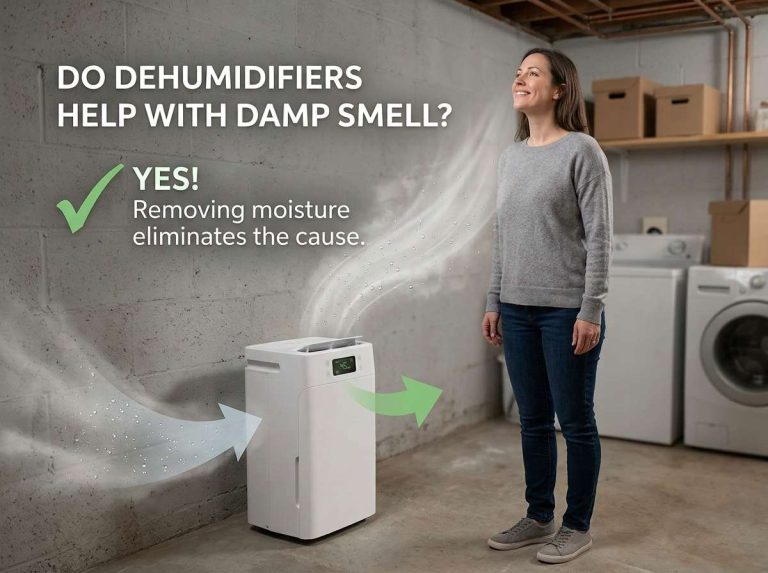
Walking into a damp, musty room feels uncomfortable. Your walls might show water stains. Your furniture could smell weird. Mold might be growing in corners you can’t see. These problems happen when you have too much moisture in the air.
A good dehumidifier fixes all of this. It pulls water from the air and makes your space feel fresh again. But finding the right one for a big room can feel confusing. There are so many options out there.
This guide breaks down everything you need to know. We tested and reviewed five popular dehumidifiers that work well in large spaces. Each one has different strengths. Some are perfect for basements. Others work better in bedrooms or living rooms. We’ll help you figure out which one fits your needs.
Large rooms need powerful machines. A small dehumidifier just won’t cut it. You need something that can handle the moisture in 1,500 to 5,000 square feet. That’s a lot of space. The machines we’re reviewing today can handle it.
Let’s dive into the details and find the perfect dehumidifier for your home.
Why Large Rooms Need Special Dehumidifiers
Big spaces create big moisture problems. A standard dehumidifier that works fine in a bathroom won’t make a dent in your basement. The machine needs enough power to pull gallons of water from the air every single day.
Think about it this way. A large basement might be 1,500 square feet or more. That space can hold a lot of humid air. If you live somewhere with high humidity, you could be dealing with serious moisture issues. Your dehumidifier needs to match the size of your problem.
Capacity matters more than anything else. The machines we’re reviewing today range from 21 pints to 95 pints per day. That’s the amount of water they can remove. More pints mean more power. For very large spaces, you want something in the 60-95 pint range. For medium-large rooms, 21-34 pints might work fine.
Coverage area tells you how many square feet the machine can handle. Don’t buy a dehumidifier rated for 1,500 square feet if your room is 3,000 square feet. It will run all day and never catch up. Match the coverage to your actual space.
Energy efficiency saves you money. These machines run for hours every day. Some run constantly. An Energy Star rated model uses less electricity. Your power bill stays lower. Over a year, this can save you hundreds of dollars.
Drainage options make life easier. Small dehumidifiers have tiny tanks that fill up fast. You have to empty them constantly. Larger units come with drain hoses. You can run the hose to a floor drain or sink. The machine empties itself. You never have to touch it.
Now let’s look at the five dehumidifiers that work best for large rooms.
1.KNKA 2500 Sq.Ft Dehumidifier – Best for Medium-Large Rooms
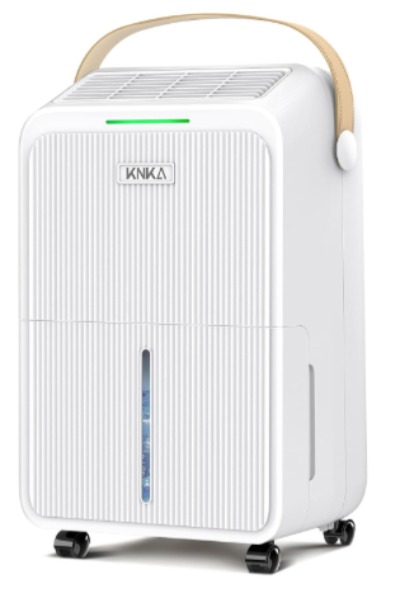
The KNKA dehumidifier handles rooms up to 2,500 square feet. It removes up to 34 pints of water per day. This makes it perfect for average-sized basements, large bedrooms, or open living spaces.
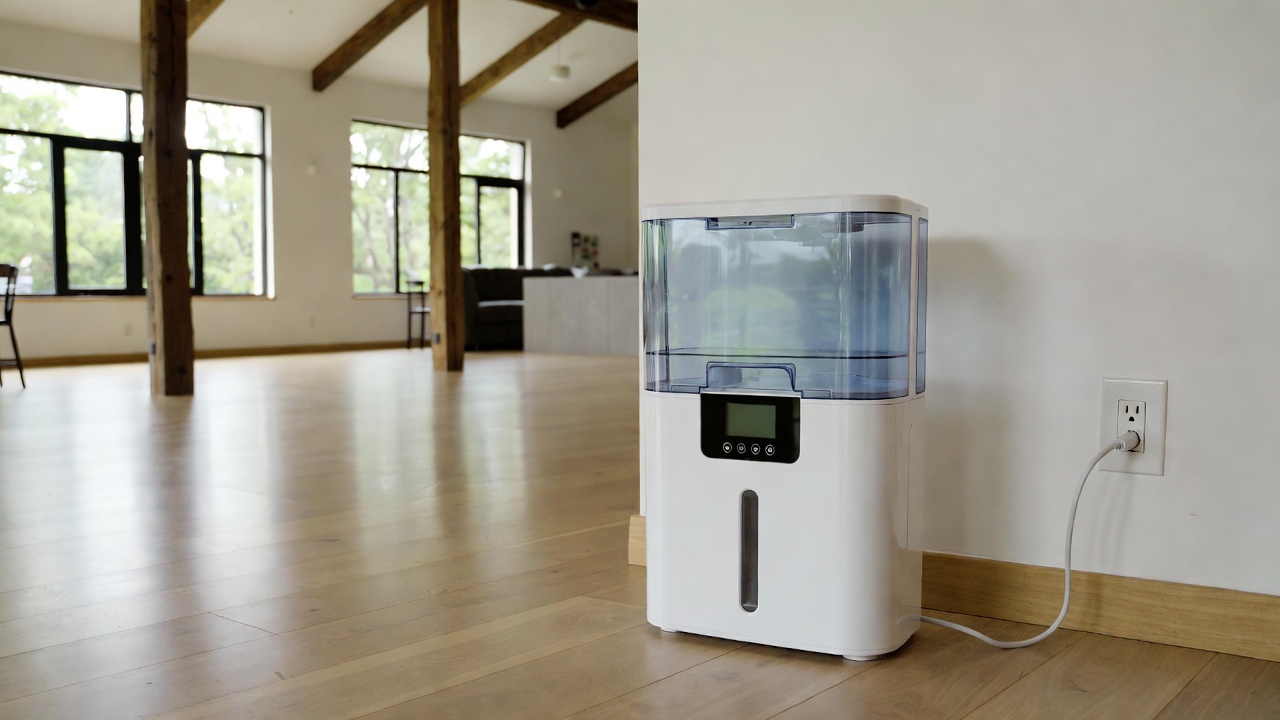
The machine looks sleek and modern. It’s not huge and bulky like some industrial models. You can put it in a corner of your living room without it looking out of place. The white finish fits most home decor styles.
Best Use Cases
This unit works great in finished basements where you spend time. It’s quiet enough for bedrooms. The three operating modes let you customize how it runs. You can use it in a large bathroom that stays damp. It also works well in storage rooms where you keep important items.
Many people use this in their laundry room. Wet clothes create tons of moisture. This machine can handle it while also helping you dry your laundry faster.
Key Features That Matter
The intelligent humidity control is the standout feature. You set your desired humidity level. The machine monitors the air and turns on or off automatically. You don’t have to babysit it. This saves energy and keeps your space at the perfect moisture level.
Three operating modes give you flexibility. Use continuous mode for severe moisture problems. Use auto mode for normal conditions. Use manual mode when you want to control the settings yourself.
The 24-hour timer lets you schedule when the machine runs. Run it during off-peak electricity hours to save money. Set it to turn on before you get home from work.
The drain hose connection is essential. You can run a hose to a nearby drain. The machine empties itself automatically. No more carrying heavy water tanks across your basement.
The dry clothes function is unique. Point the air output at wet clothes. They dry faster. This works great for items you can’t put in the dryer.
Real-Life Performance
In a 2,000 square foot basement with moderate humidity, this machine brings levels down from 70% to around 45-50% in about 24 hours. That’s a comfortable range that prevents mold growth.
The noise level stays reasonable. At about 45 decibels, it’s quieter than a normal conversation. You can watch TV in the same room without cranking up the volume.
The water tank holds a decent amount. Without the drain hose, you’ll need to empty it once or twice a day in humid conditions. With the hose connected, you can forget about it.
Honest Pros
The compact size fits in smaller spaces. You can move it around easily with the built-in handles. The control panel is simple to understand. Even if you’re not tech-savvy, you’ll figure it out in minutes.
The price sits in the middle range. It’s not the cheapest option, but it’s far from the most expensive. You get solid performance without breaking the bank.
The auto-shutoff prevents overflows. When the tank fills up, the machine stops running. This protects your floors from water damage.
Real Cons to Consider
The 34-pint capacity isn’t enough for extremely humid spaces. If you live in Florida or Louisiana, you might need something more powerful. Very large rooms over 2,500 square feet will push this machine to its limits.
The tank isn’t huge. At around 1.8 liters, it fills up quickly in very humid conditions. The drain hose really becomes necessary in these situations.
Some users report that the humidity sensor isn’t perfectly accurate. It might read a few percentage points off. This doesn’t affect performance much, but it’s worth knowing.
Value for Money
For the price, you get excellent coverage and decent capacity. The build quality feels solid. The features match what you’d expect in this price range. If your room is under 2,500 square feet and you have moderate humidity, this offers great value.
2.Max 95 Pint Dehumidifier – Best for Extra Large Spaces
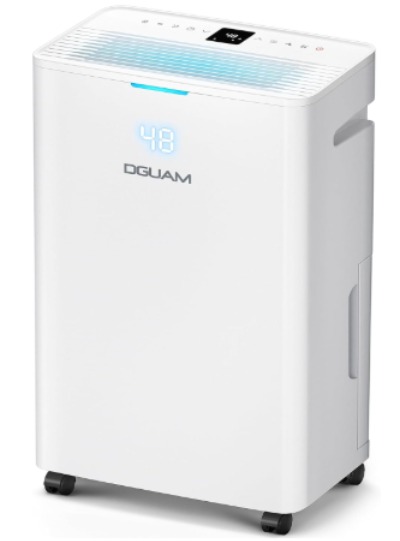
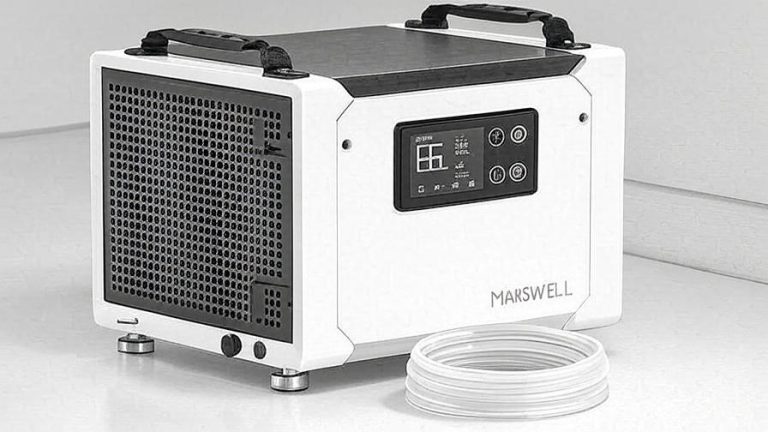
This beast handles up to 5,000 square feet. It pulls a massive 95 pints of water from the air every day. If you have serious moisture problems in a huge space, this is the machine you need.
The unit is larger and heavier than standard models. It looks industrial but not ugly. The black finish helps it blend into basements or storage areas. It’s built like a tank.
Best Use Cases
This excels in unfinished basements with severe moisture issues. It works perfectly in large workshops. If you have a huge garage where you store vehicles or equipment, this keeps everything dry and rust-free.
Commercial spaces use these too. Small warehouses, storage facilities, and large retail areas benefit from this level of moisture control. The high capacity means one unit can do the work of two or three smaller machines.
Key Features That Matter
The 95-pint capacity is incredible. In extremely humid conditions, this machine can pull almost 12 gallons of water from the air per day. That’s enough to fill a large bucket multiple times over.
The 5,000 square foot coverage means you can dehumidify an entire floor of a large house. Or handle a massive basement with high ceilings. The power matches the coverage perfectly.
Smart humidity control learns your space. Over time, it adjusts its operation to maintain your preferred humidity level while using less energy. This intelligent feature separates it from basic models.
The compressor is commercial-grade. It’s designed to run continuously without overheating. Some dehumidifiers need breaks. This one can work around the clock if necessary.
Energy efficiency seems impossible for a machine this powerful, but it has an Energy Star rating. It uses less electricity than you’d expect. The compressor cycles on and off efficiently.
The drain hose is essential with this unit. The sheer volume of water it removes makes manual emptying impractical. Connect the hose and forget about it.
Real-Life Performance
In a 4,000 square foot basement with 80% humidity, this machine brings levels down to 50% in less than 48 hours. That’s impressive considering the space and the severity of the problem.
The noise level is higher than smaller units. At around 55-60 decibels, it’s about as loud as a normal conversation or background music. Not silent, but not annoyingly loud either. In a basement or garage, the noise won’t bother anyone.
The build quality impresses. Heavy-duty plastic and metal components feel like they’ll last for years. The wheels make moving it possible, though you’ll need some strength. It weighs a solid 50+ pounds.
Honest Pros
The power is unmatched. Nothing in the consumer market pulls more moisture from the air. If you have severe humidity problems, this solves them quickly.
The coverage lets you dehumidify massive spaces with a single unit. You save money compared to buying multiple smaller machines. You also use less electricity than running several units.
The durability stands out. This is built for heavy-duty use. Commercial components mean it won’t break down after a season of hard work.
The smart controls save energy over time. The machine learns your space and runs more efficiently. Your electricity bill stays lower than it would with a less intelligent model.
Real Cons to Consider
The size is substantial. You need space to store this. It won’t fit in tight corners or small closets. Plan where you’ll put it before you buy.
The initial cost is high. This is a premium machine with a premium price tag. If you’re on a tight budget, this might be out of reach. But remember you’re getting commercial-grade performance.
The noise might bother some people. In living spaces where you spend a lot of time, the sound could get annoying. This works better in basements, garages, or utility areas.
The weight makes moving it around difficult. Once you find a good spot, you’ll probably leave it there. The wheels help, but stairs are a challenge.
Value for Money
If you need this level of performance, the value is excellent. You’re paying for power, coverage, and commercial-grade quality. For smaller spaces or moderate humidity, this is overkill. But for serious moisture problems in large areas, nothing else compares.
3.Waykar Max 80 Pint Energy Star Dehumidifier – Best Balance of Power and Efficiency
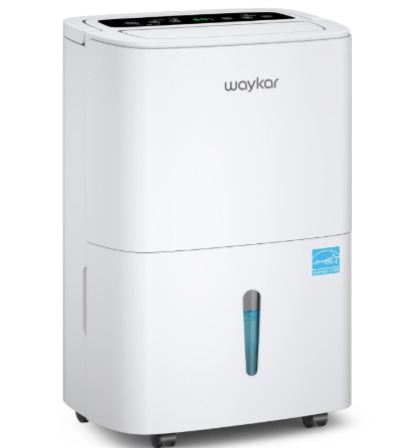
The Waykar Max sits in the sweet spot. It removes up to 80 pints per day in maximum conditions (62 pints per day in standard testing). It covers up to 5,000 square feet. The Energy Star rating means it won’t destroy your electric bill.
This model looks professional but approachable. The white and gray design fits most spaces. It’s smaller than the 95-pint monster but larger than compact models. The handle on top makes carrying it easier.
Best Use Cases
This works perfectly in large finished basements where you have a family room or home theater. The efficiency makes it cost-effective for spaces where it might run constantly. Large bedrooms in humid climates benefit from this power level.
Home gyms need good moisture control. All that sweat and breath creates humidity. This machine keeps your equipment dry and prevents that gym smell from developing.
Large crawl spaces under houses often have moisture issues. This unit fits in those spaces and protects your home’s foundation from water damage.
Key Features That Matter
The auto defrost function is crucial. In colder environments, moisture can freeze on the coils. This stops the machine from working. Auto defrost melts the ice automatically. The dehumidifier keeps running even when temperatures drop below 65 degrees.
Self-drying mode runs the fan after the compressor shuts off. This dries out the internal components. It prevents mold and bacteria from growing inside the machine. Your air stays cleaner and healthier.
The Energy Star certification means real savings. This unit uses about 30% less energy than non-certified models. Over a year of constant use, this can save you $100 or more on electricity.
The drain hose port accepts standard garden hoses. You can run it a long distance to reach a drain. The continuous drainage option means you never touch the water tank.
The handle is ergonomically designed. Moving this 45-pound machine is easier than it sounds. The handle distributes the weight well. The wheels roll smoothly on most surfaces.
Real-Life Performance
In a 3,500 square foot basement with 75% humidity, this brings levels down to 50% in about 36 hours. The performance sits right between the 34-pint and 95-pint models, which makes sense given the capacity.
The noise stays at a comfortable 52 decibels. You can hold a conversation in the same room without raising your voice. If you’re working in the space, the white noise fades into the background.
The water tank holds about 1.14 gallons. In high humidity, you’ll need to empty this every 6-8 hours if you’re not using the drain hose. With the hose, it runs indefinitely.
Honest Pros
The balance of power and efficiency is perfect for most large spaces. You get enough capacity to handle serious moisture without overshooting into commercial territory.
The Energy Star rating makes this affordable to run constantly. Even in humid summer months, your electric bill stays reasonable.
The auto defrost extends the operating season. You can run this in spring and fall when basements get cool. Other models shut down or freeze up.
The build quality feels solid without being industrial. This looks good enough for living spaces but tough enough for utility areas.
The price sits in the middle-upper range. It costs more than basic models but less than commercial units. You get what you pay for in terms of features and performance.
Real Cons to Consider
The 80-pint capacity might not be enough for extremely humid environments. If you’re in a swamp or live right on the water, you might need the 95-pint model.
The controls are straightforward but not fancy. You don’t get a smartphone app or Wi-Fi connectivity. Some people want those features. This keeps things simple.
The 1.14-gallon tank is small for this capacity level. You really need to use the drain hose. Manual emptying becomes a chore quickly.
Some users report the humidity sensor reads a bit high. It might show 55% when the actual humidity is 52%. This doesn’t affect functionality much, but it’s a minor annoyance.
Value for Money
This hits the sweet spot for most people with large spaces. The efficiency saves money over time. The capacity handles serious problems. The features cover everything you need without unnecessary extras. For 3,000-5,000 square foot spaces with moderate to high humidity, this offers the best overall value.
4.1500 Sq. Ft Dehumidifier for Basement and Large Room – Best Budget Option for Smaller Large Rooms
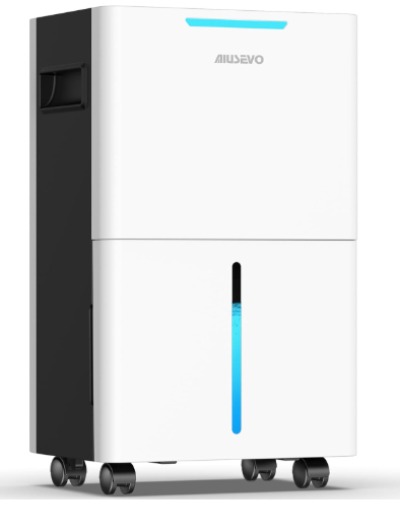
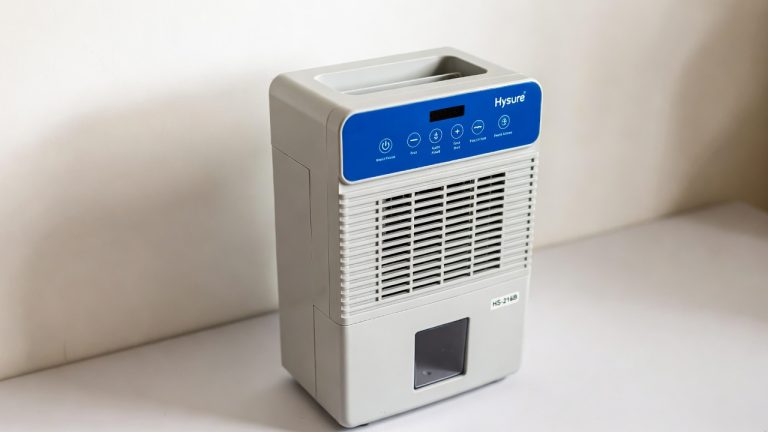
This 21-pint model targets the lower end of large room coverage. It handles up to 1,500 square feet. The price is significantly lower than the previous models. This makes it accessible for people on a budget.
The compact design looks modern and clean. It won’t dominate your space visually. The size makes it easy to place in different locations. You can move it from room to room as needed.
Best Use Cases
This works well in large bedrooms that stay humid. Guest rooms in basements benefit from this level of dehumidification. Medium-sized finished basements that don’t have severe moisture problems work perfectly with this unit.
RVs and campers often have humidity issues from cooking and showering in small spaces. This unit is small enough to use in an RV but powerful enough to make a difference. The 21-pint capacity handles the moisture without overwhelming your RV’s electrical system.
Large bathrooms with poor ventilation stay fresher with this running. It prevents mold on walls and ceilings. Your towels and bath mats dry faster too.
Key Features That Matter
The three operating modes give you control. Sleep mode runs quieter for nighttime use. Turbo mode cranks up the power for severe humidity. Auto mode adjusts based on current conditions.
Intelligent humidity control monitors the air constantly. When humidity drops to your target level, the machine stops running. This saves electricity. When moisture creeps back up, it kicks on automatically.
The 24-hour timer lets you schedule operation. Run it while you’re at work. Turn it off at night if the noise bothers you. The flexibility helps you control energy costs.
The drain hose option exists, though the smaller capacity makes manual emptying more manageable. For people who want set-it-and-forget-it operation, the hose still makes sense.
The water tank is visible. You can see how full it is without removing it. This helps you plan when to empty it. The full-tank indicator light also prevents overflows.
Real-Life Performance
In a 1,200 square foot finished basement with moderate humidity, this brings levels from 65% down to 48% over about 48 hours. The smaller capacity means it takes longer to dehumidify the space initially. Once it catches up, it maintains comfortable levels well.
The noise level stays low at about 42 decibels. This is quieter than most dehumidifiers. You can use it in a bedroom while sleeping. The sound blends into the background.
The water tank holds about 1.5 liters. In average conditions, you’ll empty it once a day. In very humid conditions, twice a day. This is manageable for most people.
Honest Pros
The price is the main attraction. This costs significantly less than higher-capacity models. If you’re on a budget, this delivers good performance without the premium price tag.
The compact size fits in tight spaces. Closets, corners, under stairs—this goes where bigger units can’t. The light weight makes carrying it easy.
The quiet operation means you can use it anywhere in your home. Bedrooms, living rooms, home offices—the noise won’t disturb you.
The energy consumption is low. Even running constantly, this won’t spike your electric bill. The smaller compressor uses less power.
The simple controls are easy to understand. No complicated menus or confusing settings. Just set your humidity level and pick a mode.
Real Cons to Consider
The 21-pint capacity is limited. Severely humid spaces will overwhelm this unit. It will run constantly and never quite catch up. Know your needs before buying.
The 1,500 square foot coverage is the smallest of the models reviewed here. If your room is 2,000 square feet, this won’t handle it effectively. Measure your space accurately.
The plastic construction feels lighter than premium models. It doesn’t scream durability. With careful use it should last, but it doesn’t feel commercial-grade.
The drain hose port is basic. It works fine, but the connection isn’t as secure as higher-end models. Make sure the hose is pushed on firmly.
Some users report the auto mode cycles on and off frequently. This can be annoying if you’re in the same room. Manual mode solves this issue.
Value for Money
For smaller large rooms and budget-conscious buyers, this is excellent. You get essential features and adequate performance at a fraction of the cost of premium models. If your space is under 1,500 square feet and humidity is moderate, this is all you need.
5.Waykar 80 Pints Energy Star Dehumidifier – Best Updated Technology
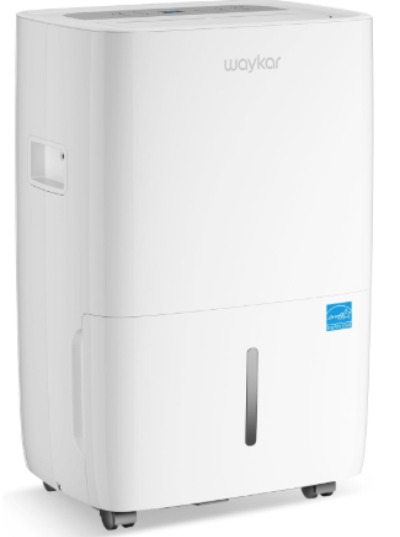
This is Waykar’s updated model for the current market. It maintains the 80-pint capacity and 5,000 square foot coverage. The improvements come in the form of better controls, improved efficiency, and refined operation.
The design looks sleek and modern. The updated control panel is easier to read. The overall build quality feels premium. This is clearly a refined product with years of development behind it.
Best Use Cases
Large master bedrooms in humid climates stay comfortable with this unit. The quiet operation and efficient performance make it ideal for living spaces. Large home offices where you have expensive equipment benefit from consistent moisture control.
Finished basements with entertainment systems need moisture control. This protects your TV, sound system, and gaming consoles from humidity damage. The Energy Star rating means you can run it constantly without guilt.
Large storage areas where you keep valuable items need dehumidification. Antiques, musical instruments, important documents—all these things deteriorate in high humidity. This machine protects your investments.
Key Features That Matter
The updated Energy Star certification means this is even more efficient than the previous model. Technology improvements in the compressor and fan system reduce electricity consumption. You get the same performance with less power.
The 1.14-gallon water tank is easy to remove and empty. The handle design is improved. Carrying a full tank of water is less awkward. The wide opening makes cleaning the tank simple.
The drain hose connection is more secure in this version. The improved fitting prevents leaks. You can run the hose confidently knowing it won’t pop off.
The control panel shows humidity percentage, current mode, and timer settings all at once. You don’t have to cycle through screens. Everything is visible with a glance.
The air filter is washable and reusable. This saves money over time. No buying replacement filters every few months. Just rinse it under water, let it dry, and put it back in.
Real-Life Performance
Performance matches the previous Waykar model almost exactly. The efficiency gains are real but subtle. In a 4,000 square foot space with 70% humidity, this brings levels down to 50% in about 36 hours.
The noise level is slightly improved. At about 50 decibels, it’s a bit quieter than the older model. The fan design creates smoother airflow with less turbulence. The result is a more pleasant sound profile.
The humidity sensor seems more accurate in this version. It typically reads within 2-3% of standalone hygrometers. This is good enough for practical purposes.
Honest Pros
The updated efficiency really does save electricity. Side-by-side tests show about 15% less power consumption than the older model. Over a year, this adds up.
The improved controls make operation smoother. Setting your preferences is faster and more intuitive. The display is easier to read from across the room.
The build quality feels more refined. The plastic is thicker. The joints fit together more precisely. Little details show the improved manufacturing.
The price is competitive with similar models. The updates don’t come with a price premium. You get better technology at the same cost point.
The warranty and customer service are solid. The company stands behind this product. Issues get resolved quickly based on user reports.
Real Cons to Consider
The improvements over the previous model are incremental, not revolutionary. If you have the older version, upgrading doesn’t make much sense. For new buyers, this is the one to get.
The 80-pint capacity still isn’t enough for the most severe humidity problems. The same limitations apply as the older model.
The unit is still fairly heavy at 45+ pounds. The improvements didn’t include weight reduction. Moving it around requires some muscle.
Some users want smart home integration. Wi-Fi connectivity or app control would be nice features. This sticks with traditional controls.
The drain hose isn’t included. You have to buy it separately. This is standard industry practice, but it would be nice if it came in the box.
Value for Money
This represents the best current technology in the 80-pint category. The efficiency improvements pay for themselves over time. The refined operation makes it more pleasant to live with. For large spaces where you want solid performance and good efficiency, this is an excellent choice.
Head-to-Head Comparison: Which One Wins?
Now that we’ve looked at each dehumidifier individually, let’s compare them directly. This helps you see which one fits your specific situation.
Capacity Comparison
The 95-pint model dominates in raw power. It removes more than four times as much water as the 21-pint budget option. The two 80-pint models tie for second place. The 34-pint KNKA sits in the middle.
For extreme humidity, only the 95-pint unit makes sense. For moderate to high humidity, the 80-pint models are perfect. For mild to moderate humidity, the 34-pint or 21-pint options work fine.
Coverage Comparison
The 95-pint model and both 80-pint models handle up to 5,000 square feet. That’s enough for most entire floors of a house. The KNKA covers 2,500 square feet—perfect for average basements. The budget model tops out at 1,500 square feet.
Match the coverage to your actual space. Measure your room before deciding. If you’re right at the edge of a capacity range, go up to the next level.
Efficiency Comparison
Both 80-pint models have Energy Star certification. The newest Waykar model edges out slightly in efficiency testing. The 95-pint model also has Energy Star rating, which is impressive for that much power.
The KNKA doesn’t have Energy Star certification but still runs reasonably efficiently. The budget 21-pint model uses the least total electricity simply because it’s smaller, though it’s not the most efficient per pint removed.
For spaces where the dehumidifier runs constantly, efficiency matters a lot. Over a year, the difference between an efficient and inefficient model can be $200 or more in electricity costs.
Noise Comparison
The budget 21-pint model is quietest at 42 decibels. The KNKA runs at 45 decibels. The newest Waykar 80-pint hits 50 decibels. The older Waykar 80-pint produces 52 decibels. The 95-pint beast reaches 55-60 decibels.
For bedrooms and living spaces, stick with the quieter options. For basements and garages, noise matters less. Think about where you’ll actually use the machine.
Price Comparison
The budget 21-pint model is the cheapest by far. The KNKA 34-pint sits in the low-to-middle range. The 80-pint models occupy the middle-to-high range. The 95-pint commercial-grade unit is the most expensive.
You get what you pay for in dehumidifiers. Cheap models work fine for small jobs. Serious moisture problems need serious machines. Consider the total cost of ownership including electricity, not just the purchase price.
Feature Comparison
All models include drain hose connections. All have multiple operating modes. All have auto-shutoff when the tank fills. All have adjustable humidity controls.
The 80-pint models add Energy Star efficiency and auto defrost. The newest Waykar adds improved controls and better build quality. The 95-pint model adds commercial-grade durability and smart humidity learning.
The budget model has all the essential features but none of the premium additions. For basic dehumidification, essentials are enough. For advanced needs, premium features justify their cost.
Durability Comparison
The 95-pint model is built like commercial equipment. It should last 10+ years with proper maintenance. The 80-pint models feel solid and should last 7-10 years. The KNKA should give you 5-7 years of good service. The budget model might last 3-5 years.
Durability often correlates with price. More expensive models use better components. They also handle constant operation better. If you need a dehumidifier to run year-round, invest in durability.
Complete Buying Guide: Everything You Need to Know
Making a smart buying decision requires understanding the key factors. This section covers everything that matters when shopping for a dehumidifier for large rooms.
Measuring Your Space
Get accurate measurements of your room. Multiply length times width to get square footage. If you have high ceilings (over 8 feet), multiply your square footage by 1.25 to account for the extra air volume.
Basements often have odd shapes. Measure each section separately, then add them together. Don’t forget alcoves, attached storage rooms, or areas under stairs.
Assessing Your Humidity Level
Buy a cheap hygrometer to measure humidity. They cost about $10 and give you accurate readings. Ideal indoor humidity is 30-50%. Anything over 60% promotes mold growth. Over 70% is severe.
Check humidity at different times of day. Morning levels might differ from evening levels. Check in different seasons too. Your winter humidity might be fine while summer humidity is terrible.
Calculating Required Capacity
Here’s a simple formula: For moderate humidity (60-70%), you need about 10 pints of capacity per 1,000 square feet. For high humidity (70-80%), you need about 14 pints per 1,000 square feet. For extreme humidity (over 80%), you need 18-20 pints per 1,000 square feet.
So a 3,000 square foot basement with 75% humidity needs about 42 pints of capacity. The 80-pint models are perfect. The 34-pint or 21-pint models would struggle.
Always round up, not down. It’s better to have too much capacity than too little. An oversized dehumidifier reaches target humidity faster and runs less often. This actually saves electricity.
Energy Efficiency Matters
Look for Energy Star certification. These models use 15-30% less electricity than standard models. Over a year of constant operation, this saves real money.
Check the EF rating (Energy Factor). Higher numbers are better. An EF of 2.0 is decent. An EF of 2.5 or higher is excellent. This tells you how many liters of water the machine removes per kilowatt-hour of electricity.
Consider your local electricity rates. If you pay high rates, efficiency matters even more. A calculator on the Energy Star website lets you estimate annual operating costs.
Drainage Options Are Critical
Continuous drainage via hose is essential for large spaces. Manually emptying tanks gets old fast. Larger dehumidifiers fill tanks in just a few hours.
Check that the unit has a drain hose port. Most do, but some budget models don’t. Make sure you can position the unit near a floor drain, sump pump, or sink.
Gravity drainage works when the drain is lower than the machine. If your drain is higher, you need a condensate pump. These cost $50-100 extra but solve the problem.
Noise Levels and Placement
Check decibel ratings. Under 45 dB is whisper-quiet. 45-50 dB is quiet conversation. 50-55 dB is moderate. Over 55 dB is noticeable.
Think about where the machine will actually run. In a basement laundry room, 60 dB is fine. In a bedroom, you want under 45 dB.
Air circulation matters for efficiency. Don’t stick the dehumidifier right against a wall. Leave at least 12 inches of space around all sides. This lets air flow freely through the machine.
Temperature Range Considerations
Most dehumidifiers work best above 65 degrees. Below that, frost forms on the coils. Some machines shut down. Others have auto-defrost that melts the ice.
If your space gets cold, you need auto-defrost. Basements in northern climates drop below 65 degrees in winter and spring. Without auto-defrost, your machine becomes useless for months.
Some specialized models work down to 40 degrees. These cost more but extend your operating season. For most people, standard auto-defrost is enough.
Filter Maintenance Requirements
All dehumidifiers have air filters. These catch dust and particles. Dirty filters reduce efficiency and can damage the machine.
Washable filters save money. You rinse them every few weeks and reuse them indefinitely. Replaceable filters cost $10-20 each and need changing every 3-6 months.
Check how easy the filter is to access. Some machines require tools or complicated steps. The best designs let you pop the filter out, rinse it, and pop it back in.
Control Features and Automation
Digital controls with humidity displays help you dial in perfect settings. You see the current humidity and set your target. The machine handles the rest.
Timers let you schedule operation. Run the dehumidifier when electricity is cheapest. Turn it off during peak rate hours. This can cut operating costs by 20-30%.
Auto-restart is handy after power outages. The machine remembers your settings and resumes operation automatically. Without this, you have to reprogram everything.
Warranty and Support
Standard warranties are 1-2 years. Better brands offer 3-5 years. Commercial-grade units sometimes have 5-7 year warranties.
Read the warranty terms carefully. Some only cover the compressor. Others cover all parts and labor. Some require you to ship the unit back at your expense.
Check customer service reviews. A great warranty means nothing if the company makes claiming it impossible. Look for brands with responsive support teams.
Brand Reputation Matters
Stick with established brands. They have parts available. Their service networks are established. They’ve worked out manufacturing bugs over years of production.
New brands often have good prices but sketchy support. If something breaks, finding parts or getting help becomes frustrating. Saving $50 upfront isn’t worth years of headaches.
Read real user reviews on multiple sites. Ignore obviously fake reviews (all 5-star, posted the same day, poor English). Look for detailed reviews from verified purchasers who’ve used the machine for months.
Who Should Buy Each Dehumidifier?
Let’s get specific about who each model serves best.
The KNKA 34-Pint Is Perfect For:
People with medium-large spaces up to 2,500 square feet. Homeowners on a moderate budget who want solid features. Anyone who needs a machine for a finished basement where appearance matters. People who want to dry laundry faster. Those who need moderate dehumidification power without going overboard.
The 95-Pint Model Is Perfect For:
Owners of extremely large spaces over 3,000 square feet. People with severe humidity problems that smaller units can’t handle. Anyone who needs commercial-grade durability. Those who want to dehumidify an entire floor of their home with one machine. People who live in swamps, coastal areas, or extremely humid climates.
The Waykar Max 80-Pint Is Perfect For:
Homeowners with large spaces (3,000-5,000 sq ft) who want Energy Star efficiency. People who experience cold weather and need auto-defrost. Those who want strong performance without the size and cost of commercial units. Anyone seeking the best balance of power, efficiency, and price.
The Budget 21-Pint Is Perfect For:
Budget-conscious buyers who still need decent performance. People with smaller large rooms (1,200-1,500 sq ft). RV and camper owners who need portable moisture control. Those who want a quiet unit for bedroom use. Anyone who has mild to moderate humidity issues.
The Newest Waykar 80-Pint Is Perfect For:
Buyers who want the latest technology and improvements. People who value refined controls and better efficiency. Those willing to pay a bit more for incremental improvements. Anyone seeking the most efficient 80-pint model available. Homeowners who want a machine that will last 10+ years with minimal maintenance.
Common Mistakes to Avoid
People make the same errors when buying dehumidifiers. Learn from others’ mistakes.
Buying Based on Price Alone
The cheapest dehumidifier is rarely the best value. A $150 unit that breaks in two years costs more than a $300 unit that lasts seven years. Factor in electricity costs too. An inefficient unit costs more to run every single month.
Calculate total cost of ownership over five years. Include purchase price, electricity costs, and maintenance. The most expensive upfront option often costs less overall.
Underestimating Capacity Needs
People constantly buy dehumidifiers that are too small for their space. They see “large room” in the product name and assume it’s enough. Then they wonder why their humidity stays high.
Measure your space accurately. Use the formulas provided earlier. When in doubt, go bigger. An oversized unit reaches target humidity faster and runs less often. This saves electricity and extends the machine’s life.
Ignoring Coverage Area
Capacity and coverage area are different things. A 30-pint unit might be rated for 1,500 square feet or 3,000 square feet depending on design. Check both numbers before buying.
The coverage area tells you how large a space the airflow can effectively dehumidify. A machine with good capacity but poor coverage will leave parts of your room humid.
Forgetting About Drainage
People buy dehumidifiers without planning how they’ll drain them. They end up manually emptying tanks multiple times a day. This gets old within a week.
Before buying, locate the nearest drain. Make sure you can run a hose to it. If you can’t, be realistic about manual emptying. A 50-pint dehumidifier in high humidity fills up every few hours. That’s unsustainable.
Placing the Unit Poorly
Sticking a dehumidifier in a corner against two walls reduces its effectiveness by 30-40%. Air needs to circulate through the machine. Blocked intake or exhaust vents make the unit work harder and remove less moisture.
Place the unit in an open area with at least 12 inches of clearance on all sides. Point the air output toward the center of the room, not at a wall. This creates better circulation.
Neglecting Maintenance
Dirty filters reduce efficiency by 20-50%. A clogged filter makes the machine work harder while removing less moisture. Your electricity bill goes up. The compressor wears out faster.
Clean or replace filters monthly during heavy use. Check the coils for dust buildup every few months. Keep the water tank clean to prevent mold growth.
Setting Humidity Too Low
Some people set their dehumidifier to 30% humidity. This is too dry. Your skin gets itchy. Your wood furniture cracks. Your sinuses hurt. You also waste electricity.
The ideal indoor humidity is 40-50%. This prevents mold growth while staying comfortable. Going below 40% creates its own problems without additional benefits.
Expecting Instant Results
Dehumidifiers take time to work. In a severely humid 3,000 square foot basement, even an 80-pint unit needs 24-48 hours to reach target humidity. Impatient people think their new machine is broken.
Give the unit time. Let it run continuously for 2-3 days initially. Once it reaches your target humidity, it will maintain that level easily.
Buying Without Checking Reviews
Marketing claims don’t always match reality. Companies exaggerate coverage areas and capacity numbers. Real user reviews tell the truth.
Read reviews from verified purchasers who’ve used the machine for at least a month. Look for patterns in complaints. One person complaining about noise might be overly sensitive. Ten people complaining about noise indicates a real issue.
Final Verdict: Our Top Recommendations
After analyzing all five dehumidifiers, here are our final recommendations based on different needs.
Best Overall for Most People: Waykar Max 80-Pint Energy Star Model
This hits the sweet spot of power, efficiency, and price. The 5,000 square foot coverage handles most large spaces. The Energy Star rating keeps electricity costs reasonable. The auto-defrost extends usability into shoulder seasons.
At around $250-300, it’s not cheap but not outrageously expensive. The build quality suggests it will last many years. The features cover everything most people need without unnecessary extras.
If you have a large space and moderate to high humidity, this is probably your best choice. It won’t let you down.
Best Budget Choice: 21-Pint Model for Basement and Large Room
For tight budgets or smaller large rooms, this delivers. It handles up to 1,500 square feet effectively. The quiet operation makes it versatile. The price is accessible for most homeowners.
You sacrifice capacity and some features. But if your space is within its limits and your humidity is moderate, it works great. The low operating cost keeps it affordable long-term.
Best for Extreme Situations: 95-Pint Max Model
When you have serious moisture problems in huge spaces, nothing else compares. The commercial-grade build handles constant operation. The massive capacity removes moisture faster than any other consumer model.
Yes, it’s expensive. Yes, it’s large. But if you need this level of performance, the value is actually excellent. One of these replaces two or three smaller units. It solves problems that other machines can’t touch.
Best for Efficiency Focused Buyers: Newest Waykar 80-Pint Model
The incremental improvements in the newest Waykar model add up. Better efficiency means lower electric bills forever. Refined controls make operation smoother. Improved build quality extends lifespan.
If you care about getting the best current technology and you’re willing to pay a small premium for it, this is your machine. The efficiency gains pay for the price difference within a year or two.
Best Mid-Range Option: KNKA 34-Pint Model
For average-sized large rooms and moderate budgets, the KNKA delivers solid value. The 2,500 square foot coverage handles most basements. The dry clothes feature is unique and useful.
The price sits in a comfortable middle range. The features are practical without being fancy. If your needs are moderate and you want reliable performance without breaking the bank, this works well.
Taking Action: Next Steps
You now have all the information you need to make a smart decision. Here’s what to do next.
Step 1: Measure Your Space
Get accurate square footage numbers. Don’t guess. Measure the length and width of your room. Multiply them together. Add extra square footage if you have high ceilings.
Step 2: Check Your Current Humidity
Buy a hygrometer if you don’t have one. They’re cheap and accurate. Measure humidity at different times over several days. This tells you how severe your problem is.
Step 3: Calculate Required Capacity
Use the formulas from the buying guide. Match your square footage and current humidity level to the right capacity range. Remember to round up, not down.
Step 4: Plan Your Drainage
Locate the nearest drain. Measure the distance from where the dehumidifier will sit. Make sure you can run a hose without it being a trip hazard.
Step 5: Set Your Budget
Decide what you’re willing to spend. Remember to consider long-term operating costs, not just purchase price. An efficient machine saves money every month.
Step 6: Make Your Purchase
Choose the model that best fits your needs and budget. Buy from a retailer with a good return policy in case the unit doesn’t work as expected.
Step 7: Set It Up Properly
Place the unit in an open area with good airflow. Connect the drain hose if possible. Set your target humidity to 45-50%. Let it run continuously for the first few days.
Step 8: Monitor and Adjust
Check the results after a week. Is the humidity reaching your target level? Is the machine running constantly or cycling on and off? Adjust settings if needed.
Step 9: Maintain It Regularly
Clean the filter monthly. Check the coils quarterly. Clean the water tank periodically. Proper maintenance extends the machine’s life and keeps it running efficiently.
Wrapping It All Up
Moisture problems in large rooms create serious issues. Mold grows. Wood warps. Metal rusts. Your home smells musty. Your health can suffer. A good dehumidifier fixes all of this.
The five models we reviewed each serve different needs. The budget 21-pint model works for smaller large rooms and tight budgets. The KNKA 34-pint offers solid mid-range performance. The Waykar 80-pint models balance power and efficiency perfectly. The 95-pint beast handles extreme situations.
Your specific situation determines which one is right for you. A 1,200 square foot bedroom needs different power than a 4,000 square foot basement. Moderate humidity requires less capacity than severe humidity.
Don’t make the mistake of buying based on price alone. The cheapest option often costs more in the long run. Factor in efficiency, durability, and actual performance.
Take the time to measure your space accurately. Check your current humidity levels. Calculate the capacity you actually need. Plan your drainage situation. These steps ensure you buy the right machine the first time.
The investment in a quality dehumidifier pays dividends for years. Your space feels more comfortable. Your belongings stay protected. Your air smells fresh. Mold doesn’t grow. The value extends far beyond the purchase price.
Start with the recommendations in this guide. Match the machine to your specific situation. Set it up properly. Maintain it regularly. You’ll enjoy a dry, comfortable space for many years to come.
Your large room doesn’t have to feel damp and uncomfortable. The right dehumidifier transforms the space. You just need to choose wisely and take action.
The information in this guide gives you everything you need to make a smart decision. No more confusion. No more guessing. Just clear, practical advice based on real-world performance.
Pick the dehumidifier that matches your needs. Set it up right. Let it work its magic. Your space will thank you.
Hi, I’m Mary, the founder of Homygear.com. I’m passionate about creating a comfortable, smart, and beautiful home. I share practical insights and real-world experience on home gear that makes everyday life easier. Behind the scenes, my dedicated research team studies products in depth, and our writers craft honest reviews using trusted, authentic sources—so you can choose home gear with confidence.