Acrylic vs Fiberglass Tub
So you’re thinking about getting a new bathtub. Maybe your old one has seen better days, or you’re building a fresh bathroom from scratch. Either way, you’ve probably noticed two names popping up everywhere: acrylic and fiberglass.
Here’s the thing – these two materials look pretty similar at first glance. But trust me, they’re actually quite different when you dig deeper. I’m going to walk you through everything you need to know so you can make the right call for your home.
What Exactly Are These Materials?
Let’s start with the basics because understanding what you’re actually buying makes a huge difference.
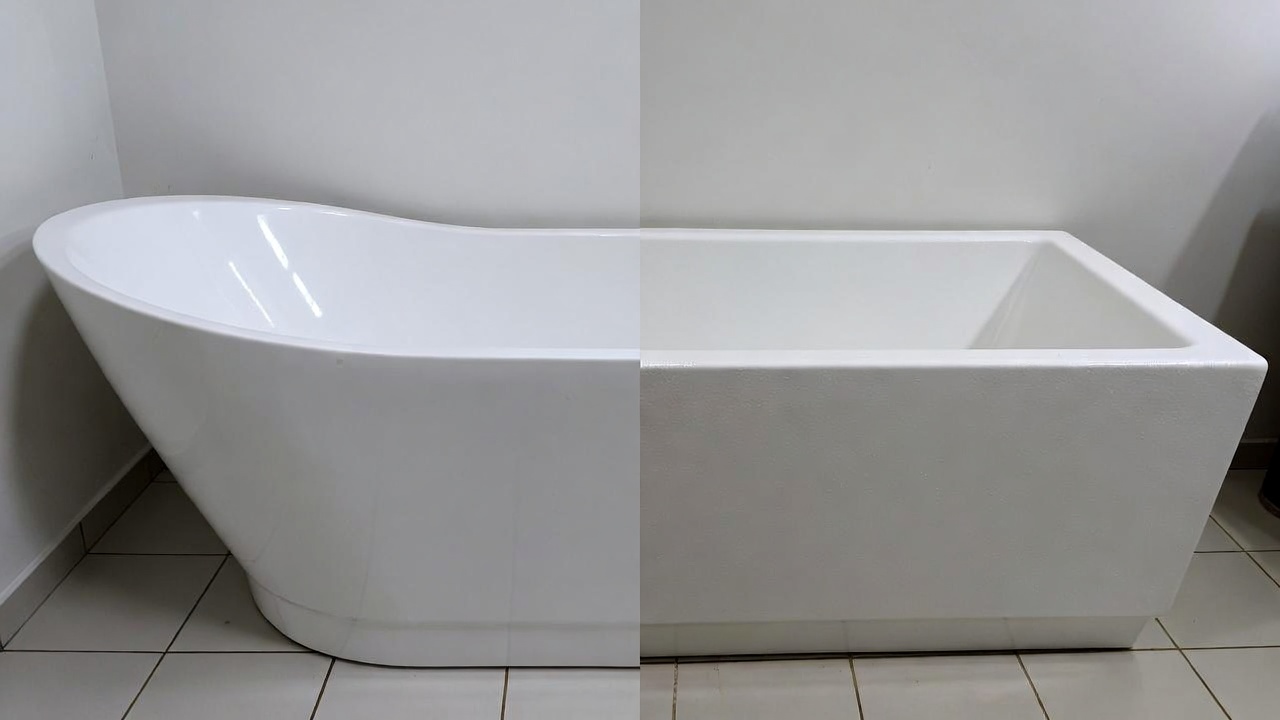
Acrylic tubs are made from sheets of acrylic plastic that get heated up and molded into a bathtub shape. Then manufacturers add layers of fiberglass and resin on the back for strength. Think of it like a tough plastic shell with a muscular backing.
Fiberglass tubs start with molded fiberglass that gets coated with a gel coating on top. The gel coat is what you see and touch. The fiberglass underneath provides the structure.
Both materials are super popular for a good reason – they’re lighter than cast iron and cheaper than most alternatives. But they each have their own personality.
The Durability Showdown
This is probably what you care about most. Nobody wants to replace their tub every few years.
Acrylic wins this round, hands down. The color goes all the way through the material. So if you somehow scratch it, the scratch won’t be as noticeable. The surface is harder and more resistant to everyday wear and tear.
Fiberglass, on the other hand, has a thinner gel coat finish. That coating can crack or scratch more easily over time. Once the gel coat gets damaged, the fiberglass underneath shows through. Not a great look.
I’ve seen acrylic tubs that still look decent after twenty years. Fiberglass tubs? They often start showing their age much sooner. The surface can get dull and worn even with regular cleaning.
How They Feel Under Your Feet
When you step into your tub every morning, you want it to feel solid and comfortable.
Acrylic has a warmer feel. It doesn’t zap the heat from your feet the second you step in. The surface feels smooth but not slippery. Most people find it more pleasant to stand on.
Fiberglass feels colder at first touch. The surface can also feel a bit flimsier, especially on cheaper models. Some people say it has a slightly rougher texture, though good quality fiberglass tubs are still pretty smooth.
Both materials can flex a little when you stand in them. But acrylic tubs generally feel more stable because they’re thicker and better reinforced.
Keeping the Heat In
Nobody likes a bath that turns cold in five minutes.
Acrylic is the clear winner for heat retention. The material itself provides good insulation. Your hot bath water stays warm longer. You can actually enjoy a long soak without constantly adding more hot water.
Fiberglass doesn’t hold heat nearly as well. The material is thinner and doesn’t insulate much. Your bath water cools down faster. If you love long, hot baths, this can get annoying pretty quickly.
This difference might not seem huge until you’re actually using the tub. But it really affects your bathing experience.
Cleaning and Maintenance
Let’s be real – nobody wants to spend their weekend scrubbing the tub.
Acrylic is pretty forgiving when it comes to cleaning. The surface is non-porous, which means dirt and grime don’t sink in as easily. Regular bathroom cleaner and a soft cloth usually do the trick. You can even use slightly tougher cleaners without worrying too much about damage.
Fiberglass needs gentler treatment. The gel coat can get damaged by harsh chemicals or abrasive scrubbers. You need to stick with mild cleaners and soft sponges. Scratching the surface is easier than you’d think.
Both materials can stain if you’re not careful. Hard water, rust, and certain bath products can leave marks. But acrylic stands up better to regular cleaning products that remove these stains.
Here’s a pro tip for either material: don’t use bleach-based cleaners regularly. They can yellow the surface over time. Stick with gentle, non-abrasive bathroom cleaners.
The Weight Factor
This matters way more than you might think, especially if you’re installing the tub yourself or have an older house.
Both acrylic and fiberglass tubs are lightweight compared to cast iron or stone. But acrylic is usually a bit heavier than fiberglass because it’s thicker.
A standard acrylic tub might weigh around sixty to ninety pounds. A fiberglass tub of the same size could weigh forty to seventy pounds. Not a massive difference, but it can matter during installation.
The light weight of both materials means easier installation and less stress on your bathroom floor. This is especially helpful for second-floor bathrooms or older homes where floor strength might be a concern.
What About Repairs?
Accidents happen. Stuff gets dropped. Things crack.
Both materials can be repaired to some degree, but the results vary.
Acrylic scratches can often be buffed out with special polish. Deeper damage might need a repair kit, but fixes tend to blend in better because the color goes through the material. Small cracks can be patched, though they’re less common in acrylic.
Fiberglass repairs are trickier. Once the gel coat cracks or chips, you’re looking at a patch job that might not match perfectly. The thin coating makes it harder to hide repairs. Gel coat repair kits exist, but getting a seamless finish takes skill.
For both materials, major damage usually means replacement. But acrylic holds up better in the first place, so you’re less likely to need repairs.
Color and Style Options
Your tub should match your bathroom vibe.
Acrylic comes in tons of colors and finishes. The color is solid throughout, so manufacturers can create rich, consistent shades. You’ll find everything from classic white to modern grays, beiges, and even bolder colors. The finish tends to have a glossy, high-end look.
Fiberglass has fewer color options because the gel coat limits what’s possible. You’ll mostly see white and off-white shades. Some manufacturers offer other colors, but the selection is narrower. The finish can look less luxurious, though decent quality fiberglass still looks fine.
Both materials work for different tub shapes and sizes. You can get alcove tubs, drop-in tubs, corner tubs, and freestanding styles in either material. The shape you want probably exists in both acrylic and fiberglass versions.
Let’s Talk Money
Budget matters for most of us.
Fiberglass tubs are the budget-friendly option. They’re the cheapest bathtubs you can buy besides basic plastic models. You can find fiberglass tubs for a couple hundred bucks. This makes them popular for rental properties and budget renovations.
Acrylic tubs cost more, but they’re still affordable compared to other materials. Expect to pay anywhere from two to three times the price of fiberglass. That might sound like a lot, but you’re getting a tub that lasts longer and looks better.
The price difference evens out over time. A cheap fiberglass tub that needs replacing in ten years costs more in the long run than a good acrylic tub that lasts twenty-plus years.
Installation costs are similar for both since they’re both lightweight and relatively easy to work with.
Installation Process
Can you DIY this or do you need a pro?
Both materials are easier to install than heavy cast iron tubs. They don’t require special equipment or extra people to maneuver them into place.
For a basic alcove installation, a handy homeowner can tackle either material. You’ll need basic plumbing skills and the right tools. The process involves setting the tub in place, connecting the drain and overflow, and securing it to the wall studs.
Acrylic tubs might need a bit more care during installation because they’re your bigger investment. You don’t want to crack or scratch something you paid good money for.
Fiberglass is more forgiving during installation because it’s cheaper. If something goes wrong, replacing it hurts the wallet less.
That said, if you’re not comfortable with plumbing and basic carpentry, hire a professional for either material. A botched installation can cause water damage that costs way more than hiring someone from the start.
How They Handle Different Water Types
Your water quality affects how your tub ages.
Hard water can be rough on both materials, but it shows up faster on fiberglass. Mineral deposits build up and create that cloudy, spotted look. The thin gel coat doesn’t protect as well against hard water staining.
Acrylic resists hard water better. The non-porous surface doesn’t let minerals grab on as easily. You’ll still get some buildup over time, but it’s easier to clean off and doesn’t damage the surface as quickly.
If you live in an area with really hard water, think about a water softener. It helps both types of tubs, but it makes a bigger difference for fiberglass.
Noise Levels
This might not be your first thought, but it can bug you once you notice it.
Both acrylic and fiberglass tubs can be noisy when water hits the surface. The hollow construction means sound carries. Running water sounds louder than it would in a cast iron tub.
Acrylic tends to be slightly quieter because it’s thicker and denser. The extra material dampens sound a bit better.
Fiberglass is the noisier option. The thinner walls amplify sound more. If you have family members or roommates, they might hear you filling the tub.
You can reduce noise with either material by adding insulation around the tub during installation. Spray foam works great for this. It also helps with heat retention as a bonus.
Environmental Considerations
If you care about your environmental footprint, here’s what you should know.
Both materials are petroleum-based plastics, so neither is perfect from an environmental standpoint. Manufacturing both types requires energy and creates emissions.
Acrylic lasts longer, which means less waste over time. A tub that lasts twenty-plus years is better than one that needs replacing every ten years.
Fiberglass tubs might have a smaller initial environmental impact because they use less material. But the shorter lifespan could mean more waste in the long run.
Neither material recycles easily through standard programs. When they do reach end of life, they usually end up in landfills.
If environmental impact is a top concern for you, look into the specific manufacturer’s practices. Some companies use recycled materials or have more sustainable production methods.
Comfort and Ergonomics
Your tub should feel good to use.
Both materials can be molded into comfortable shapes with back support and armrests. The material itself doesn’t determine comfort as much as the design does.
That said, acrylic’s better heat retention makes for a more comfortable bathing experience. Staying warm in the tub matters for relaxation.
The surface texture also plays a role. Acrylic feels smoother and warmer to the touch. Fiberglass can feel slightly cooler and less inviting.
Look for models with slip-resistant bottoms in either material. Safety matters, especially if kids or elderly folks use the tub.
Warranty and Manufacturer Support
Check what kind of backing you get with your purchase.
Acrylic tubs typically come with longer warranties. Ten to fifteen years is common, with some manufacturers offering even longer coverage. This shows confidence in the product’s durability.
Fiberglass warranties are usually shorter – maybe five to ten years. Some budget models have even less coverage. The shorter warranty reflects the material’s shorter expected lifespan.
Read the warranty carefully for either material. Some only cover defects in manufacturing, not normal wear and tear. Know what you’re getting before you buy.
Good manufacturers stand behind their products with solid customer service. Check reviews to see how companies handle warranty claims and customer issues.
Making Your Decision
So which one should you get?
Go with acrylic if you want a tub that lasts longer, looks better, and performs better. It’s worth the extra money if you plan to stay in your home for a while and want quality. The better heat retention alone might sell you on it if you’re a bath person.
Pick fiberglass if budget is your main concern and you need something functional without breaking the bank. It works fine for rental properties or if you’re planning to renovate again in a few years anyway. Just know you’re trading longevity for affordability.
Think about your specific situation. Are you flipping a house? Fiberglass saves money. Building your dream home? Acrylic makes more sense. Got hard water? Acrylic handles it better. Need to keep costs super low? Fiberglass gets the job done.
Final Thoughts
Both acrylic and fiberglass tubs have their place in the market. They’re both way better than the truly cheap options out there, and both beat the expensive materials if budget matters.
Acrylic is the better material overall. It lasts longer, looks nicer, feels better, and keeps your bath water warmer. The higher price makes sense when you consider what you’re getting.
Fiberglass serves a purpose as the budget option. It’s not bad – it’s just not as good as acrylic. If money is tight, a fiberglass tub beats no tub at all.
Whatever you pick, buy from a reputable manufacturer. Read reviews. Check the warranty. And take care of your tub with regular, gentle cleaning. Even the best materials need proper maintenance to reach their full lifespan.
Your bathroom is one of the most-used rooms in your house. The tub you pick will affect your daily routine for years. Take your time with the decision. Measure twice, buy once. And soon you’ll be soaking in a tub that fits your needs perfectly.

Hi, I’m Mary, the founder of Homygear.com. I’m passionate about creating a comfortable, smart, and beautiful home. I share practical insights and real-world experience on home gear that makes everyday life easier. Behind the scenes, my dedicated research team studies products in depth, and our writers craft honest reviews using trusted, authentic sources—so you can choose home gear with confidence.