Do I Need a Dehumidifier in My Home?
Have you ever walked into your home and felt a strange dampness in the air? Maybe you noticed a musty smell or sticky windows. Many people wonder if their home needs help with too much moisture. This article will help you figure out if a dehumidifier is the right answer for your living space. We will look at clear signs and simple ways to make your home feel much better.
Understanding Your Home’s Humidity Levels
Humidity is just the amount of water vapor floating in the air. Think of it like a tiny, invisible cloud all around you. Your home feels most comfortable when the humidity is not too high and not too low. Aim for a sweet spot, usually between 40% and 50% relative humidity.
Many things add moisture to your home’s air. Simple daily tasks like taking hot showers, cooking meals, or drying clothes indoors all release water. Even just breathing adds a bit of humidity. Humid weather outside can also easily seep indoors, especially in warmer seasons.
It is easy to check your home’s humidity level. You can use a small, simple tool called a hygrometer. This little device tells you exactly how much moisture is in the air. If the number is often above 50% or 60%, your home might have too much dampness.
What Exactly Does a Dehumidifier Do?
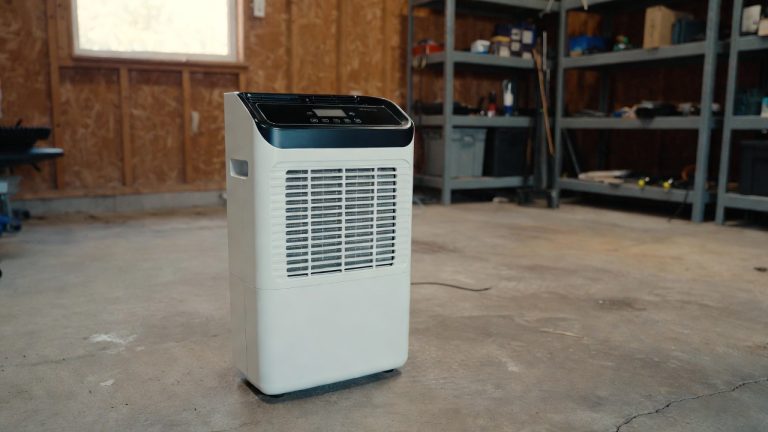
A dehumidifier is like a magnet for moisture in the air. It pulls in damp air from the room. Inside the machine, this air passes over cool coils, which makes the water vapor turn into liquid. This process makes the air drier before it goes back into your room.
The main job of this machine is to remove excess moisture. As it works, the air in your home becomes less sticky and much more pleasant. You will notice a big difference in how comfortable your home feels. It helps create a crisp, fresh indoor environment.
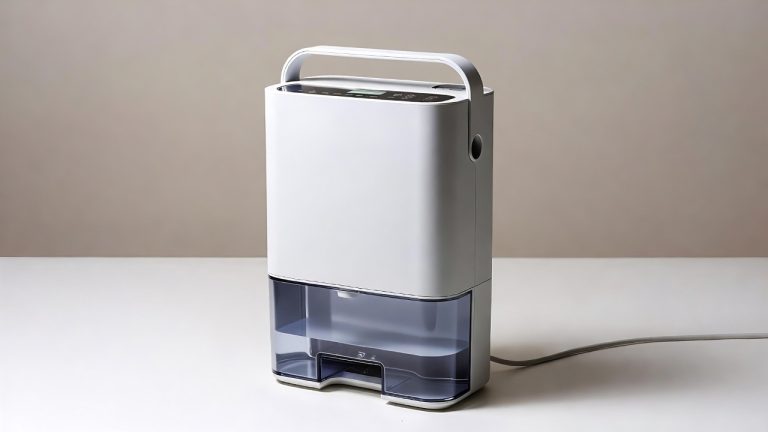
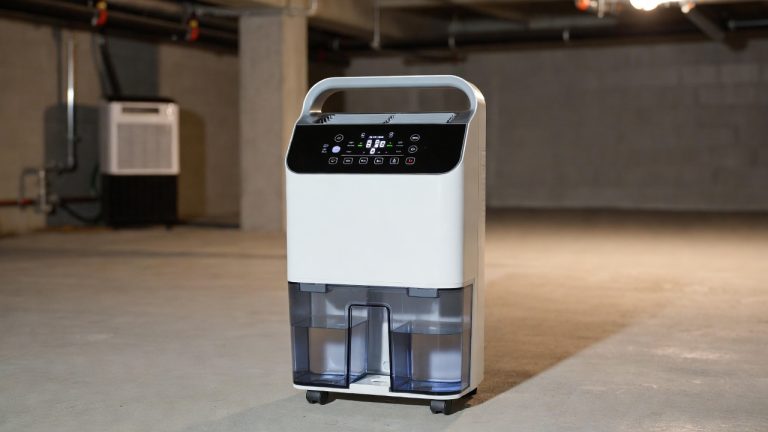
The collected water usually drips into a special bucket inside the unit. You just empty this bucket when it gets full. Some models can even drain the water directly through a hose, so you do not have to empty it by hand. This makes keeping your home dry very easy.
Spotting the Clear Signs of Too Much Moisture
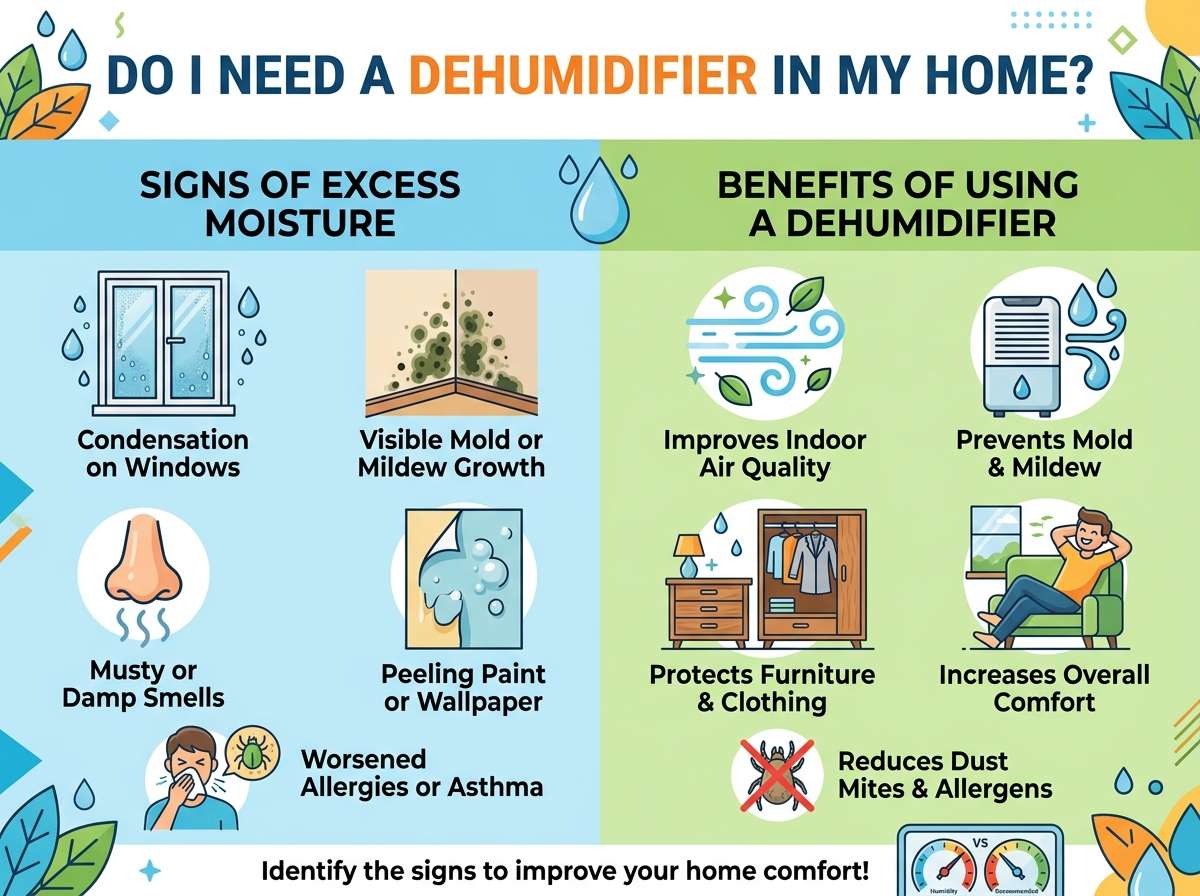
One common sign of too much moisture is condensation. You might see water droplets on your windows, especially in the morning or on cold days. Walls can also feel cold and damp to the touch, or you might even see wet patches. These are clear visual clues.
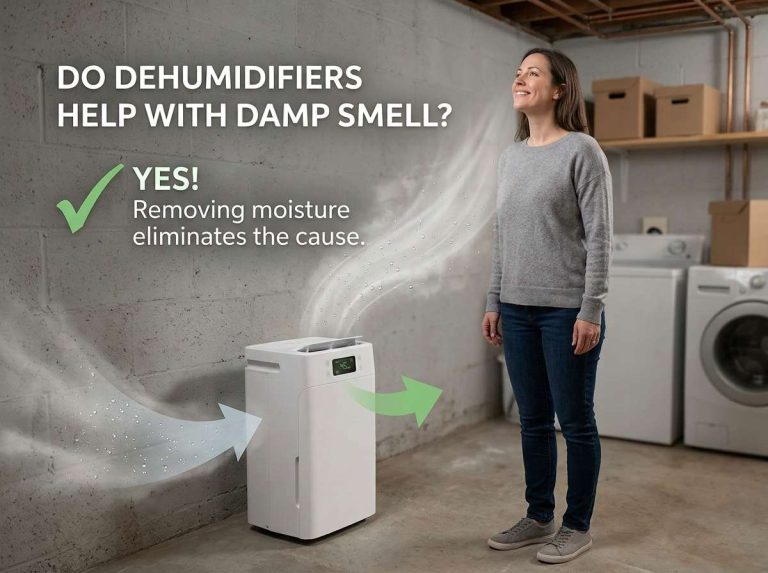
A distinct musty smell is another big hint. This odor often smells like old, damp earth or wet clothes that never fully dried. It can spread through your entire home, making the air feel stale. You might also notice a clammy or sticky feeling on your skin.
Physical damage to your home is a serious sign. Look for paint that is peeling or bubbling on walls and ceilings. Wood floors might start to warp or buckle. Dark spots or patches on walls, ceilings, or around windows could mean mold is beginning to grow.
Health Risks From Excessive Indoor Humidity
Too much dampness in your home creates a perfect place for tiny, harmful things to grow. Mold and dust mites love humid spots. Mold spores float in the air, and dust mites thrive in damp fabric and carpets. Both can be very bad for your health.
Exposure to mold spores and dust mite droppings can cause many problems. You might experience sneezing, a runny nose, itchy eyes, or a sore throat. For many people, these are common allergy symptoms. These tiny invaders irritate your body.
People with asthma or severe allergies often suffer more in damp homes. High humidity can make their breathing problems worse. A drier home leads to better indoor air quality, which helps everyone breathe easier and feel healthier.
Protecting Your Home From Moisture Damage
Damp air can slowly but surely damage your home’s structure. Materials like wood, drywall, and plaster soak up moisture. This can cause wood floors to swell and buckle or drywall to soften and crumble. Your home’s bones start to suffer.
Over time, this moisture can lead to serious long-term damage. Wood can rot, weakening support beams and floor joists. Furniture, books, and other belongings can also get ruined by mildew and dampness. Your cherished items lose their quality.
By controlling humidity, you protect your biggest investment: your home. A dehumidifier helps prevent these costly repairs and keeps your house in good condition. It saves you money in the long run by guarding against moisture damage.
Key Benefits of Optimal Home Humidity Control
The biggest benefit is a more comfortable living space. When the air is not too damp, your home feels cooler and less sticky. You will notice a fresher, cleaner smell, and the air just feels lighter. This improves your overall daily comfort.
Proper humidity levels also protect your belongings. Books will not get warped, electronics will last longer, and clothes stored in closets will not develop a musty smell. Artwork and photographs are also safer from moisture damage. It preserves your treasures.
A drier home can even save you money on energy bills. Drier air feels cooler, so you might not need to run your air conditioner as often or as cold. This creates a healthier, happier, and more efficient living environment for your entire family.
Is Your Basement a Breeding Ground for Damp?
Basements are very common places for high humidity. They are often partly or fully underground, which makes them naturally cooler and more prone to dampness. Also, basements usually have less airflow, trapping moisture.
Typical basement problems include that familiar musty smell, cold and clammy concrete walls, and even visible water stains. Stored items can get damp, and mold often starts to grow in hidden corners. These are all signs of basement humidity.
For many homes, a dehumidifier in the basement is essential. It keeps the air dry, protects stored items, and prevents mold and mildew from taking over. This simple step turns a damp, unwelcoming space into a usable and healthy area.
Relief for Allergies: Less Mold and Dust Mites
High humidity creates the perfect conditions for common allergens to thrive. Mold spores grow quickly in damp environments, spreading through the air. Dust mites, tiny creatures that trigger allergies, also multiply rapidly when there is a lot of moisture.
A dehumidifier removes the excess moisture that mold and dust mites need to grow. By making the air drier, you make your home a much less welcoming place for these allergens. They cannot reproduce as easily, and their numbers go down.
This means real relief for allergy sufferers. With fewer mold spores and dust mites in the air, you will experience fewer symptoms like sneezing, coughing, and itchy eyes. A dehumidifier helps create a cleaner, safer breathing environment for you and your family.
When a Dehumidifier Becomes a True Necessity
If you constantly see condensation on your windows or notice persistent musty smells, a dehumidifier is not just a nice-to-have, it is a need. Visible mold growth or peeling paint due to dampness also points to a serious moisture problem that must be addressed.
If anyone in your household suffers from ongoing allergy or asthma issues that seem worse when they are at home, excessive humidity could be a major cause. Improving indoor air quality by reducing dampness can offer significant health relief. This is a very strong sign.
Finally, if your house simply feels damp, clammy, or uncomfortably sticky most of the time, even when it is not very hot outside, a dehumidifier can drastically improve your comfort. It turns an uncomfortable space into a pleasant and healthy home.
Considering Your Home’s Unique Humidity Needs
Every home is a little different, and so are its humidity needs. Think about where you live. Do you have hot, humid summers? Is your area generally damp? Local climate plays a big role in how much moisture gets into your home.
Consider the age and build of your house. Older homes might have more air leaks or less insulation, allowing more moisture inside. Basements, crawl spaces, and even bathrooms or laundry rooms are often common hotspots for dampness.
Think about specific problem areas you have noticed. Is it just one room that feels damp, or is the whole house affected? This helps you decide what size and type of dehumidifier might work best for your unique situation and problem spots.
Selecting the Best Dehumidifier for Your Space
Dehumidifiers come in many sizes, each designed for different room areas. It is important to match the unit’s capacity to the size of your space. A small unit will not work well in a large, damp basement, and a big one might be overkill for a small bedroom.
Look for helpful features that make the machine easier to use. Many units have an auto shut-off when the water bucket is full, preventing spills. Some allow you to attach a drain hose for continuous draining, so you never have to empty a bucket. Energy efficiency is also a smart thing to check.
You can find portable units that move easily from room to room, perfect for targeted damp spots. There are also larger, whole-house systems that connect to your home’s HVAC. Your specific needs and the size of the damp area will guide your choice.
Making the Smart Decision for a Drier Home
Taking steps toward a drier home is a smart move for many reasons. Start by checking for the clear signs of too much moisture, like musty smells or condensation. Think about how dampness might affect your family’s health and your home’s well-being.
Remember the many good things a dehumidifier can bring. These include more comfort, better health for those with allergies, and protection for your home and belongings. It helps keep your living space fresh and inviting.
If you see these signs, do not wait. A dehumidifier can make a big, positive change in your home environment. It is an effective way to control dampness and create a healthier, more comfortable place for everyone.
Conclusion
It is clear that knowing your home’s humidity levels is key. If you have spotted any of the common signs of too much moisture, a dehumidifier can offer a simple yet powerful solution. Investing in one means investing in your comfort, your health, and the long-term well-being of your home. A drier home is a healthier and happier home for all.
Hi, I’m Mary, the founder of Homygear.com. I’m passionate about creating a comfortable, smart, and beautiful home. I share practical insights and real-world experience on home gear that makes everyday life easier. Behind the scenes, my dedicated research team studies products in depth, and our writers craft honest reviews using trusted, authentic sources—so you can choose home gear with confidence.