Why Is My Vacuum Not Picking Up Dirt?
Is your vacuum cleaner running but not actually picking up dirt? You’re not alone. This is one of the most common complaints people make about their vacuum machines, and the frustrating part is that you can usually fix it yourself without spending big money on repairs.
Your vacuum not working properly can make cleaning your floors feel like you’re not doing anything at all. The good news is that most vacuum suction problems have simple solutions. Let me walk you through the main reasons your vacuum stops picking up dirt and exactly what you can do about each one.
Your Filter Might Be Completely Clogged
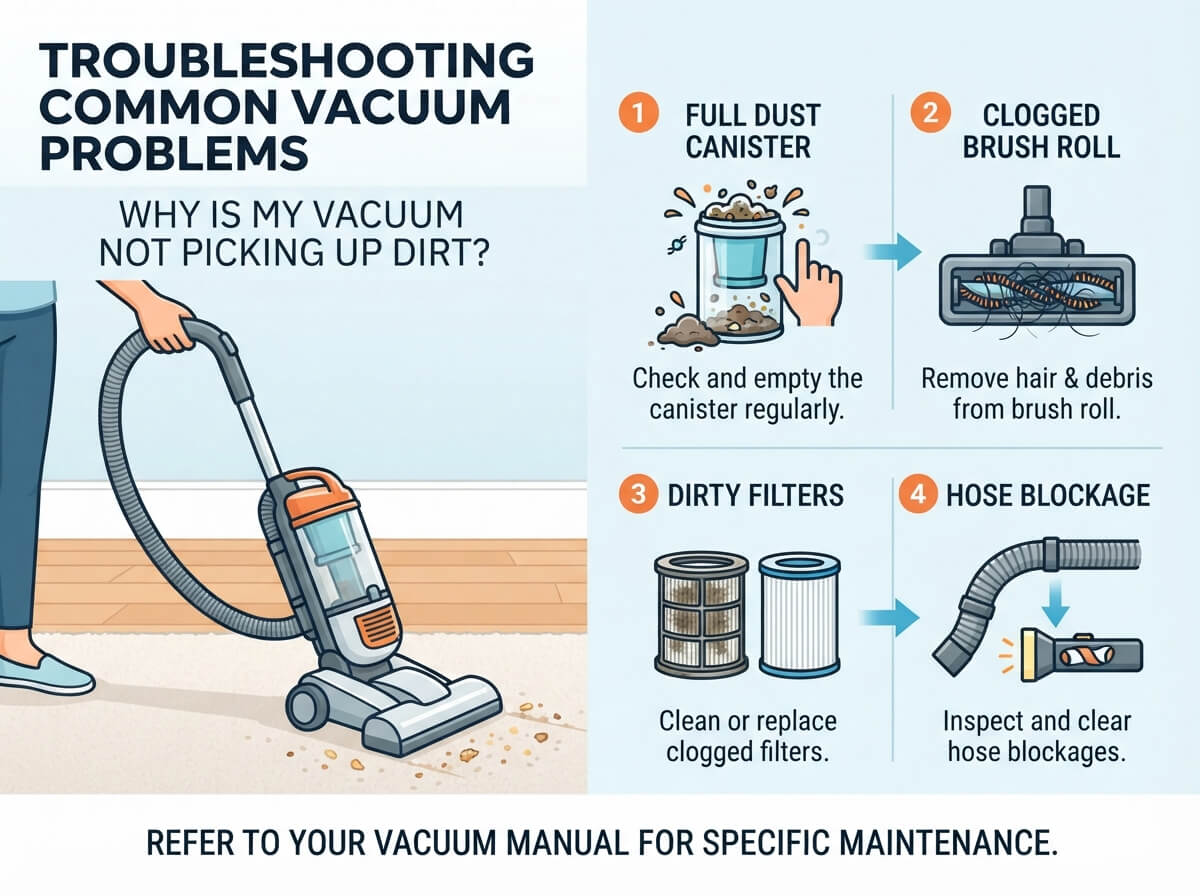
The number one reason vacuums stop sucking up dirt is a dirty or clogged filter. This is where the vacuum traps all the dust and debris before it gets into the motor. When your filter gets too full, air can’t flow through it properly, and your vacuum loses suction power fast.
Your vacuum filter works like a screen that catches particles. Over time, dirt piles up on this filter, making it harder for air to pass through. The motor still runs, but the suction gets weaker and weaker. It’s like trying to breathe through a pillow—the opening is there, but something is blocking your air flow.
Most vacuum cleaners have filters that you need to check and clean regularly. Some people forget about their filters completely and wonder why their vacuum won’t pick up anything. If you’ve never cleaned your vacuum filter, start there. It might be the fastest fix you make today.
To clean your filter, first unplug your vacuum from the wall. Find the filter—it’s usually on top of your machine or inside the dirt cup. Take it out carefully. You can tap it gently against a trash can to knock off loose dirt. For a deeper clean, rinse it with warm water and let it dry completely before putting it back in. Never use your vacuum with a wet filter, as this can damage your machine.
Some filters are washable, and some need replacing. Check your vacuum’s instruction manual to see which type you have. If your filter is old and falling apart, it’s time to buy a new one. New filters aren’t expensive and make a huge difference in how well your vacuum works.
The Dirt Cup Is Too Full
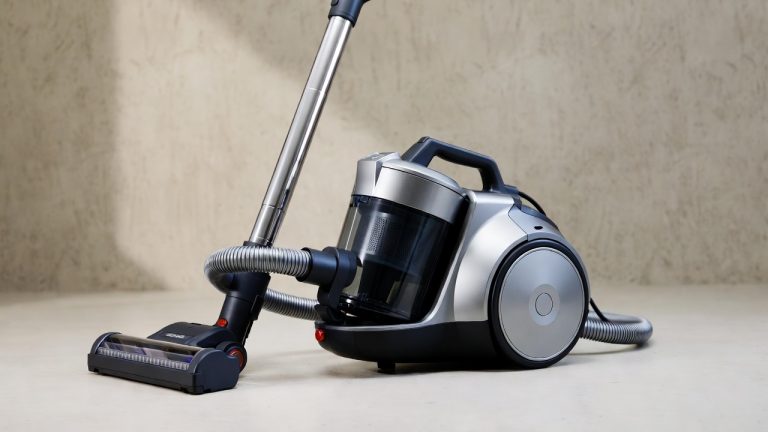
Your vacuum dirt cup works like a trash can for your floors. When it gets full, your machine can’t pick up any more dirt until you empty it. This seems obvious, but many people don’t realize their cup is full because they can’t see inside clearly.
Even if your cup doesn’t look completely stuffed, it might be full enough to block air flow. A full dirt cup means your vacuum loses suction power immediately. Empty your cup after every cleaning session or whenever it reaches the halfway mark. Don’t wait until it’s overflowing.
To empty your dirt cup, hold it over a trash can and press the release button. The dirt should fall out. If it doesn’t come out easily, tap the cup on the side to loosen stuck-on dirt. Wipe the inside of the cup with a dry cloth before putting it back in. A clean cup helps your vacuum pull air smoothly.
Your Brush Roll Might Be Tangled or Broken
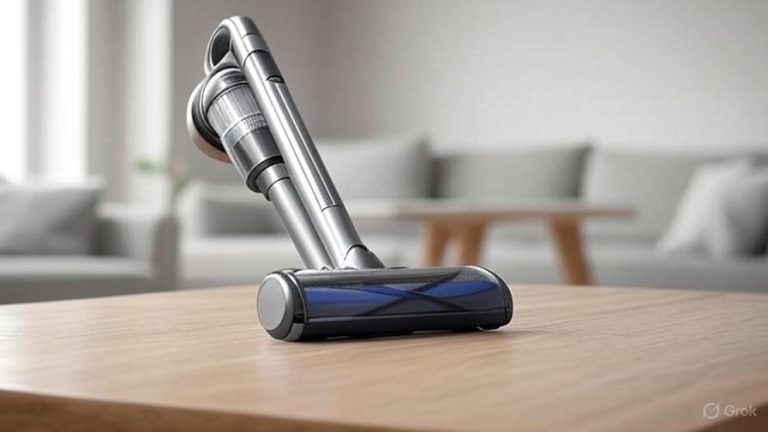
The brush roll sits at the bottom of your vacuum and spins to loosen dirt from your carpets and floors. It’s what actually does the scrubbing action that lifts debris. When your brush roll gets stuck or stops spinning, your vacuum won’t pick up much of anything.
Hair wraps around brush rolls constantly. Long hair, pet fur, and even short hair can wind around the spinning brush until it stops turning. When the brush can’t spin, it can’t lift dirt loose from your carpet.
To check your brush roll, unplug your vacuum and flip it over. Look at the spinning brush on the bottom. Do you see hair wrapped around it? If yes, pull out as much as you can by hand. You can use scissors to cut the hair away, but be careful not to damage the bristles. After you clear the hair, spin the brush by hand to make sure it turns freely.
If your brush roll doesn’t spin at all, it might be broken or the belt that runs it could be snapped. A broken brush roll needs replacing, but a snapped belt is an easy fix. Look for the belt near the brush roll. If it looks cracked or worn out, remove it and slide a new one on. Belts are cheap and simple to change.
The Hose Could Be Blocked
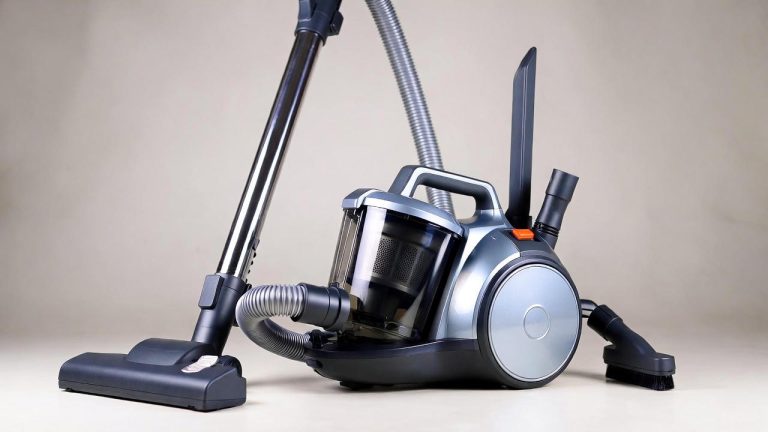
Your vacuum hose connects the main body of your machine to the cleaning head. If something gets stuck inside this hose, air can’t flow through it, and your suction drops to almost nothing.
Blockages happen when large items get pulled up into the hose. Sometimes wet dirt dries and hardens inside, creating a wall that blocks air flow. Pet hair can also bunch up and create a clog.
To check for a hose blockage, disconnect the hose from your vacuum. Hold it up to a light and look through it. Can you see all the way through? If not, you have a clog. Use a plumbing snake, a stick, or even a broomstick handle to push the blockage out from one end to the other. You can also run water through the hose to loosen dried dirt, but make sure it dries completely before using it again.
Make it a habit to check your hose every month or two. A clear hose means your vacuum can work at full power.
Air Leaks Reduce Suction Power
Your vacuum needs a good seal to create strong suction. If air is leaking out somewhere, your machine loses power. Air can leak from cracks in the dirt cup, loose hose connections, or damaged seals around the filter.
Check all the connections on your vacuum. Make sure your hose clicks firmly into place at both ends. Look at your dirt cup for cracks or damage. Feel around the filter area to see if air is escaping around the edges.
If you find a crack, you might be able to patch it with duct tape as a temporary fix. For permanent solutions, replace the damaged part. A leaky seal defeats the purpose of vacuum suction, so don’t ignore this problem.
Your Motor Might Need Attention
The motor is the heart of your vacuum. It creates the suction that pulls dirt into your machine. If your motor sounds weird, runs slowly, or stops working, your vacuum won’t pick up dirt no matter what else you do.
You can hear when your motor has problems. Does it sound different than normal? Is it running weaker than it used to? Motors can burn out from overheating, usually because filters were dirty or air couldn’t flow properly. This is another reason why keeping your filter clean matters so much.
If your motor sounds completely broken or won’t start at all, you might need to call a repair person. Motors are expensive to fix, so prevention is your best strategy. Keep your filters clean and never run your vacuum when the dirt cup is full to protect your motor.
Pet Hair Buildup Creates Major Problems
If you have pets, pet hair is probably your biggest enemy. Pet hair gets stuck everywhere inside your vacuum—on the brush roll, wrapped around the hose, and clogged in the filter.
When pet hair builds up, your suction dies fast. You might need to clean your brush roll and empty your dirt cup twice as often if you have dogs or cats. Some people with heavy-shedding pets clean their brush roll every single time they vacuum.
Invest in a vacuum designed for pet hair if you have animals. These machines have stronger suction and better brush roll designs that handle hair better. A regular vacuum just isn’t built to deal with the amount of pet hair that gets shed daily.
The Floor You’re Cleaning Matters
Some floors are harder to clean than others. Thick carpets need more suction power than thin carpets or hard floors. If you switched from one type of flooring to another, your vacuum might not work as well.
Tall carpet fibers hide dirt and make it harder for your brush roll to reach down and grab debris. Deep pile carpet needs strong suction. If your vacuum was great on hard floors but struggles on carpet, you might need a machine built for heavier duty carpet cleaning.
Some vacuums have height adjustments. If yours does, make sure you set it to the right level for your floor type. Setting the brush roll too high means it can’t reach the dirt in your carpet.
Seals and Gaskets Break Down
Your vacuum has rubber seals and gaskets that keep air from leaking. These rubber parts wear out over time and stop working. Once they fail, your suction suffers.
Check the rubber seals around your dirt cup and filter. Do they look dry, cracked, or damaged? If yes, they need replacing. This is an easy fix—you just remove the old seal and slide a new one on.
Gaskets are the rubber rings that make a tight seal between parts. When a gasket fails, air leaks out and your vacuum becomes useless. Replacing gaskets is simple and inexpensive compared to the cost of a new vacuum.
You Might Be Using the Wrong Attachment
Your vacuum came with different attachments for different jobs. If you’re using the wrong attachment for the floor type you’re cleaning, you won’t get good pickup.
Carpet cleaning attachments work differently than hard floor attachments. A hard floor brush might not grab carpet dirt the way it grabs hard floor dust. Make sure you’re using the right tool for the job.
Also, make sure all attachments are connected firmly. Loose attachments leak air and reduce suction. Spin them on until they fit tight and won’t wiggle.
Regular Maintenance Keeps Your Vacuum Strong
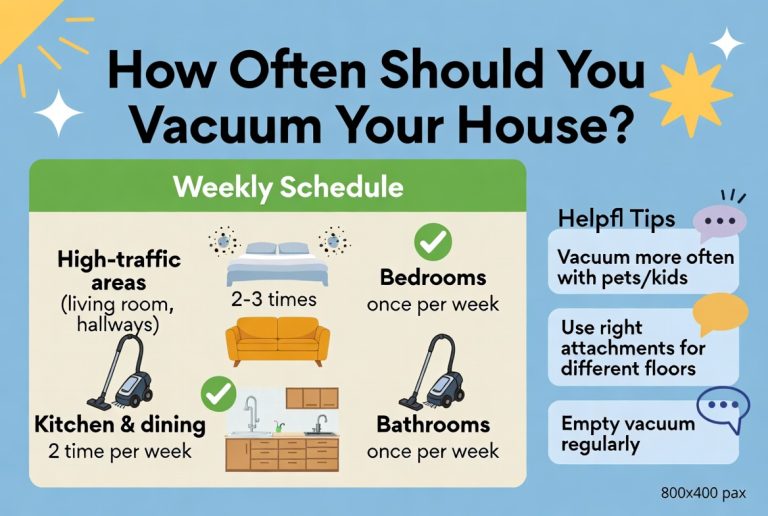
The best way to keep your vacuum picking up dirt is to maintain it regularly. Don’t wait for problems to show up. Set a schedule.
Clean your filter every month. Empty your dirt cup after every use. Check your brush roll weekly for wrapped hair. Inspect your hose for blockages monthly. Look at all connections and seals to make sure nothing is cracked.
Spending ten minutes on maintenance every month saves you from expensive repairs later. A well-maintained vacuum lasts years and works at full power the whole time.
When to Call a Professional
Sometimes your vacuum has problems you can’t fix yourself. If your motor sounds broken, or if you’ve checked everything and the suction still won’t improve, it’s time to call a repair person.
Professional vacuum repairs cost money, but they’re cheaper than buying a new machine. A repair shop can diagnose what’s wrong and fix it properly. Some problems do require professional help.
However, try fixing the simple stuff first. Most vacuum suction problems come from dirty filters, full dirt cups, or tangled brush rolls. These fixes take minutes and cost nothing.
Get Your Vacuum Working Again
Your vacuum not picking up dirt is frustrating, but it’s usually fixable. Start with the simplest solutions—clean your filter, empty your dirt cup, and clear the hair from your brush roll. Check your hose for blockages and make sure all connections are tight.
These basic fixes solve the problem about ninety percent of the time. Your vacuum will start working like it did when it was new. You’ll notice the difference in how your floors look and feel.
Make vacuum maintenance part of your regular cleaning routine. A clean filter and an empty dirt cup take just a few minutes but make a huge difference. Your vacuum will reward you with strong suction and cleaner floors.
Stop accepting weak suction. Get your vacuum back to work picking up all the dirt, dust, and debris hiding in your carpets and on your floors. These fixes are easy, and you can do them right now.