How To Acid Wash A Pool
Acid washing is a specialized cleaning method that removes stubborn stains and mineral deposits from pool walls. Learning how to acid wash a pool involves stripping a thin layer of plaster from the surface to reveal a cleaner, brighter finish underneath. This process is generally reserved for significant staining that standard brushing or chemical treatments cannot remove. Because it involves harsh chemicals, careful preparation and strict safety protocols are necessary to protect the user and the pool structure.
Key Takeaways
- Acid washing removes a thin layer of pool plaster to eliminate deep stains and mineral buildup.
- Personal protective equipment is mandatory to prevent chemical burns from concentrated acid.
- Proper neutralization of the acid with soda ash is essential before refilling the pool.
- This process should be performed sparingly to avoid thinning the plaster layer too quickly.
What You Should Know Before You Start
Acid washing is not a routine maintenance task. It is a harsh procedure that exposes fresh plaster, which can eventually shorten the lifespan of the pool surface if performed too frequently. Most pool professionals suggest this treatment only once every few years. The process involves Muriatic acid, a strong chemical that can cause severe skin and eye irritation. If you are not comfortable handling hazardous materials, hiring a professional service is the safest route. Always check local environmental regulations regarding the disposal of acidic water before beginning.
When Does a Pool Need an Acid Wash?
Pool surfaces often develop discoloration over time due to mineral deposits, algae growth, or metal staining. If routine brushing and shock treatments fail to restore the original color, acid washing is often the next step. It acts like a chemical sander for your pool plaster. You might notice dark patches, rust-colored streaks, or calcium scale buildup that feels rough to the touch. These issues often occur in areas with hard water. While the process can restore a pool’s aesthetic appeal, it is important to confirm that the underlying plaster is still in good condition.
Essential Safety Gear and Chemicals
Safety is the most important factor when working with pool chemicals. Muriatic acid releases fumes that are dangerous if inhaled, and direct contact with skin causes immediate damage. You must prioritize your health by using the correct equipment.
Required Protective Equipment
You need a high-quality respirator mask rated for acid vapors to avoid breathing in toxic fumes. Wear acid-resistant rubber gloves that reach your forearms and protective goggles to shield your eyes from splashes. A long-sleeved shirt, long pants, and rubber boots are also necessary.
Necessary Cleaning Supplies
You will need a specific dilution of Muriatic acid and water, along with a stiff-bristled brush designed for pool surfaces. A pump for draining the pool and a high-pressure hose for rinsing are also required. Finally, keep a large supply of soda ash or sodium bicarbonate on hand to neutralize the acid after the scrubbing is finished.
Preparing the Pool for Treatment
Proper preparation makes the entire process more efficient and reduces the risk of accidents. You must start with a completely empty pool to ensure the walls are accessible for inspection and treatment. Take time to clear all debris from the floor and walls before applying any chemicals. Removing dirt first helps you identify stubborn stains that need extra attention.
Draining the Water Safely
Use a submersible pump to remove the water from the pool. Ensure the hose discharges the water into a safe area, such as a sanitary sewer line, rather than a storm drain or your lawn. Once the water is gone, allow the pool floor to dry slightly so you can move around safely. Wet plaster surfaces become very slippery and present a significant fall hazard.
Removing Debris and Cleaning the Surface
Clear out any leaves, dirt, or sediment that settled on the pool floor. Use a pressure washer or a stiff brush to remove loose calcium deposits. A clean surface allows the acid to work evenly across the plaster without interference from organic material or loose debris. Check corners and steps where debris often collects and hides from view.
The Acid Washing Process
The actual cleaning phase requires focus and a steady hand. Work in small sections to ensure the acid does not sit on the plaster for too long, as it can cause etching or uneven patches. Always work from the deep end toward the shallow end. This approach prevents you from stepping into treated areas as you move across the pool floor.
Mixing the Acid Solution
Follow the manufacturer’s instructions for the specific dilution ratio. Always add the acid to the water, never the other way around, to prevent dangerous splashing or chemical reactions. Stir the mixture gently with a plastic tool before applying it to the walls. Wear protective gear, including goggles and gloves, to stay safe during this phase.
Applying the Solution to the Walls
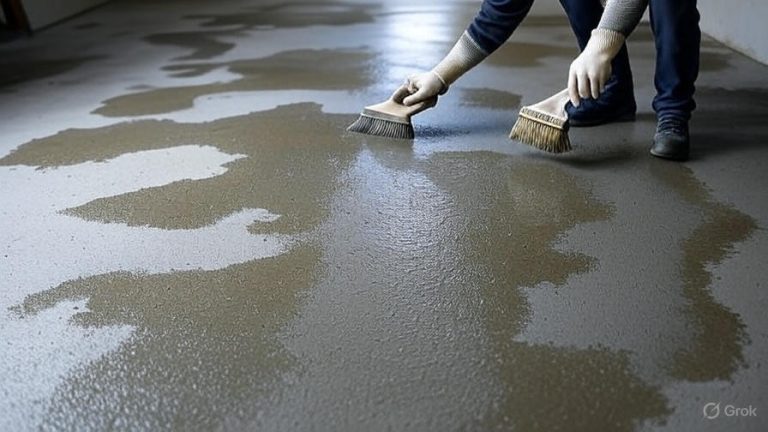
Using a plastic watering can or a specialized sprayer, apply the acid solution to the walls in manageable sections. Scrub the surface immediately with your brush to help the acid lift the stains. You will see the plaster brighten as the top layer dissolves. Focus on areas with heavy scaling or discoloration to achieve a uniform look.
Neutralizing and Rinsing the Surface
As soon as you finish scrubbing a section, apply a generous amount of soda ash to neutralize the acid. This step stops the chemical reaction and prevents the acid from eating too far into the plaster. Thoroughly rinse the area with fresh water to ensure all residue is washed away. Proper neutralization protects the pool finish and ensures the water chemistry remains stable once you refill the pool.
Refilling and Balancing the Water
After the entire pool is rinsed and neutralized, perform a final inspection to ensure no acidic residue remains. Check areas like corners, steps, and floor drains for any pooling liquid. Begin filling the pool immediately, as dry, empty plaster can crack under the heat of the sun. Once the pool is full, you must test the water chemistry right away. The acid wash will significantly change the pH and alkalinity levels of your water. Add the necessary balancing chemicals to bring the pool back to a safe range. Monitor the filter system closely during the first few days, as the initial water circulation may pick up fine plaster dust. Clear or backwash the filter as soon as the pressure gauge indicates a rise above normal operating levels. This prevents the dust from hardening inside the filter media.
Frequently Asked Questions
Is acid washing safe for all pool surfaces?
Acid washing is generally safe for concrete and plaster pools, but it can damage vinyl or fiberglass surfaces. These materials are not designed to withstand harsh chemical etching. Acid will melt vinyl liners and cause severe pitting or structural failure in fiberglass shells. Always consult your pool builder or manufacturer before attempting this process on non-plaster pools.
How often should I acid wash my pool?
Most experts recommend acid washing only when absolutely necessary, such as when stubborn stains or mineral deposits cannot be removed by other means. Frequent washing thins the plaster, which eventually leads to the need for a full resurfacing. Use regular maintenance and proper water chemistry to keep the pool clean for as long as possible. A healthy water balance prevents the buildup that leads to the need for etching.
Can I do this task without professional help?
You can perform an acid wash yourself if you have the right safety gear and follow strict instructions. You need protective goggles, thick rubber gloves, and a respirator to handle the fumes. However, it is a physically demanding and hazardous task. If you have any concerns about handling chemicals or working in an empty, slippery pool, it is better to call a professional.
What happens if the acid is not neutralized properly?
If the acid remains on the surface, it will continue to eat away at the plaster and damage the pool structure. It also creates a dangerous environment for the water, as the pH will remain extremely low and corrosive. Proper neutralization with soda ash is a vital step that must be done thoroughly. Failing to reach the correct pH before filling can lead to etched plaster that feels rough to the touch.
How long does the entire process usually take?
The time required depends on the size of the pool and the severity of the stains. For an average residential pool, the entire process, including draining, scrubbing, neutralizing, and refilling, typically takes one to two days. Preparation and safety checks usually consume the most time. Ensure you have all supplies ready before you drain the water to keep the timeline efficient.
Final Thoughts on Pool Maintenance
Acid washing is an effective way to restore a dull or stained pool surface to its original brightness. By removing a thin layer of plaster, it clears away years of buildup and mineral deposits. While the process is powerful, it is also demanding and requires strict adherence to safety guidelines. Remember that routine water chemistry and preventative cleaning are the best ways to avoid the need for such an intense treatment. When you do decide to proceed, take your time, wear your protective gear, and ensure the chemicals are neutralized completely. A well-maintained pool provides a clean and inviting environment for many seasons. Consistent care protects your investment and keeps the water safe for all swimmers.

Hi, I’m Mary, the founder of Homygear.com. I’m passionate about creating a comfortable, smart, and beautiful home. I share practical insights and real-world experience on home gear that makes everyday life easier. Behind the scenes, my dedicated research team studies products in depth, and our writers craft honest reviews using trusted, authentic sources—so you can choose home gear with confidence.