How to Design a Comfortable Bedroom?
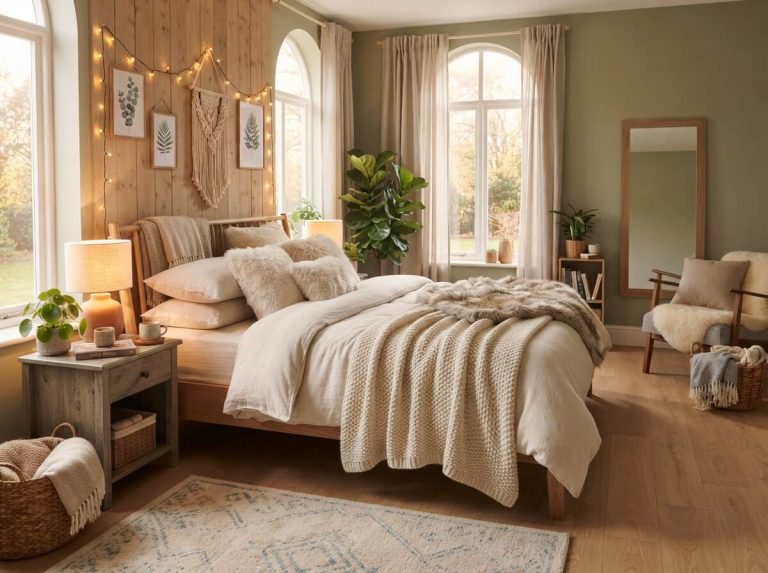
Your bedroom is one of the most important rooms in your home. It’s where you rest your head after a long day, recharge your energy, and spend a third of your life sleeping. Yet many people don’t pay much attention to how their bedrooms actually feel. They throw together some furniture, paint the walls a random color, and call it done. That’s a missed opportunity.
A well-designed bedroom does more than look nice. It helps you sleep better, reduces stress, and makes you feel calm when you walk through the door. The good news? You don’t need to be a professional interior designer or spend a fortune to create a bedroom that feels like a personal sanctuary.
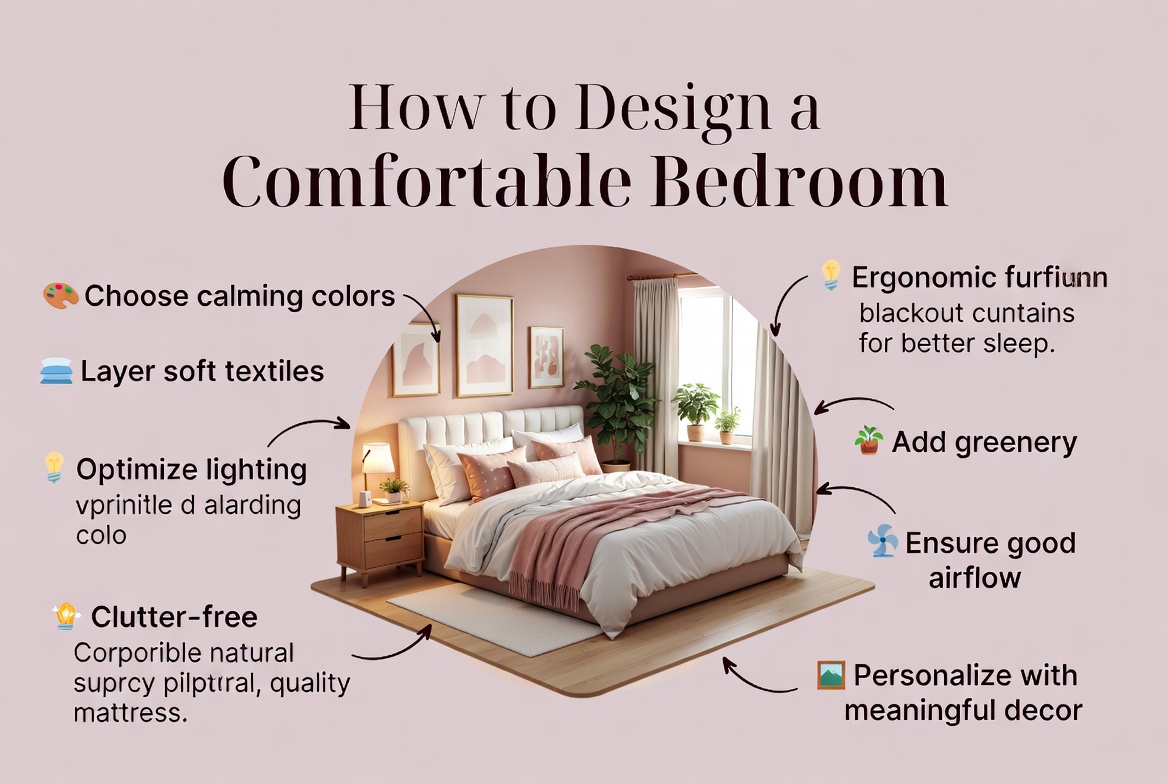
This guide will walk you through everything you need to know about designing a comfortable bedroom. We’ll cover color choices, lighting, furniture placement, bedding, storage, and all the little details that add up to create a space where you actually want to spend time.
Start With Your Bed: The Heart of the Bedroom
Your bed is the biggest piece of furniture in your bedroom, and it sets the tone for everything else. Most people spend around eight hours a night in bed, so getting this right matters.
First, think about size. Do you sleep alone or with a partner? If you’re alone, a queen-size bed offers plenty of room without taking over a small bedroom. If you share your bed, a queen or king-size gives both of you space to move around without bumping into each other during the night. A full-size bed works fine if you have limited space, but it can feel cramped for two people.
The frame you pick plays a big role in the bedroom’s look and feel. Wooden frames give a warm, traditional vibe. Metal frames feel modern and industrial. Upholstered frames with fabric or leather add softness and luxury. The frame should match your overall bedroom style and feel sturdy enough to last for years.
Now let’s talk about what goes on your bed. Your mattress is the foundation of sleep comfort. A good mattress supports your body, aligns your spine, and helps you sleep without pain. There are many types to pick from: memory foam mattresses conform to your body shape, innerspring mattresses feel more bouncy, and hybrid mattresses combine both. Test different options if you can, because what feels great to one person might feel wrong to another.
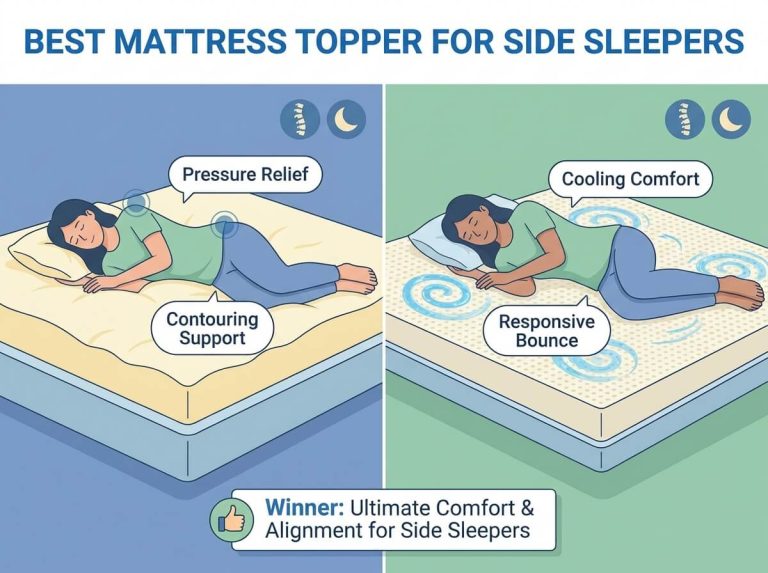
Pillows matter just as much as your mattress. Your pillow should support your neck and keep your head aligned with your spine, whether you sleep on your back, side, or stomach. Many people find that having multiple pillows lets them get comfortable in different positions. A firmer pillow works well for back sleepers, while side sleepers often prefer pillows with more height.
Sheets and blankets are where comfort really comes to life. Soft, breathable fabric feels great against your skin. Cotton sheets are popular because they’re soft, breathable, and easy to wash. Linen sheets work well in warm climates because they keep cool. High thread count doesn’t always mean better quality, but sheets that feel smooth and soft to the touch will improve your sleep.
Choose Colors That Help You Sleep
Color changes how you feel in a room. Some colors calm your mind and help you relax, while others energize you. Since your bedroom is for rest, you want colors that soothe rather than stimulate.
Blue is one of the best bedroom colors. It naturally lowers heart rate and blood pressure, making it easy to fall asleep. Light blues feel airy and peaceful, while deeper blues create a cozy, womb-like feeling. Many sleep experts recommend blue as a top choice for bedroom walls.
Green is another excellent option. It reminds us of nature and creates a sense of calm. Soft sage green, pale green, or mint green all work well in bedrooms. These shades feel refreshing without being too bright or stimulating.
Neutral colors like beige, gray, and soft tan work great too. They create a clean, simple backdrop that doesn’t fight for attention. Neutral walls make it easier to change your bedroom’s look with different bedding, curtains, or artwork without repainting.
Warm colors like red, orange, and bright yellow tend to energize rather than relax. If you love warm colors, use them in small touches like throw pillows or artwork rather than as your main wall color.
Avoid painting all four walls a dark or bold color. Dark walls can make a bedroom feel small and closed-in, making sleep harder rather than easier. If you really want a dramatic look, paint just one accent wall and keep the others light.
Don’t forget about the ceiling. Many people paint ceilings white or off-white, but painting it the same color as your walls can make the room feel cozier and more complete. A soft color overhead won’t keep you awake.
Get Your Lighting Right
Lighting transforms how a room feels and impacts your sleep quality more than you might think. The key is having different types of light for different times of day.
Overhead lights feel harsh in a bedroom. That bright, direct light wakes up your brain and suppresses melatonin, the hormone that makes you sleepy. If you have overhead lights, use them sparingly, mainly for cleaning or getting dressed during the day.
Bedside lamps are essential. A soft lamp on each nightstand lets you read in bed without overhead light. Pick lamps with warm-colored bulbs, which feel more relaxing than cool white or blue-tinted bulbs. Dimmer switches are a smart addition because they let you adjust brightness as you wind down for bed.
Ambient lighting creates a soft glow throughout the room. Wall sconces, table lamps, or string lights all work for this. The goal is light that’s bright enough to see clearly but not so bright it feels harsh. Warm white light (2700K color temperature) feels cozier and more sleep-friendly than bright white light.
Blackout curtains or dark shades deserve special attention. Light from outside disrupts your sleep cycle. Windows with curtains that block out streetlights, headlights, and early morning sun help you sleep deeper and wake more refreshed. They also help keep your room at a comfortable temperature.
Consider a smart lighting system if you want to get fancy. Lights that gradually brighten in the morning can help you wake up naturally. Lights that dim automatically in the evening tell your body it’s time to sleep.
Arrange Your Furniture Thoughtfully
How you place furniture affects both how your bedroom looks and how it feels to be in the space. Good furniture placement creates a sense of balance and flow.
Put your bed in a position where you can see the door when lying down. This comes from an ancient feng shui principle, but it also makes practical sense: you can see someone entering, which feels safer.
Leave enough space on both sides of your bed for nightstands. These small tables hold your lamp, water glass, and phone. They keep these essentials within arm’s reach without needing to search around in the dark.
Avoid blocking windows with large furniture. Natural light during the day helps regulate your sleep schedule and boosts your mood. Windows also provide visual depth that makes a room feel larger.
Keep the floor clear. A cluttered floor makes a room feel smaller and more stressful. You should be able to walk from the door to your bed without tripping over things. Good furniture arrangement creates natural pathways through the room.
If your bedroom is small, think vertically. Tall bookcases, wall-mounted shelves, and hanging organizers store things without eating up floor space. A bed with storage underneath maximizes space in tight rooms.
Don’t overcrowd your bedroom with furniture. Too many pieces make the room feel cramped and chaotic. Every piece should serve a purpose and earn its place in your space.
Control Temperature and Air Quality
A comfortable bedroom temperature is crucial for good sleep. Most sleep experts suggest keeping your bedroom between 65 and 68 degrees Fahrenheit. A room that’s too warm disrupts sleep and causes night sweats. A room that’s too cold makes it hard to relax.
Good air circulation matters too. Stale air makes a bedroom feel stuffy and uncomfortable. A ceiling fan helps move air around and can lower the temperature by a few degrees. Even just cracking a window helps, as long as you’re not letting in noise or cold drafts.
Humidity levels affect sleep comfort. Air that’s too dry irritates your nose and throat. Humid air feels muggy and uncomfortable. An ideal humidity level is between 30 and 50 percent. A humidifier adds moisture in dry climates, while a dehumidifier removes excess moisture in humid areas.
Fresh air keeps your bedroom feeling alive. Open windows when weather permits, even just for a few minutes. This brings in fresh oxygen and removes stale air. In winter or bad weather, opening a window for just five minutes makes a difference.
Consider where your bedroom is located. A bedroom on the sunny side of the house will be warmer, while a shaded side stays cooler naturally. This affects how you’ll manage temperature throughout the year.
Add Soft Textures and Comfort Elements
Textures create comfort on a sensory level. When you touch soft, pleasant fabrics, your brain releases relaxation chemicals.
Throw blankets draped over a chair or across the foot of the bed feel cozy and inviting. They also provide extra warmth on cold nights without changing your main bedding. Soft textures like fleece, wool, or cotton make touching them a pleasure.
Throw pillows add comfort and visual interest. They’re also practical because you can swap them out with the seasons or whenever you want a change. Pick pillows with soft covers in neutral or calming colors.
An area rug under your bed feels pleasant underfoot when you get up in the morning. It also helps define the bedroom space and adds visual warmth. Choose a rug in a color that complements your wall color and bed.
Curtains serve practical purposes, but they also add texture. Heavy fabric feels substantial and creates a sense of enclosure. Sheer curtains let light filter through softly. Layering both types gives you flexibility.
Don’t forget about what’s underneath your feet. Cold, hard floors feel jarring in a bedroom. Area rugs, carpet, or even slippers create warmth and comfort when you step out of bed.
Create Storage That Works
Clutter ruins bedroom comfort. When your room is messy, your brain stays in “alert” mode instead of relaxing. Good storage solutions keep your space organized and peaceful.
Nightstands with drawers give you places to stash things you use before bed: a book, reading glasses, a journal, or your phone. Closed storage is better than open shelves because things stay hidden and out of sight.
A dresser is both functional and decorative. It holds your clothes while serving as a piece of furniture. Choose a dresser that matches your bedroom style and has enough space for your needs.
Closet organization matters more than you think. A well-organized closet makes getting dressed easier and keeps your bedroom from overflowing with clothes. Use hangers, shelves, and bins to keep everything in place.
Under-bed storage works great if your bed is high enough. Clear plastic bins store off-season clothes, extra bedding, or items you don’t use daily. This keeps them accessible without taking up visible space.
Wall space can hold floating shelves for books, photos, or decorative items. Shelves draw your eye upward, making the room feel taller. Keep shelves from looking cluttered by spacing items out and avoiding too many things.
Don’t store work-related items in your bedroom. Your brain associates your work things with stress. Keep your bedroom free from office supplies, work documents, and computers if possible.
Add Personal Touches
Your bedroom should reflect who you are. Personal touches make it feel like home rather than a hotel room.
Artwork and photos on the walls tell your story. Pick pieces that calm you rather than stimulate you. Avoid dramatic or unsettling images. Landscape photos, nature prints, and peaceful abstract art all work well in bedrooms.
Plants bring life into a bedroom. They also clean the air and create a connection to nature. Low-maintenance plants like pothos, snake plants, or peace lilies thrive even if you forget to water them sometimes. The greenery feels refreshing without requiring much effort.
A small bookshelf filled with books you love creates visual interest and gives you something to read when you can’t sleep. Books also add warmth to a room.
Scent shapes how you feel in a space. A subtle scent like lavender or vanilla helps you relax. Use a diffuser, scented candles, or fresh flowers to bring in pleasant smells. Just avoid anything too strong that becomes overwhelming.
A journal on your nightstand invites you to write down thoughts before bed. This helps clear your mind and often leads to better sleep.
Soft lighting from a bedside lamp or small accent light creates the right mood for winding down at night.
Think About Sound Control
Noise disrupts sleep. A plane flying overhead, dogs barking, or traffic noise can make it hard to rest, even if you don’t fully wake up.
Heavy curtains reduce outside noise. They absorb sound in addition to blocking light. The thicker the fabric, the more noise reduction you get.
A white noise machine masks distracting sounds. These devices play gentle sounds like rainfall, ocean waves, or fan noise that helps your brain ignore other noises.
Carpet and rugs absorb sound better than hard floors. They reduce echoes and make a room feel quieter.
If noise is a real problem, consider adding acoustic panels. These are panels designed to absorb sound and reduce noise levels. They come in different colors and styles to match your decor.
Close your door when you sleep. This simple step blocks out hallway noise and keeps your bedroom separate from the rest of your home.
Make It Easy to Keep Your Bedroom Clean
A clean bedroom feels peaceful. When you design your space with cleaning in mind, you’re more likely to keep it tidy.
Avoid furniture with lots of nooks and crannies that collect dust. Simple lines are easier to wipe down and keep clean.
Hard flooring under your bed makes it easier to vacuum and sweep. Rugs can always be shaken out or cleaned separately.
Nightstands with closed storage keep dust away from things you value. Open shelves look nice but collect dust faster.
A small trash bin in your bedroom keeps you from carrying things elsewhere. Having a convenient trash can encourages you to keep your space clean.
Assign everything a home. When you know where things belong, putting them away takes seconds rather than creating clutter.
Budget-Friendly Tips for Bedroom Comfort
You don’t need a huge budget to create a comfortable bedroom. Small changes make big differences.
Start with your mattress and pillows. These are worth the investment because they directly impact your sleep quality. A good mattress lasts years and saves you money on poor sleep and health issues.
Add lighting gradually. Start with a good bedside lamp, then add more as your budget allows. Many people overlook lighting, so this single upgrade makes an enormous difference.
Paint your walls yourself to save money. It’s easier than you think and transforms your room for the cost of a few cans of paint.
Thrift stores and secondhand shops have great furniture at low prices. A used dresser or nightstand can be refinished or repainted to match your style.
Start with a few quality pieces rather than many cheap pieces. One beautiful lamp beats three lights that don’t work well.
DIY simple projects. You can make floating shelves, hang artwork, or organize a closet without professional help.
The Final Touches
Your comfortable bedroom comes together when you bring together all these elements. It’s not about following rules but creating a space that helps you sleep better and feel calmer.
Start by evaluating what needs to change most urgently. Maybe your room feels too bright, so invest in better curtains. Perhaps your mattress is old and uncomfortable, making sleep difficult. Maybe clutter stresses you out, so focus on storage first.
Make changes gradually. You don’t need to redesign your entire bedroom at once. Each small improvement builds on the last, creating a bedroom that feels more comfortable over time.
Pay attention to how your changes make you feel. A new paint color might make you happier. Better lighting could improve your sleep. Notice these changes and build on what works.
Your bedroom is your personal retreat. It’s where you recharge, heal, and rest. Spending time and energy on making it comfortable pays back in better sleep, reduced stress, and improved well-being. You deserve a bedroom that feels like a sanctuary, and now you have the tools to create one.
Start today. Pick one thing from this guide and make it happen. Then tomorrow, pick another. Before long, you’ll have a bedroom designed for comfort where you actually want to spend time. That’s the power of intentional bedroom design.
Hi, I’m Mary, the founder of Homygear.com. I’m passionate about creating a comfortable, smart, and beautiful home. I share practical insights and real-world experience on home gear that makes everyday life easier. Behind the scenes, my dedicated research team studies products in depth, and our writers craft honest reviews using trusted, authentic sources—so you can choose home gear with confidence.