Acetone vs Paint Thinner
You’re standing in the hardware store. Your hands have dried paint all over them. You need something to clean it up. You see bottles labeled “acetone” and “paint thinner.” They look similar. They both seem to do the same thing. But which one is right for your job?
This is where most people get confused.
The truth is, acetone and paint thinner are not the same thing. They have different chemicals. They work in different ways. They’re good at cleaning up different types of messes. Using the wrong one could waste your money. It could even damage what you’re trying to clean.
Let me break down everything you need to know.
What Exactly Is Acetone?
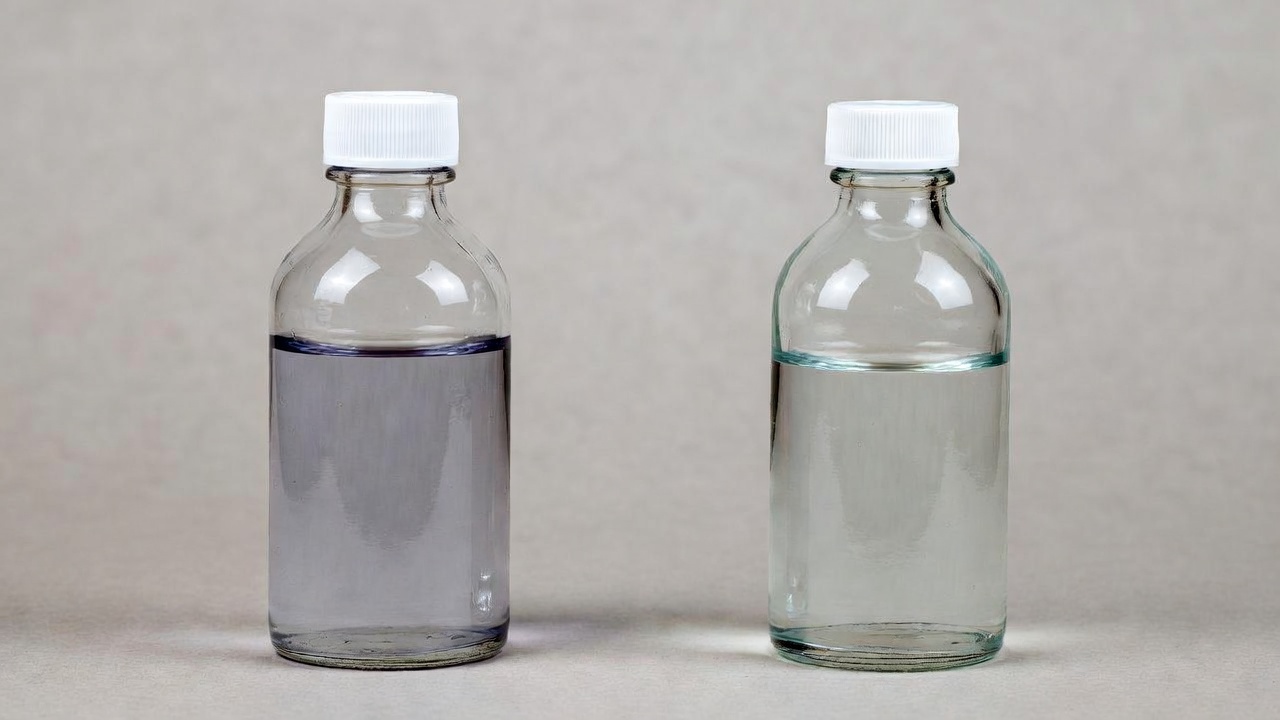
Acetone is a colorless liquid. It has a sharp smell that most people notice right away. It’s a type of organic solvent. That’s a fancy way of saying it’s a chemical that can break down other substances.
Acetone shows up in lots of places. It’s the main ingredient in most nail polish removers. If you’ve ever painted your nails and needed to take the polish off, you’ve probably used acetone. It’s also used in manufacturing. Factories use it to make all sorts of products.
The chemical name for acetone is propanone. But you don’t need to remember that.
What matters is what acetone does. It dissolves really well with oils and resins. This is why it works so fast on paint and coatings. It doesn’t mess around. When you apply acetone to dried paint, the paint softens almost immediately. You can wipe it away easily.
Acetone is strong. This is both good and bad. It’s good because it works fast. It’s bad because it can damage certain materials. If you spill acetone on plastic, the plastic might melt or become cloudy. If acetone gets on some kinds of wood finishes, it can ruin them. You have to be careful where you use it.
Acetone is highly flammable. This is really important to know. If you’re using acetone near a heat source or open flame, you risk a fire. You need to keep it away from anything that could spark. This makes acetone a bit riskier than some other solvents.
What Exactly Is Paint Thinner?
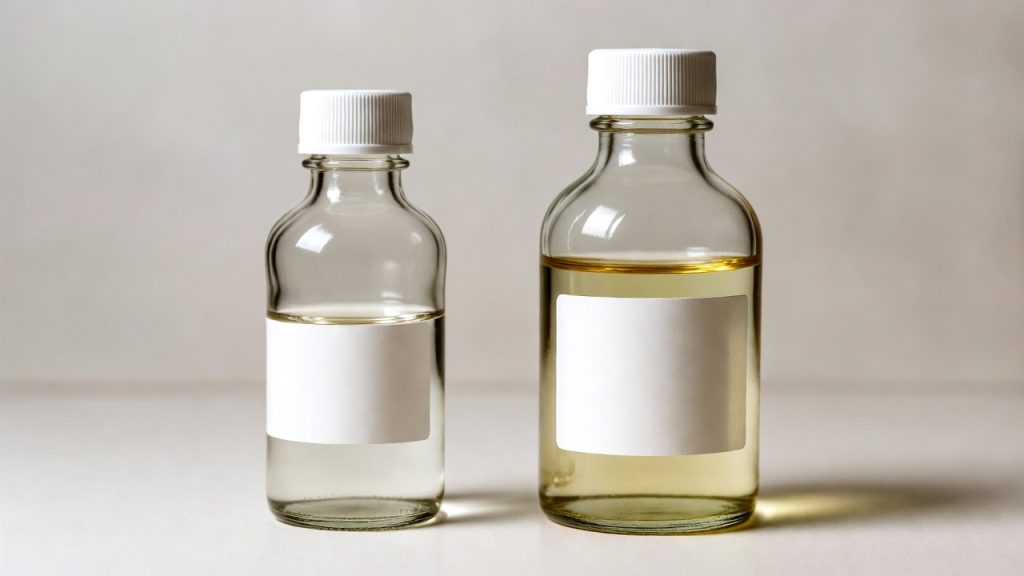
Paint thinner is more complex. It’s not just one chemical. Most paint thinners are a blend of different chemicals mixed together. The exact recipe varies by brand and type.
The most common paint thinner is mineral spirits. You’ll see this on labels all the time. Mineral spirits come from crude oil. They’re refined to create this clear liquid that smells like gasoline.
Some paint thinners contain turpentine. This comes from tree resin. It’s been used for hundreds of years. Turpentine has a strong, distinctive smell. Some people like it. Others find it overwhelming.
Some paint thinners are blends. They mix mineral spirits with other solvents. The goal is to create a product that works well with different types of paint.
Paint thinner is gentler than acetone. It takes longer to break down paint. But this can be an advantage. If you need more control over how fast something dissolves, paint thinner gives you that.
Paint thinner is less likely to damage delicate materials. You can use it on wood without worrying as much. It won’t melt plastic as easily. This makes it safer for broader use.
Paint thinner still has flammability concerns. You need to be careful. But many people find it slightly safer to work with than acetone. The fumes are also generally considered less harsh.
Key Differences Between Acetone and Paint Thinner
Speed of Action
Acetone works fast. Really fast. If you have dried paint on your hands or tools, acetone will start breaking it down within seconds. You’ll see results almost immediately. This is great when you’re in a hurry.
Paint thinner works more slowly. It might take several minutes for you to see real progress on dried paint. If you’re trying to thin wet paint for a project, this slower action can be good. It gives you more time to work with your paint. But if you’re trying to clean up dried mess, the slower speed might frustrate you.
Cost
Acetone is typically cheaper per ounce. A bottle of acetone costs less than a bottle of paint thinner in most stores. If budget is your main concern, acetone wins.
Paint thinner usually costs more. But here’s the thing: you might need less acetone to do the same job. The math might work out similarly in the end.
What They’re Best For
Acetone is ideal for:
- Removing dried paint quickly
- Cleaning nail polish
- Dissolving certain resins and coatings
- Working with lacquer-based products
- Emergency paint removal situations
Paint thinner is ideal for:
- Thinning oil-based paints
- Cleaning paintbrushes gently
- Working on wood surfaces
- Projects where you need more control
- Situations where you need a gentler solvent
Safety Concerns
Acetone dangers:
- Highly flammable. Keep away from flames and heat.
- Strong fumes can cause dizziness. Use it in well-ventilated areas.
- Can damage certain plastics and some finishes.
- Strips skin oils quickly. Your hands might get very dry.
- Works so fast it’s easy to use too much.
Paint thinner dangers:
- Still flammable, but generally considered somewhat safer.
- Fumes are still strong. Ventilation is still important.
- Can damage some wood finishes.
- Slower action means you might accidentally use more than needed.
- Some types (turpentine-based) have stronger odors.
Environmental Impact
Both acetone and paint thinner have environmental concerns. They’re both volatile organic compounds. This means they release chemicals into the air. When they evaporate, they contribute to air pollution.
Acetone breaks down relatively quickly in the environment. It doesn’t last as long in water or soil.
Paint thinner, especially mineral spirits, breaks down more slowly. It can persist in the environment longer.
If environmental impact matters to you, neither is perfect. But acetone has a slight edge in this category.
Surface Damage Risk
Acetone is aggressive. It will eat through certain plastics. Some wood stains and finishes won’t survive acetone contact. Clear plastics become cloudy. This aggressive nature limits where you can use it.
Paint thinner is more forgiving. You can usually use it on wood safely. It won’t melt most plastics as quickly. This makes it more versatile for different projects.
Drying Time
Acetone evaporates very quickly. You apply it, and within minutes it’s gone. This is good if you’re just trying to remove something and move on.
Paint thinner evaporates more slowly. This can be good or bad. If you’re thinning paint, the slower evaporation gives you more working time. If you’re just cleaning something, you might have to wait longer for it to dry completely.
How to Use Acetone Safely
If you decide acetone is the right choice, here’s how to use it properly:
First, wear gloves. Acetone strips away skin oils. Your hands will get extremely dry and uncomfortable. Rubber gloves protect you.
Second, wear eye protection. A splash in the eye would be very painful. Safety glasses are cheap and worth it.
Third, work in a well-ventilated area. Acetone fumes are strong. Open windows. Get air moving. Don’t work in a closed room.
Fourth, keep acetone away from any heat or flames. This is not negotiable. Acetone is very flammable.
Fifth, use the smallest amount you need. Acetone is strong. A little goes a long way. Don’t soak things in it unless absolutely necessary.
Sixth, let surfaces dry completely before using them. Wait until all the acetone has evaporated. Then wait a bit longer to be safe.
Seventh, don’t mix acetone with other chemicals. Some combinations can create toxic fumes or reactions.
How to Use Paint Thinner Safely
Paint thinner requires similar safety measures, with some adjustments:
Gloves are still important. Paint thinner can dry out your skin too, though usually not as severely as acetone.
Eye protection is still necessary. Accidents happen.
Ventilation is critical. Paint thinner fumes are strong and can be toxic in high concentrations.
Keep paint thinner away from heat and flames. It’s flammable.
Use sensible amounts. More isn’t better. Let the solvent do the work.
Store paint thinner properly. Keep the lid tight. Keep it in a cool place away from heat.
Some paint thinners work better with specific types of paint. Read the label. Make sure you’re using the right product for your paint type.
Acetone vs Paint Thinner for Different Jobs
Cleaning Paint off Your Hands
If you want speed, acetone wins. It will remove paint from your hands in seconds. Just rub it on and wipe. Done.
Paint thinner will work, but it takes longer. It might take a minute or two. You’ll need to rub more.
Winner: Acetone
Cleaning Paint off Tools
For dried paint on tools, acetone is faster. Soak the tools briefly or rub acetone on the paint. It comes off quickly.
Paint thinner works but takes longer. You might need to soak tools for several minutes.
If you want to be gentler on delicate tools, paint thinner might be better. But acetone works faster.
Winner: Acetone (for speed) or Paint Thinner (for gentleness)
Thinning Paint for a Project
This is where paint thinner shines. Most paints are formulated to work with paint thinner. The manufacturer probably designed their paint with paint thinner in mind.
Acetone can thin some paints, but it’s not ideal. Using the product the manufacturer recommends is always safer.
If you’re using oil-based paint, paint thinner is the way to go. This is what it’s made for.
Winner: Paint Thinner
Removing Nail Polish
This is acetone’s domain. Most nail polish removers are acetone. Paint thinner would work slowly and ineffectively here.
If you have nail polish to remove, acetone is your only reasonable choice.
Winner: Acetone
Cleaning Dried Lacquer or Shellac
These finishes respond well to acetone. It dissolves them quickly. If you’re working with lacquer or shellac, acetone is the better choice.
Paint thinner will eventually work, but it’s slower.
Winner: Acetone
Cleaning Paintbrushes After Oil-Based Paint
This is where paint thinner is designed to work. It’s gentle enough not to damage brush bristles but strong enough to remove paint.
You can use acetone, but it might be harder on the brush. Paint thinner is more forgiving.
Winner: Paint Thinner
Removing Paint from Wood Surfaces
If the paint is wet or fresh, both work. Paint thinner is gentler on the wood finish underneath.
If the paint is dried and you need to remove it fast, acetone might be faster. But if you care about protecting the wood, paint thinner is safer.
Winner: Paint Thinner (for safety) or Acetone (for speed)
Common Mistakes People Make
Using Acetone on Plastic
People grab acetone thinking it will clean off paint. They don’t realize it will melt or cloud the plastic. The plastic ends up looking worse than when they started.
Don’t do this. Check what surface you’re working on first.
Mixing Solvents
Someone thinks if one solvent is good, mixing two will be better. Wrong. Mixing solvents can create toxic fumes. It can cause chemical reactions you don’t want.
Stick to one solvent per job.
Not Ventilating
People work indoors without opening windows. They start feeling lightheaded. They’re inhaling too many fumes.
Always open windows. Always get air moving. Even “safe” solvents aren’t safe in enclosed spaces.
Using More Than Necessary
People soak things in solvent thinking it will work faster. The solvent just sits there. They waste product and expose themselves to more fumes.
Use the minimum amount needed. Let the solvent work. More isn’t better.
Not Wearing Protection
People think gloves and glasses are optional. Then they get solvent in their eyes or their hands become painfully dry.
Wear gloves. Wear eye protection. It takes thirty seconds and protects you.
Forgetting About Flammability
People leave solvent near a stove or don’t notice a spark nearby. Fires start. This is preventable.
Keep acetone and paint thinner away from any ignition sources. Period.
How to Choose Between Them
Ask yourself these questions:
Am I in a hurry? If yes, acetone works faster. If no, paint thinner is fine.
What surface am I working with? If it’s plastic, avoid acetone. If it’s delicate wood, paint thinner is safer.
What did the manufacturer recommend? If you’re thinning paint, use what the label says. If the label says paint thinner, use paint thinner.
Do I need to be gentle? Paint thinner is gentler. Acetone is aggressive.
What am I trying to remove? Nail polish? Acetone. Old paint from brushes? Paint thinner. Dried lacquer? Acetone.
What’s my budget? Acetone is usually cheaper. If cost matters most, choose acetone.
Do I have good ventilation? Both need ventilation. If your ventilation is poor, be extra careful with either one.
The Bottom Line
Acetone and paint thinner are different products. They’re not interchangeable.
Acetone is faster and cheaper. It works great for quick cleanup and removing dried paint. It’s aggressive and can damage certain materials. It’s highly flammable and has strong fumes.
Paint thinner is gentler and more versatile. It’s what manufacturers recommend for thinning oil-based paints. It works slower but more carefully. It costs a bit more but might be safer for delicate work.
For most people, having both on hand is smart. Use acetone when you need speed. Use paint thinner for thinning paints and gentler work.
Neither is perfect. Both need respect. Both require proper ventilation, protection, and careful handling.
If you remember nothing else, remember this: read the label. The manufacturer knows their product best. They’ll tell you what to use. Follow their advice, and you’ll get the best results.
Final Tips for Success
Keep your workspace well-ventilated. Seriously. This can’t be emphasized enough. Open windows. Run a fan. Get air moving.
Wear gloves and eye protection. Every single time. This is non-negotiable.
Use the minimum amount you need. You’re trying to accomplish a task, not create a swimming pool of solvent.
Store both products properly. Keep lids tight. Keep them cool. Keep them away from kids and pets.
Clean up spills immediately. Don’t let them sit.
Follow local regulations for disposal. Some areas have specific rules about how to throw these chemicals away.
Consider the environment. These chemicals do pollute. Use them responsibly. Use only what you need.
Label everything clearly. Don’t let anyone grab the wrong bottle.
Keep first aid supplies nearby. Know what to do if someone gets solvent in their eyes. (Rinse with water immediately and call for medical help.)
Read the safety data sheet. Most products come with detailed information. Take five minutes to read it. It could save you from a painful mistake.
Remember that acetone and paint thinner are professional-grade tools. Treat them with respect. Use them wisely. And you’ll get great results without problems.
Now you’re ready. You know the differences. You know how to use them safely. You know which one to grab for each job. The next time you’re at the hardware store, you won’t be confused. You’ll know exactly what you need.
Happy painting and cleaning!