How Does a Dehumidifier Work?
Do you feel sticky and uncomfortable in your home? Is your basement damp? Have you noticed mold growing in your bathroom? If yes, then you might need a dehumidifier. But what is a dehumidifier? How does it actually work? Let me break it down for you in simple terms.
What Is a Dehumidifier?
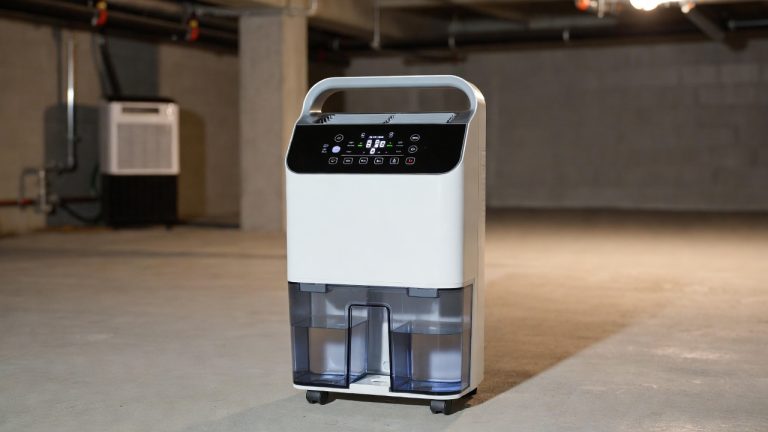
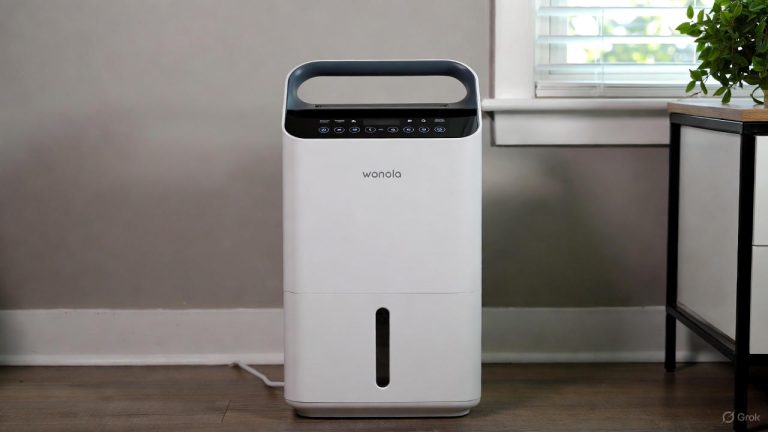
A dehumidifier is a machine that removes water from the air. Your home has moisture in it. This moisture makes the air feel wet and heavy. A dehumidifier sucks in this wet air and pulls the water out. Then it sends dry air back into your room.
Think about stepping out of a hot shower. The bathroom air feels thick and wet. That’s because there’s too much moisture in it. A dehumidifier would make that air feel dry and fresh. It’s that simple.
Why Do We Need Dehumidifiers?
Your home needs the right amount of humidity. Humidity is the amount of water vapor in the air. Too much humidity causes big problems.
Mold loves wet air. If your home is too humid, mold will grow on walls, ceilings, and corners. Mold is bad for your health. It can make you sneeze and cough. It can make asthma worse.
Dust mites also love damp air. These tiny bugs live in your bed and carpet. They make allergies worse. Keeping the air dry stops dust mites from growing.
Moisture also damages your home. It rots wood. It makes metal rust. It peels paint off walls. A dehumidifier keeps your home dry and protects it.
The Main Parts of a Dehumidifier
Let me show you what’s inside a dehumidifier. Don’t worry. It’s not complex.
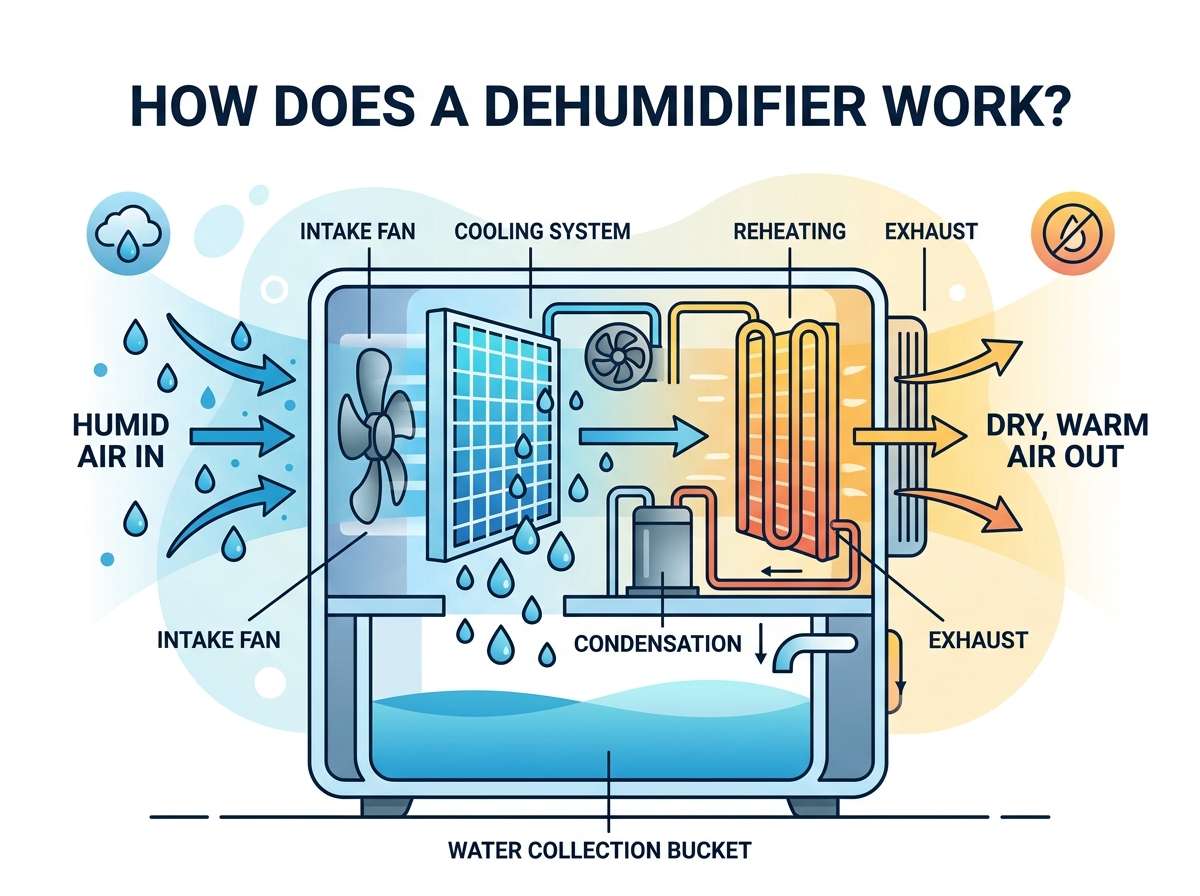
The Fan: This part sucks in the wet air from your room. It pulls air from around your home into the machine.
The Cold Coil: This is the star of the show. The cold coil gets very cold. When wet air hits the cold coil, the moisture freezes and drips down. Just like how water drips from a cold glass on a hot day.
The Compressor: This is the engine of the dehumidifier. It works like a refrigerator. It makes the cold coil stay cold. It uses electricity to do this job.
The Water Tank or Drain: All the water that drips from the cold coil goes somewhere. It either fills up a tank that you empty, or it drains out through a hose.
The Warm Coil: After the air loses its water, it passes over a warm coil. This warm coil heats the dry air back up. The air comes out warm and dry.
The Thermostat: This part controls when the dehumidifier works. When the air gets too wet, the machine turns on. When the air gets dry enough, the machine turns off.
How the Dehumidification Process Works Step by Step
Now let’s walk through exactly what happens when you turn on a dehumidifier.
Step One: The Air Gets Pulled In: The fan starts running. It sucks wet air from your room into the machine. The air moves toward the cold coil.
Step Two: The Water Condenses: The cold coil is very cold. The air hits this cold coil. The moisture in the air cools down. When moisture gets cold enough, it stops being a gas. It becomes liquid water. This is called condensation.
You see condensation every day. When you breathe on a mirror, it gets foggy. That fog is condensation. When dew forms on grass in the morning, that’s condensation too.
Step Three: The Water Drips Down: The condensed water drips down from the cold coil like rain. It falls into the water tank or flows out through a drain hose.
Step Four: The Air Gets Warmed: The dry air that lost its water now passes over the warm coil. The warm coil heats it back up. This is important. If you blew cold air into your room all day, it would feel weird and uncomfortable.
Step Five: The Dry Air Leaves the Machine: The warm, dry air exits the dehumidifier. It goes back into your room. You notice the air feels lighter and fresher.
Step Six: The Machine Rests: Once your room reaches the right humidity level, the thermostat tells the machine to stop. The fan shuts off. The machine waits until the air gets wet again.
The Role of the Refrigerant
Inside the cold coil is a special liquid called refrigerant. This liquid is the secret behind how dehumidifiers cool down.
The refrigerant flows through tubes. The compressor pushes this liquid around. As it flows, it changes state. Sometimes it’s a liquid. Sometimes it’s a gas. These changes make the coil very cold.
This is the same system that refrigerators use. It’s proven technology. It works reliably year after year.
How Humidity Levels Are Measured
Dehumidifiers have settings. You can set them to keep your home at different humidity levels. But how is humidity measured?
Relative humidity is the common measurement. It’s shown as a percentage. A reading of 30% means the air holds 30% of the water it could hold at that temperature.
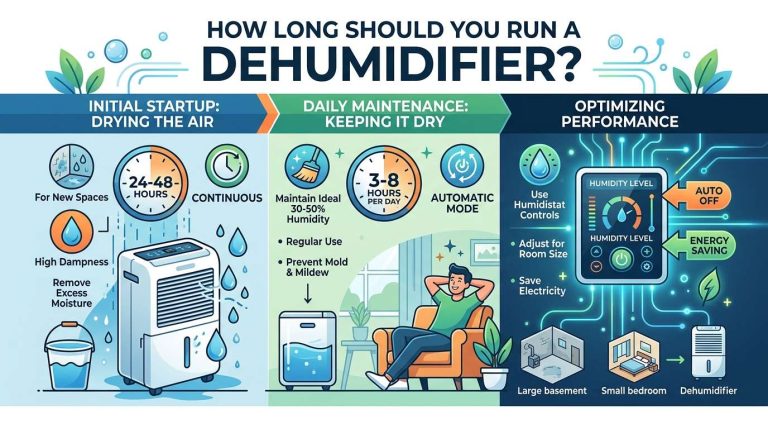
The ideal humidity level for homes is between 30% and 50%. This range keeps your home comfortable. It stops mold growth. It prevents dust mites from thriving.
The thermostat inside your dehumidifier reads the humidity level. When humidity rises above your setting, the machine kicks in. When humidity drops to your target, the machine stops.
Types of Dehumidifiers
Not all dehumidifiers work the same way. Let me explain the main types.
Refrigerant Dehumidifiers: These are the most common. They use a cold coil and compressor. They work great in warm rooms. They’re perfect for basements and living areas. They’re loud because of the compressor. But they pull a lot of moisture out of the air.
Desiccant Dehumidifiers: These use a different method. They use a special material called desiccant. This material absorbs water like a sponge. As air passes through the desiccant, the material sucks the moisture out. Then the desiccant gets heated to release the water. The water drains out of the machine.
Desiccant dehumidifiers work well in cold rooms. Refrigerant types don’t work as well when it’s cold. They’re also quieter than refrigerant types. But they use more electricity.
Whole Home Dehumidifiers: Some homes have built-in dehumidification systems. These connect to your air conditioning system. They remove moisture from your entire home at once. They’re powerful but expensive.
Portable Dehumidifiers: These are the ones you buy at stores. You place them in a room and plug them in. They’re affordable and easy to use. Most homes use this type.
The Water Collection and Drainage
The water that comes out of the dehumidifier has to go somewhere.
Water Tank Method: Many portable dehumidifiers have a tank inside. The condensed water drips into this tank. When the tank fills up, the dehumidifier automatically shuts off. An alarm might beep. You empty the tank into a sink or bucket. Then you put the tank back in.
Some units hold 50 pints of water. That’s a lot of water. If your home is very humid, you might empty the tank several times a day.
Drain Hose Method: Bigger dehumidifiers often have a drain hose. You attach the hose to the back of the machine. The other end sits in a floor drain or goes outside. The water continuously drains out. You don’t have to empty anything.
This is convenient for large spaces. You set it and forget it. The water just keeps draining away.
Energy Use and Efficiency
Dehumidifiers use electricity. Let’s talk about how much.
A typical portable dehumidifier uses between 300 and 800 watts. That’s about the same as a microwave. If you run it for 8 hours a day, it adds money to your electric bill.
But here’s the thing. Buying a dehumidifier is cheaper than fixing mold damage. Mold damage costs thousands of dollars. Rotted wood costs even more to replace.
Energy Star certified dehumidifiers use less electricity. Look for that label if you want to save power. They cost more upfront. But you save money over time.
Common Mistakes People Make
People often use dehumidifiers wrong. Let me tell you what not to do.
Closing Doors: Don’t close the bedroom door if you want the dehumidifier to work for the whole house. The machine can only affect the room it’s in. Open your doors so the machine can treat the whole area.
Setting It Too Dry: Your home needs some humidity. Don’t set the dehumidifier to 20%. That’s too dry. Your skin will get itchy. Your eyes will feel uncomfortable. Aim for 40% to 50%.
Ignoring the Filter: Dehumidifiers have filters that catch dust and lint. These filters clog up. When they clog, the machine works harder. It uses more electricity. Clean the filter once a month.
Placing It Wrong: Don’t put your dehumidifier in a corner. Don’t block the air intake. Put it in the center of the room if you can. Let air flow freely around it.
Running It All Year: You don’t need a dehumidifier in winter when the air is naturally dry. Turn it off during cold months. This saves electricity.
Where to Use a Dehumidifier
Different rooms need dehumidifiers for different reasons.
Basements: Basements are damp. Water seeps through foundation cracks. The air down there is thick with moisture. A dehumidifier in the basement stops mold growth. It makes the space feel nicer.
Bathrooms: Showers and baths create steam. This steam makes bathrooms very humid. A small dehumidifier helps. A good exhaust fan is also important. Run the fan while showering and for 20 minutes after.
Bedrooms: Sleeping in a damp room is uncomfortable. You sweat more. You sleep worse. A dehumidifier improves sleep quality.
Laundry Rooms: Washing machines and dryers release moisture. Laundry rooms get humid fast. A dehumidifier keeps things dry.
Attics: Attics collect moisture from below. Moisture damages insulation. A dehumidifier protects your home’s structure.
Crawl Spaces: These areas are naturally damp. Most people forget about crawl spaces. But moisture there spreads to the rest of the house. A dehumidifier in a crawl space prevents problems everywhere.
Signs Your Home Needs a Dehumidifier
How do you know if you need a dehumidifier? Watch for these signs.
Visible Mold or Mildew: If you see black spots or green patches, you have a moisture problem. A dehumidifier helps. But clean the mold first.
Musty Smells: A damp, musty smell means too much moisture. Open windows. Run a dehumidifier.
Condensation on Windows: In winter, if your windows get foggy inside, it means the air is too humid. A dehumidifier fixes this.
Sticky Feeling: Does the air feel thick and sticky? That’s high humidity. A dehumidifier makes it feel better.
Pest Problems: Bugs and dust mites love humidity. If you have more bugs than usual, humidity might be the problem.
Peeling Paint: Moisture makes paint peel. If paint is coming off your walls, check the humidity.
Damp Smell in Carpets: Carpets trap moisture. If your carpet smells damp, you need a dehumidifier.
Maintenance Tips for Your Dehumidifier
Your dehumidifier needs care to work well.
Clean the Filter: Most dehumidifiers have a washable filter. Take it out once a month. Rinse it with water. Let it dry completely. Put it back in.
Empty the Tank: If your machine has a tank, empty it regularly. Don’t let it sit full. Stagnant water can grow bacteria.
Check the Coils: Dust builds up on the coils. If the coils are very dusty, the machine works less well. Use a soft brush to gently clean them.
Keep the Space Clear: Make sure nothing blocks the air intake or outlet. The machine needs clear airflow.
Check for Leaks: Look under the dehumidifier. If water is leaking from the tank connection, tighten it. If the hose is leaking, check the connections.
Run It Regularly: Even in winter, run your dehumidifier once a week for 30 minutes. This keeps the compressor working.
The Cost of Running a Dehumidifier
How much does it cost to run a dehumidifier?
The cost depends on three things: the wattage, how long you run it, and your electricity rate.
Let’s do math. Say your dehumidifier uses 500 watts. You run it 8 hours a day. Your electricity costs 12 cents per kilowatt hour.
500 watts = 0.5 kilowatts. 0.5 × 8 hours = 4 kilowatt hours per day. 4 × 12 cents = 48 cents per day.
In a month, that’s about 14 dollars. In a year, it’s about 175 dollars. That’s reasonable for preventing water damage.
How Dehumidifiers Compare to Other Methods
Should you buy a dehumidifier or try other methods?
Air Conditioning: Air conditioning removes some moisture. But it’s not as good as a dehumidifier. AC removes moisture as a side effect. It’s designed to cool, not dry.
Opening Windows: Opening windows helps on dry days. But on humid days, it brings in more moisture. Not the best solution.
Exhaust Fans: Bathroom and kitchen fans remove moist air. They help in those rooms. But they don’t dry the whole house.
Ventilation: Good ventilation helps. But sometimes the outside air is humid too. A dehumidifier works regardless of outside conditions.
Dehumidifiers: These are the most direct solution. They target moisture specifically. They work in any climate.
Dehumidifiers and Your Health
Too much humidity harms your health.
Mold and Allergies: Mold spores float in humid air. When you breathe them in, they irritate your airways. People with mold allergies get stuffy. They sneeze. Their eyes itch.
Asthma: Humid environments make asthma worse. Mold and dust mites trigger attacks. A dehumidifier reduces these triggers.
Skin Conditions: Damp air makes eczema worse. It can cause fungal infections. Dry, clean air helps these conditions.
Sleep Quality: Sleeping in humid rooms is uncomfortable. You wake up sweaty. You don’t sleep deeply. Dry air improves sleep.
Respiratory Health: Breathing moist air strains your lungs. Dry air feels easier to breathe.
Choosing the Right Size Dehumidifier
Dehumidifiers come in different sizes. You need the right size for your space.
Dehumidifiers are rated by how many pints of water they remove per day. A pint is a unit of measurement. One pint equals about half a liter.
A small dehumidifier removes 20 to 30 pints per day. Use this for a bedroom or small room.
A medium dehumidifier removes 40 to 50 pints per day. Use this for a living room or basement.
A large dehumidifier removes 70 pints or more per day. Use this for a whole floor or very damp basement.
Measure your room in square feet. A general rule: one pint per 50 square feet of space. So a 1000 square foot basement needs a 20 pint dehumidifier. But if the space is very damp, get a bigger one.
Installing Your Dehumidifier
Installation is simple for portable units.
First, find the right spot. Put it in the center of the room if possible. Don’t put it in a corner. Make sure air can flow around it freely.
Next, plug it in. No special wiring needed. Just use a regular outlet.
If your unit has a drain hose, attach it to the outlet on the back. Point the other end toward a floor drain or outside.
Set your desired humidity level on the thermostat. Start at 45%. See how it feels. Adjust up or down based on comfort.
Turn the machine on. Let it run. Check the water collection method. Empty the tank as needed or monitor the drain.
How Long Do Dehumidifiers Last?
A good quality dehumidifier lasts 5 to 10 years. Some last longer if you take care of them.
The compressor is what usually fails first. The compressor is the most complex part. After years of use, it might stop working.
Maintenance extends the life. Clean the filter. Don’t run it dry. Keep it clean and dust-free. A well-maintained dehumidifier can work 10 plus years.
When your dehumidifier stops working well, you notice. The room gets humid again. The machine makes strange noises. Water doesn’t come out like before. That’s when it’s time to replace it.
Final Thoughts on Dehumidifiers
A dehumidifier is a smart investment for any damp home. It protects your health. It protects your home. It makes your space more comfortable.
The process is simple. Cool air removes moisture. Warm coils heat the air back up. Water drains away. Dry air comes back to your room.
If your home feels damp, smells musty, or has mold, get a dehumidifier. It’s one of the best decisions you can make for your home and health.
Just remember the basic steps. Keep the filter clean. Empty the tank. Place it properly. Set it to the right humidity level. Let it do its job.
Your home will feel better. Your family will feel better. That’s what dehumidifiers do.

Hi, I’m Mary, the founder of Homygear.com. I’m passionate about creating a comfortable, smart, and beautiful home. I share practical insights and real-world experience on home gear that makes everyday life easier. Behind the scenes, my dedicated research team studies products in depth, and our writers craft honest reviews using trusted, authentic sources—so you can choose home gear with confidence.