Dehumidifiers for Mold Prevention
Mold is one of those unwelcome guests that nobody wants hanging around their home. It sneaks into dark corners, grows behind walls, and can make your living space feel less healthy. The good news? A dehumidifier can be your best friend in fighting back. Let me walk you through everything you need to know about keeping mold at bay with the right humidity control.
Why Mold Loves Your Home (And How to Stop It)
Mold needs three things to thrive: moisture, darkness, and warmth. Your home naturally provides the warmth and darkness, so the real battle is controlling the moisture in the air. When humidity levels get too high, mold spores find the perfect environment to grow and spread.
The tricky part is that mold doesn’t announce its arrival. It starts small—maybe a few black spots in the bathroom corner or a musty smell in the basement. Before you know it, you’ve got a real problem on your hands. This is where humidity control becomes your secret weapon.
Moisture builds up in homes for many reasons. Cooking steam rises into the air. Showers release hot water vapor. Even the simple act of breathing adds moisture to your indoor environment. In places with naturally high humidity, this problem gets even worse. If you live somewhere humid or deal with seasonal dampness, you’re already fighting an uphill battle.
Understanding Humidity Levels and Mold Growth
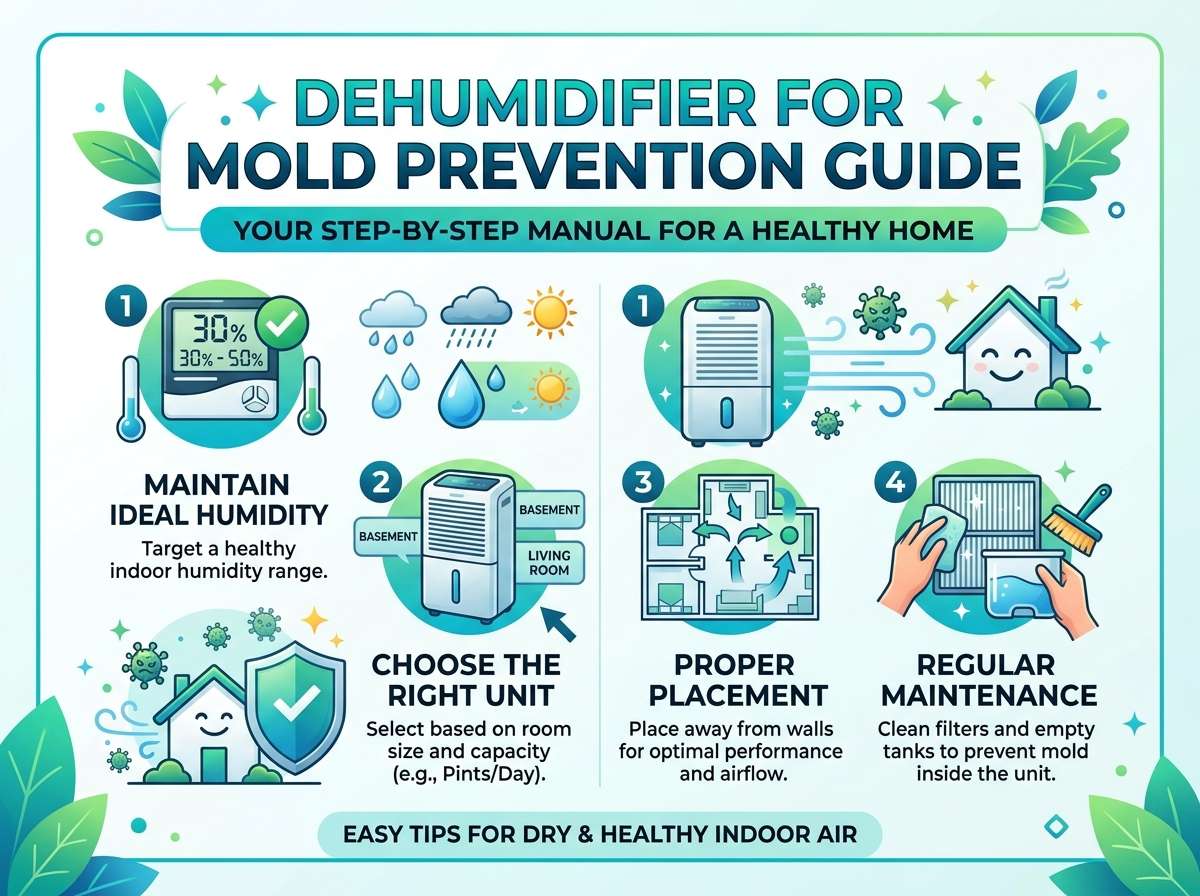
Here’s the simple truth: mold thrives when indoor humidity stays above 50 percent. The sweet spot for mold growth sits between 50 and 100 percent humidity. Your goal should be keeping humidity below 50 percent, though 30 to 50 percent is truly ideal for your home’s health.
The Environmental Protection Agency suggests keeping indoor humidity between 30 and 50 percent. This range protects against both mold growth and other moisture-related problems. Too much humidity invites mold. Too little humidity can make your skin dry and cause other comfort issues.
Most homes without humidity problems naturally sit around 30 to 40 percent humidity. But add a rainy climate, poor ventilation, or water damage, and suddenly you’re dealing with 60, 70, or even 80 percent humidity. That’s when mold gets excited.
The relationship is direct: higher humidity equals faster mold growth. Lower humidity equals mold prevention. It’s that simple. This is exactly why a dehumidifier becomes such a valuable tool in your mold prevention arsenal.
What a Dehumidifier Actually Does
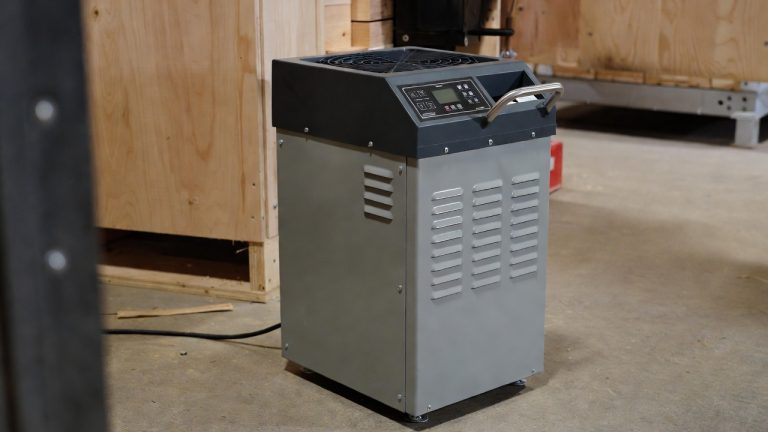
A dehumidifier is basically a machine that pulls moisture out of the air and stores it in a tank or drains it away. Think of it as a giant sponge for your room’s atmosphere. The machine draws in humid air, passes it over cold coils that collect the moisture (similar to how condensation forms on a cold glass), and then releases dry air back into the room.
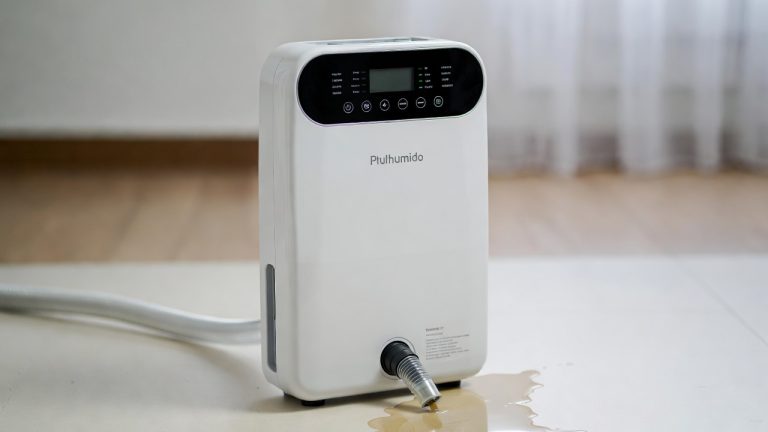
The collected water either drains into a bucket you can empty, flows directly into a drain line, or gets pumped out automatically. Different models work different ways, but the goal remains the same: reduce the amount of moisture floating around in your living space.
The best part about dehumidifiers is that they work actively and continuously. Unlike opening a window or running a fan, a dehumidifier keeps working as long as it’s plugged in. It doesn’t depend on outside weather conditions or time of day. You set your target humidity level, and the machine takes care of the rest.
Types of Dehumidifiers and How They Work
The most common type of dehumidifier in homes is the refrigerant dehumidifier, sometimes called a compressor dehumidifier. This model uses a refrigeration cycle to cool air and pull moisture out of it. These units work great in normal temperature environments and are efficient for typical home humidity problems.
Another type is the desiccant dehumidifier. These machines use a special material that absorbs moisture directly from the air. They work well in colder environments and take up less space than refrigerant models. If you have a basement or crawl space that stays cool, a desiccant dehumidifier might serve you better.
Whole-house dehumidifiers are larger units that connect to your home’s HVAC system. They treat all the air throughout your entire house. This option works best if you have humidity problems in many rooms or your whole home suffers from excessive moisture.
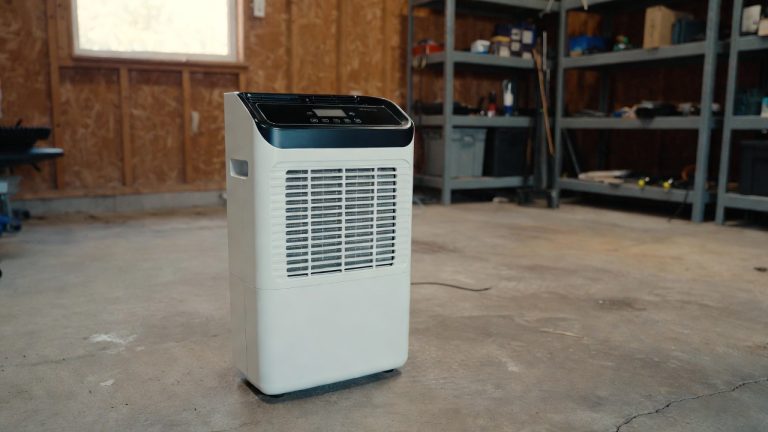
Portable dehumidifiers are the workhorses for most homeowners. You place them in the room where you need them most, plug them in, and let them do their job. They’re affordable, easy to use, and require no installation.
Room Size Matters: Picking the Right Capacity
Dehumidifiers come in different sizes, and matching the right size to your room is crucial. Too small, and it won’t keep up with the moisture your space produces. Too large, and you’ll waste energy and money.
Dehumidifier capacity is measured in pints. A unit rated for 30 pints removes 30 pints of water from the air in 24 hours under specific conditions. Small units handle 30 to 50 pint capacities. Medium units range from 50 to 70 pints. Large units handle 70 pints and beyond.
For a small bedroom, a 30 to 40 pint dehumidifier usually works fine. Medium-sized living areas typically need 50 to 60 pints. Basements and large rooms might require 70 pints or more. Bathrooms with ventilation problems might get away with a smaller unit since you can target just that space.
Location also affects how much power you need. A humid basement will require a more powerful unit than a bedroom in a dry climate. Rooms with water sources—like bathrooms, kitchens, or laundry rooms—need stronger dehumidifiers than living rooms or bedrooms.
The best approach is to measure your room in square feet, research the humidity level you’re dealing with, and then check the manufacturer’s recommendations. Most dehumidifier makers provide sizing charts to help you choose correctly.
Installing Your Dehumidifier for Best Results
Where you place your dehumidifier really matters. You want to position it in the center of the room if possible, away from walls and furniture. The machine needs good air circulation around it to work properly. Blocking the air intake will make it work harder and less effectively.
Keep the dehumidifier away from windows and doors where outside humidity might interfere with your results. Also avoid placing it directly against a wall, as this blocks airflow. Give it at least a foot of space on all sides, especially on the side where air comes in.
Make sure the drain path is clear. If you’re using a bucket, place it somewhere you can reach it easily. If you’re draining the water outside, check that the hose isn’t kinked or blocked. Standing water in the drain line can cause problems.
In basements, place the dehumidifier near the center of the space. In bathrooms, put it after the shower or tub so it catches the moisture right where it forms. In bedrooms, position it away from where you sleep so it doesn’t blow cold air on you while you rest.
Temperature matters too. Most dehumidifiers work best in temperatures between 60 and 80 degrees Fahrenheit. Cold basements might need a special cold-weather unit. If your basement gets below 60 degrees, check that your dehumidifier can handle it.
Setting the Right Humidity Target
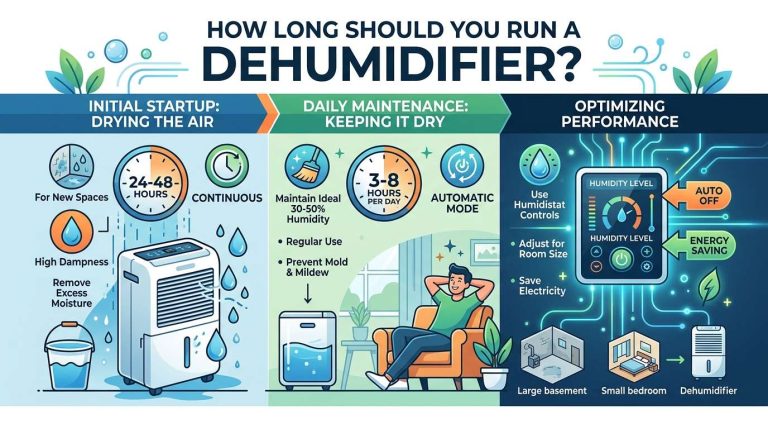
Your dehumidifier has a built-in humidistat—basically a humidity sensor that measures the air. You set your target humidity level, and the machine automatically runs when humidity rises above that number. It stops when the humidity drops to your target.
For mold prevention, aim for 30 to 50 percent humidity. Many people set it to 45 percent as a safe middle ground. This level prevents mold growth while keeping your home comfortable. If you suffer from dry skin or respiratory issues, 45 to 50 percent might feel better. If you live somewhere naturally humid, aim for the lower end around 35 to 40 percent.
Digital controls make this easy. You just press a button and set your desired humidity percentage. The machine does the rest. Some older models use dials instead, but the principle remains the same.
Check your humidity levels occasionally to make sure the dehumidifier is actually reaching your target. You can buy an inexpensive humidity meter at any hardware store. These devices display the current humidity percentage in your room. Checking it helps you confirm that your dehumidifier is doing its job effectively.
Daily and Weekly Maintenance Tasks
Keeping your dehumidifier in good shape ensures it keeps working properly. The most important maintenance task is dealing with the water it collects.
If your dehumidifier uses a bucket, empty it regularly. Some units fill up quickly, especially in very humid conditions. Check the bucket every day or every other day. A full bucket stops the dehumidifier from working until you empty it. Modern units often have a warning light that lets you know when the bucket is full.
If you’re using a continuous drain setup, check regularly that water is actually flowing. Make sure the drain hose doesn’t have any kinks or blockages. In cold weather, water in the drain line can freeze, so insulate outdoor drain lines if you live in a cold climate.
Clean the filter regularly. The filter catches dust and debris from the air. A dirty filter makes your dehumidifier work harder and less effectively. Most filters just need vacuuming or rinsing under water. Check your manual for specific filter maintenance instructions.
Around the coils where moisture condenses, dust can build up. This dust blocks the moisture collection process. Every month or so, gently vacuum or brush the coils. Be gentle—they’re delicate and easy to damage.
In the off-season—if you don’t need the dehumidifier during winter—drain it completely and store it in a dry place. Don’t let it sit in damp conditions or it might grow mold itself.
Combining Dehumidifiers with Other Mold Prevention Methods
A dehumidifier is powerful, but it works best as part of a complete mold prevention plan. Think of it as one tool in your toolbox, not the only tool.
Ventilation is crucial. Run exhaust fans in bathrooms and kitchens when you shower or cook. These fans pull moisture out of the air before it spreads throughout your home. Open windows when weather permits to let fresh air circulate. Good air movement prevents moisture from settling in corners and crevices.
Fix leaks immediately. A dripping pipe, leaky roof, or water-damaged wall feeds mold. Deal with any water problems first, then use the dehumidifier to control humidity.
Insulate pipes and cold surfaces where condensation forms. In basements, pipes often get cold and water condenses on them. Wrap pipes with foam insulation to prevent this problem.
Clean up spills and standing water right away. Don’t let water sit anywhere in your home. The longer it sits, the more likely mold will grow in that spot.
Use air circulation fans to keep air moving. Fans don’t remove moisture, but they prevent still air pockets where mold loves to hide. Good air movement helps the dehumidifier work more effectively too.
Problem Areas Where Dehumidifiers Really Shine
Basements are probably the biggest problem areas for mold. Below-ground spaces naturally collect moisture from the soil around them. Basements tend to be dark, cool, and damp—mold’s dream home. Running a dehumidifier in your basement is one of the smartest moves you can make for mold prevention.
Bathrooms create moisture every time someone showers or bathes. If your bathroom doesn’t have good ventilation, humidity builds up quickly. A dehumidifier in your bathroom stops mold from forming in corners and on tile grout.
Laundry rooms produce tons of moisture, especially if your dryer doesn’t vent outside or vents indoors. A dehumidifier here captures that moisture before it spreads.
Crawl spaces under homes are often forgotten areas where mold thrives. A dehumidifier installed in a crawl space prevents mold problems that could damage your home’s structure.
Attics can get humid too, especially in humid climates or when roof leaks allow rain water in. While less common, an attic dehumidifier prevents attic mold.
Closets and storage areas that don’t get good air circulation easily develop mold. Using a small dehumidifier or moisture absorber in these spaces keeps them fresh.
Energy Costs and Efficiency Considerations
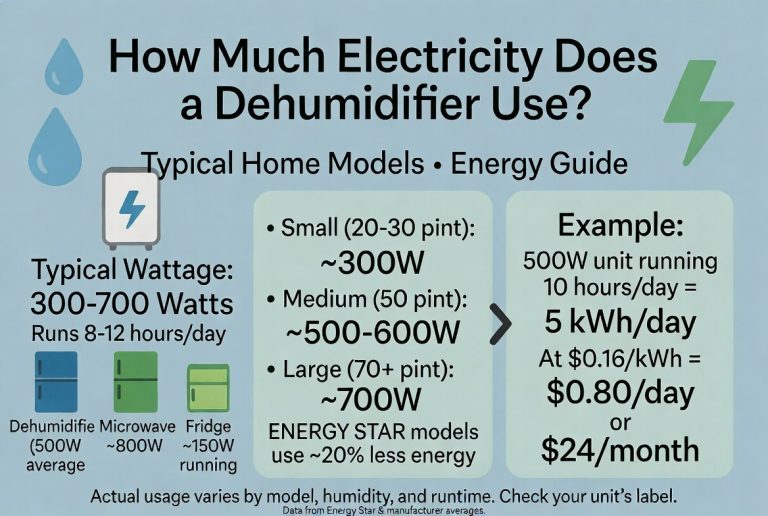
Running a dehumidifier does use electricity. A typical portable dehumidifier consumes between 300 and 700 watts, depending on the model size and type. Running one continuously costs roughly 20 to 50 dollars per month, though this varies by your local electricity rates.
That might sound like a lot, but consider the cost of mold removal or dealing with mold-related health problems. Preventing mold is way cheaper than fixing it after the fact.
You can reduce energy costs by:
- Only running the dehumidifier when humidity is actually high
- Setting humidity to 45 or 50 percent instead of extremely low levels
- Using a unit sized correctly for your space
- Keeping filters clean so the machine runs efficiently
- Closing doors to rooms you’re not using so the dehumidifier only needs to handle occupied areas
Energy Star certified dehumidifiers use less electricity than standard models. Spending a bit more upfront on an efficient unit saves money over time. Look for the Energy Star label when shopping.
Choosing Between Dehumidifiers and Moisture Absorbers
Dehumidifiers aren’t the only way to reduce moisture. Moisture absorbers—also called desiccant packets or moisture eliminating products—work differently and suit different situations.
These products contain materials that passively absorb moisture from the air around them. Common options include calcium chloride containers, silica gel packets, or charcoal-based absorbers. They don’t use electricity and work silently.
Moisture absorbers work great for small spaces like closets, under sinks, or inside storage containers. They’re cheap and require no setup. The downside is that they work slowly and cover small areas. They won’t help if you need to reduce humidity throughout your whole home.
For serious mold prevention in larger spaces or whole homes, a dehumidifier is far more effective. For small spaces or as a supplementary tool, moisture absorbers fill a useful role.
Many people use both. A dehumidifier handles the main living areas, while small moisture absorbers take care of problem closets and storage spaces.
Signs Your Dehumidifier Is Needed
How do you know if you should get a dehumidifier? Watch for these warning signs:
Visible mold or mildew appears on walls, ceilings, or in corners. This is the clearest sign that you have a humidity problem. Black spots on tile grout, green or brown streaks on walls, or fuzzy growth anywhere means mold is already established.
A musty smell in any room is often mold growing somewhere, even if you can’t see it. Basements and bathrooms that smell musty almost always have hidden mold.
Condensation on windows, mirrors, or pipes happens when air is too humid. This moisture eventually feeds mold growth.
Damp stains on walls or ceilings show water is getting in. These areas become perfect mold breeding grounds.
Allergy symptoms that worsen at home might indicate mold. Mold spores trigger allergic reactions in many people.
Peeling wallpaper or paint often results from moisture problems underneath. High humidity eventually damages finishes.
A sticky feeling indoors suggests high humidity. If the air feels heavy or damp, your humidity is probably above 50 percent.
Shopping Tips and What to Look For
When you’re ready to buy a dehumidifier, focus on these features:
Size matters. Make sure the pint rating matches your room size and humidity level. Too small is worse than too large.
Noise level varies widely. Some dehumidifiers run quietly while others sound like a small engine. If you plan to run it in your bedroom, noise matters.
Bucket or drain? Buckets need emptying but don’t require plumbing. Continuous drain requires setup but works automatically. Choose based on your situation.
Digital controls with a humidistat are easier to use than manual settings. You set it and forget it.
Warranty coverage gives you peace of mind. Longer warranties suggest the manufacturer stands behind their product.
Brand reputation matters. Read reviews from real users. Look for models that consistently get good feedback.
Price varies from 100 dollars for small portable units to several thousand for whole-house systems. Start with a portable unit to see if dehumidification solves your problem before investing in something larger.
Seasonal Humidity Changes and Dehumidifier Use
Humidity levels change throughout the year. In many places, summer brings high humidity while winter is dry. This means your dehumidifier use might be seasonal.
During humid months, run your dehumidifier continuously or on a thermostat setting that automatically turns it on when humidity rises. In drier months, you might not need it at all.
Keep the unit plugged in and ready even during dry months. Humidity can spike during storms or after plumbing issues, so having the dehumidifier available ensures you’re prepared.
In climates with year-round humidity, you’ll probably run it most or all of the time. The investment pays off in mold prevention and home health.
Success Stories: How Dehumidifiers Transform Homes
Countless homeowners have solved mold problems by using dehumidifiers. Basements that once smelled musty become fresh and usable. Bathrooms stop growing mold on grout and around windows. Allergies improve when mold spores decrease.
Many people who thought they’d have to live with mold discovered that a simple dehumidifier solved the problem. The key was understanding that controlling humidity prevents mold growth.
Your situation might be similar. If you’re battling mold or worried about it returning, a dehumidifier could be the answer you’ve been looking for.
Final Thoughts on Mold Prevention
Mold prevention doesn’t have to be complicated. Keep moisture low, and mold can’t thrive. A dehumidifier is the easiest, most effective way to do this.
You don’t need to wait until mold appears. Getting ahead of the problem is always smarter. Start using a dehumidifier now if you live in a humid climate or in a naturally damp area like a basement.
Think of your dehumidifier as an investment in your home’s health and your family’s wellbeing. The cost is small compared to the expense of mold removal or health issues from mold exposure.
Use the tips in this guide to pick the right unit for your space, set it up correctly, and maintain it properly. Combine your dehumidifier with good ventilation, quick leak repairs, and regular cleaning, and you’ll have a comprehensive mold prevention plan.
Your home should be a healthy, comfortable place to live. High humidity and mold threaten that goal. Take action today with a quality dehumidifier, and breathe easier knowing you’re protecting your home against mold growth. Start small if you want—test a portable unit in your biggest problem area. Once you see the results, you’ll understand why humidity control matters so much for long-term home health.
Hi, I’m Mary, the founder of Homygear.com. I’m passionate about creating a comfortable, smart, and beautiful home. I share practical insights and real-world experience on home gear that makes everyday life easier. Behind the scenes, my dedicated research team studies products in depth, and our writers craft honest reviews using trusted, authentic sources—so you can choose home gear with confidence.