What Size Desk Do I Need for My Room?
Finding the right desk for your space can feel tricky. You want something big enough to actually use, but not so huge that it takes over your entire room. The good news is that figuring out your perfect desk size doesn’t have to be complicated. In this guide, we’ll walk you through everything you need to know about finding a desk that fits your room and your lifestyle.
Why Desk Size Actually Matters
Your desk is probably where you spend a decent chunk of your time. Whether you work from home, do homework, create art, or just need a spot to handle paperwork, the size of your desk impacts how well you can do all of these things. A desk that’s too small leaves you feeling cramped and frustrated. A desk that’s way too big makes it hard to move around your room or leaves you feeling like you’re working in an office instead of your own space.
Getting the size right means you can actually work comfortably. It means you have room for your monitor, laptop, or papers. It means you can move your chair back and forth without banging your legs. It means your room still feels like your room and not just a desk with a bed in the corner.
Start by Measuring Your Room
Before you do anything else, you need to know what you’re working with. Grab a measuring tape and measure your room from wall to wall. Get the length and the width. Write these numbers down because you’ll need them.
Now walk around your room and think about where you might want to put your desk. Most people put their desk against a wall, but some people like corner desks, and some people have enough space to float a desk out in the middle of the room. Think about natural light too. Do you want to work facing the window or with your back to it?
Once you know your room size and where you want your desk to go, you’re ready to think about desk dimensions.
Standard Desk Sizes and What They Mean
Desks come in a bunch of standard sizes, and knowing about them helps you compare what you’re looking at online or in stores.
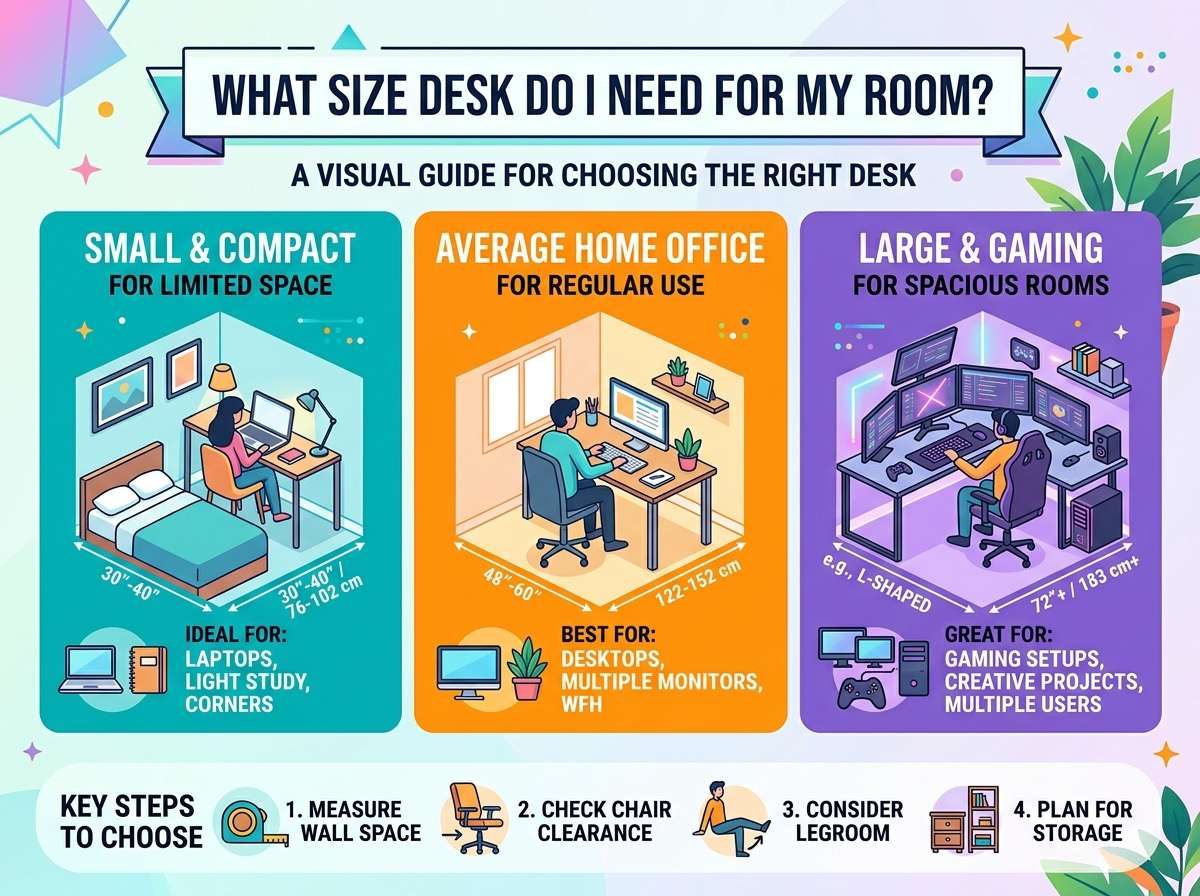
Small desks usually measure around 36 to 40 inches wide and 20 inches deep. These desks work great if you have a small room, a dorm, an apartment, or a tight corner. They’re perfect for someone who just needs a spot to sit and work on a laptop or do light tasks. If you’re only using your desk for a computer and maybe a notebook, a small desk gives you just enough space without eating up your room.
Medium desks are the most popular choice and for good reason. These typically measure between 48 and 60 inches wide and 24 inches deep. A medium desk gives you plenty of room to spread out without feeling like you’ve installed a table in your bedroom. You can have your monitor on one side, papers in the middle, and still have space for a lamp or a cup of coffee.
Large desks are 60 inches or wider and often 30 inches deep. These beauties are for people who really need the space. If you have multiple monitors, like to keep lots of things on your desk, or just want room to stretch out, a large desk is your answer. The downside is they take up serious square footage in your room.
Extra large or executive desks go beyond 72 inches wide and can be quite deep. These are powerful statement pieces. They look impressive and give you tons of working surface, but they’re really only for large rooms.
How Deep Should Your Desk Be
Depth is a detail people often overlook, but it matters a lot. Desk depth usually ranges from 20 to 30 inches.
A 20-inch-deep desk is shallow. It works if you’re only putting a monitor and keyboard on it. Anything more and you’ll feel cramped.
24 inches is a nice middle ground. This depth lets you have a monitor pushed back against the wall and still have room in front for your keyboard, mouse, and maybe a small notepad.
30 inches or deeper gives you a really spacious work surface. You can have multiple things going on at once, and you still won’t feel like things are crowding each other.
For most people in most rooms, a desk that’s 24 to 30 inches deep works best. If your room is really small, go with 20 inches and accept that you’ll need to keep your desktop pretty tidy.
Think About What Goes On Your Desk
Before you pick a desk size, think hard about what you actually put on it. This is crucial because it determines how much surface area you really need.
If you work on a computer, your monitor needs space. A single monitor takes up about 24 inches of width. A laptop is smaller, usually around 15 inches. Multiple monitors? Now you need more width.
Do you write by hand? You’ll want space for a notebook or paper. Do you use reference books? They take up room too. Are you an artist or crafter? You might need space for supplies, materials, and your work in progress all at the same time.
What about office supplies? Even a small container of pens, a stapler, and some sticky notes add up. Some people like having a phone on their desk. Some people want their coffee or water bottle within arm’s reach.
Make a list of everything you typically have on your desk at the same time. Now estimate the space each thing needs. Add it all up and then add some extra room so things don’t feel crammed together. That’s roughly the width you need.
Factor In Your Room Layout
Your desk doesn’t exist in a vacuum. It exists in your room with other furniture like your bed, a dresser, a nightstand, maybe a bookshelf, and a chair.
If you have a small room, you might need to put your desk against a wall to save space. In this case, think about which wall makes sense. Do you want your desk under a window for natural light? Do you want to face the door? Do you want your back to the door? These things matter for how it feels to sit there.
If you have a bigger room, you have more options. You could use a corner desk to tuck the desk into a corner and save more floor space. You could float the desk out into the room if that feels better. You could put it perpendicular to a wall instead of parallel to it.
Walk around your room and imagine where your desk would go. Make sure you can actually pull a chair out and sit down. Make sure you have enough space to open file drawers if your desk has them. Make sure there’s room to move around the desk comfortably.
The Rule of Thumb for Desk Sizing
Here’s a simple way to think about it: your desk should take up no more than one-third of your room’s floor space. This keeps your room feeling open and balanced. It gives you space to move around. It doesn’t make your desk the only thing anyone sees when they walk in.
To figure this out, multiply your room’s length by its width to get the total square footage. Divide that by three. That’s the maximum floor space your desk setup should take up.
For example, if your room is 12 feet by 14 feet, that’s 168 square feet total. One-third of that is 56 square feet. A desk that’s 5 feet wide and 2.5 feet deep is about 12.5 square feet, which is well under this limit and leaves plenty of room for other furniture and walking around.
Common Desk Sizes for Different Room Types
Bedroom Desks
Bedrooms are tricky because you’re trying to fit a bed, a desk, and usually a dresser or closet into a space. Most bedrooms benefit from medium desks, around 48 inches wide and 24 inches deep. This size works well in the corner, against a wall, or even at the foot of the bed if you position it right. A medium desk for bedroom work gives you enough space to focus on schoolwork, remote work, or personal projects without making your bedroom feel like an office.
Home Office Spaces
If you have a dedicated room for work, you can go bigger. A 60-inch wide desk with 30 inches of depth gives you tons of working space. You might even add a return desk that comes off to the side if you have the room. In a home office, your desk can be the main event, and you have flexibility to make it as big as you want within reason.
Dorm Rooms
Dorm rooms are notoriously small. In a dorm, a 36-inch to 40-inch wide desk is often your best bet. These narrow desks fit in tight corners or against walls without overwhelming the space. Pair it with a shallow depth of around 20 inches and you’ve got a functional study spot that doesn’t monopolize your room.
Apartments and Studios
In an apartment or studio, space is precious. A compact desk in the 48-inch range is often the sweet spot. It’s big enough to actually work on but not so big that it takes over your living space. Some people in studios and small apartments prefer desks that double as dining tables or put their desk in a corner to maximize usable floor space.
Kids’ Rooms
Kids need desks too, but a full-size desk might not make sense. Kids’ desks typically start around 36 to 40 inches wide and 18 to 20 inches deep. This size is proportional to a kid’s frame and doesn’t use up too much room. As they grow, they can graduate to a larger desk.
Space Around Your Desk Matters Too
Once your desk is in place, you need space around it. This isn’t just about comfort, though that matters. It’s about actually being able to use the desk.
You need at least 18 inches of space in front of your desk so you can push your chair back and stand up. You need space behind your desk if someone else will ever walk behind it, maybe to get to a window or a closet. You need space on the sides so your desk doesn’t feel like it’s pinning you in.
If possible, leave 36 inches of clear space on at least one side of your desk. This feels roomier and lets you move comfortably. If your room is really tight, even 24 inches helps.
Also think about accessibility. If you need to reach a closet, a window, a dresser, or anything else in your room, make sure your desk doesn’t block that. Nothing is worse than having to squeeze past your own furniture to get to something you use every day.
Height Considerations
While we’re talking about size, desk height matters too. Standard desk height is around 28 to 30 inches. This height works for most people and most chairs.
If you’re taller than average, you might want a desk on the higher end of that range or even a custom taller desk. If you’re shorter than average, a slightly lower desk can be more comfortable. Your feet should rest flat on the floor when you’re sitting, and your elbows should be at a 90-degree angle when your hands are on the keyboard. If the desk height is off, no amount of width or depth will make it comfortable.
Many people adjust their sitting height with a good office chair rather than buying a special desk. An adjustable chair is often cheaper and easier than getting a custom desk height.
Materials and Visual Weight
Here’s something people don’t always think about: different materials make desks look bigger or smaller than they actually are.
A glass desk with thin legs looks smaller and lighter than a solid wood desk of the same dimensions. A desk with lots of drawers and cabinet space feels heavier and takes up more visual space. A desk with open shelving and skinny legs feels more open and less imposing.
If your room is small, choosing a desk with a lighter visual weight helps it feel less cramped. If your room is bigger, a heavier, more substantial desk can anchor the space nicely.
Desk Shape and Configuration Options
Desks don’t all have to be simple rectangles. Understanding different shapes helps you find something that fits your space and your work style.
Straight desks are the classic option. They’re straightforward, fit against walls easily, and don’t take up unusual footprints.
L-shaped desks give you two working surfaces that meet at a right angle. These are great if you need lots of space and have the room for them. They take up more floor space than a straight desk of similar overall width, but they give you multiple working zones.
U-shaped desks wrap around three sides and are even more spacious. These work in large rooms or dedicated offices but are usually too much for a bedroom or small apartment.
Corner desks are designed to tuck into a corner, which saves floor space and makes efficient use of what you have.
Floating desks are mounted on the wall and don’t have legs. These save some visual space and can make a room feel more open, though they have weight limits.
Writing tables are simple, minimal desks without drawers. They look sleek and take up less visual space, though you lose storage.
Think about your room’s shape and your working needs when considering these options.
The Importance of Your Chair
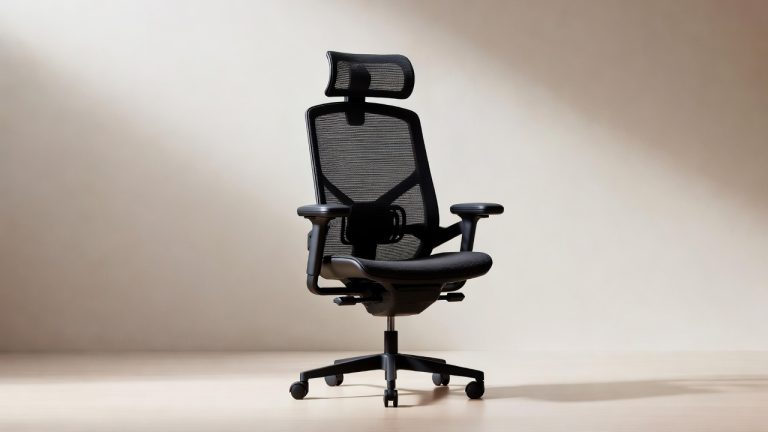
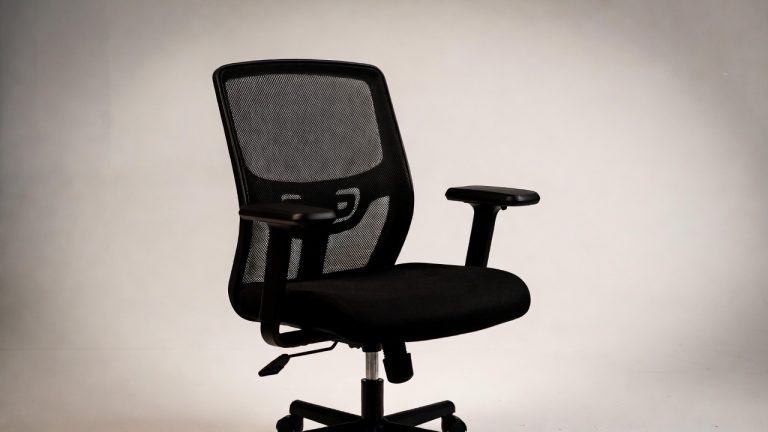
Your desk size isn’t the whole picture. Your chair matters too. A bulky office chair takes up more space than a sleek desk chair. Some people prefer dining chairs or other furniture that doesn’t scream “office.”
Think about how much space your chair will take up, especially when it’s pushed out from the desk for you to sit in. A chair with arms is wider than one without. A desk chair on wheels can be rolled away when you’re not using it, while a dining chair with legs takes up space.
Consider a chair that matches the vibe of your room. If your room is small, a smaller, more minimal chair helps. If your room is cozy, a comfortable chair that fits your aesthetic might be worth a little extra space.
Storage Solutions and Desk Organization
If you’re working with a smaller desk, you need to think about storage. Floating shelves above your desk add storage without increasing the footprint. Wall-mounted organizers keep supplies off your desk surface. An under-desk shelf or cabinet adds storage below the desktop.
Sometimes buying a smaller desk and adding vertical storage works better than trying to force a large desk into a small room. You get more usable space without crowding your room.
Testing Before You Buy
If you can, don’t just buy a desk online without seeing dimensions in person. Visit a furniture store and actually sit at desks of different sizes. Pull up a chair and spend a minute working as if you were really there. Does it feel too cramped? Too spacious? Does your back feel supported? Does your desk feel like the right height?
Take photos on your phone. Measure with your phone’s measuring app if you’re unsure. Ask yourself if this desk is something you’d be happy looking at and working at every single day.
Making It Work in Small Spaces
If you have a genuinely small room and need a desk, get creative. A 36-inch desk with a shallow 18-inch or 20-inch depth takes up minimal space. Wall-mounted desks can fold up when you’re not using them. Desks with storage built underneath give you function without spreading out more. Some desks have shelving above the desktop, which gives you storage in a vertical line rather than spreading horizontally.
You could also consider a desk that’s slightly deeper on one side, creating an asymmetrical surface. This can feel less boxy in a small room and still give you the working space you need.
Making It Work in Large Spaces
If you have a generous room and want a larger desk, go for it. A 72-inch wide desk with a 30-inch depth gives you a serious amount of working space. You might add a return desk or side table for even more surface. In a large room, a statement desk can become the focal point and anchor the whole space.
Final Tips for Getting Your Desk Size Right
Start by measuring your room and identifying where your desk would go. Think about everything you actually put on your desk and estimate the space needed. Remember that one-third of your room’s floor space is a good maximum. Walk through your room and imagine how much space you need to move around comfortably. Consider what’s most important to you, whether that’s lots of working surface, storage, or simply not feeling cramped.
Don’t just buy the biggest desk you can fit. Buy the desk that works for how you actually live and work. Pair your desk choice with good organization systems so you use your space efficiently. Pick a desk shape and style that fits your room’s aesthetic and your personal taste.
Most importantly, remember that you can always adjust. If you buy a desk and later realize you need more space, you can add shelving or a side table. If you realize it’s too big, you can replace it. Getting the size right the first time just saves you that trouble.
Wrapping Up
Finding the right desk size for your room is about balancing several factors. You need enough surface area to work comfortably and do what you need to do. You need to leave room for your body, your chair, and movement around your desk. You need your desk to fit into your room without making the space feel cramped or off-balance. You need to like how it looks because you’ll see it every single day.
Start with the basics: measure your room, think about your actual work needs, and remember that less cramped usually feels better than maximum space. Visit some desks in person if you can. Trust your instincts about whether a space feels right. A good desk that fits your room makes work more pleasant, and that’s worth taking the time to get it right.
Your perfect desk is out there waiting for you. It just takes a little planning to find it.

Hi, I’m Mary, the founder of Homygear.com. I’m passionate about creating a comfortable, smart, and beautiful home. I share practical insights and real-world experience on home gear that makes everyday life easier. Behind the scenes, my dedicated research team studies products in depth, and our writers craft honest reviews using trusted, authentic sources—so you can choose home gear with confidence.