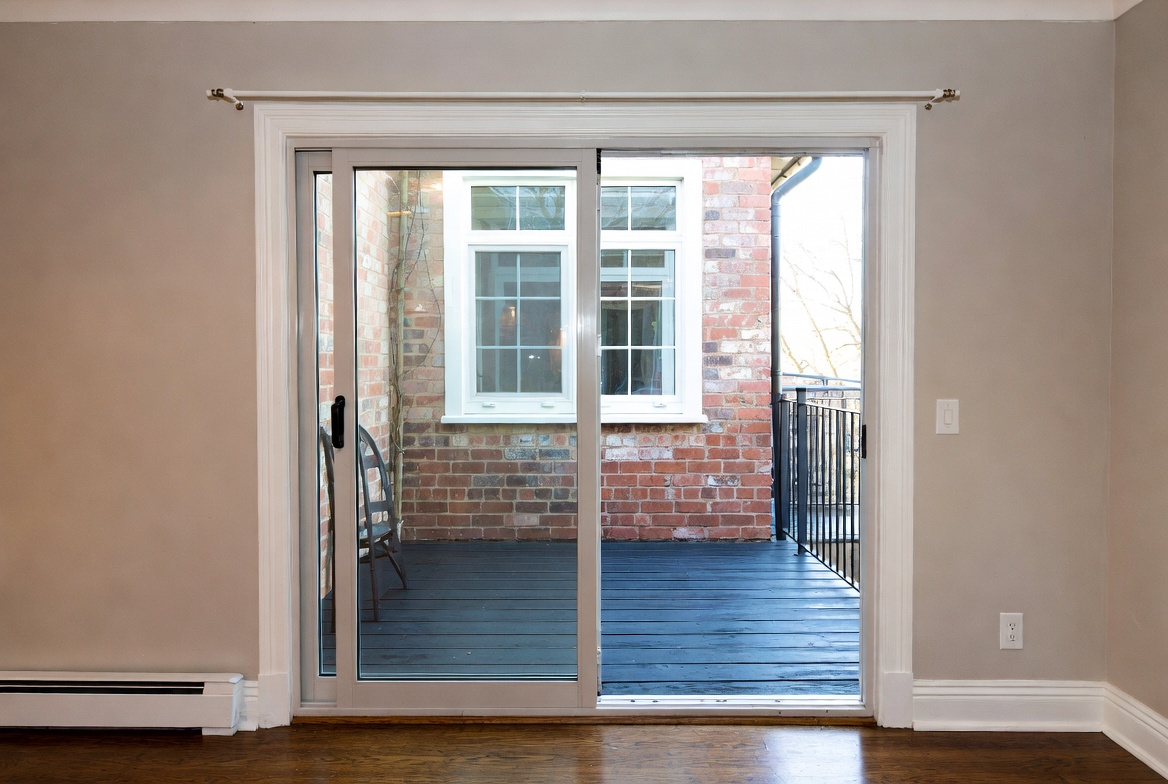
How to Add a Sliding Glass Door?
Sliding glass doors are awesome. They bring light into your home. They make spaces look bigger. They let you go outside without much effort. If you’ve been thinking about adding one, you’re in the right place. This guide will walk you through everything you need to know.
Why Add a Sliding Glass Door?
Before we jump into the how-to part, let’s talk about why you might want one. Sliding glass doors have real benefits.
More Natural Light
Your home gets brighter with a sliding glass door. Natural light changes how a room feels. It makes spaces feel warm. It makes them feel open. You don’t need as many lamps during the day. Your electric bill goes down.
Better Views
A sliding glass door frames your backyard. It frames your patio. It frames whatever you have outside. You get to see your view from inside. It’s like adding a piece of art to your wall.
Easier Movement
Walking through a regular door takes effort. You grab the handle. You turn it. You push it open. Sliding doors work differently. You just slide them open. It takes less force. It’s smooth and quick.
More Space
A sliding glass door doesn’t swing out like a regular door. Regular doors need clearance. They need space to open. Sliding doors move side to side. They don’t take up any floor space.
Connects Indoor and Outdoor
These doors blur the line between inside and outside. Your living room feels bigger. Your patio feels like part of your home. You can keep an eye on kids playing outside. You can hear what’s happening on your patio.
Types of Sliding Glass Doors
Not all sliding glass doors are the same. You have choices. Each type has different benefits.
Standard Sliding Doors
These are the most common. Two panels. One stays still. One slides open. They come in many sizes. They work with most homes.
Pocket Sliding Doors
These doors slide into a pocket in your wall. They don’t stick out when open. You can’t see the door. It just vanishes into the wall. They look clean and modern.
Bifold Sliding Doors
These doors fold like an accordion. They stack on top of each other. They open up completely. They let in tons of light. They let in lots of fresh air.
Multi-Slide Doors
These are like pocket doors but fancier. Multiple panels slide together. They open super wide. They’re great for big openings.
Exterior Sliding Glass Doors
These connect your home to the outside. They open onto a patio. They open onto a deck. They open onto a backyard.
Interior Sliding Glass Doors
These divide rooms inside your home. They let light through. They save space compared to swing doors.
What You’ll Need Before You Start
Getting ready is half the battle. Gather your tools first. Get your materials ready. You’ll save time. You’ll avoid frustration.
Tools You’ll Need
A tape measure is essential. You need to measure your opening. Get measurements twice. Measure three times if you’re nervous. Grab a level. Your door needs to be straight. A power drill helps with screws. A circular saw cuts material. A caulking gun seals gaps. A hammer works for small adjustments. A pry bar removes old doors.
Materials
You need the sliding glass door itself. Get a frame kit. This makes installation easier. Get shims. These are small wedges. They help level your door. Grab some caulk. Silicone caulk works best. It lasts longer. Get weatherstripping. This keeps drafts out. Get fasteners and screws. Get some drywall or trim for finishing.
Safety Gear
Wear safety glasses. Glass can break. Protect your eyes. Wear work gloves. Wear a dust mask. Cutting creates dust. Protect your lungs.
Measuring Your Opening
This step makes or breaks the whole project. Take your time. Don’t rush.
Take Horizontal Measurements
Measure across the bottom of your opening. Record this number. Now measure across the middle. Measure across the top. Write these down. If they’re different, your opening isn’t square. That’s okay. We’ll deal with it.
Take Vertical Measurements
Measure on the left side. Measure in the middle. Measure on the right side. Write all three down. Openings are often taller on one side.
Measure the Depth
Your opening has depth. You need to know this. It matters for the frame. Slide your measuring tape through the opening. Check it at different spots.
Account for Tolerances
Sliding glass doors need room. They can’t fit perfectly tight. Builders always leave room. Leave about half an inch. Some doors need three-quarters of an inch. Check your door instructions.
Order the Right Size
Doors come in standard sizes. Common widths are 60 inches, 72 inches, and 84 inches. Common heights are 80 inches and 96 inches. Order based on your actual opening size. The manufacturer will cut or adjust if needed. Don’t worry. They know how to handle it.
Removing the Old Door
If you’re replacing an old door, you need to remove it first. This part is straightforward.
Take Off the Interior Trim
Interior trim covers the edge. Use a pry bar. Be gentle. You might want to keep it. Slide the bar behind the trim. Rock it back and forth. The trim will pop off. Do this on all sides.
Take Out Screws and Fasteners
The frame has screws. Find them all. Remove them with your drill. Some might be painted over. Scrape the paint away first. Keep screws in a bag. You might need them later.
Pry Out the Old Door
Now the door can come out. The door is heavy. Get help. Don’t try to do this alone. Slide the door open and closed. Feel how it moves. This tells you how to remove it. Open it partially. Tilt the door up. Slide it out. It takes strength but not skill.
Remove the Old Frame
Once the door is out, remove the frame. Use your pry bar. Start from the top. Work down the sides. Go slow. If you’re keeping the opening clean, be careful. The frame will come out. Don’t worry if it’s stuck. Tap your pry bar with a hammer.
Clean Out the Opening
Remove old caulk. Remove old nails. Clean out debris. Sweep it out. A clean opening makes installation way easier.
Preparing Your Opening
Your opening needs to be ready. It needs to be square. It needs to be solid.
Check if It’s Square
Your opening might not be perfectly square. That’s normal. Use a level. Check both directions. Write down any gaps. Small gaps are fine. Large gaps need fixing.
Fix Any Structural Issues
Look at the wood around your opening. Is it rotten? Does it feel soft? Rotten wood won’t hold your door. You need to replace it. This is important. A loose door is a bad door. It won’t work right. It will be unsafe.
Check the Sill
The sill is the bottom part. It takes a lot of wear. Make sure it’s solid. Make sure it’s level. A sloped sill is bad. Your door won’t seal. Water gets in. Your floor gets damaged.
Check for Gaps
Look for big gaps between the frame opening and your walls. Gaps wider than a quarter inch need attention. Use shims or foam. These fill gaps. They keep things solid.
Seal Any Leaks
If your opening has been exposed to weather, it might have damage. Look for water marks. Look for rot. Fix it now. Use wood filler. Use weatherstripping. Get it dry and solid.
Installing the New Sliding Glass Door
This is where the magic happens. Follow these steps carefully.
Position the Door
Set your door in the opening. Don’t fasten it yet. Slide it around. Make sure it fits. Check all four sides. You want even gaps on both sides. The top should be even too.
Shim the Door
Use shims to level your door. Shims are small wedges. Start at the bottom. Put one shim under each corner. Put one in the middle. Rock the door. Check your level. It should read straight. Add shims until it’s level.
Check Your Measurements Again
Before you fasten anything, measure. Check the gaps. Make sure the door opens and closes smoothly. Make sure it looks right. This is your last chance to adjust.
Fasten the Top
Drill a small pilot hole. This prevents splitting. Use the fasteners that came with your door. Start screws slowly. Don’t over-tighten. Tighten them gradually. Check that the door still operates smoothly.
Fasten the Sides
Work down each side. Put fasteners every 16 inches or so. Leave the bottom for last. Make sure everything stays level and square as you go.
Fasten the Bottom
Now secure the bottom. This is where your door sits. Make sure it’s solid. Use good fasteners. The bottom takes a lot of weight and stress.
Test the Operation
Open and close your door. Does it glide smoothly? Does it feel right? Does it close all the way? If anything feels off, you might need to adjust shims. It’s okay. Take your time.
Sealing and Weatherproofing
A door without good sealing isn’t a good door. Water gets in. Air leaks. Your energy bill goes up.
Apply Caulk to the Exterior
Use silicone caulk. It lasts longer than other caulk types. It handles temperature changes better. Apply a bead around the entire frame. Work on the outside. Go around all four sides. Smooth it out with your finger. Wet your finger with water first. This makes smoothing easier.
Apply Weatherstripping
Weatherstripping goes on the frame. It seals gaps. It keeps wind and water out. Stick it around the entire opening. Make sure there’s no gap between the weatherstripping and your door.
Seal the Interior
Do the inside too. Use caulk again. Smooth it out. Make it look nice. This seals the wall penetration.
Let It Cure
Caulk needs time to dry. Most caulk dries in 24 hours. Don’t use your door for at least 24 hours. Give the caulk time to fully cure.
Adding Trim and Finishing Touches
Trim finishes the look. It protects the edges. It makes your door look professional.
Install Interior Trim
Use trim that matches your home. Measure and cut pieces. Use a miter saw for clean cuts. Corners look better when cut at 45 degrees. Nail the trim in place. Use a nail gun if you have one. Fill nail holes with wood filler.
Install Exterior Trim
The outside needs protection too. Use weather-resistant trim. Use aluminum trim or treated wood. It needs to handle sun and rain.
Paint or Stain
Make the trim match your home. Paint it. Stain it. Seal it. Give it two coats for protection.
Add Caulk for the Final Touch
Caulk between the trim and wall. Caulk between the trim and door. This finishes the look. It keeps moisture out.
Making Your Sliding Glass Door More Secure
Security matters. Your door is an entry point. Make it strong.
Install a Solid Lock
Most sliding doors come with basic locks. They’re not super strong. Add a keyed lock. It’s better. It’s more secure. A deadbolt is even better.
Add a Bar or Rod
Put a bar in the bottom track. A wooden dowel works. It prevents someone from sliding the door open. This is simple and effective.
Install Safety Film
Safety film makes glass harder to break. It comes in sheets. You apply it to the inside. If someone breaks the glass, it stays together. The glass doesn’t shatter everywhere.
Add Security Bars
Security bars bolt to the frame. They’re visible. They make people think twice. They’re very effective.
Use a Door Sensor Alarm
Sensors detect when your door opens. They trigger an alarm. They’re affordable. They’re easy to install.
Maintaining Your Sliding Glass Door
Keep your door working right. Regular maintenance takes 10 minutes.
Clean the Tracks
Tracks collect dirt and debris. Vacuum them out. Use a small brush. Get out all the gunk. Do this every month. Clean tracks mean smooth operation.
Lubricate the Rails
Use a silicone-based lubricant. Spray it on the tracks. Open and close the door a few times. This helps everything glide. Do this every few months.
Clean the Glass
Glass gets dirty. Use a regular glass cleaner. Spray and wipe. Clean both sides. It only takes a few minutes. It makes a huge difference in how your door looks.
Check the Weatherstripping
Weatherstripping wears out over time. Check it once a year. Is it cracked? Is it compressed? Does it seal properly? Replace it if needed. It’s inexpensive. It keeps your energy bills down.
Inspect for Damage
Look for problems early. Check the frame. Check the glass. Look for cracks. Look for water damage. Fix small problems before they become big ones.
Troubleshooting Common Issues
Things sometimes go wrong. Here’s how to fix the most common problems.
Door Won’t Open or Close Smoothly
The tracks are probably dirty. Clean them out. Use a vacuum. Use a brush. Apply lubricant. Try again. It should work.
Door Gaps at the Sides
Your shims might have shifted. Recheck the level. Add or remove shims as needed. Fasten everything securely.
Water Leaks
Your caulk might have failed. Remove the old caulk. Clean it out completely. Apply new caulk. Make sure it’s smooth and complete.
Glass Is Foggy or Cloudy
Thermal insulated glass sometimes fogs up between the panes. This means the seal failed. The glass needs replacing. Contact the manufacturer. They can help.
Drafts Around the Door
Add weatherstripping. Make sure it’s sealed. Check caulking. Add more if needed. These simple fixes solve most draft problems.
Cost Expectations
Budget matters. Let’s talk money.
The Door Itself
Sliding glass doors range widely in price. Basic doors cost $500 to $1,000. Mid-range doors cost $1,000 to $2,000. High-end doors cost $2,000 to $5,000 or more. Price depends on size, quality, and features.
Materials and Hardware
You’ll spend another $100 to $300 on materials. This covers shims, caulk, fasteners, trim, and weatherstripping.
Tools
If you don’t have tools, budget another $200 to $500. Many people already own basic tools. You might not need to buy much.
Labor
If you hire someone, labor costs $500 to $1,500. Professional installation takes a day or two. It depends on complexity. If you do it yourself, you save this money.
Total Budget
DIY installation: $600 to $1,600 total. Professional installation: $1,000 to $6,500 total. Your actual cost depends on the door you choose.
When to Call a Professional
Sometimes DIY isn’t the right choice. Here’s when to hire someone.
Complex Structural Issues
If your opening has major structural problems, hire a professional. Rotten framing needs expert repair. A professional does it right.
Large Multi-Panel Doors
Big doors are heavy. They’re hard to handle. They’re hard to level. Professional installation makes sense.
If You’re Not Handy
Some people aren’t comfortable with tools. That’s okay. Hiring someone is smarter than struggling.
Warranty Concerns
Some manufacturers require professional installation for full warranty coverage. Check your warranty. It might matter.
Building Permits
Some areas require permits for door installation. A professional knows the rules. They know what inspectors want. They handle the paperwork.
Energy Efficiency and Your Sliding Glass Door
A good door saves money on your energy bill.
Choose High-Performance Glass
Low-E glass reflects heat. It keeps your home warmer in winter. It keeps it cooler in summer. It costs more upfront. It saves money long-term.
Double-Pane vs. Triple-Pane
Double-pane glass is standard. Triple-pane is better. It insulates more. It costs more. In cold climates, triple-pane makes sense.
Frame Materials
Aluminum frames conduct heat. Vinyl frames don’t. Fiberglass is better yet. Better frame materials save energy.
Proper Sealing
Good caulking and weatherstripping matter. Even the best door leaks if it’s not sealed right. Seal everything properly.
Use Window Treatments
Curtains and blinds help. Close them at night. Open them during the day in winter. Close them in summer. It helps regulate temperature.
Style and Design Ideas
Your sliding glass door should look good too.
Modern Styles
Clean lines. Minimal frames. Lots of glass. Modern doors disappear into spaces. They let the view dominate.
Traditional Styles
More frame. Smaller glass panes. Grilles on the glass. These fit older homes. They have classic appeal.
Contemporary Styles
Mix of modern and traditional. Large glass but visible frames. Black frames are popular right now. They look sharp and clean.
Material Choices
Wood frames are beautiful but need maintenance. Vinyl is low-maintenance. Aluminum is sleek. Fiberglass is durable. Each has benefits.
Glass Options
Clear glass is standard. Frosted glass offers privacy. Tinted glass reduces glare. Textured glass is decorative. You have choices.
FAQ About Sliding Glass Doors
How long does a sliding glass door last?
A quality sliding glass door lasts 20 to 30 years. Proper maintenance extends its life. Poor maintenance shortens it.
Can I install a sliding glass door myself?
Yes, if you have basic skills and tools. The process isn’t super complicated. Take your time. Follow directions carefully. You can do it.
What’s the best glass for a sliding glass door?
Low-E insulated glass is best. It saves energy. It’s durable. It’s worth the investment.
Do I need a permit?
Check with your local building department. Some areas require permits. Some don’t. It depends where you live. It’s worth checking.
Can I paint my sliding glass door?
Yes, but frame material matters. Vinyl frames shouldn’t be painted. Aluminum and wood frames can be painted. Use appropriate paint. It’s a good way to refresh an old door.
What about insects getting in?
Install a retractable screen. It slides along with your door. It keeps bugs out. You can open the door and screen together.
How do I fix a broken glass panel?
Glass panels are replaceable. Contact the manufacturer. They’ll send a new panel. Installation is similar to the whole door process. It’s doable but tedious.
Are sliding doors safe for kids?
They’re generally safe. Kids can’t get pinched like swing doors. Add safety measures. Install locks. Add safety film. Keep an eye on them. Educate kids about safe use.
Final Thoughts
Adding a sliding glass door is a rewarding project. It improves your home. It improves your quality of life. The process isn’t complicated. Take your time. Measure twice. Cut once. Seal everything properly. Your new door will serve you well for decades.
Whether you choose to DIY or hire someone, you’re making a smart home improvement. Your home gets more light. You get a better view. You get easier access to the outside. You get a door that looks great and works great.
Start planning your project today. Measure your opening. Pick your door. Gather your materials. You’ve got this. Your new sliding glass door awaits.