How to Add Humidity to a Room?
Why Your Room Feels Like the Sahara Desert
If you’ve ever walked into a room and felt like your skin was drying out, you’re not alone. Many people struggle with low humidity levels in their homes. This happens especially during cold months when heaters run constantly. Dry air can make you feel uncomfortable. It can also lead to health problems.
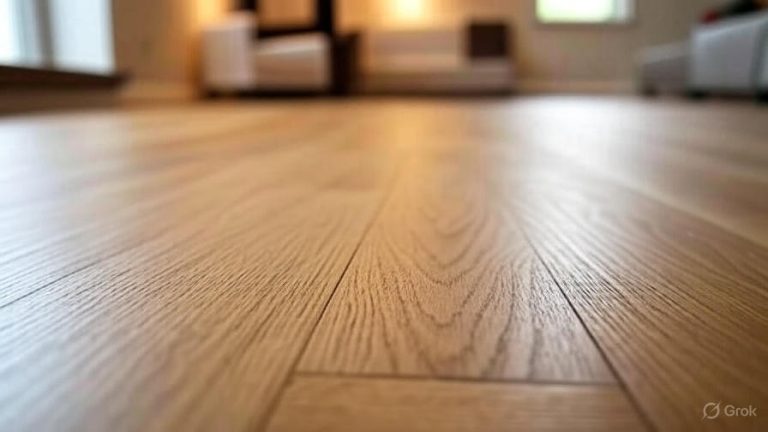
Your air might feel crispy and uncomfortable. Your lips might get dry and cracked. Your eyes might feel itchy. Even your hair might become frizzy or brittle. Dry air doesn’t just affect how you feel. It can also damage your furniture, wooden floors, and musical instruments.
Low humidity levels also make it easier for viruses to spread. Dry air irritates your nose and throat. This makes you more prone to getting sick. Your skin can become sensitive and painful. Some people develop eczema or other skin conditions because of dry air.
The good news is that fixing this problem is easy. You have many options to boost the moisture in your room. Some solutions are cheap and simple. Others are more advanced. Let’s explore all your options.
Understanding Humidity Levels in Your Room
Before you start adding moisture to your air, you need to understand what humidity actually is. Humidity measures how much water vapor is in the air around you. It’s expressed as a percentage.
Low humidity means there’s very little water in the air. High humidity means there’s a lot of water vapor in the air. The ideal humidity level for most homes is between 30% and 50%. Some experts say 40% to 60% is better. This range keeps you comfortable and healthy.
If your humidity is below 30%, your air is too dry. If it goes above 60%, you might get mold growing in your room. You want to find that sweet spot in the middle.
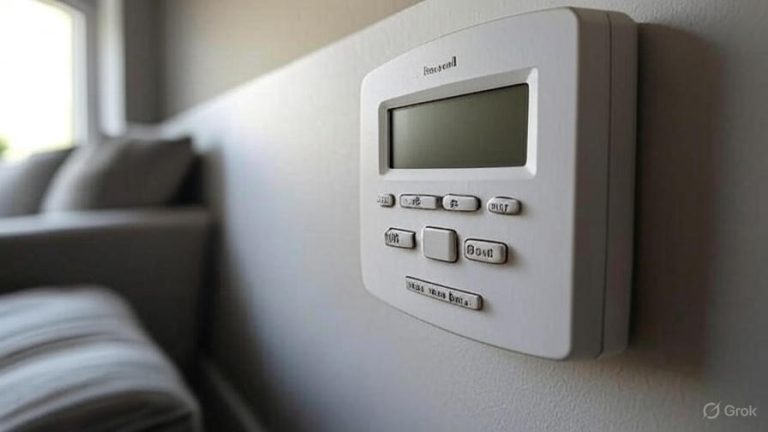
You can measure humidity using a simple device called a hygrometer. These are cheap and easy to use. Just place one in your room and check the reading. Some digital versions display the exact percentage. Others use an analog dial. Either way, you’ll know if your air needs more moisture.
Method 1: Use a Humidifier (The Most Popular Choice)
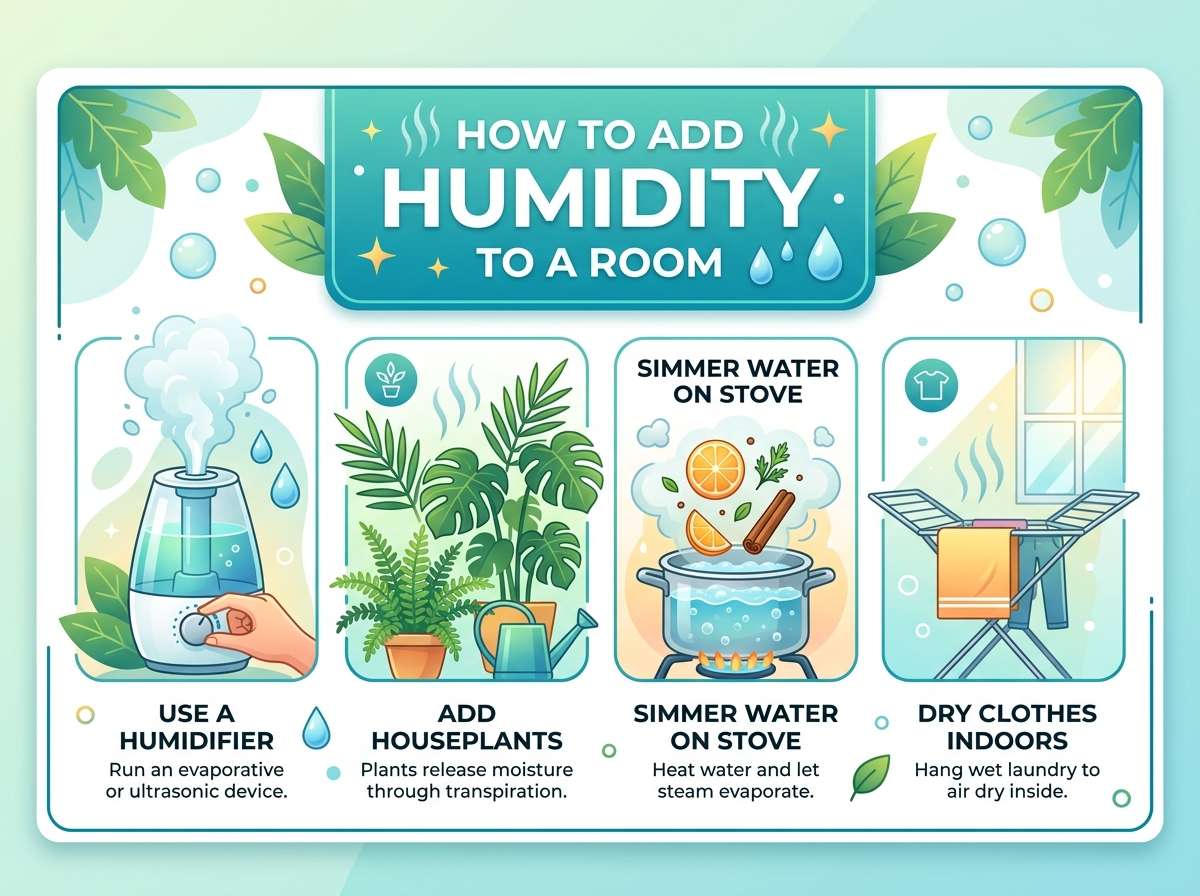
The easiest way to add humidity to a room is using a humidifier. This device releases water vapor into the air. Humidifiers come in many shapes and sizes. Some are small and portable. Others are large and designed for big spaces.
Types of Humidifiers
Ultrasonic Humidifiers: These use vibrations to turn water into a fine mist. They’re quiet and energy-efficient. The mist cools down your room a little bit. They work well for small to medium spaces.
Evaporative Humidifiers: These blow air across a wet filter. The moisture from the filter gets released into the air. They don’t cool down your room as much. They work best in medium to large rooms.
Steam Humidifiers: These heat water and release steam into the air. They can make your room feel warm and toasty. They work well during cold months. Be careful with these because the steam is hot.
Warm Mist Humidifiers: These heat water slightly before releasing it. They feel cozy during winter. They can help relieve congestion if you’re sick.
Cool Mist Humidifiers: These release cool vapor into the air. They’re safe for kids and pets. They work great in warm weather too.
How to Use a Humidifier
Using a humidifier is simple. Fill the water tank with clean water. Plug it in. Turn it on. Most humidifiers have a dial or button to control the moisture level.
Place your humidifier in the center of the room for best results. Don’t put it in corners. Don’t block it with furniture. Let the water vapor spread evenly through the space.
Clean your humidifier regularly. Mineral deposits can build up inside the tank. This makes the machine work harder. You can use distilled water instead of tap water to reduce buildup. Empty the tank daily and let it dry out before refilling.
Replace the filter as directed by the manufacturer. A clogged filter reduces how much moisture gets released. Different models need filter changes at different times. Check your instruction manual.
Method 2: Take Hot Showers (Free and Easy)
This is the simplest method of all. Hot showers create tons of steam. This steam spreads throughout your bathroom and nearby rooms.
Keep your bathroom door open while you shower. The steam will flow into other areas of your home. Leave the bathroom door open for at least 30 minutes after your shower ends. This gives the moisture time to spread.
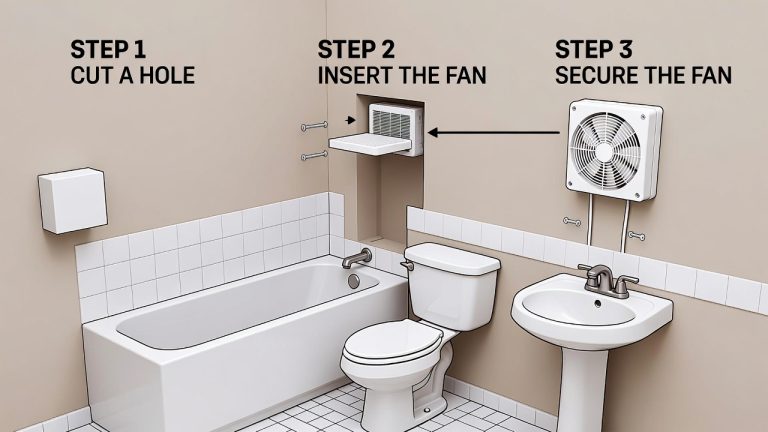
Don’t use your bathroom fan while showering. The fan pulls moist air out of your home. If you must use the fan, turn it on briefly after you’re done. Just a few minutes is enough to clear any excess moisture.
This method works best during winter when you want to add warmth. In summer, it might make your space too humid. Use this technique strategically. One or two hot showers a day can really boost humidity levels.
Method 3: Boil Water on the Stove (Budget-Friendly)
Boiling water creates steam that adds moisture to your air. You can do this anytime you want.
Fill a pot with water. Put it on the stove. Set the heat to medium or medium-high. Let the water boil. Steam will rise from the pot and spread through your room.
This method works best in kitchens and nearby spaces. The steam spreads quickly but won’t reach distant rooms. You can add herbs like eucalyptus or chamomile to make your room smell nice. This is especially helpful if you’re feeling sick.
Never leave boiling water unattended. Safety comes first. Turn off the heat and remove the pot when you’re done. Be careful not to touch the hot water or steam.
This method is free if you use tap water. It’s perfect for adding short bursts of humidity when needed. Some people do this every evening during dry months.
Method 4: Place Bowls of Water Around Your Room
This passive method works slowly but requires no electricity. It’s perfect if you want something simple and quiet.
Fill bowls with water and place them around your room. You can put them on tables, shelves, or the floor. As the water sits out, it evaporates. This adds moisture to the air.
The water evaporates slowly over several days. Change the water daily so it stays clean. This method works best for small spaces.
You can speed up the process by placing bowls in warm spots. Sunlight helps water evaporate faster. A bowl near a sunny window will release moisture quicker than one in a dark corner.
This method costs almost nothing. The only expense is the water itself. It’s also totally silent and safe. You don’t have to worry about it running out of power or making noise.
Method 5: Hang Wet Towels Around Your Room
Wet towels release moisture as they dry out. This is another passive method that requires no electricity.
Dampen some towels or cloths with water. Hang them over chairs, shower rods, or towel racks. As they dry, they add humidity to your room. Change them out when they feel completely dry.
You can hang multiple towels for faster results. Wet towels in different rooms will add moisture to each space. This method works well in bedrooms and living areas.
This costs nothing if you use towels you already own. It’s safe and quiet. The only drawback is that your room will have wet towels hanging around. Some people find this less attractive than using a humidifier.
Method 6: Keep Plants in Your Room
Plants release water vapor through a process called transpiration. This is a natural way to boost humidity without any equipment.
Large plants work better than small ones. Plants with big leaves release more moisture. Spider plants, ferns, Boston ferns, and peace lilies are excellent choices. These plants actually prefer humid environments.
Place several plants around your room. The more plants you have, the more moisture they’ll release. Group them together for even better results. Multiple plants create their own little humid zone.
Keep your plants healthy. Water them regularly. Give them proper light and care. Healthy plants transpire more water than struggling plants.
This method takes time to work. Plants won’t instantly boost humidity like a humidifier will. But over hours and days, they add noticeable moisture to the air. The bonus is that plants also clean your air and make your room look great.
Method 7: Dry Clothes Inside Your Room
Drying wet clothes indoors releases moisture into the air. This is a natural byproduct of the drying process.
Hang wet clothes on drying racks or clotheslines inside your room. Set up a clothes rack in a corner. Hang shirts, pants, and towels on it. As clothes dry, water evaporates and adds to your room’s humidity.
This method works best during winter. In summer, it might make your space too humid and sticky. Use this technique strategically based on your climate.
The benefit is that you’re getting your laundry done anyway. Might as well dry it indoors and gain humidity benefits at the same time. This saves energy too since you won’t run your dryer.
The downside is that wet clothes take up space. Your room might feel cluttered. Some clothes might develop a musty smell if they take too long to dry. Make sure air flows around the clothes so they dry quickly.
Method 8: Leave Your Shower Door Open
Don’t close your shower door after bathing. Leave it open so moisture can escape into your room instead of getting trapped in the shower area.
This works similarly to taking hot showers. The lingering moisture spreads throughout your bedroom or bathroom area. It’s a simple habit change that requires no extra effort or equipment.
Make sure you have good air circulation. Open your shower curtain or door. This lets the moisture spread evenly. Your room will gradually become more humid.
The drawback is that your bathroom will feel damp. It might get moldy if moisture gets trapped. Make sure you have a window or fan to prevent moisture buildup in the bathroom itself.
Method 9: Use a Fountain or Water Feature
Indoor fountains and water features add moisture to the air. The moving water creates evaporation. This releases humidity into your room.
Choose a fountain that fits your space. Small tabletop fountains work for small rooms. Larger floor fountains work for bigger spaces. Turn on the fountain and let it run. The circulating water constantly evaporates.
This method is decorative. Your room looks nice with a water feature. Fountains can also create a calming sound. Many people find the gentle water sound relaxing.
The downside is cost. Fountains can be expensive. They also use electricity constantly. You’ll need to add water regularly as it evaporates.
Method 10: Keep Your Bedroom Door Open
Spreading humidity from humid rooms to dry rooms helps balance your home. If you just took a hot shower, keep your bedroom door open.
Heat and moisture flow naturally from warm rooms to cool rooms. Open doors allow this to happen. Moisture from your bathroom will drift into nearby bedrooms and hallways.
This costs nothing. It requires no equipment. You just need to change your habit of closing doors behind you.
The trick is opening the right doors. Open doors between humid and dry spaces. Don’t open doors to rooms you want to keep dry.
Combining Methods for Better Results
You don’t have to pick just one method. Combining multiple techniques works even better. Use a humidifier as your main tool. Then add boiling water on the stove a few times a week. Leave your shower door open after bathing. Add a few plants to your room.
This combination approach gives you better humidity control. If humidity drops, you have multiple ways to boost it quickly. You’re not relying on a single method.
Start with whatever method seems easiest. Then add other methods as needed. You’ll find the perfect combination for your space and lifestyle.
Tips for Maximum Humidity Control
Measure your humidity levels: Use a hygrometer to track progress. Check it daily at first. This helps you understand what works and what doesn’t.
Run your humidifier at night: Many people use humidifiers while sleeping. This keeps your air moist throughout the night. You wake up feeling less dry.
Keep doors open between rooms: This distributes moisture evenly throughout your home. You don’t want one room super humid while another stays dry.
Avoid over-humidifying: Humidity above 50% can cause mold and mildew. Your air will feel sticky and uncomfortable. Aim for that sweet spot between 30% and 50%.
Use distilled water: Regular tap water leaves mineral deposits. Distilled water keeps your humidifier cleaner. It lasts longer and works better.
Place a humidifier near you: If you’re sitting in one spot, put the humidifier close by. You’ll feel the benefits faster.
Clean your humidifier weekly: Mold and bacteria can grow in moist environments. Clean the tank and filter regularly. Replace filters as needed.
Position your humidifier correctly: Place it away from walls and corners. Put it on a level surface. Make sure nothing blocks the mist output.
Common Mistakes to Avoid
Placing a humidifier against a wall: The mist bounces back at the machine. It doesn’t spread into the room properly. Keep it at least two feet from walls.
Using hot water in an ultrasonic humidifier: This damages the machine. Always use cool or room-temperature water.
Never refilling the tank: An empty humidifier releases no moisture. Check the water level daily.
Ignoring your hygrometer: You need to know your humidity levels. Don’t just guess. Measure regularly.
Running your humidifier constantly: This wastes water and electricity. Run it as needed to maintain the right level.
Using contaminated water: Old water in the tank grows bacteria. Change the water daily.
Setting humidity too high: The air becomes sticky and uncomfortable. Mold grows more easily. Keep levels moderate.
When to Add More Humidity
You need more humidity when:
- Your skin feels tight and dry
- Your lips crack or become chapped
- Your nose feels irritated
- Your eyes feel itchy or scratchy
- Your hair becomes frizzy
- You get static electricity shocks easily
- You feel uncomfortable in your room
- Your wooden furniture starts to crack
- Your hygrometer reads below 30%
Health Benefits of Proper Humidity
Getting humidity to the right level helps your health in many ways.
Your skin stays hydrated and healthy. You don’t wake up with dry patches. Your complexion looks better. You feel more comfortable overall.
Your respiratory system works better. Your nose, throat, and lungs don’t feel irritated. Breathing feels easier. You get fewer respiratory infections.
Your eyes feel more comfortable. They don’t dry out. You can go longer without using eye drops. Less itching and scratching means less irritation.
Your sleep improves. Proper humidity helps you breathe easier at night. You wake up less often. You feel more rested.
Your immune system works better. Moist air helps your body fight viruses more effectively. You get sick less often.
Your hair and nails stay healthier. They don’t become brittle and break as easily. Your overall appearance improves.
Humidity for Different Seasons
Winter: This is when you need humidity most. Heating systems dry out the air. Use multiple humidity-adding methods. Run your humidifier regularly. Take hot showers. This is the perfect season to combine methods.
Spring: Humidity starts to increase naturally. You might need your humidifier less. Start reducing usage as the season progresses. Check your hygrometer to guide your decisions.
Summer: Humidity is usually high naturally. You probably don’t need to add moisture. Focus on reducing humidity if it gets too high. Stop using your humidifier. Use fans and open windows instead.
Fall: Humidity levels drop as it gets cooler. You might start needing your humidifier again. Keep it stored and ready. Pull it out when you need it.
Room-Specific Humidity Needs
Bedrooms: You spend lots of time here sleeping. Proper humidity helps sleep quality. Using a humidifier at night works well. Add plants for continuous moisture release.
Living rooms: These are where you spend waking hours. Keeping humidity balanced makes you comfortable. Multiple methods work well here. Fountains add both humidity and decoration.
Bathrooms: These naturally get humid from showers. Be careful not to over-humidify. Use good ventilation. Avoid mold growth.
Home offices: You work here for hours. Proper humidity helps concentration. It reduces dry eye and throat irritation. A quiet humidifier works best here.
Kitchens: Cooking already releases some moisture. Boiling water adds extra humidity easily. This is a natural place to add moisture.
Budget-Friendly Options
You don’t need to spend lots of money to add humidity.
Free methods: Taking hot showers costs nothing extra. Boiling water on the stove uses energy but is cheap. Bowls of water cost pennies. Wet towels are free if you own them. Plants cost money initially but provide long-term benefits.
Budget options: Small ultrasonic humidifiers cost $20 to $50. These work well for single rooms. Hygrometers cost $10 to $20. These help you monitor progress.
Mid-range options: Medium-sized humidifiers cost $50 to $150. These work for whole rooms. They offer better features and durability.
Premium options: Large capacity humidifiers and whole-home systems cost $200 to $1000+. These work for entire houses. They offer advanced features.
Start with free or cheap methods. Add a simple humidifier if needed. You don’t need expensive equipment to solve this problem.
Final Thoughts
Adding humidity to your room doesn’t have to be complicated or expensive. You have tons of options. Some cost nothing. Others require a small investment.
Start by measuring your humidity levels with a hygrometer. Then pick one or two methods that appeal to you. Try them out for a few days. See how you feel. Adjust as needed.
Most people find that proper humidity improves how they feel. Your skin becomes healthier. Your breathing improves. Your sleep gets better. Your whole room feels more comfortable.
Don’t accept dry air as normal. It’s easy to fix. You can have a comfortable, moisture-balanced room. Try the methods in this guide. Find what works best for you. Enjoy the benefits of proper humidity.
Hi, I’m Mary, the founder of Homygear.com. I’m passionate about creating a comfortable, smart, and beautiful home. I share practical insights and real-world experience on home gear that makes everyday life easier. Behind the scenes, my dedicated research team studies products in depth, and our writers craft honest reviews using trusted, authentic sources—so you can choose home gear with confidence.